A sound effect on people
Text and images Ecophon
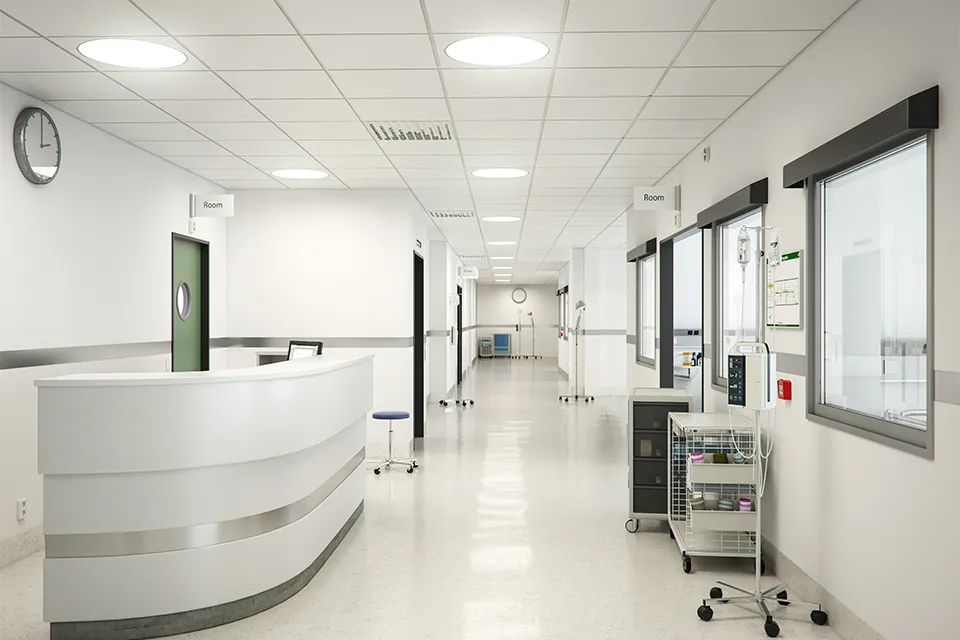
For our anniversary edition of Bouwen aan de Zorg, we speak to Cees van Wezel, Concept Developer at Ecophon. Taking a unique approach that combines the hard science of acoustics with human perception, he aims to optimise healthcare buildings for both patients and medical staff.
An article recently published in de Volkskrant looked at how poorly patients sleep in hospitals, even though sleep is crucial to their recovery. Why is it so difficult to get a good night’s sleep in hospitals?
“Yes, that article highlights a familiar problem. Paradoxically, hospitals are often not restful environments. Noise from beeping equipment, conversations in the corridor and fellow patients makes it difficult to sleep. This affects not only patients’ comfort, but can also delay the recovery process. At Ecophon, we work on solutions to tackle these noise problems and help create a better healthcare environment.”
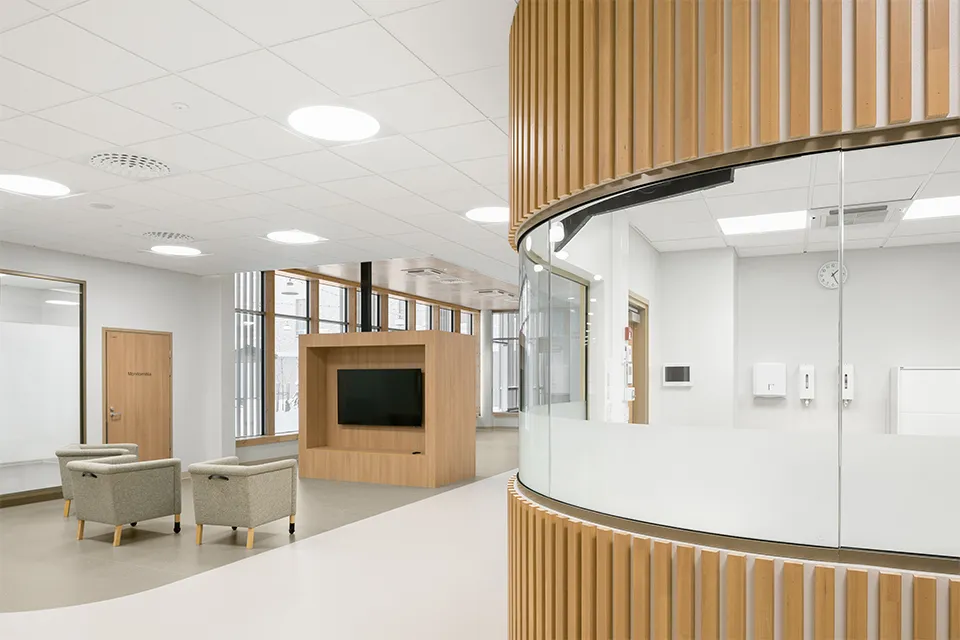
How can acoustic design help patients get a better night’s sleep?
“Acoustics play a crucial role in how we experience our surroundings. By using sound-absorbing materials and smart design strategies, we can significantly reduce noise levels. At Ecophon, we develop acoustic ceiling and wall panels specifically designed for healthcare environments. These products help dampen disruptive sounds, creating a calmer, more comfortable environment that supports patients’ recovery. A well-designed sound environment can reduce stress and anxiety, which is essential for recovery.”
You emphasise that there is no such thing as ‘good acoustics’, only a ‘well-perceived sound environment’. Could you explain what you mean?
“Certainly. Acoustics is both an exact science and a matter of human perception. What is calming for one person may be disturbing for another. That is why it is important to offer flexibility and choice in healthcare environments. By creating different zones, quiet spaces for rest and more dynamic areas for interaction, we can meet a range of needs.”
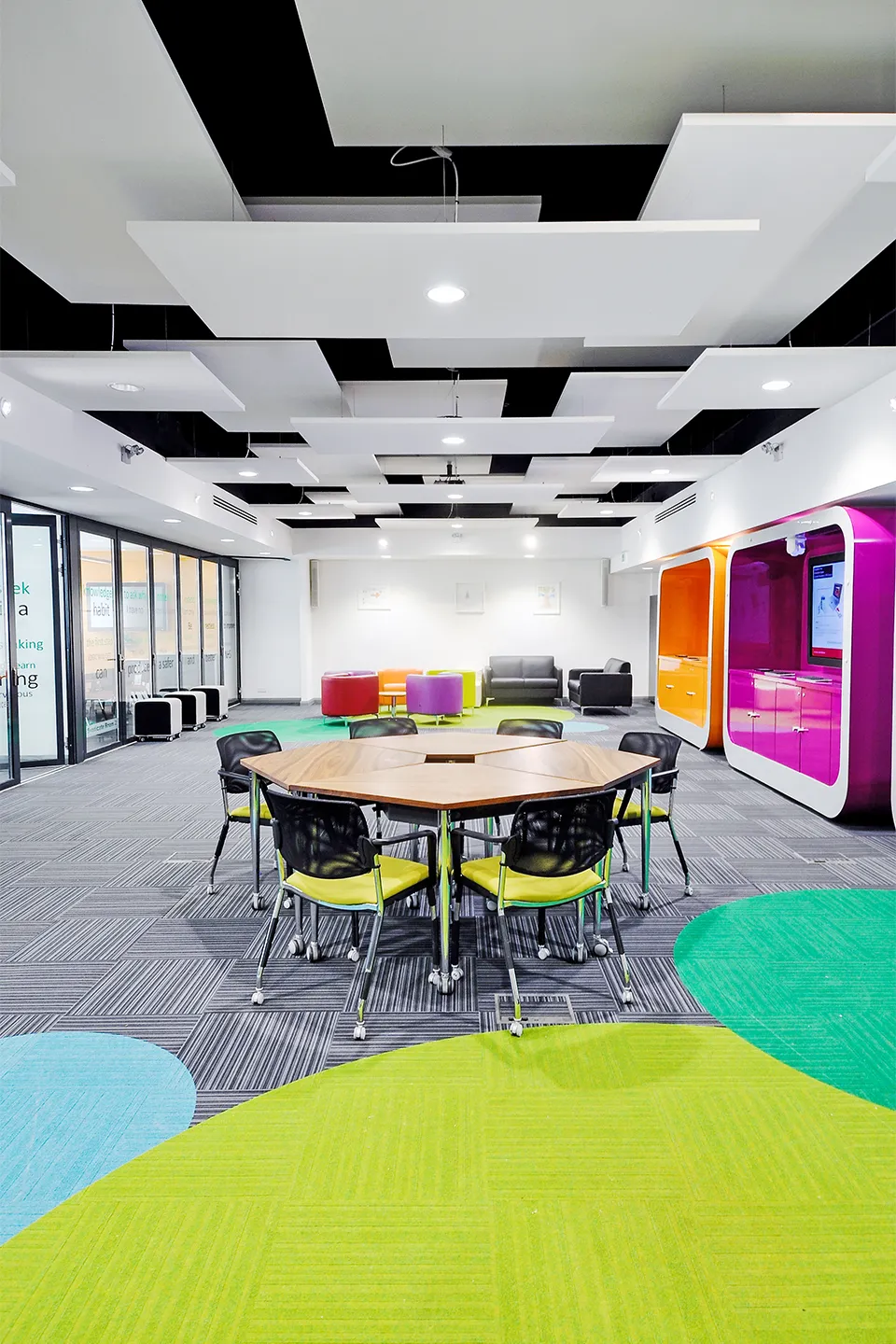
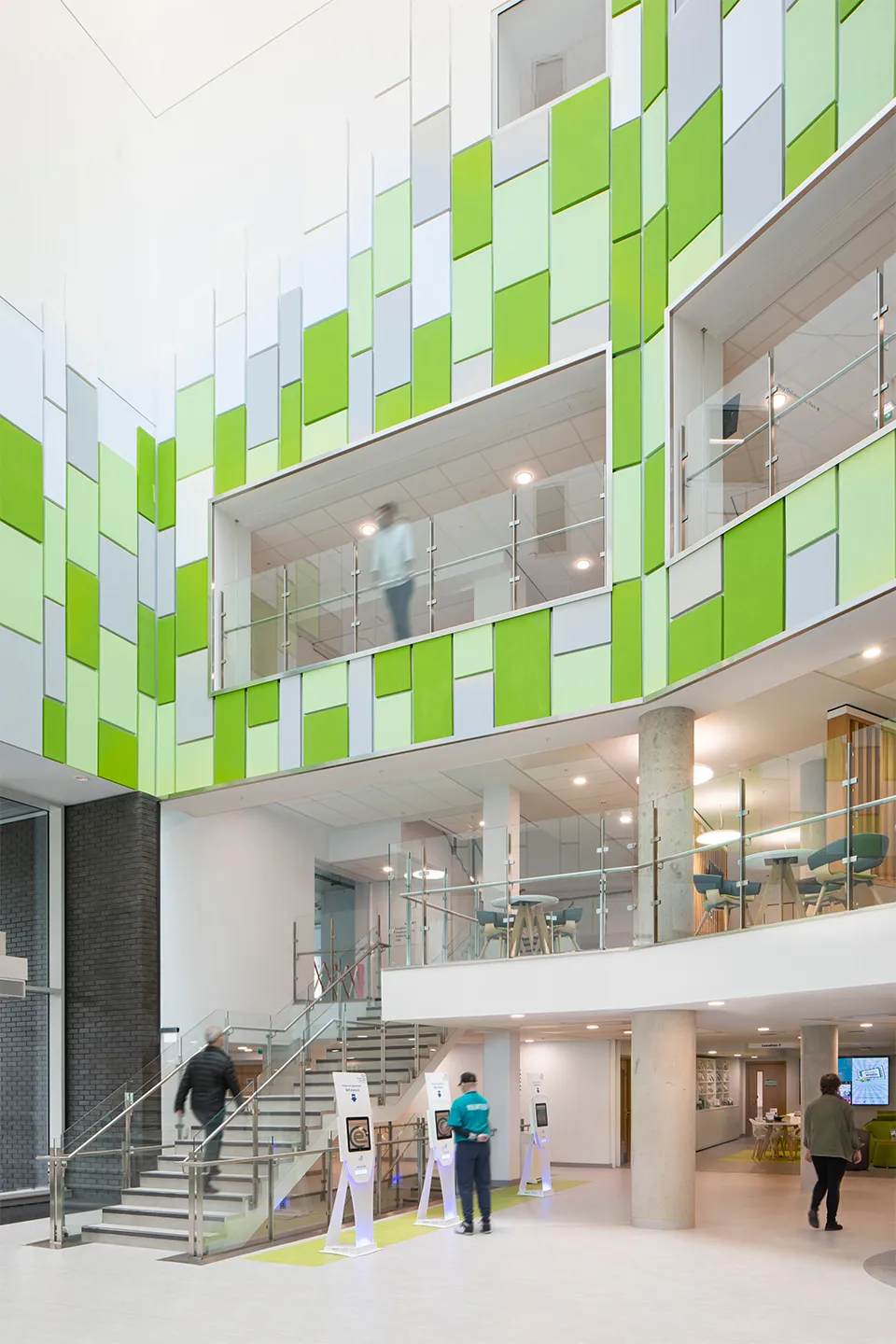
Ecophon works on solutions to tackle noise problems and help create a better healthcare environment.
The article also mentions that healthcare professionals often contribute to noise pollution without realising it. How can they be helped to address this?
“Awareness is the first step. Training and workshops can help healthcare staff understand how their behaviour affects the sound environment. Small changes, such as speaking softly, closing doors quietly and minimising night-time checks, can make a big difference. Acoustic solutions can also help create a better working environment for both patients and healthcare professionals. At a time of high workloads and a tight labour market, it is essential to create an environment that supports both patients and healthcare professionals.”
What is your main advice for healthcare organisations looking to improve their acoustics?
“Start by putting people at the heart of the design. Consider not only technical and functional requirements, but also the experience of patients and healthcare professionals. Make use of the expertise and solutions available. At Ecophon, we are ready to work together to improve acoustics, with products that have been proven effective. It is an investment that pays off in faster recovery, greater satisfaction and better performance.”
Question about this story? Ask your question
Keep following this
Get an email when a new story is published. No account needed.
- SubjectAnniversary