A healing environment as the key to wellbeing in care settings
Text Peter SwelsenImage Dols
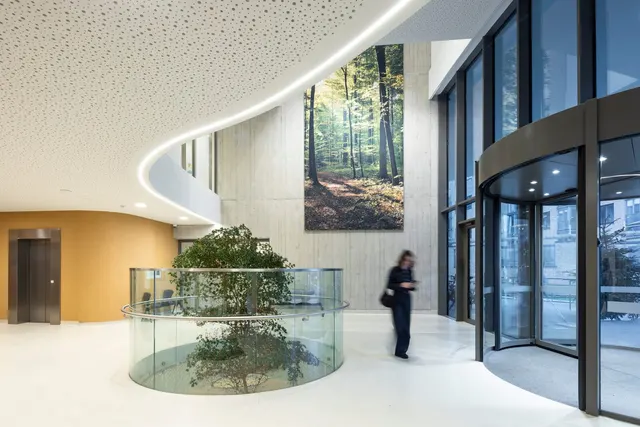
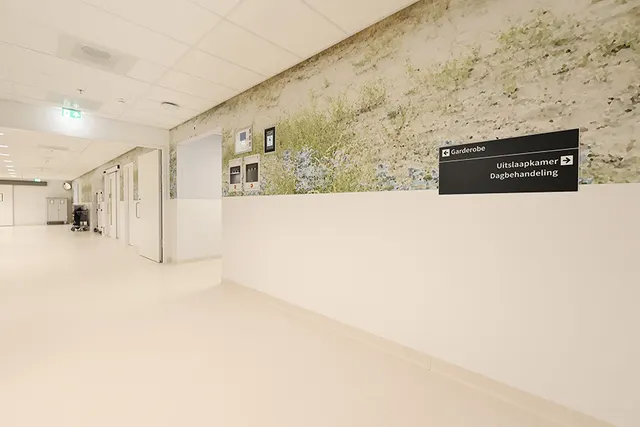
At Dols, a leading company that delivers interior projects in Belgium and the Netherlands, the focus is on creating a ‘healing environment’ within care organisations. This concept goes far beyond aesthetics alone: it is about designing spaces that actively contribute to users’ wellbeing and recovery. A care environment should offer peace and comfort, and plays a crucial role in the recovery process and overall experience of residents, staff and visitors alike. “An optimal living environment is subjective, which is why collaboration and co-creation are essential at Dols,” says interior architect and marketing assistant Celina Broekmans.
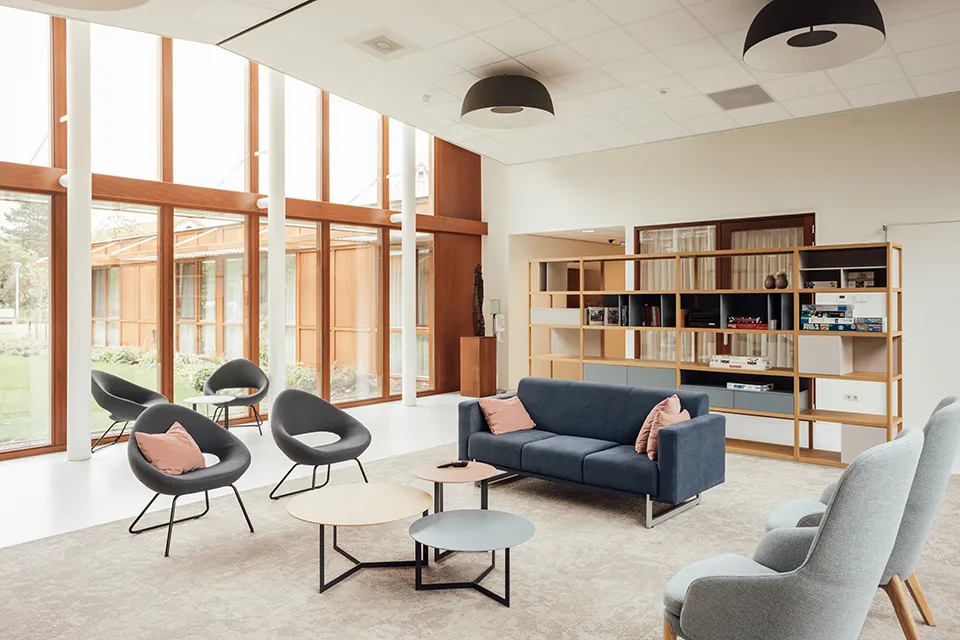
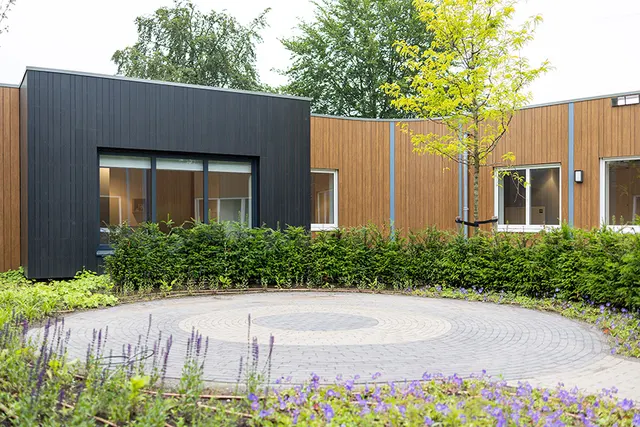
In the care sector, the physical environment is an essential factor in users’ wellbeing and recovery. “Creating a healing environment goes considerably further than simply choosing attractive furniture,” says Broekmans. “Spaces where residents, staff and visitors feel at home make a significant contribution to their wellbeing.” Familiar features in the interior are particularly important for residents of care facilities, as they provide a sense of recognition and security. Given that wellbeing is subjective, it is crucial to tailor the design in collaboration with clients and service users. Only in this way can spaces be created that optimally support the wellbeing of everyone involved.
The role of hospitality
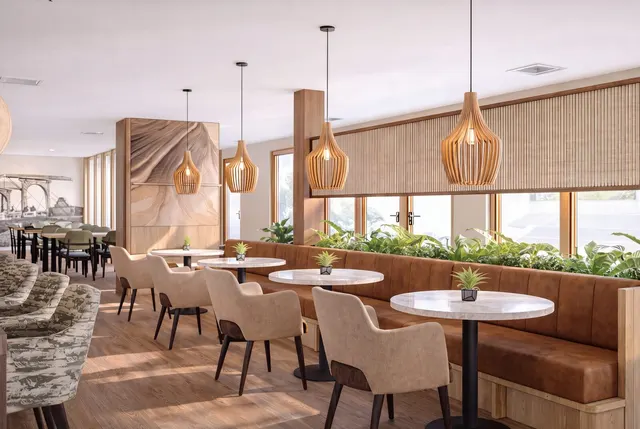
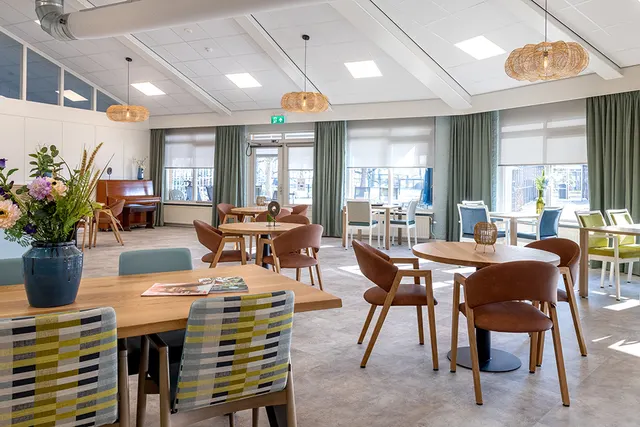
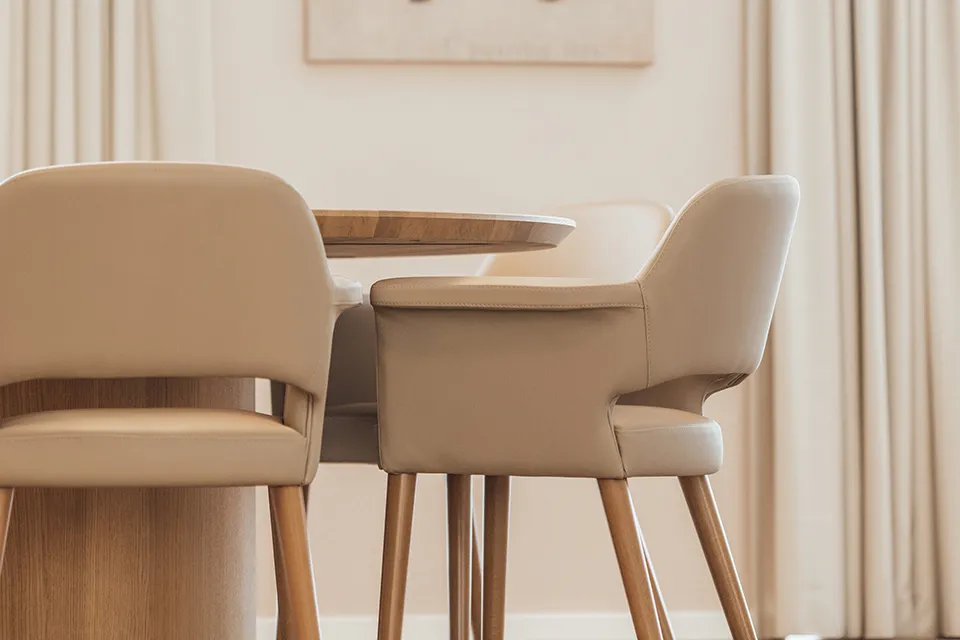
Although hospitality and a healing environment are different concepts, they reinforce one another. Hospitality is about creating a welcoming atmosphere, which is essential in sectors such as the hospitality industry. This concept is also gaining importance in care. By integrating hospitality principles into care, it is possible to create an environment that offers comfort and a warm welcome. In addition to meeting the requirements of a care organisation, Dols aims to bring together the client’s needs, wishes and identity. This creates an environment in which users feel comfortable and which supports their wellbeing.
Applications in offices and hospitality
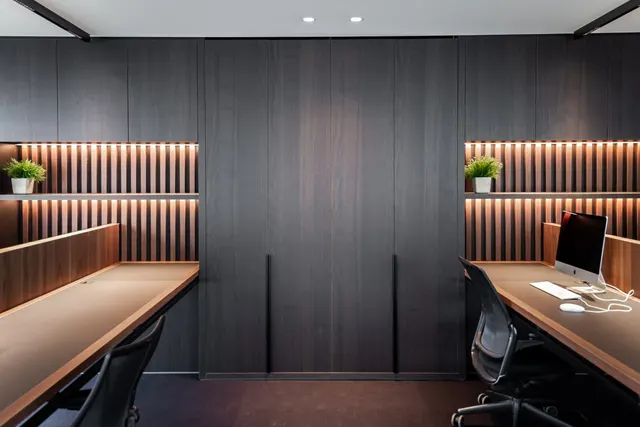
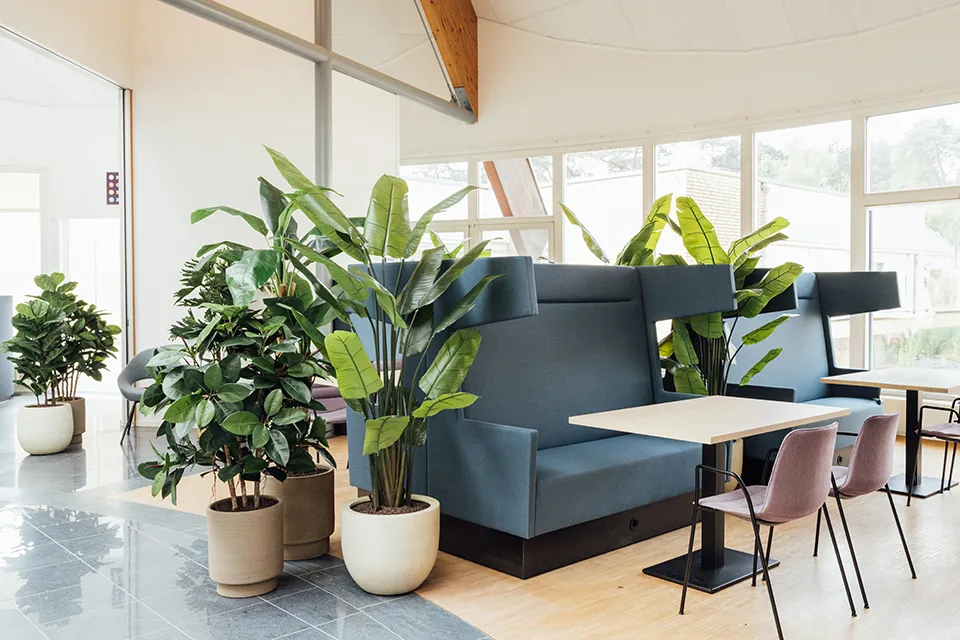
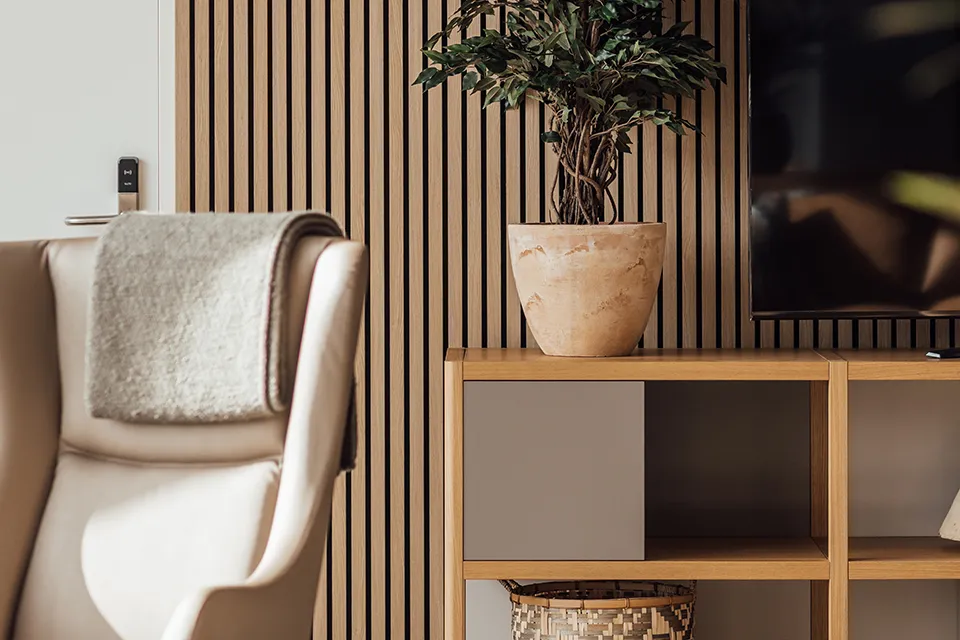
The concept of a healing environment originated in care. However, it has also proved its value in other sectors, such as offices and hospitality. In office environments, for example, the term biophilic design is used for the integration of natural elements such as greenery and daylight to promote staff wellbeing. These principles support wellbeing in much the same way as in the care sector, contributing to higher productivity and staff satisfaction.
Case study: Ciro
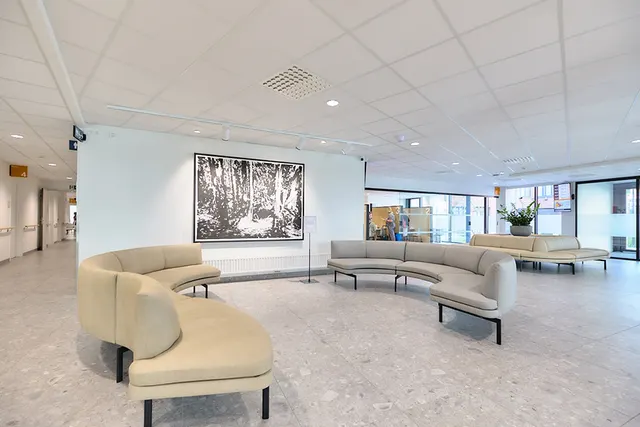
At Ciro, a knowledge and treatment centre for patients with complex chronic lung conditions, chronic heart failure and/or sleep disorders, Dols created an environment centred on calm, openness and light. “This setting not only supports patients’ recovery, but also provides a pleasant experience for staff,” says Broekmans. The space was designed with Scandinavian elements that promote lightness and transparency, contributing to an open and welcoming atmosphere. Sustainability played an important role. Existing furniture was reused by having it reupholstered, helping to ensure responsible use of resources. The emphasis on a light and airy interior creates an environment conducive to recovery and wellbeing, supporting patients throughout their rehabilitation.
Investing in wellbeing
A well-designed environment has a direct impact on the wellbeing of everyone who comes into contact with it. Investing in wellbeing through a healing environment, combined with hospitality principles, is essential to creating optimal living conditions in care facilities, offices and hospitality venues. These investments not only result in satisfaction and comfort, but also contribute to an organisation’s success and sustainability.
Question about this story? Ask your question
Keep following this
Get an email when a new story is published. No account needed.
- ThemeHealing environments
- SubjectHealing environment