‘A fresh perspective on sterilisation’
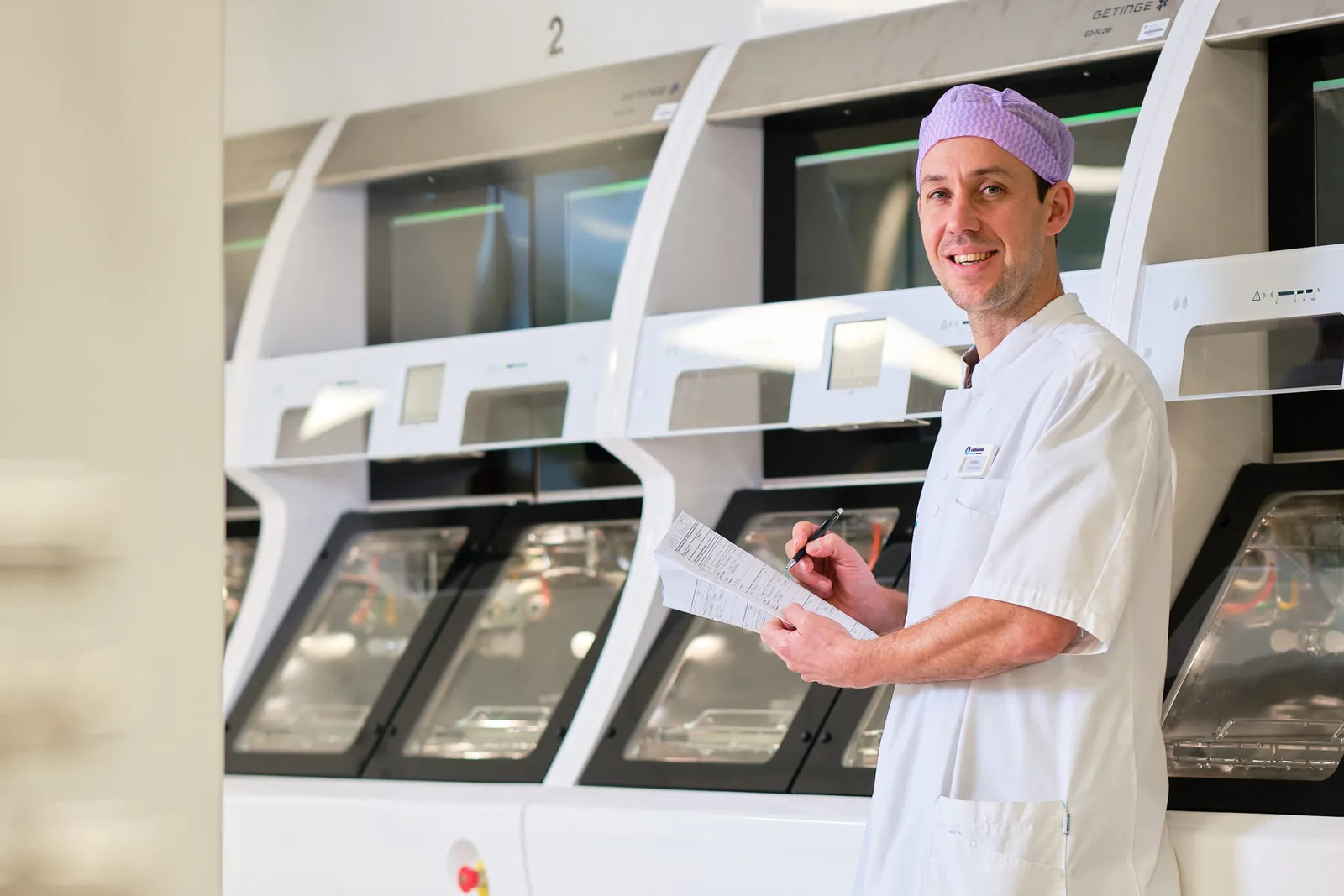
At the beginning of October, Catharina Ziekenhuis in Eindhoven opened its new department for cleaning, disinfecting and sterilising medical instruments and flexible endoscopes. This CSSD is the quiet engine behind care at the hospital in North Brabant.
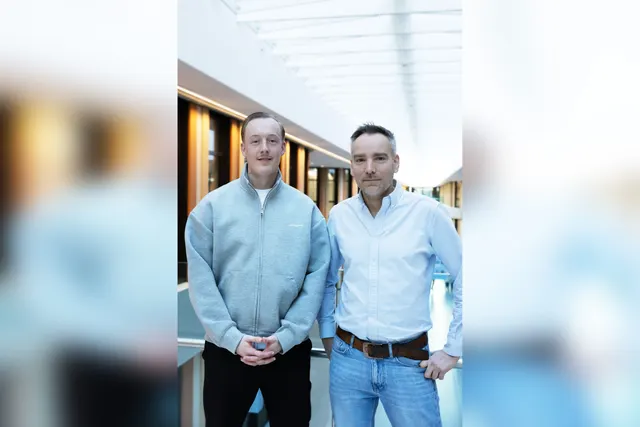
Catharina Ziekenhuis has 500 beds and carries out around 25,000 operations each year, most of them highly complex. “Every day, thousands of instruments pass through the hands of staff in the Central Sterile Services Department (CSSD) and Central Endoscope Disinfection (CSD),” says department manager Thomas Emous. “After an operation, the used instruments come to us. We clean, disinfect, inspect and sterilise them so they can be used safely again.”
The CSSD supports almost every department, from maternity care to the emergency department. “But the operating theatres are our biggest users. That is why the hospital chose to connect the new building directly to the operating theatres,” Emous explains. “What makes the new department especially distinctive is that the CSSD and CSD are no longer two separate units. You see that on this scale almost nowhere else. We are also on the first floor, right next to the operating theatres. This simplifies logistics. Elsewhere, sterilisation departments are usually located beneath the operating suite, sometimes even in a basement. We can enjoy plenty of natural light while we work.”
Managing peaks in demand
“By bringing the two departments together, we can manage peaks and troughs in workload much more effectively. The flow of used surgical instruments has peak periods, particularly around the start and end times of the operating theatre schedule and transport movements around the hospital. By focusing our efforts on the CSSD at these times, where instruments are cleaned, we can manage the peaks more effectively, leaving more capacity afterwards for cleaning and disinfecting flexible endoscopes. Automation also means that all the equipment is used equally intensively. This allows teams to work together more intelligently and efficiently, and makes the best use of our equipment. All the equipment in the CSSD is new. We chose Getinge as our supplier. Our sterile medical device staff and medical engineering colleagues have received intensive training in the use of the new equipment.”
Capacity
“We have invested in sufficient capacity. Alongside nine instrument washer-disinfectors, we have five steam sterilisers, two low-temperature hydrogen peroxide gas plasma sterilisers, seven endoscope washer-disinfectors and two trolley washers. We now have four workstations for processing the delicate instruments used with the Da Vinci surgical robot, instead of two. This enables us to ensure continuity during maintenance and inspections as well. We are now equipped for the next ten to fifteen years. Another important improvement is the increase in workspace, from 800 to 1,500 square metres, for a total of forty staff. This allows us to move around more efficiently without getting in one another’s way. This focus on space is still quite unusual in the sector.”
Staff duties are also less demanding now. “The work is physically demanding in general. You spend a lot of time standing, lifting sets that sometimes weigh eight kilos and making repeated twisting movements. In the new department, we have improved the way tasks are divided: staff rotate between ‘dirty’ and ‘clean’ work, and we have ergonomically adjustable workstations. The washer-disinfectors load and unload themselves, so pushing and pulling are a thing of the past. This makes the work healthier and more attractive.”
A future-focused approach
“Everything has been designed with the future in mind. The department is also completely gas-free: all processes, such as steam generation and water heating, run on electricity. This supports our hospital’s sustainability ambitions. Because we have to heat a lot of water to 95 °C and produce a lot of steam, this significantly reduces our CO2 emissions. Sustainability is also built into the technologies we use. We recover water during cleaning, reducing consumption. With our increased capacity, we can opt for reusable rather than disposable instruments more often. That makes a huge difference to the amount of waste.”
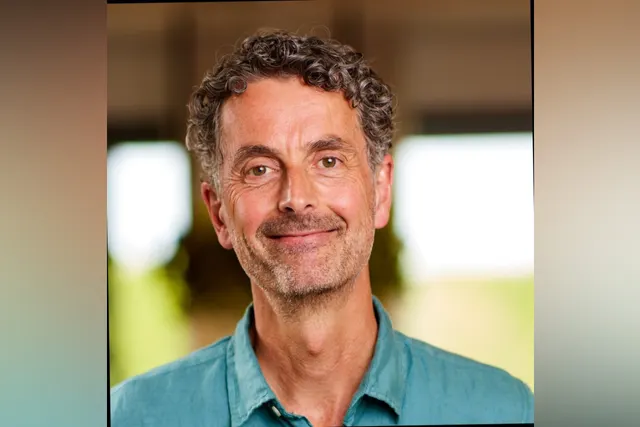
Emous has worked at Catharina Ziekenhuis since 2020. “The plans for the new building were already drawn up in 2019. Project manager Erik Sengers and sterile medical device expert David van Kemenade were actively involved from the outset. Their proactive contribution and collaboration were extremely valuable. This was a project that brought everything together: IT, engineering, laws and regulations, and departmental processes.”
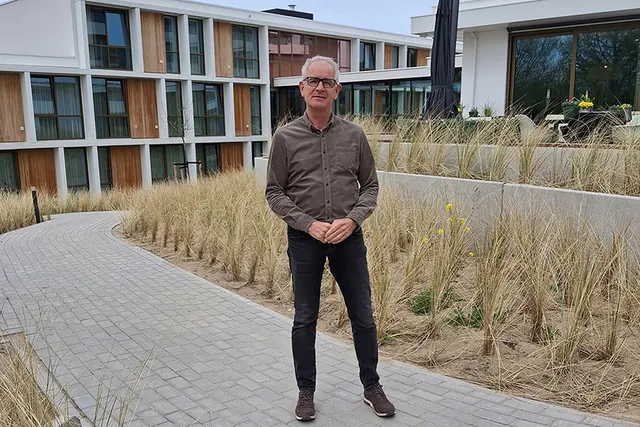
Thomas Emous
Bachelor’s degree in business, Zuyd Hogeschool Heerlen
Master’s degree in business administration, Universiteit van Amsterdam
HR adviser, Sint Lucas Andreas Ziekenhuis Amsterdam (2007-2012)
Manager, Central Sterile Services Department, OLVG Ziekenhuis Amsterdam (2012-2020)
Manager, Operating Theatres and Central Sterile Services Department, Catharina Ziekenhuis Eindhoven (2020-)
Een zakelijke vraag aan Getinge? Get in touch
Companies in this story

Keep following this
Get an email when a new story is published. No account needed.
- ThemeSafe and reliable healthcare buildings
- SubjectInterviews & columns
- CompanyGetinge