Why healthcare organisations should not make AI fully autonomous
Text and images Yarado
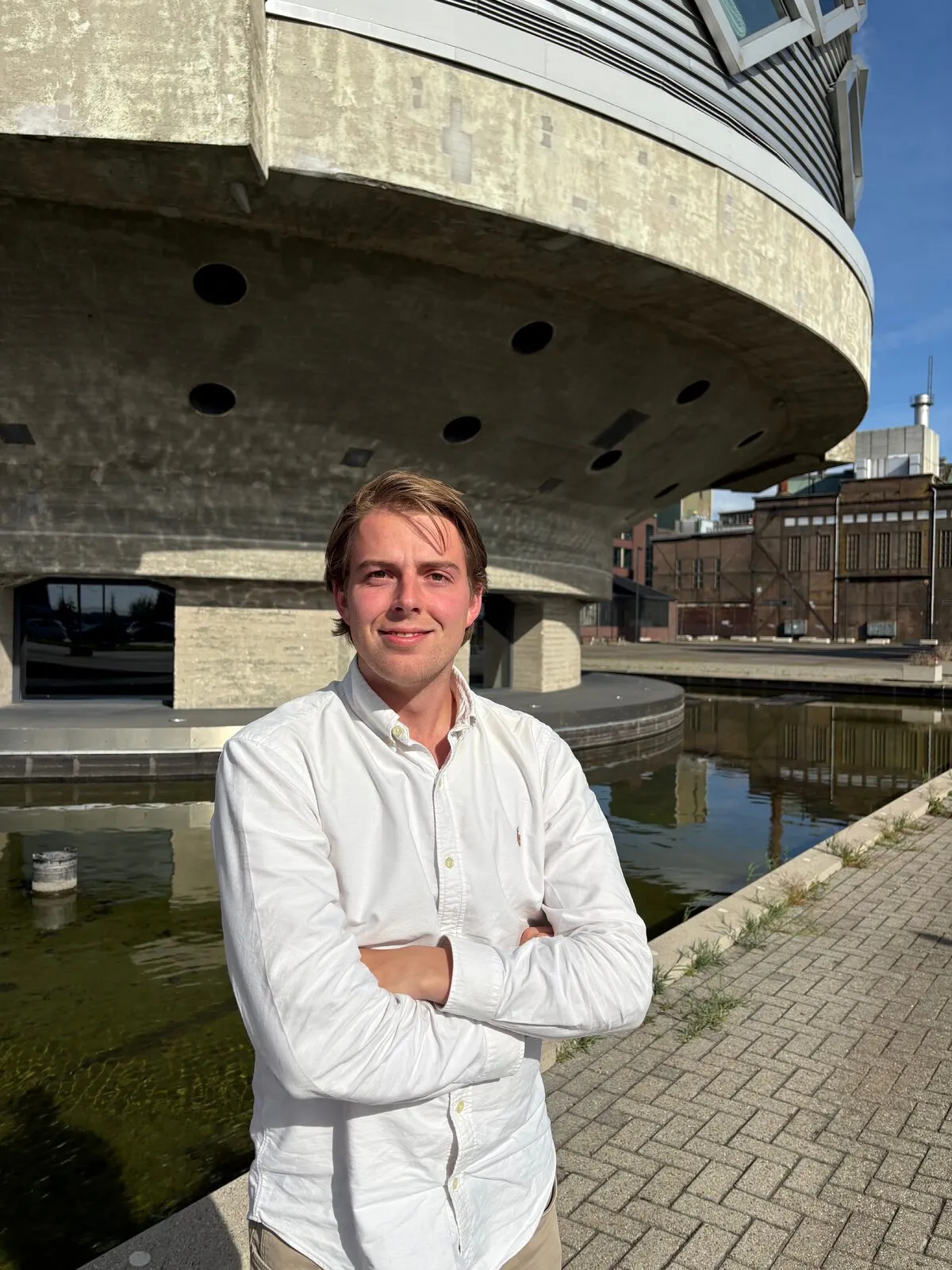
AI can take more and more work off healthcare professionals’ hands. Administrative processes can be automated, documents processed and information transferred between systems. But according to Torsten Oosterholt, CPO at tech company Yarado, greater technical autonomy does not automatically mean organisations should give AI more freedom. In fact, the more decisions an AI system makes independently, the greater the need for oversight may be. This is an important consideration in healthcare in particular, where processes often involve sensitive data and clear lines of responsibility.
According to Oosterholt, discussions about AI too often focus on what is technically possible. The more important question is what an organisation should actually delegate to AI. “If you give AI full autonomy, you let the system think and make decisions for itself at every step. But that does not necessarily add anything when a process has already been defined.” This is particularly relevant in healthcare. Many tasks are governed by protocols, standard procedures and checks. For such processes, it may be wiser to let AI operate within clear rules. “Once the agreement is in place, execution must be predictable.”
The autonomy paradox
This creates a paradox, according to Oosterholt. “An AI system that is completely free to make its own decisions may seem the most autonomous on paper. In practice, it may actually require more human oversight.” By defining in advance which actions AI may and may not carry out independently, more work can be handled without constant human involvement. “It is not about everything AI can technically do, but what you consider it sensible to delegate to a model.”
Who is responsible?
This also raises the question of responsibility. Who is responsible when an AI system makes the wrong choice? According to Oosterholt, this needs to be considered in advance. “You need to agree in advance on who designs the limits, who monitors them and who makes decisions when exceptions arise.” For healthcare organisations, this means that introducing AI should involve more than looking at what is technically possible. It must also be clear which decisions AI may make independently and when a staff member must be able to intervene.
Set boundaries first
This thinking also played a part in the development of Yarado’s own AI builder, Yara-Builder. The original idea was to have AI build a complete automation from a single prompt. In practice, it became clear that AI could make incorrect assumptions or miss context. “Perhaps 90 per cent of the steps were right, but without a person stepping in, the process as a whole did not work. That is why the AI builder works with the user step by step. The system shows what it is doing, and the user can make adjustments along the way.”
Question about this story? Ask your question
Keep following this
Get an email when a new story is published. No account needed.
- SubjectZorgTech