83% less contrast agent in ditches thanks to hospital and water board partnership
Text and images Waterschap Rijn en Ijssel
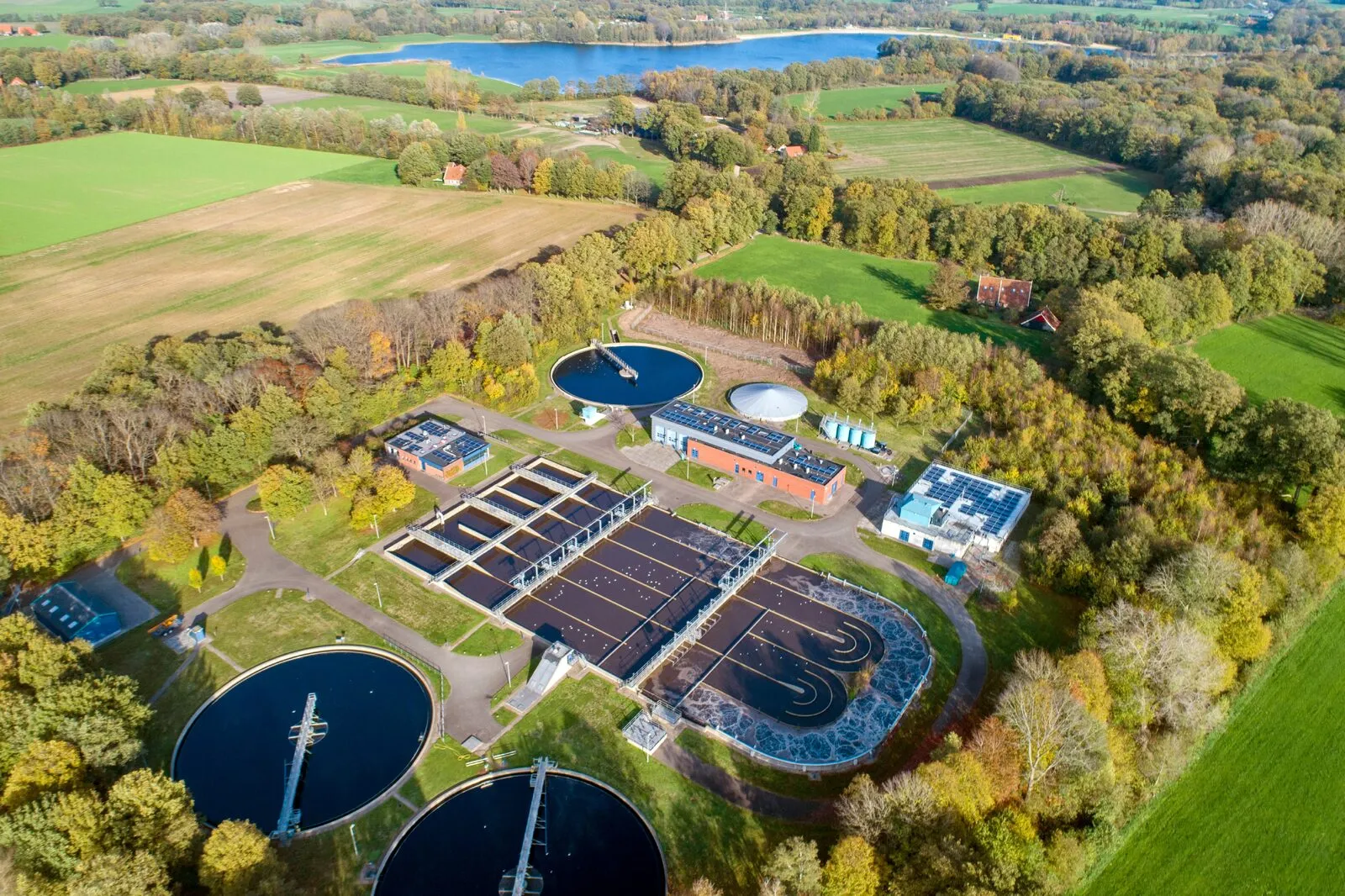
There is 83 per cent less contrast agent in the ditches and streams around Winterswijk. This is according to research by Waterschap Rijn en IJssel. The joint approach taken by Streekziekenhuis Koningin Beatrix (SKB) and Waterschap Rijn en IJssel over the past two years has proved effective. The hospital introduced urine bags to reduce the amount of contrast agent in its wastewater. The water board used additional techniques at its wastewater treatment plant to remove even more pharmaceutical residues. Together, these measures led to this substantial reduction in contrast agent in ditches and streams.
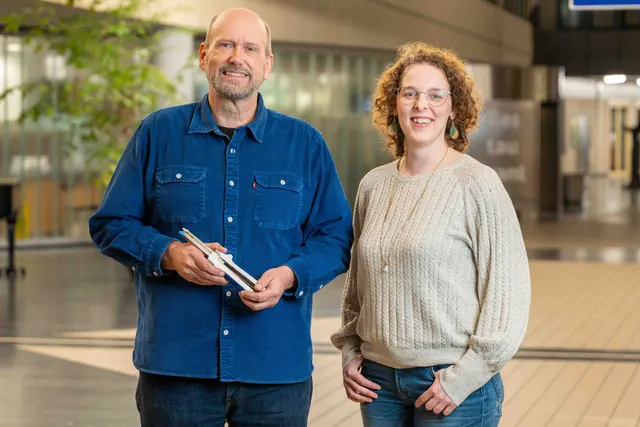
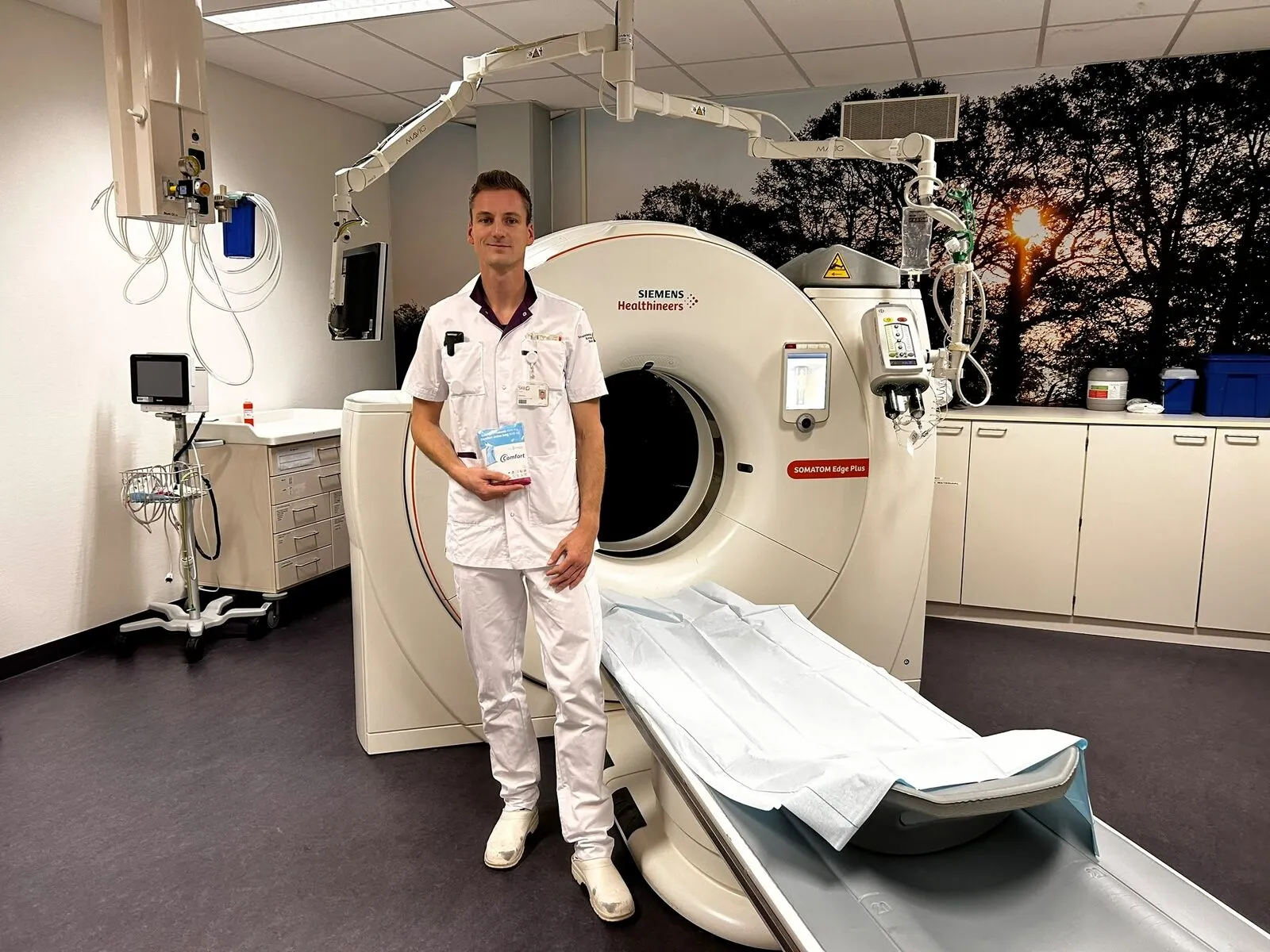
Since summer 2024, SKB has given urine bags to patients undergoing a CT scan with contrast agent. Gerben Elferdink, senior radiology department staff member, explains: “Contrast agent is needed for some scans to produce clear images. After the examination, the agent is excreted in the urine and normally ends up in wastewater. We introduced the urine bags in 2024. This means contaminated urine goes into the bag rather than down the drain. We have found that many patients are willing to use a urine bag if you explain it properly. The urine bag is now a standard part of the CT scan process.”
Much less pollution in wastewater
Measurements by Waterschap Rijn en IJssel show that use of the urine bags alone reduced the proportion of contrast agent in wastewater by around 50 per cent. The bags prevent the contrast agent from entering the wastewater. For the first four times they urinate after the examination, patients use a special urine bag. The bag contains a powder that turns urine into a gel, after which it can be disposed of with general waste. This captures most of the contrast agent before it can enter the wastewater.
Additional treatment increases impact
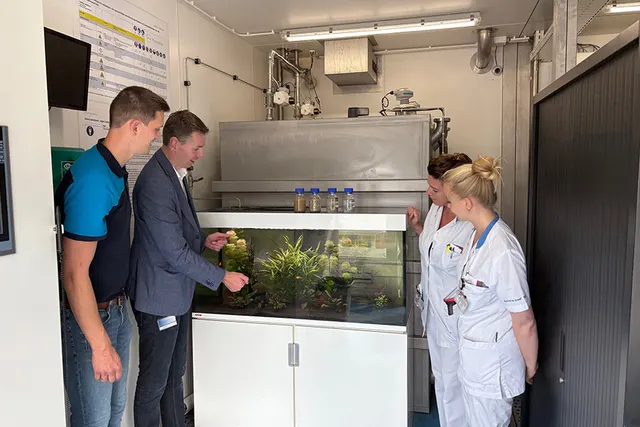
The water board treats wastewater at its treatment plants in Winterswijk and Lichtenvoorde. In 2025, it added a new advanced treatment stage to the process. This technology removed even more contrast agent from the wastewater. Together, these measures have reduced the amount of contrast agent in the water in ditches and streams by as much as 83 per cent.
Positive feedback from patients
In 2025, more than 60 per cent of patients undergoing an outpatient CT scan with contrast agent were given a urine bag. Around 3,200 bags were distributed that year. Gerben Elferdink says: “Most patients respond positively. Women sometimes found the bags difficult to use at first, but with clear explanations and practical tips, almost everyone can manage, and patients are happy to cooperate.”
Working together for cleaner water
Water board executive Dennis Wolsink says: “The findings of this study show that preventing pollution at source is extremely effective. That is what makes this partnership so valuable. Contrast agents are not biodegradable and are difficult to remove using standard treatment methods. By preventing pollution at source and improving wastewater treatment, SKB and Waterschap Rijn en IJssel are working together to help keep streams and rivers cleaner, and create a healthier environment.”
Partnership
The upgraded wastewater treatment plant is part of a package of measures to make the streams and ditches around Winterswijk cleaner and healthier. It also helps the water board prepare for a future with more drought and new substances in wastewater. The water board is working with municipalities, the hospital, pharmacies, patients, local residents and other public-sector organisations on this initiative.
Question about this story? Ask your question
Keep following this
Get an email when a new story is published. No account needed.
- SubjectSustainability