Reinier de Graaf Hospital restarts Pharmafilter as a water treatment plant
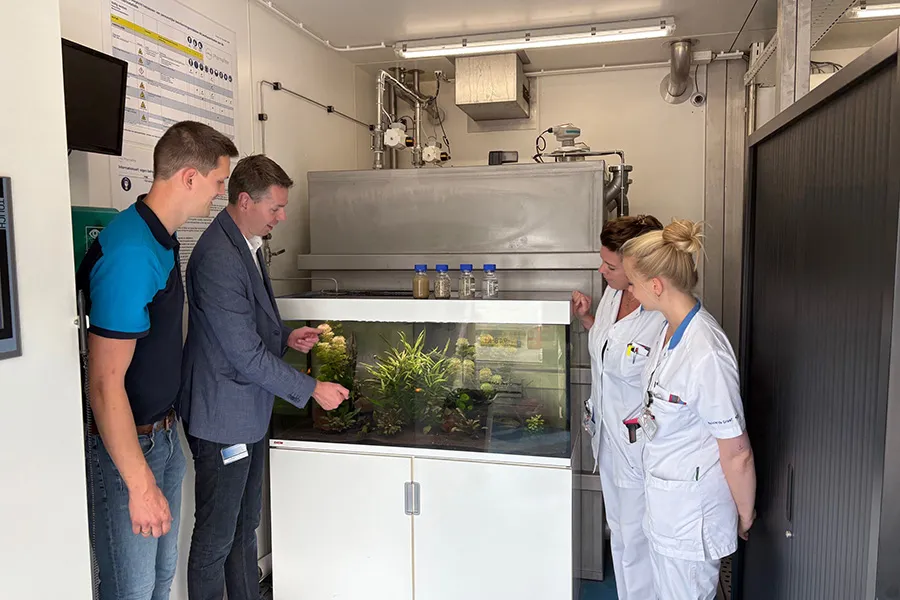
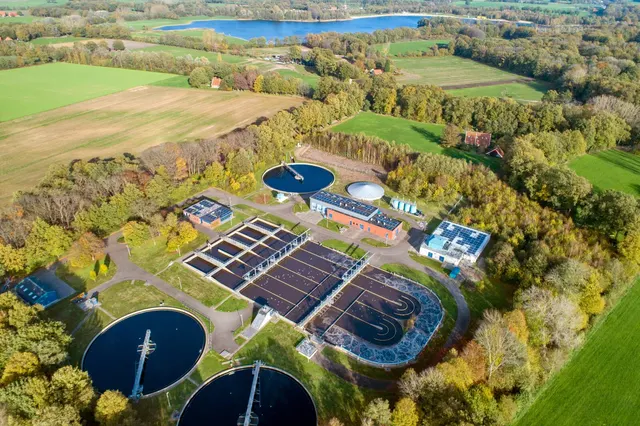
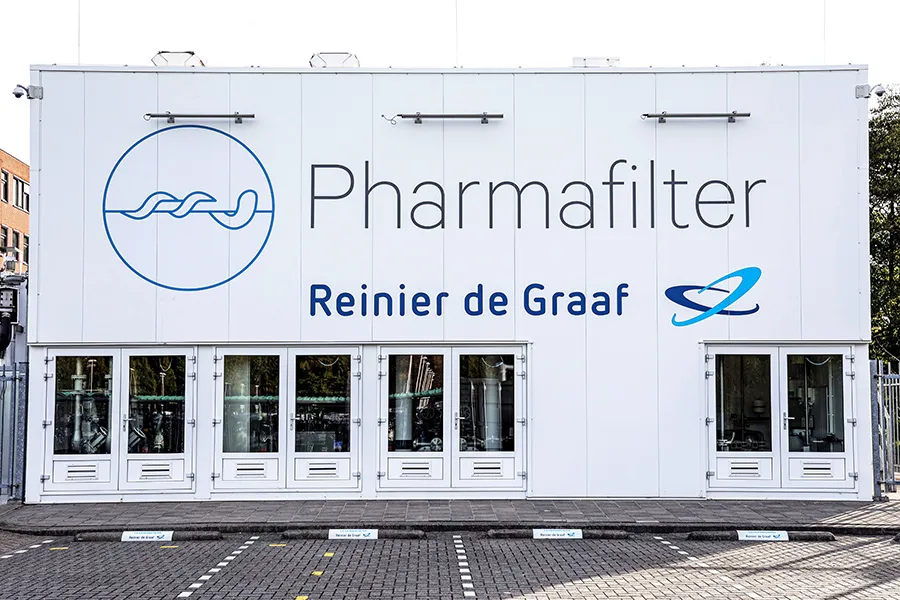
Reinier de Graaf is officially bringing the Pharmafilter plant on the hospital site back into operation to treat all its wastewater and remove biological and medical contaminants, including pharmaceutical residues, viruses and bacteria. The treated water is also reused in the hospital. In 2024, the waste and water treatment plant was taken out of service following the bankruptcy of Pharmafilter B.V. and Pharmafilter Nederland B.V. Reinier de Graaf then converted the plant into a water treatment facility. By restarting it, the hospital is contributing to sustainable healthcare and a healthy living environment.
First hospital in the world
In 2012, Reinier de Graaf became the first hospital in the world to introduce Pharmafilter’s innovative waste and water treatment plant and macerators. Following the company’s bankruptcy, Reinier de Graaf explored all options for obtaining a new licence and converting the plant into a water treatment facility. The old macerators, known as Tonto’s, which had previously processed hospital waste, were replaced with macerators that now process only bedpans and urinals made from paper pulp. The resulting pulp waste is separated at the treatment plant and disposed of as residual waste. The treated water is then reused in the hospital as process water, for example to flush toilets.
Collaboration
At least 190,000 kilos of pharmaceutical residues enter surface water in the Netherlands each year via wastewater and sewage treatment. Hospitals account for between 3.6% and more than 10%.* Robbert Jan van der Ent Braat, Facility Management and Property Manager at Reinier de Graaf: “I’m proud that we have made this restart possible together with the licensor, Pharmafilter Group Holdings Ltd., the organisations involved and the project managers. We were the first hospital in the Netherlands to fully remove pharmaceutical residues from our wastewater, and we are now doing so again. With the upgraded Pharmafilter plant, we treat 60,000 m³ of wastewater each year. This reduces our ecological footprint and puts us ahead of future statutory requirements for water quality in healthcare.”
Manita Koop, board member of Hoogheemraadschap van Delfland, is also enthusiastic. “Reinier de Graaf is showing that it is possible to remove pharmaceutical residues from water at source. They have achieved something remarkable here and are an example for other hospitals. This initiative shows how healthcare institutions can actively help protect water quality, water quantity and the environment for future generations.”
Sustainability
Reinier de Graaf Hospital in Delft is a top clinical hospital with a strong focus on sustainability. Together with knowledge institutions, government bodies and partners, the hospital is committed to sustainable healthcare and promoting a healthy living environment. Wastewater treatment is a natural fit with this commitment. Reinier de Graaf Hospital is also working with TU Delft and others on innovative solutions to further reduce hospital waste.
Question about this story? Ask your question
Keep following this
Get an email when a new story is published. No account needed.
- ThemeSustainable healthcare buildings
- SubjectSustainability