Residential care & nursing homes
Haarlem is building caring neighbourhoods: housing as part of the care infrastructure
Text José Mulder Beeld Gemeente Haarlem
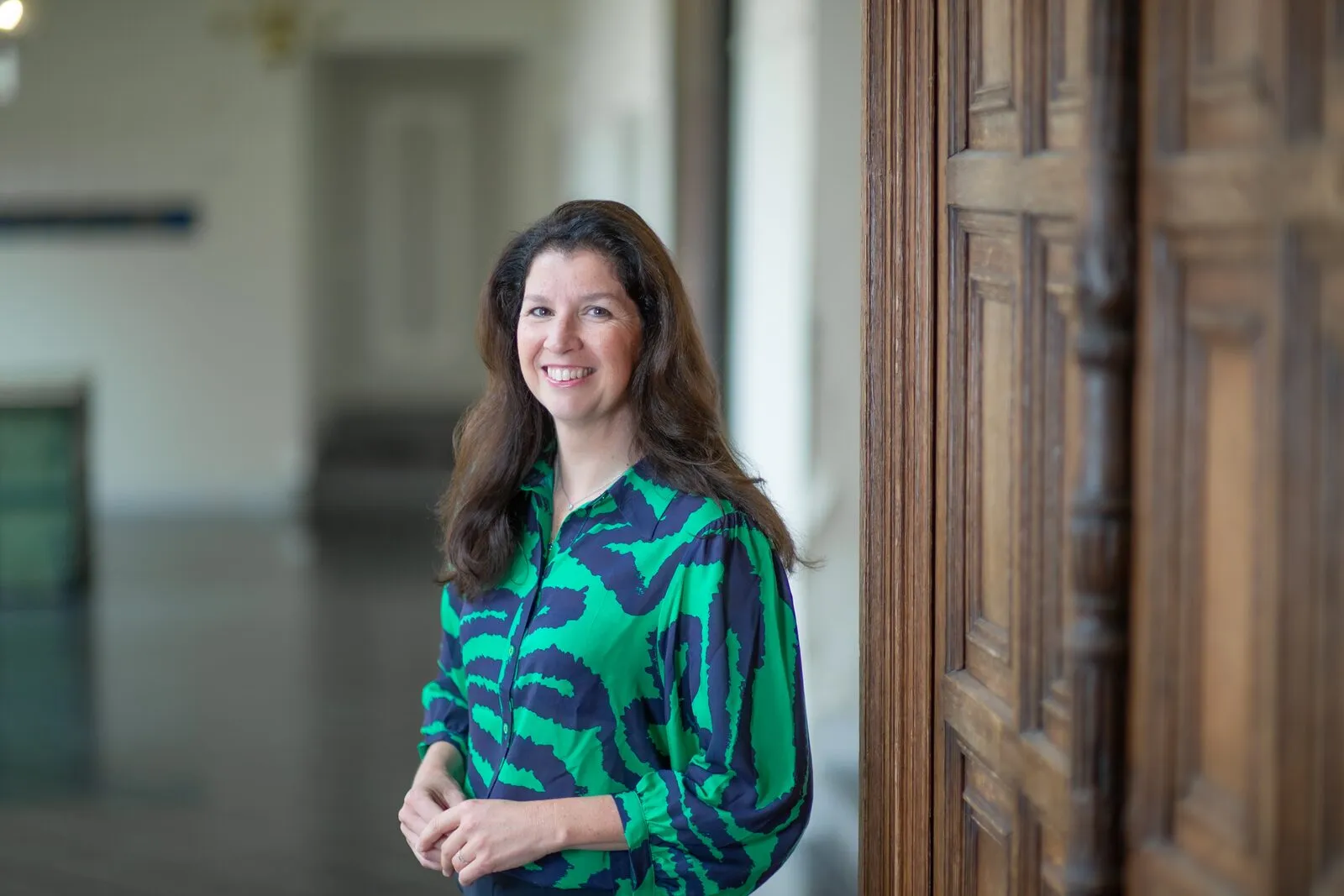
What if the neighbourhood itself became part of the answer to growing demand for care? The municipality of Haarlem is putting this idea into practice through new housing and neighbourhood concepts. By making housing part of the care infrastructure, it creates not just somewhere to live, but also a place that enables social contact, support and care at home.
“We need to look much more at how we can connect care and wellbeing with housing,” says Haarlem alderwoman Diana van Loenen. “It is simply easier to live at home for longer if there are other people nearby you can turn to from time to time, for help or just for company.” One existing example is the Neighbourhood as Ecosystem initiative in Haarlem’s Vijfhoek district. Care organisation Zorgbalans works there with, among others, Spaarne Gasthuis, the municipality and wellbeing organisation Buurts. Social contact is the foundation. Local residents regularly meet at a neighbourhood café. Health prevention is also linked to these gatherings, for example by making it easy for a district nurse to take people’s blood pressure. According to Van Loenen, this has a twofold effect. Residents can spot sooner when something is wrong, but sometimes also discover that professional care is not needed at all. “This creates a kind of gatekeeping function before someone enters the care system. The aim is for people to receive the right care at the right time, while also preventing unnecessary pressure on care services.”
Housing as part of the care solution
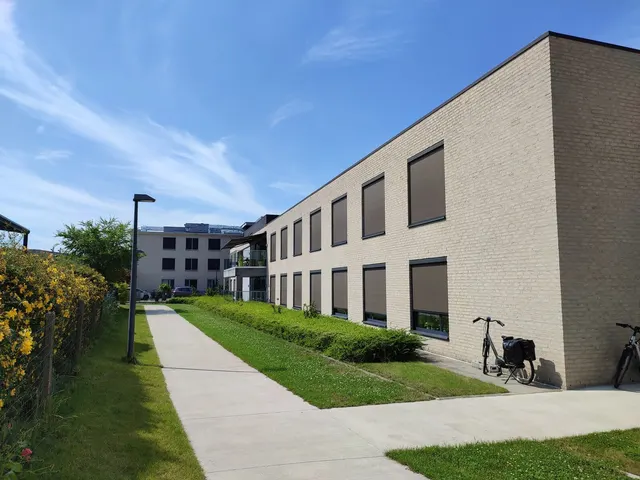
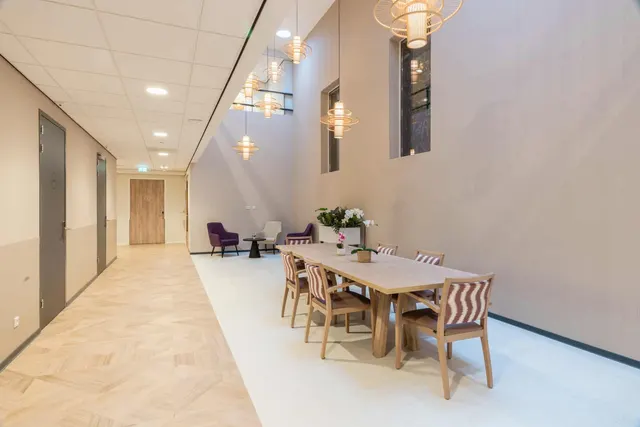
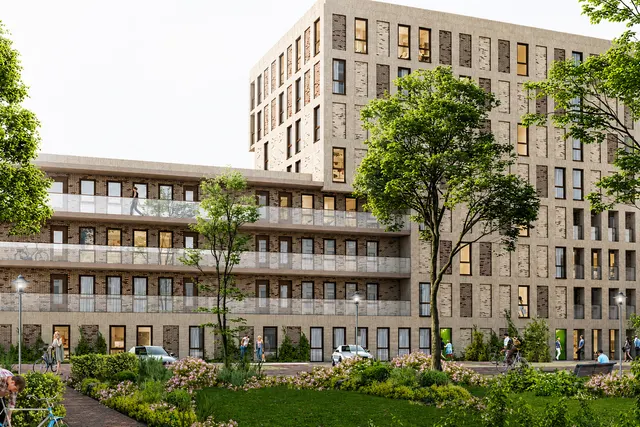
Through the Gewoon Samen Thuis programme, the city is developing residential neighbourhoods where independent living, care and wellbeing come together. The municipality is starting with three such neighbourhoods, working with housing associations and care and wellbeing organisations. They will comprise residential complexes with shared spaces and a programme of group activities, such as shared meals and organised events. At the same time, intensive care can be provided at home. According to Van Loenen, this creates a modern version of the old people’s home: without the large-scale care of the past, but with the social benefits of living together.
“The best features of the old people’s homes were above all the social contact, shared spaces and eating together. We are bringing these features back, but in a way that suits how people want to live today.” This approach can also help free up housing. Older people can move to homes that are better suited to their needs, making more homes available to larger households.
From siloed working to collaboration
According to Van Loenen, the biggest challenge lies not only in organising good initiatives, but also in funding them. Housing, wellbeing and care are still too often organised through separate budgets and systems. “We need to shift much more funding towards hybrid approaches that bring housing, wellbeing and care together. That is a real challenge for central government.” Meanwhile, Haarlem is working to make progress locally and regionally. Together with housing associations, care organisations, GPs, wellbeing partners and the region, it is working on homes that are fit for the future, care at home and a sufficient range of supported living options. Places to meet are essential to this. Haarlem is therefore investing not only in welcoming public spaces, but also in ‘Huizen van de Wijk’ and neighbourhood rooms. The thinking behind this is simple, says Van Loenen: “You need to invest in the community before the need for care becomes urgent.” When people know each other and know where to turn, they can live independently, healthily and happily at home for longer.
Question about this story? Ask your question
Keep following this
Get an email when a new story is published. No account needed.
- ThemeHousing with care close by
- SubjectResidential care & nursing homes