Residential care & nursing homes
Waterland Oase brings independent living and support together in Berkmeer
Text Maya Debie Image Stadsgenoot
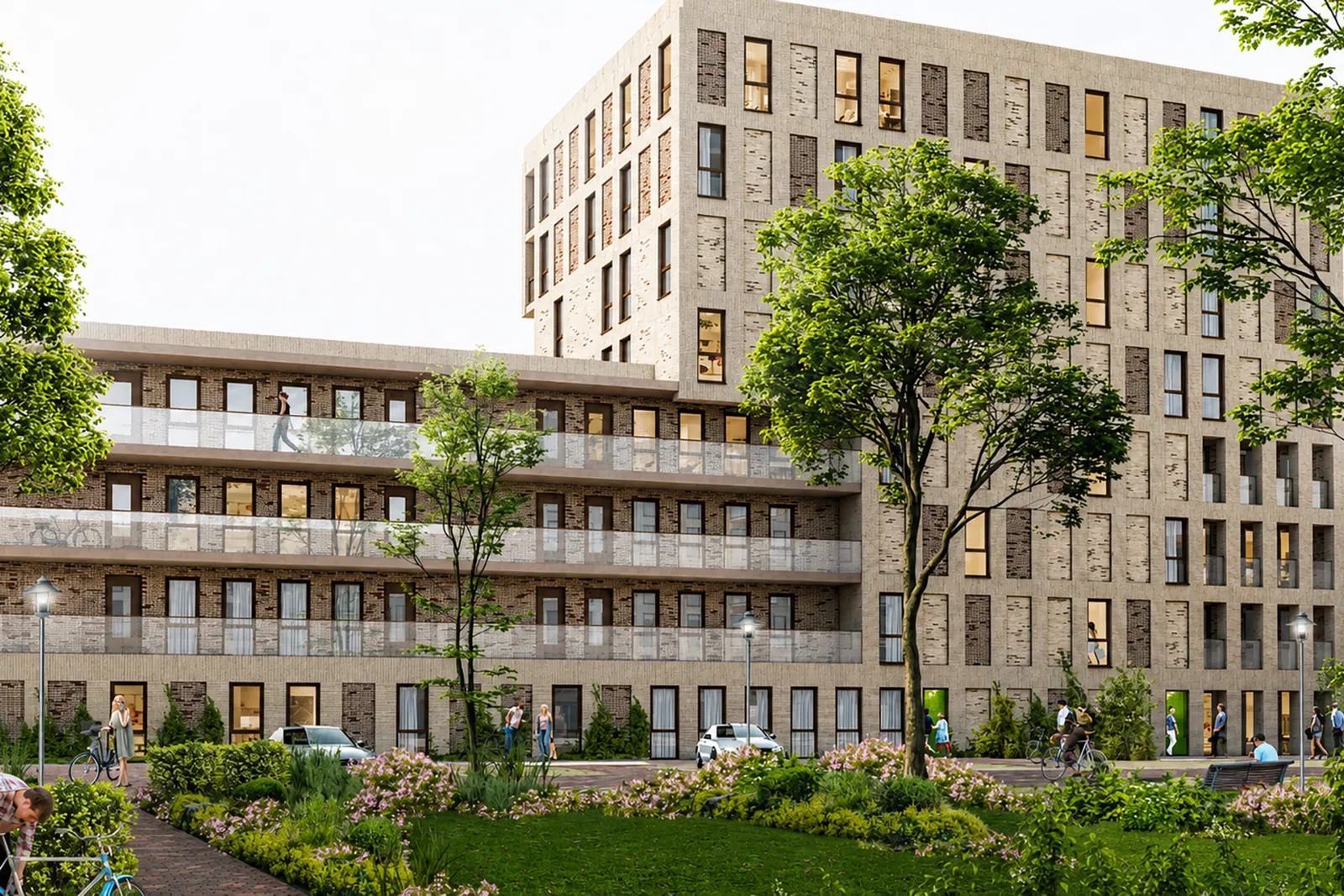
Waterland Oase has officially opened in the new-build Berkmeer complex in Amsterdam-Noord. The supported housing scheme comprises 23 self-contained social rented apartments for adults with mental health vulnerabilities. They live alongside other tenants in the complex, while also being part of an established community of residents, family members and professional support workers.
Waterland Oase offers an alternative to both traditional supported housing and fully independent living with limited floating support. Residents have their own apartment and take charge of their daily lives as much as possible. A dedicated support team from Cordaan is on site six days a week. A community coordinator, family members and residents also support one another with housing, recovery and participation in society.
Part of a mixed-use residential building
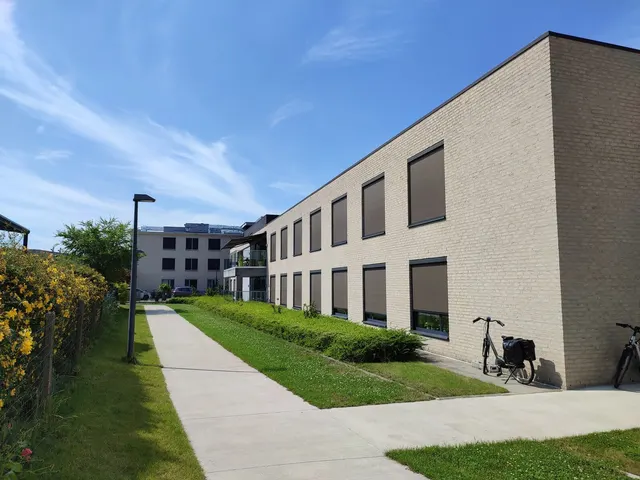
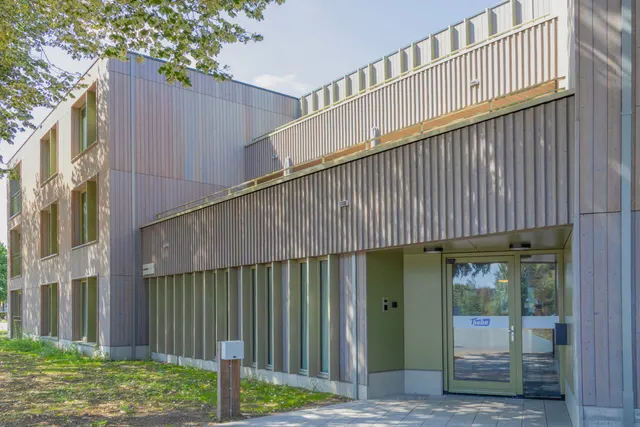
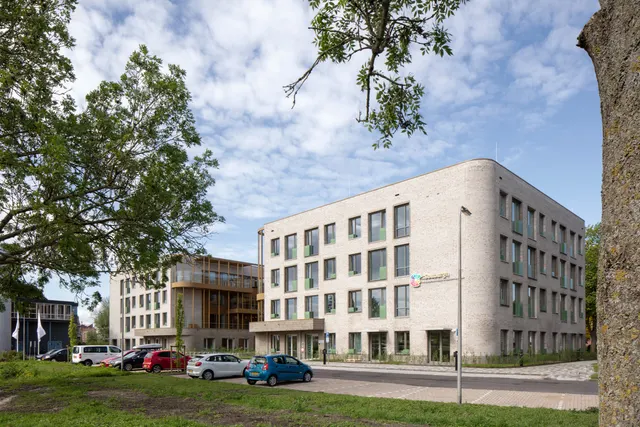
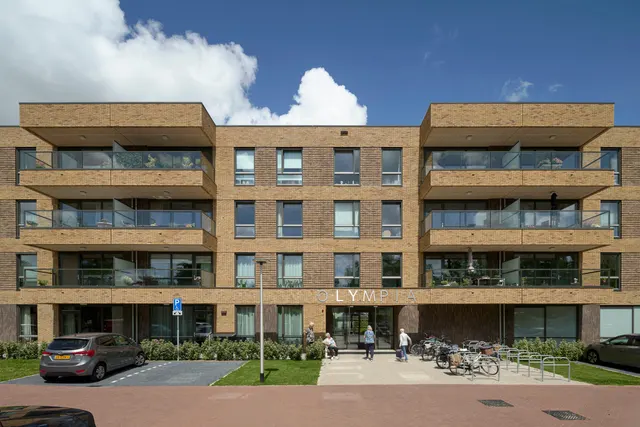
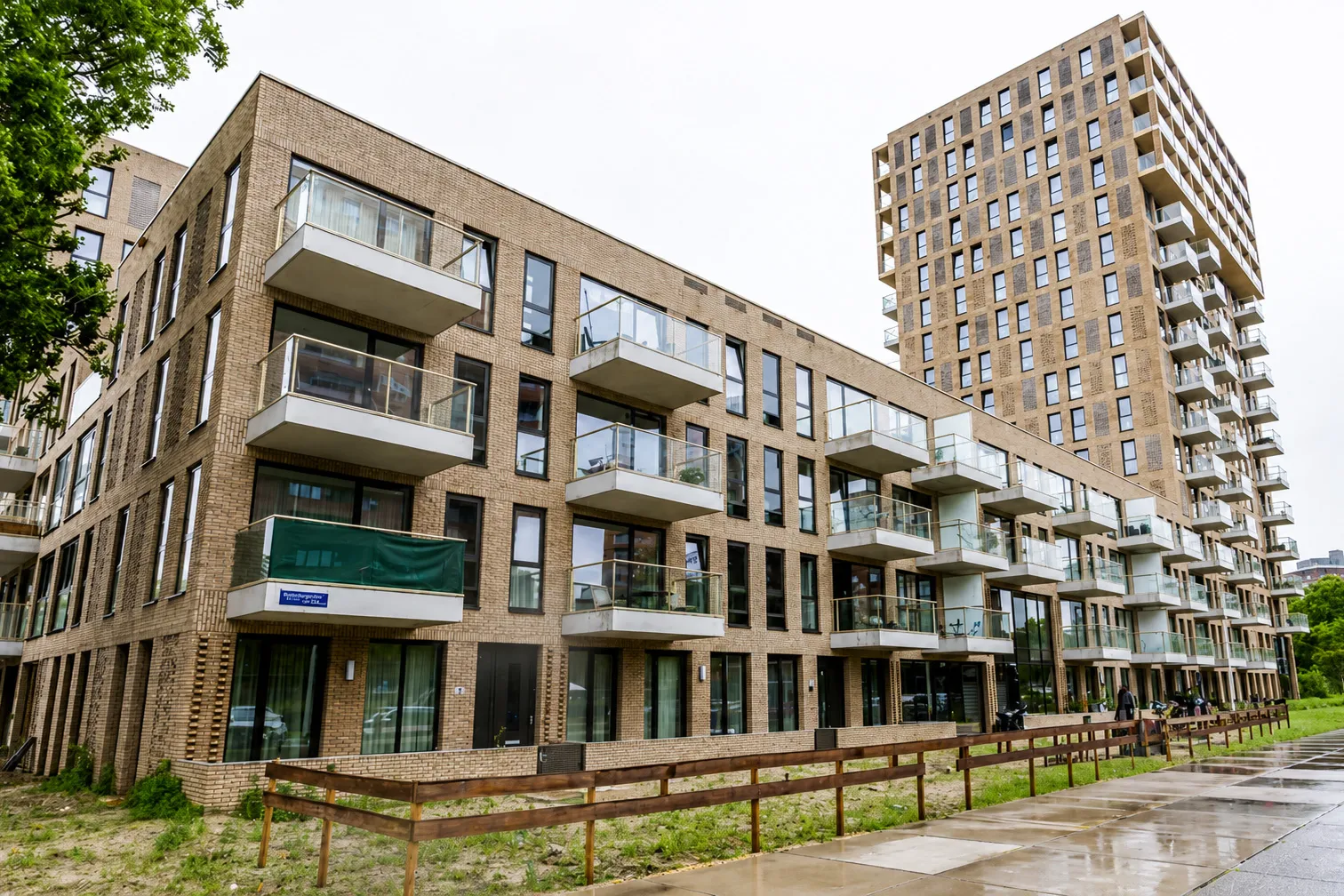
The supported housing scheme occupies the lower section of Berkmeer, a new-build project by housing association Stadgenoot on Waterlandplein. The complex comprises 257 homes: 152 social rented homes and 105 homes for sale. These include homes for young people, families, older people and residents who need support. Waterland Oase is therefore not a separate care facility, but part of a mainstream mixed-tenure residential building.
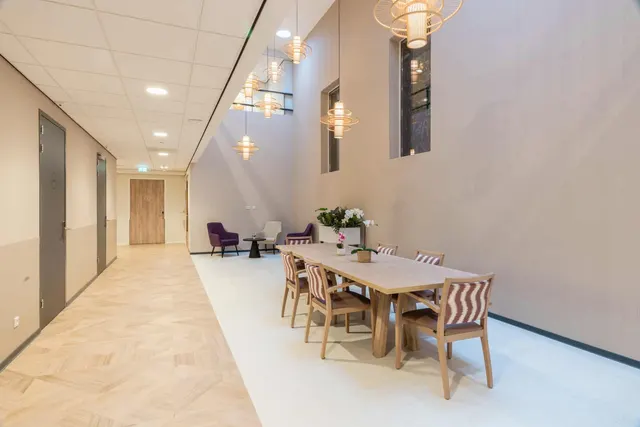
The 23 apartments are spread across three floors and are interspersed with other social rented homes. The third floor has a communal room where residents can cook, eat, have coffee and organise activities. On the second floor, a workroom has been set up for Cordaan’s personal support workers. The combination of a home of one’s own, shared facilities and support close at hand lies at the heart of the concept. Residents can retreat to their apartment, while also having easy access to others when they want company or support.
Independent, but not alone
“At Waterland Oase, people with mental health vulnerabilities live independently, but never alone,” says Mirjam van Dootingh, founder and unpaid director of Caring Communities. “Residents form a community, help one another where they can and build a safe, welcoming place in the neighbourhood.” The housing model is based on self-management. This means residents and family members are not just users of the facility, but are actively involved in organising and developing the community. Professional support remains available, but does not automatically take over. Recovery, autonomy and a sense of purpose are central.
Family members and other people close to residents also have an ongoing role. They help organise activities, cook together and can contribute to the early identification of problems. This creates a network around residents that extends beyond the formal care relationship.
Community developed before completion
The community began to take shape before the homes were completed in December 2025. For almost a year, residents and family members took part in a community development programme led by Caring Communities. This gave future residents the chance to get to know one another before moving in and to agree how to use the communal room, organise activities and support one another. The social concept was not added after construction, but developed alongside the homes. At the opening, one resident put it this way: “The community is taking shape. People know how to find one another, whether for happy occasions or for a good, honest conversation.”
A long road to delivery
The Waterland Oase was more than ten years in the making. Stadgenoot, Cordaan, Caring Communities and the municipality of Amsterdam worked together on the organisational, care-related and property aspects of the project. According to Van Dootingh, what proved decisive was the willingness of the parties involved to press on, even when difficulties arose.
“If Stadgenoot had not been willing to take the risk with us, we would never have been able to develop Waterland Oase. This opening is the result of years of effort by everyone involved, who continued to believe in this housing model.”
Stadgenoot sees the project as part of the wider challenge of accommodating different groups in mainstream neighbourhoods. “This Oase shows how it can be done: a housing model where people can live independently in a way that feels safe and welcoming,” says Jolanda Donderwinkel, the housing association’s Director of Strategy and Neighbourhoods. From 2027, a further seven homes in the surrounding neighbourhood will be added to Waterland Oase in phases. This will enable the community to grow beyond the residential block.
Third Oase in Amsterdam
Waterland Oase is the third supported housing scheme in Amsterdam to follow the Oase concept. Earlier locations are Kraaipan Oase in Amsterdam-Oost and Staalman Oase in Amsterdam Nieuw-West. At these locations too, people with mental health vulnerabilities live independently, supported by a combination of professional support, family members and a community of residents. Caring Communities aims to expand the concept further, both in Amsterdam and beyond. The organisation positions the Oases as an intermediate option between institutional living and fully independent living: offering sufficient support and social connection without allowing care to define every aspect of home life.
Olive tree as a symbol
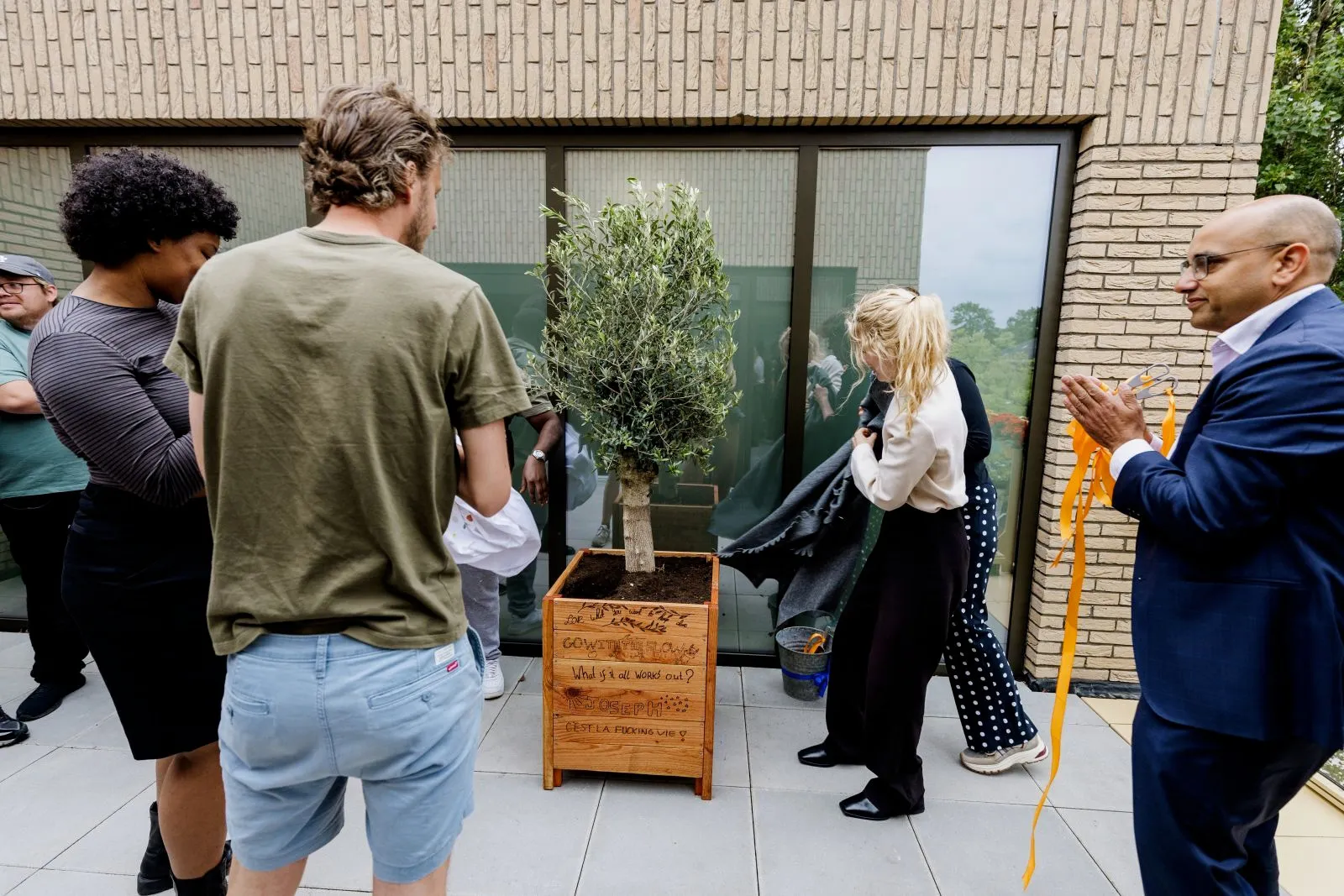
The official opening took place on Wednesday 3 June 2026. District mayor Brahim Abid unveiled an olive tree with five residents, planted in a planter made by residents and family members. A time capsule containing personal wishes and hopes for the coming years was placed in the planter. The tree symbolises the community’s continued development. For residents, Waterland Oase is first and foremost their own home, but it is also a setting where independence, support and mutual involvement are consciously brought together.
Facts & figures
- Project: Berkmeer, formerly Kubus-Katrijp
- Location: Waterlandpleinbuurt, Amsterdam-Noord
- Client and landlord: Stadgenoot
- Architect: Moke Architecten
- Contractor: Bouwbedrijf M.J. de Nijs en Zonen
- Total project area: Approximately 22,600 m² gross floor area
- Residential programme: 257 homes
- Social rented homes: 152 homes
- Homes for sale: 105 homes
- Waterland Oase: 23 self-contained apartments
- Care and support team: Cordaan
- Housing concept developed by: Caring Communities
- Construction started: March 2024
- Social rented homes completed: December 2025
- Official opening of Oase: 3 June 2026
Question about this story? Ask your question
Who worked on it
Waterland Oase in Amsterdam, new build
- Client and landlordStadgenoot
- ArchitectMoke Architecten
- ContractorBouwbedrijf M.J. de Nijs en Zonen
Keep following this
Get an email when a new story is published. No account needed.
- ProjectWaterland Oase
- ThemeHousing with care close by
- SubjectResidential care & nursing homes
- CompanyStadgenoot
- CompanyMoke Architecten
- CompanyBouwbedrijf M.J. de Nijs en Zonen