Medexs crossflow as the new standard for sterile instrument preparation rooms
Text José Mulder Beeld Medexs
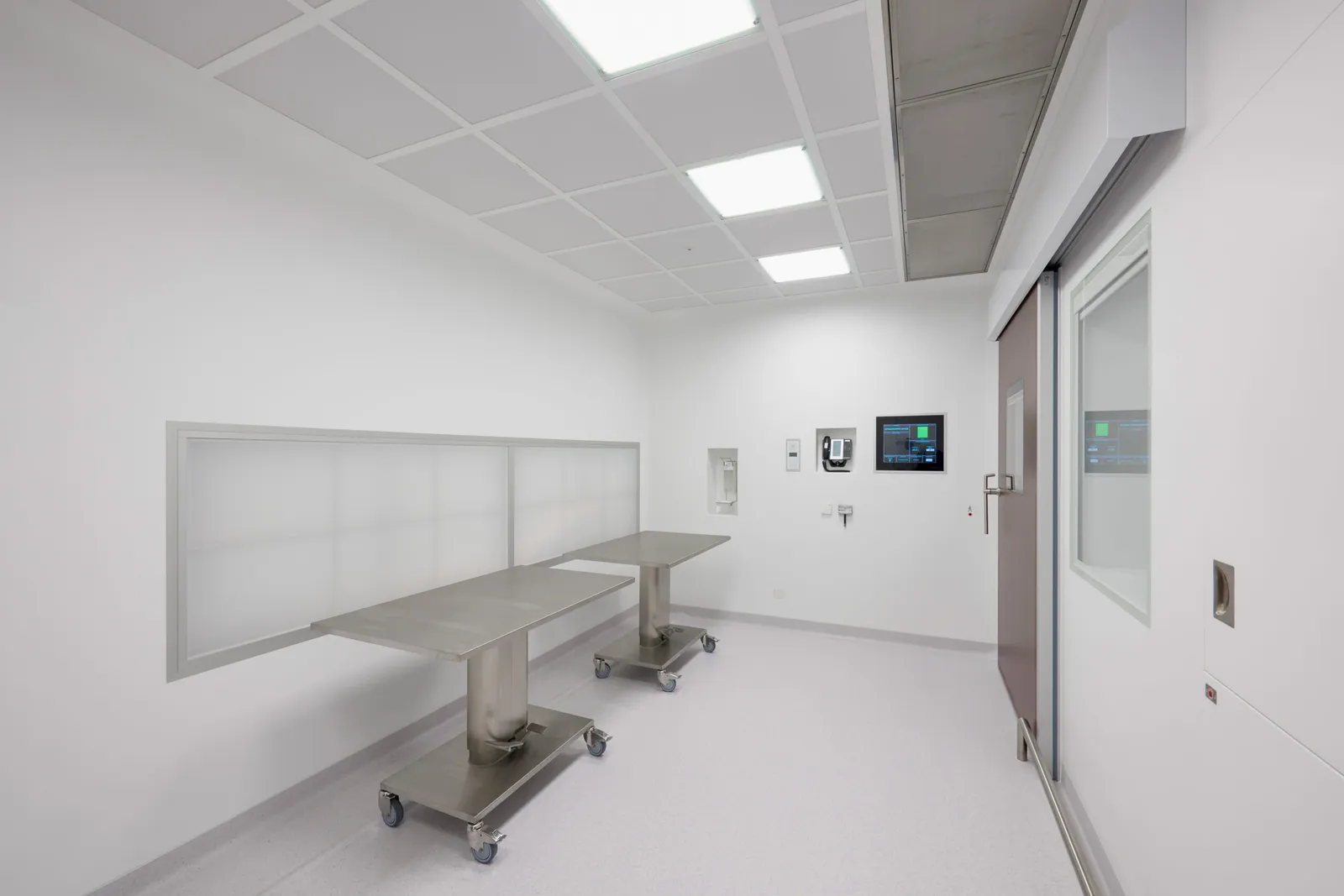
Preventing post-operative wound infections does not start in the operating theatre, but in the sterile instrument preparation room. This is where sterile instruments are unpacked and laid out for surgery. A controlled, clean (HEPA-filtered) airflow is crucial to protecting the instruments. Based in Rhenen, Medexs is one of the few specialists in the Netherlands to develop and manufacture its own horizontal plenum, known as a crossflow system. The company is seeing a clear shift from traditional ceiling systems (downflow) to horizontal airflow systems, also known as crossflow systems.
From ceiling to wall
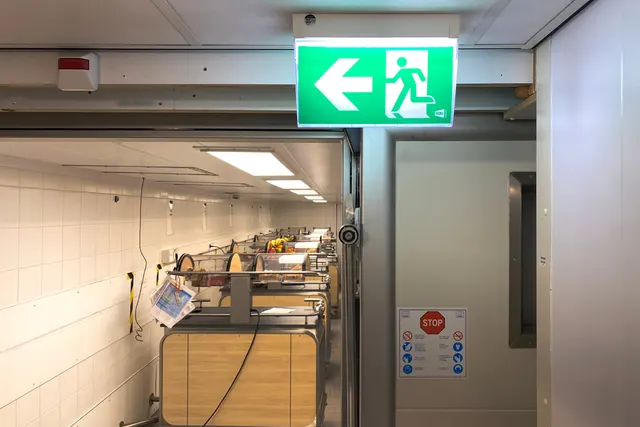
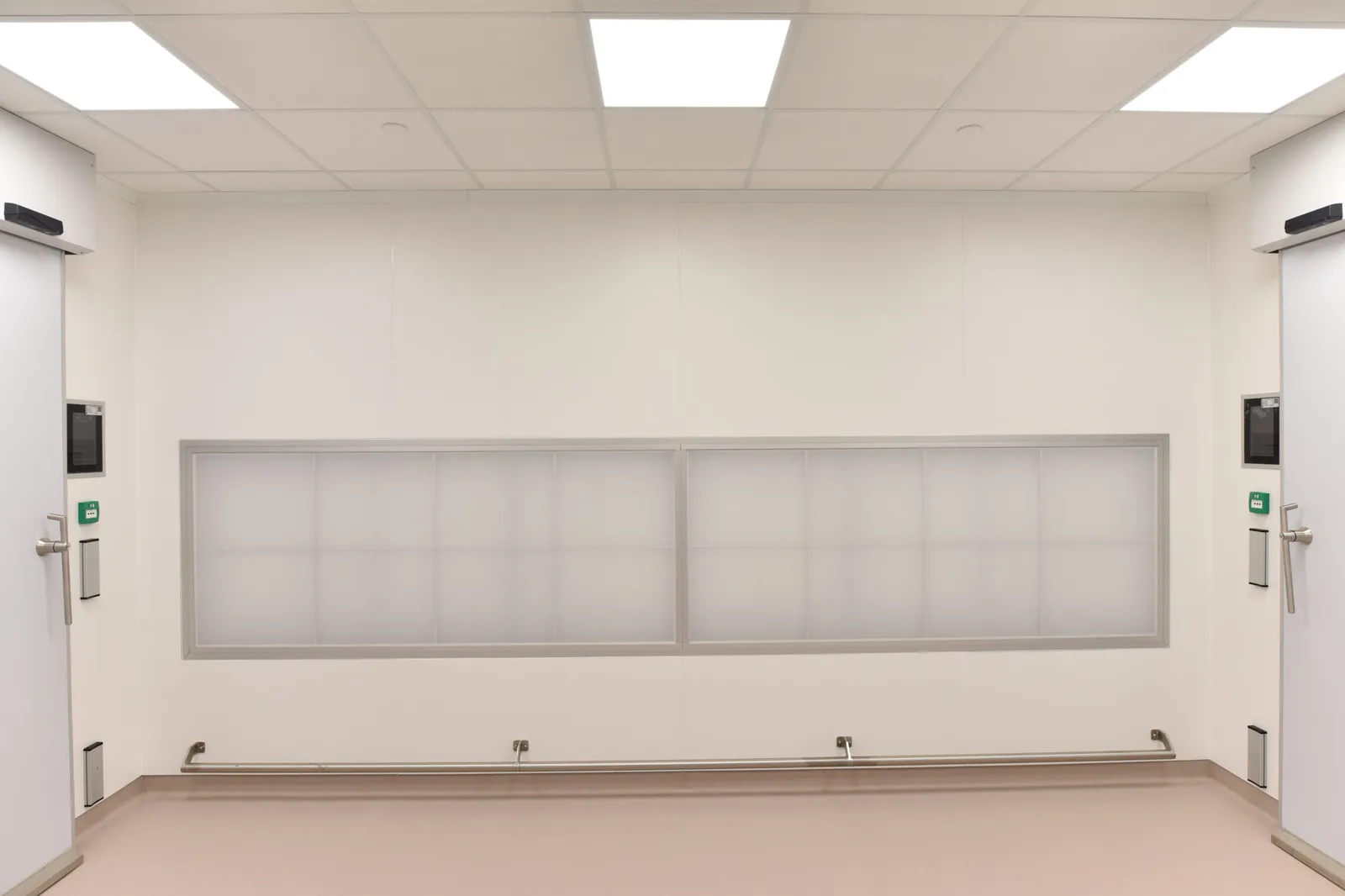
Where ceiling plenums (unidirectional airflow or downflow) were once the standard in sterile instrument preparation rooms, horizontal crossflow systems are now increasingly preferred. In a traditional system, air is blown downwards from the ceiling. With crossflow, HEPA-filtered air is directed horizontally from the wall across the instrument tables. The unidirectional, low-turbulence airflow, at a speed of approximately 0.35 to 0.45 metres per second, provides optimal protection for sterile instruments against microorganisms in the surrounding environment.
Efficiency and sustainability
The decision to switch to crossflow is often driven by efficiency. The crossflow system uses less energy because its total airflow volume is lower than that of a downflow system. Unlike downflow, it also requires no temperature difference between the supply air and the surrounding environment. The system can be turned down or switched off when the sterile instrument preparation room is not in use, and can be connected to a building management system. In addition, the installation is more compact, making it easier to fit into both renovation and new-build projects. The lower airflow requirement also allows for decentralised recirculation, reducing the amount of ductwork needed and eliminating the need for a recirculation air-handling unit in the plant room. The system is suitable for an SRI/FMS class 1+ or class 1 sterile instrument preparation room.
Technology and practice
Medexs develops and manufactures the crossflow system in-house. It consists of a stainless-steel UDAF system mounted on a table structure behind a secondary wall. Components include fans, HEPA filters with a special gel seal, air distributors and, where required, an integrated cooling coil. However, Medexs also recognises that technology alone is not enough. True safety in the sterile instrument preparation room is achieved only when technology and human behaviour work together seamlessly. The crossflow system performs optimally when the instrument tables are positioned within the boundaries of the air discharge field. The supply air height is therefore carefully matched to the table specifications in advance. Staff discipline is also a critical factor. Keeping the air outlet clear of obstructions and avoiding fast, uncontrolled movements are essential to maintaining the ‘sterile’ zone.
Smart and future-ready
Medexs is an expert in delivering operating theatres, including hybrid theatres, sterile instrument preparation rooms, cleanrooms, laboratories and complete hospital facilities. It draws on specialist knowledge and years of experience to deliver classified rooms and buildings. Projects are managed from design and engineering through to construction, validation and maintenance. The shift towards crossflow technology in sterile instrument preparation rooms shows how smart, autonomous technology can optimally support healthcare processes and ensure maximum ‘sterility’ where it is needed most.
Een zakelijke vraag aan Medexs? Get in touch
Companies in this story

Keep following this
Get an email when a new story is published. No account needed.
- ThemeSafe and reliable healthcare buildings
- SubjectTechnology
- CompanyMedexs