Why access management is becoming essential in modern healthcare
Text Tamara Brouwers Image Salto Systems
In 2025, healthcare organisations must be able to demonstrate how they manage safety, access and responsibilities. Legislation and regulations on privacy, information security and quality of care require institutions to document and control their processes. This obligation is enshrined, among other places, in NEN 7510, the Dutch standard for information security in healthcare, which aligns with the international standard ISO/IEC 27001.
At the same time, care teams are working with changing staff, staff shortages, multiple sites and a growing share of community-based care. This means access is directly linked to who is working, where care is provided and at what time. Access management is no longer a facilities task, but a crucial part of the care process, with a direct impact on workload, the risk of errors and continuity.
Salto Systems sees this shift most clearly in nursing and care homes. More and more institutions are switching to role-based access management, in which access is determined automatically based on role, location, shift and permissions. This links to existing HR and scheduling systems and reduces reliance on manual administration. The result: fewer administrative tasks, fewer errors and more time for care.
From managing passes to role-based access
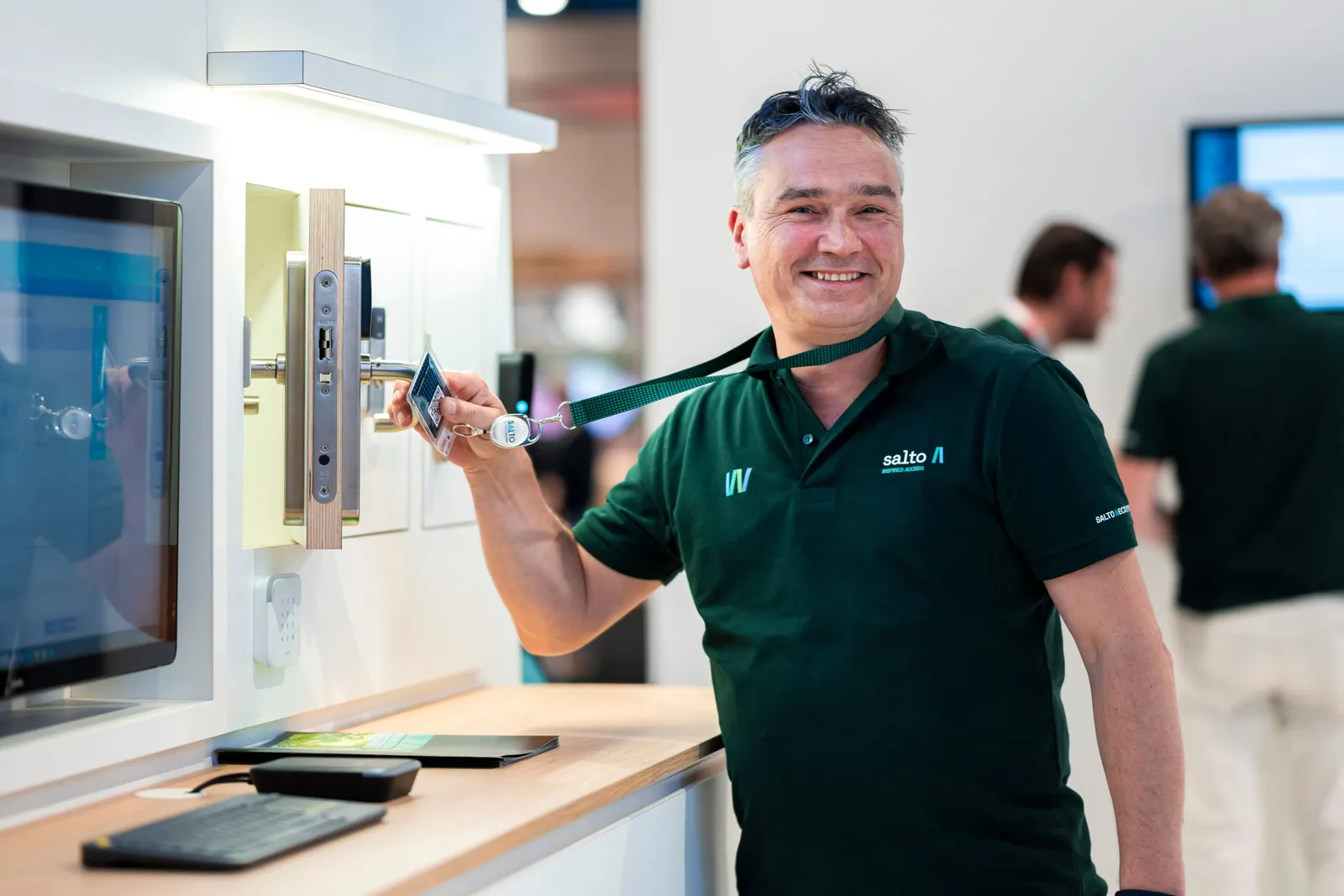
For a long time, access management in many healthcare institutions was handled locally. “A PC by the entrance, issuing passes and changing permissions manually,” says Pieter van Liebergen, Business Development Manager for Healthcare. “That worked as long as organisations were straightforward. With mergers, multiple sites and many temporary staff, that model is no longer sustainable.”
By linking access to a source system, such as HR or scheduling, staff automatically receive the right permissions. “Permissions should follow from the care process. That reduces administration and lowers the risk of errors.” According to Salto Systems, this saves time particularly in administration and prevents retrospective corrections, especially in organisations with frequent staff changes.
Demonstrable compliance as a requirement
The emphasis on demonstrable compliance is growing. “Standards such as NEN 7510 have been around for a long time, but they are now being monitored more actively,” says Van Liebergen. “Particularly at larger organisations. If you have thirty or forty sites and thousands of employees, you need to be able to show how access and permissions are managed.” This also concerns physical safety and medication management. “You need to know exactly whether a care worker has access to opiates, when that access applied and on what basis. Not because you distrust people, but because professional practice requires auditable processes.” Setting up these controls in advance reduces the administrative burden afterwards and helps teams work with greater peace of mind.
Safety and freedom: the Care and Compulsion Act
Care homes and hospitals are partly public buildings, but they also house vulnerable clients. This calls for solutions that combine safety and freedom without adding to the burden on care staff. “You want to give residents as much independence as possible, while also protecting them,” says Van Liebergen. “And it should support the nursing team’s work, not make it more complicated.” Automation plays a role here. Linking access control to care technology, such as wandering detection and alerts, reduces the need for manual intervention. One current example is access to a resident’s own flat within a nursing home. “Residents and nursing staff need to be able to get in, but other clients should not. Tags or wearables let you manage that automatically. Nursing staff do not have to intervene all the time, while the client retains freedom of movement.”
According to Van Liebergen, this mainly brings greater peace of mind in day-to-day practice. “Systems take over some of the monitoring, so care workers have less checking to do and more time for care and attention.”
Community-based care as a litmus test
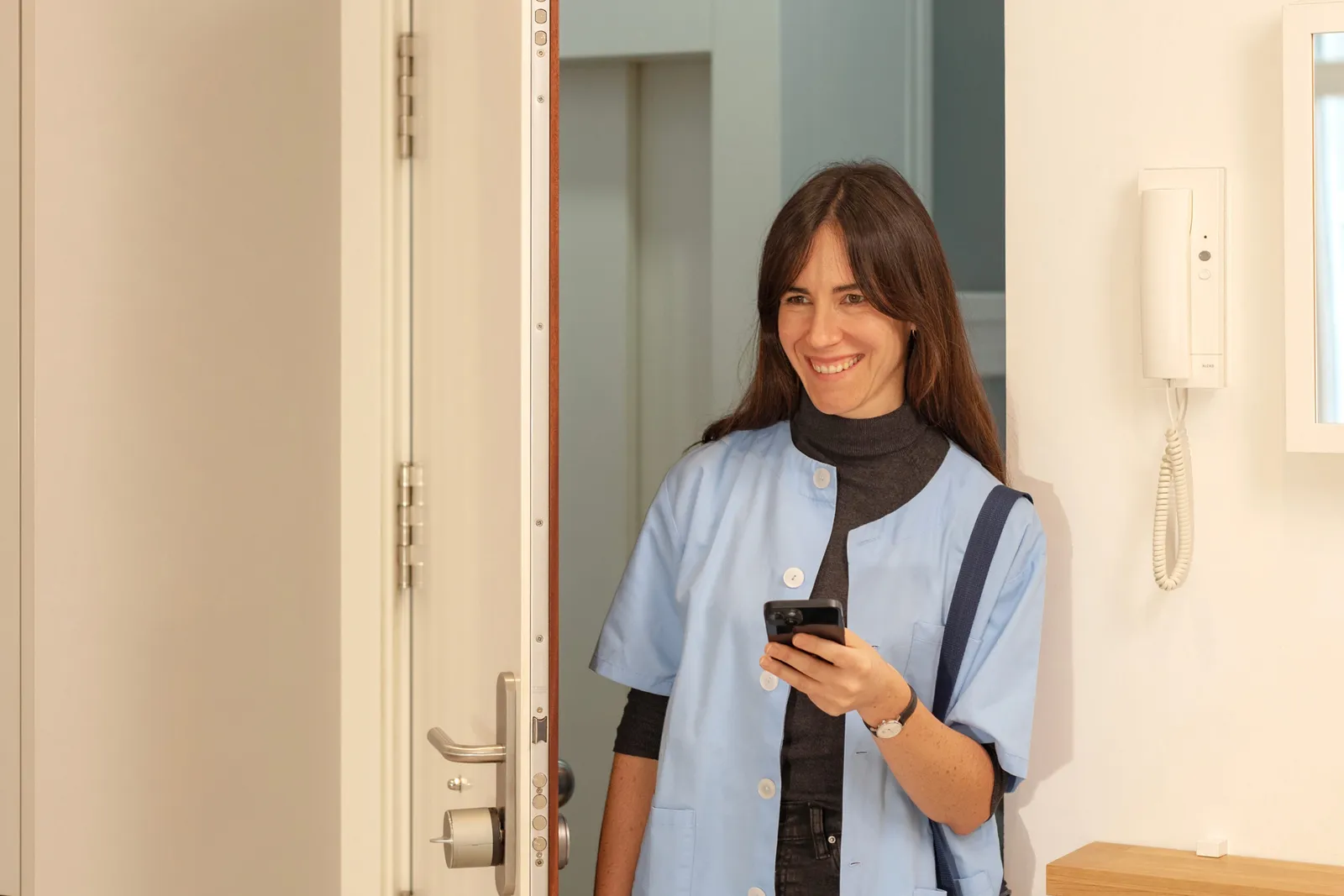
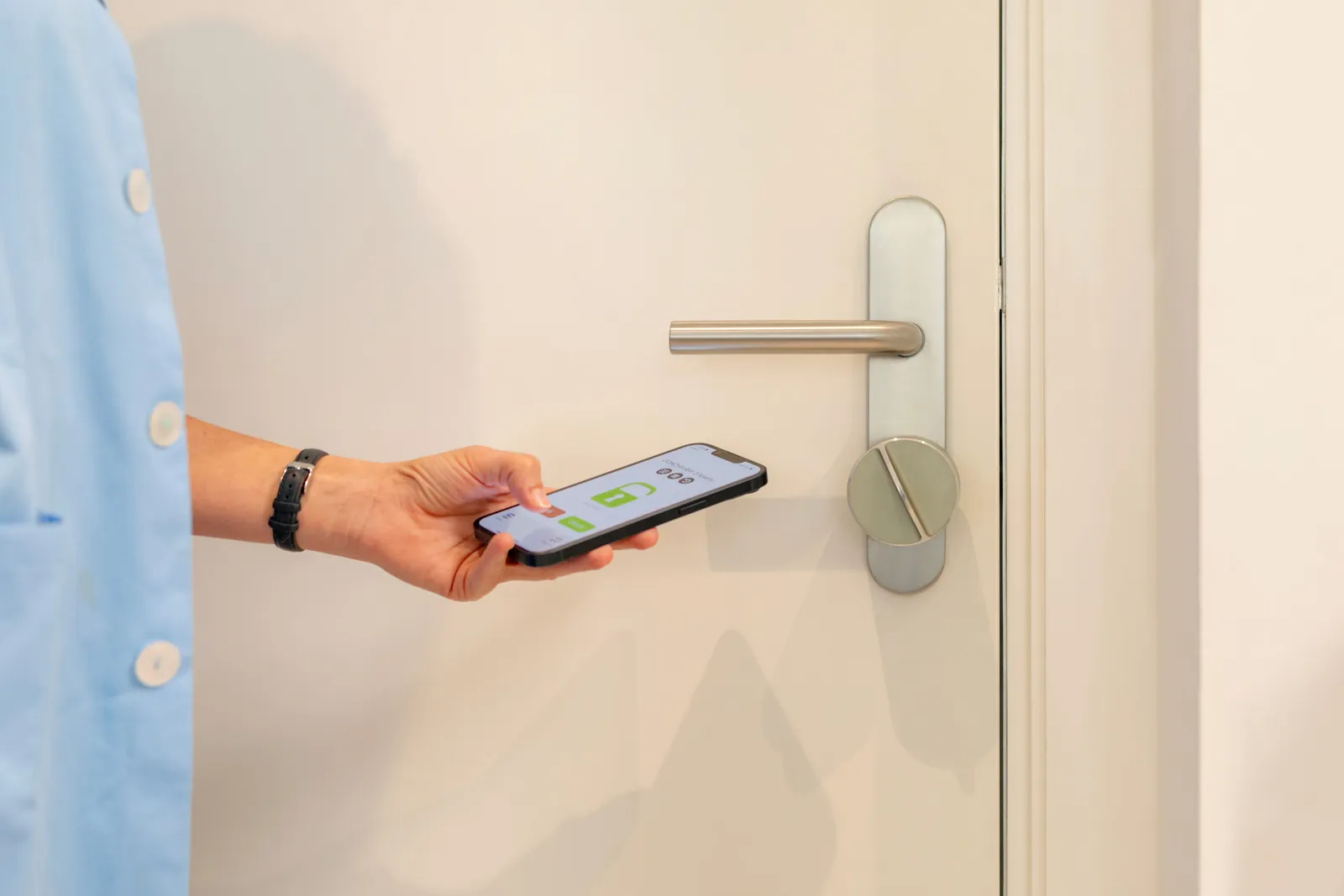
The value of well-managed access is most apparent in home care. Several care workers need safe, temporary access to a client’s home, often amid frequent staff changes. “That is exactly where you see how important it is to manage access accurately and in an auditable way,” says Van Liebergen. “It prevents risks, reduces administrative burdens and gives busy teams peace of mind.”
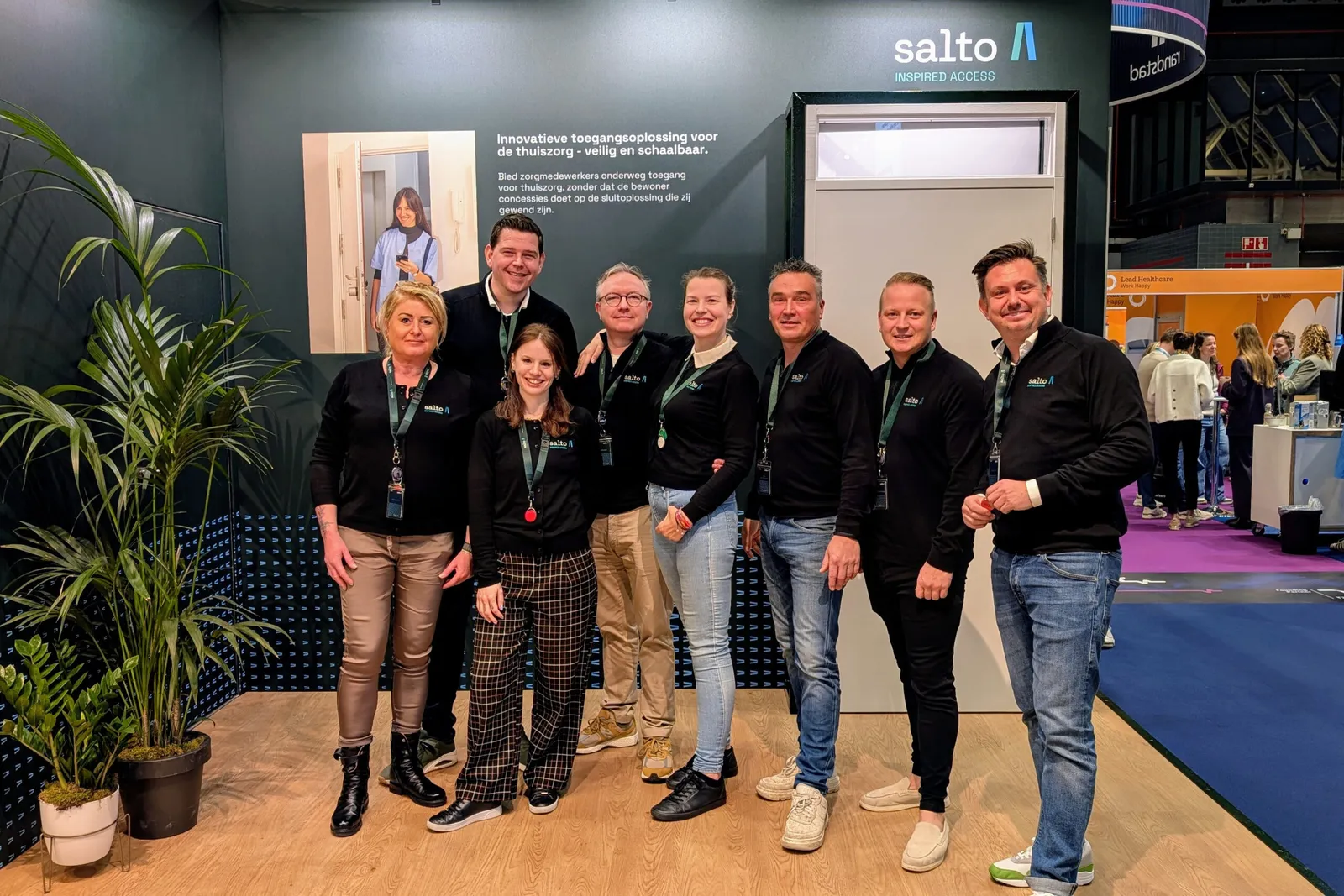
Salto Systems will be exhibiting at Zorg & ICT 2026 this year. Not just to showcase solutions, but above all to discuss access management as part of care processes. “This is a way to reduce workload, manage risks and free up time for care. We look forward to seeing visitors at our stand!”
A business enquiry for SALTO Systems? Get in touch
Companies in this story
Keep following this
Get an email when a new story is published. No account needed.
- ThemeSafe and reliable healthcare buildings
- SubjectTechnology
- CompanySALTO Systems