The user drives cleanroom design
Text Tamara Brouwers Beeld Cleanroom Combination Group
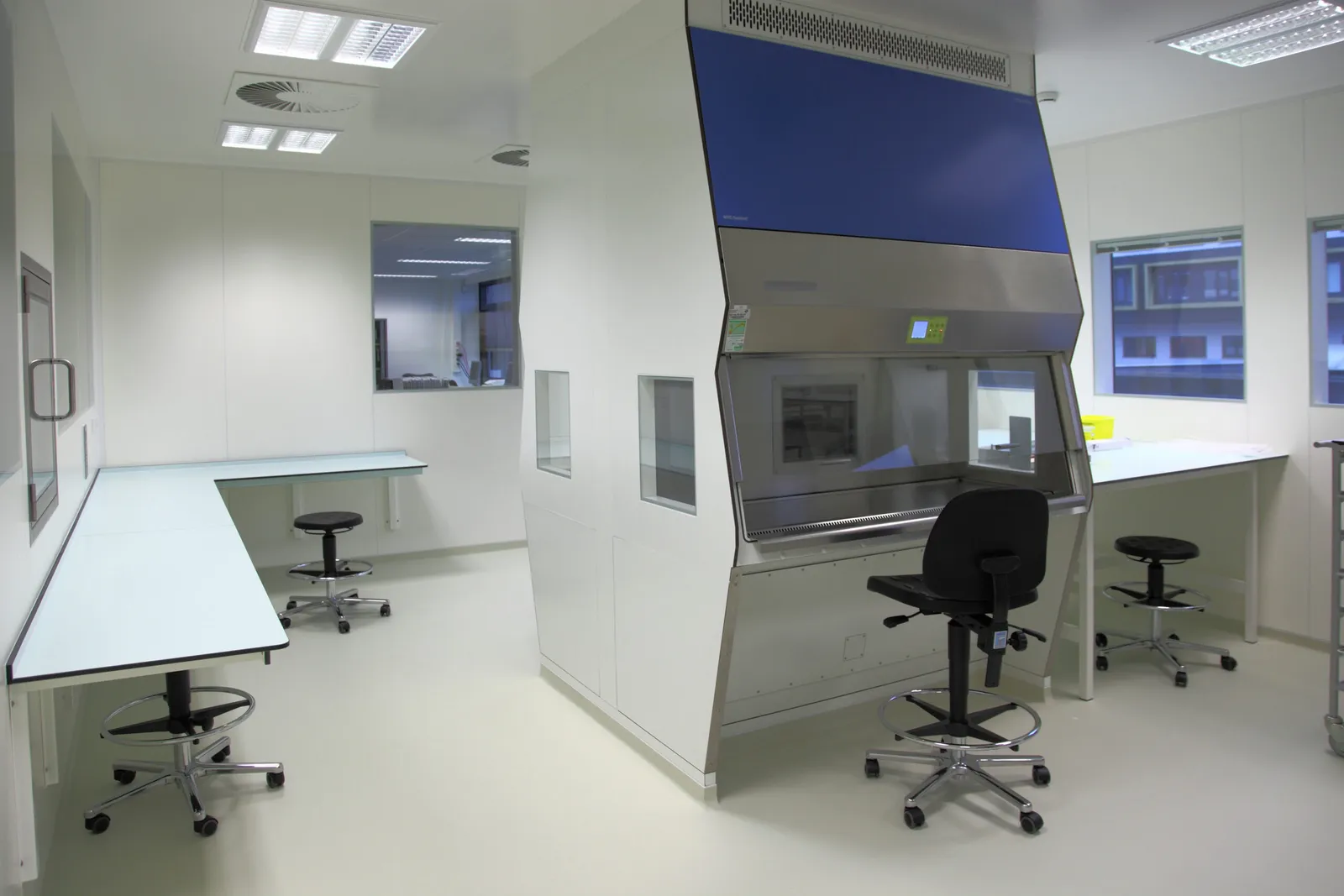
How clean a space needs to be, what equipment it will contain and how staff will work in it: according to Cleanroom Combination Group, these questions must be answered before a cleanroom can be designed. Work processes provide the starting point, after which building and building services requirements are translated into a practical space.
“Work processes and procedures guide the design,” says Marco de Bruijn, who is responsible for sales at Cleanroom Combination Group. “It is important to know which materials can and cannot be used, how spaces will be disinfected and what level of airtightness is required. Room pressures and temperature also play an important role. All these requirements must be set out before you can start designing.”
To establish these starting points clearly, CCG brings together consultants, architects, building services engineers and users at an early stage. This provides the basis for a Schedule of Requirements, which sets out both the technical parameters and the desired work processes. This then forms the basis for the design and construction of the cleanroom.
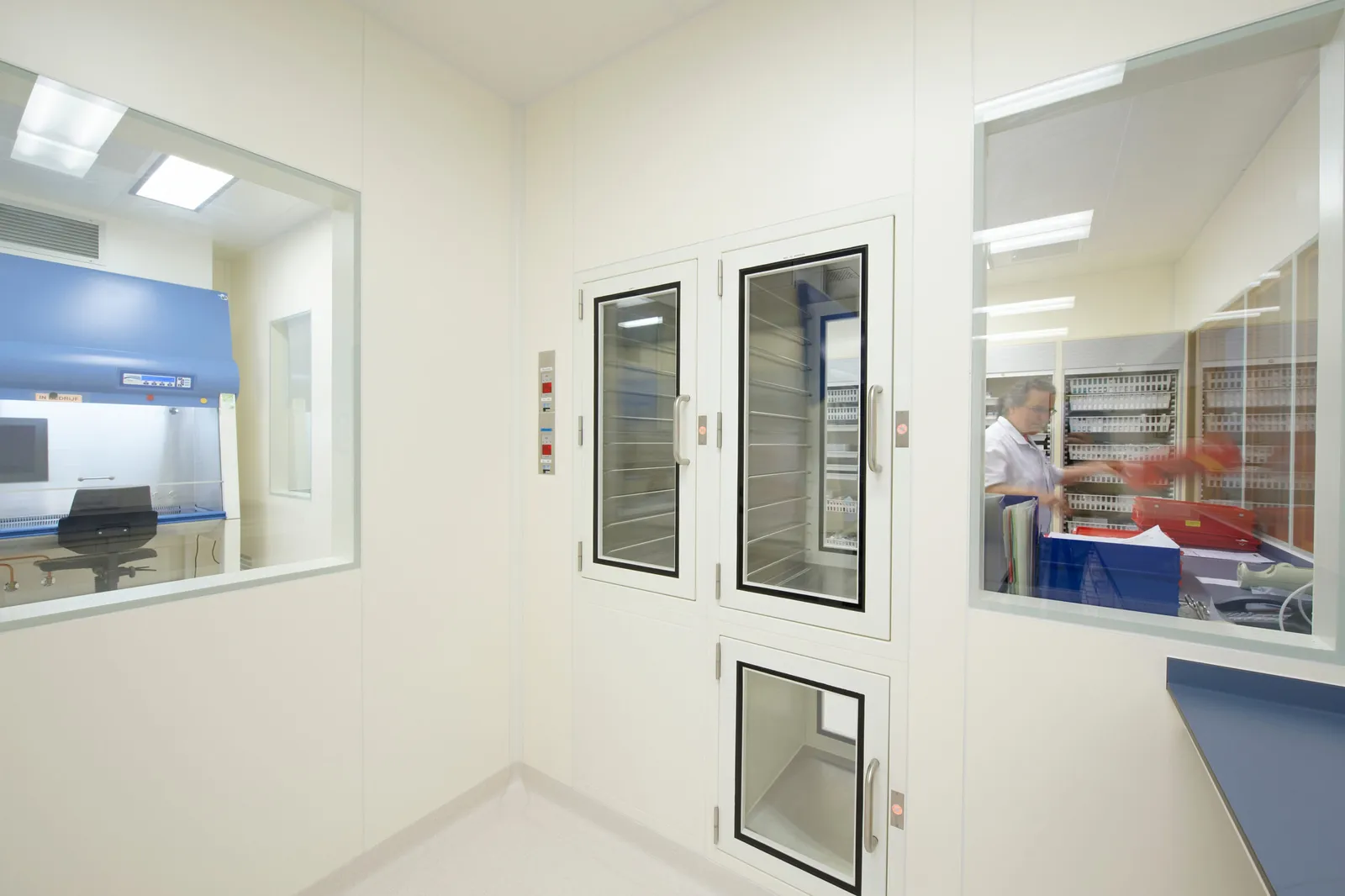
Involving end users early
According to De Bruijn, end users are not always involved early enough in the design process. Their knowledge of day-to-day practice can prevent many problems, he says. “The facility will need to serve for many years once it is completed. That is why we believe it is important for the end user to contribute to the design and put forward their requirements. We prefer to communicate directly with the specialists themselves.”
He says this involvement is essential because many decisions are difficult or costly to change later. “The quality of a cleanroom is largely determined during the requirements-gathering phase and when drawing up the Schedule of Requirements. If certain requirements or work processes only come to light during construction, this often leads to delays or additional costs.” CCG therefore regularly forms part of the construction team in the pharmaceutical and biotechnology sectors. “By contributing during the design phase, technical, building and user requirements can be better aligned.”
No off-the-shelf solution
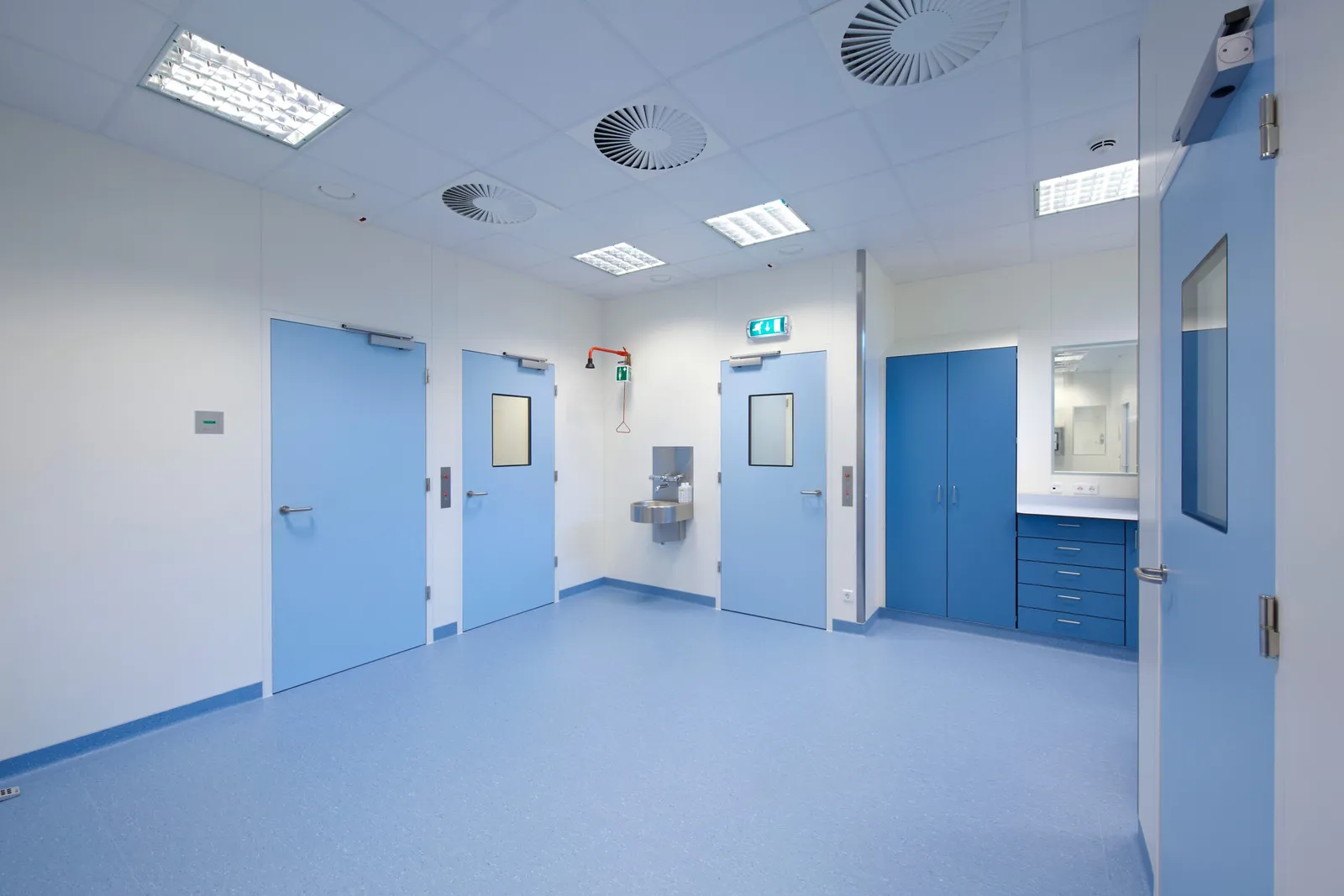
There is no universal solution in the cleanroom sector, De Bruijn stresses. “Each application has different requirements for materials, detailing and equipment integration. A designer comes up with smart ideas and solutions, a cleanroom contractor delivers them, and we bring these aspects together. This shortens the design and construction process, saving the client time and money.”
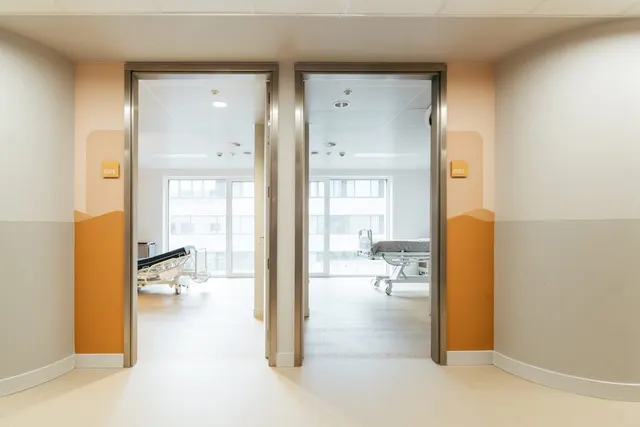
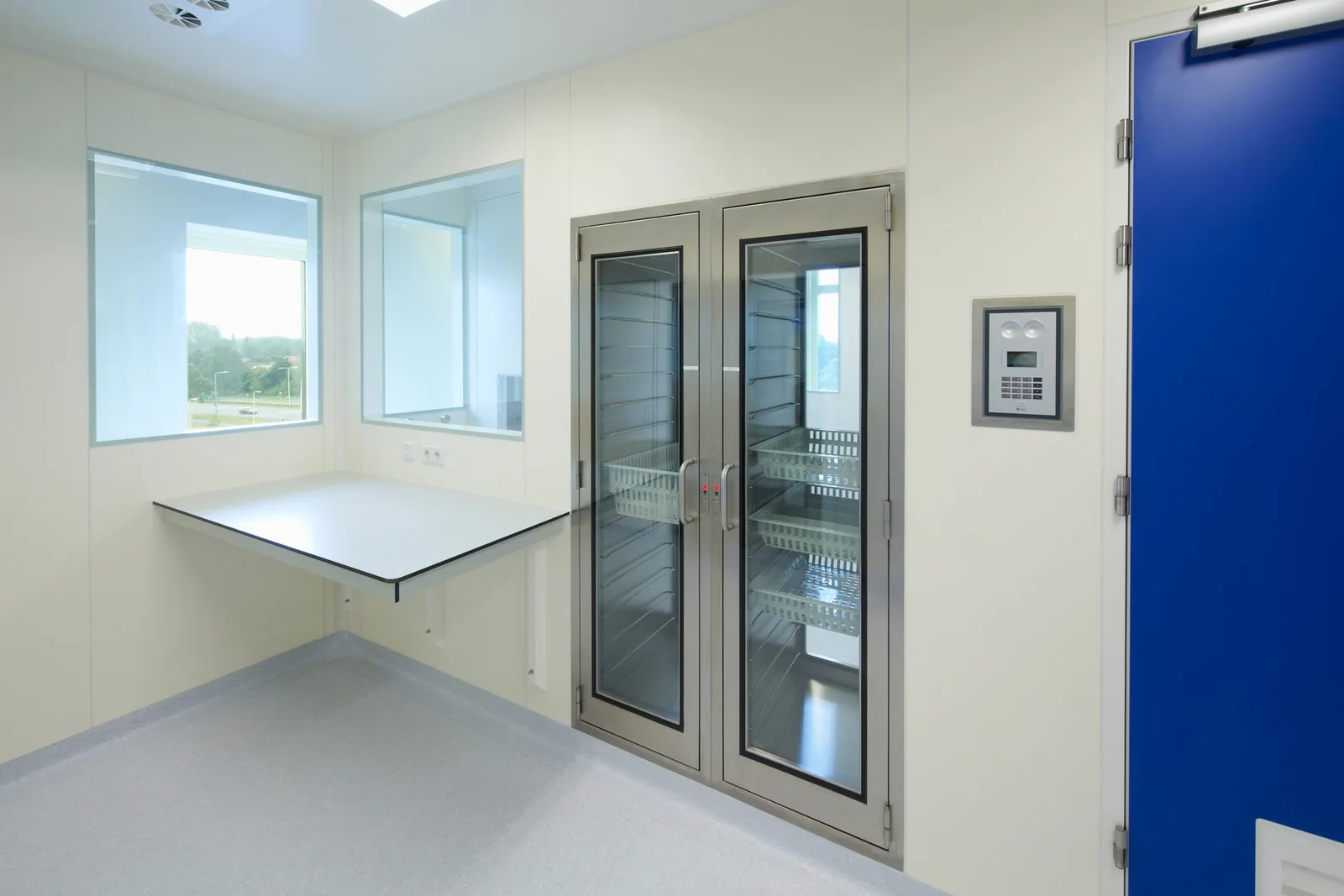
This bespoke approach is evident in a range of applications. Integrating a warming cabinet into an operating theatre, for example, calls for different solutions from those required for specialist equipment in a laboratory or pharmaceutical setting. “The choice of wall, floor and ceiling systems also depends on the requirements for the space.” A key principle is that the space must be easy to clean and able to withstand intensive use and disinfection. This affects the detailing, choice of materials and way in which services are integrated. Equipment, control panels and connections, for example, are built in flush wherever possible. This creates spaces that are easier to clean and maintain.
Innovation in materials and detailing
Cleanroom design continues to evolve. Manufacturers, suppliers and designers are constantly working on improvements to materials, finishes and technical solutions. “Sometimes this means materials that are more resistant to aggressive cleaning agents, and sometimes it means better detailing or smarter equipment integration. As a specialist, it is important to drive these improvements and integrate new developments effectively.” According to De Bruijn, the responsibility does not end when the project is handed over. Maintenance also plays an important role in preserving a cleanroom’s performance. “Clients do not always have all the specialist expertise in-house. We believe this responsibility should rest with a single party as far as possible, from engineering and construction through to maintenance.”
Have a business enquiry for CCG Holding? Get in touch
Companies in this story

Keep following this
Get an email when a new story is published. No account needed.
- ThemeSafe and reliable healthcare buildings
- SubjectInteriors
- CompanyCCG Holding