Autonomy as therapy
Text Gortemaker Algra Feenstra (GAF) architects Beeld Lucas van der Wee en GAF
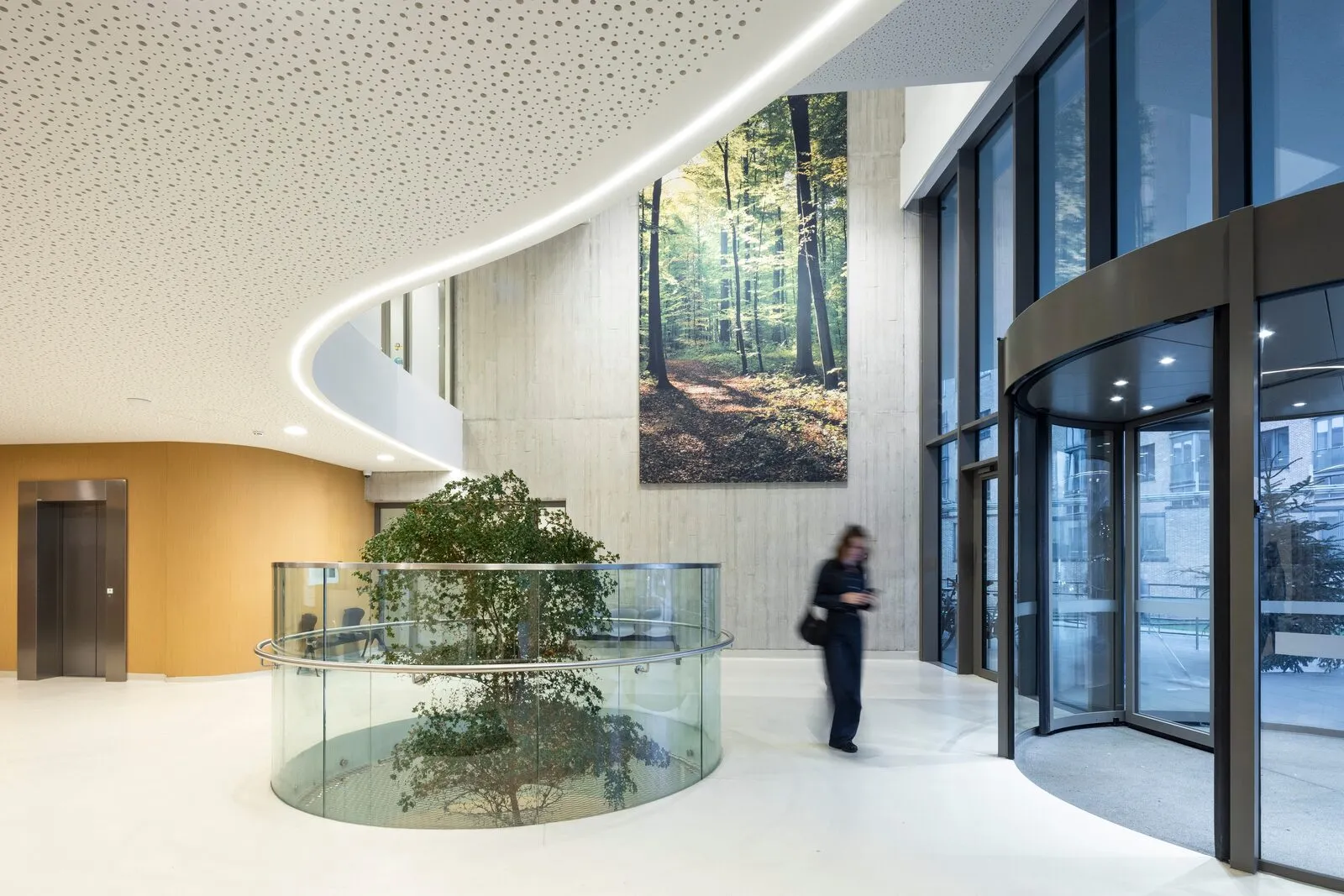
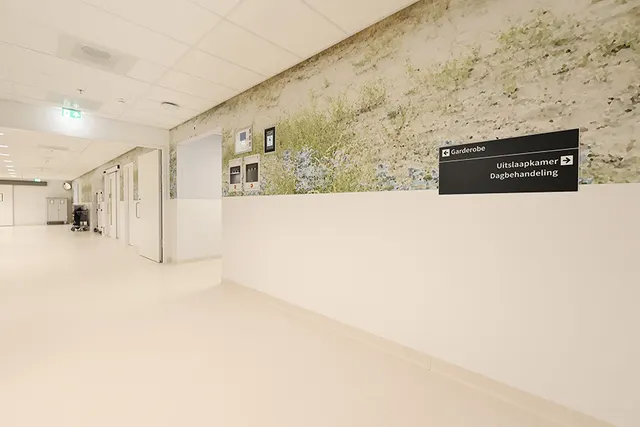
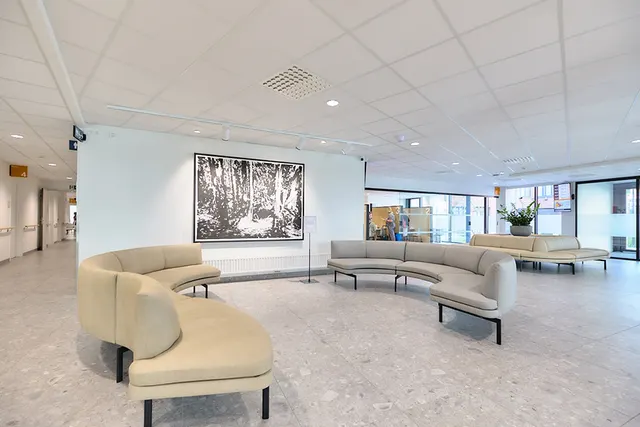
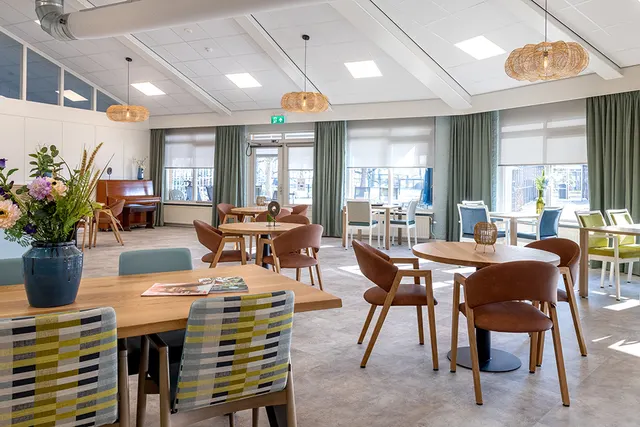
Long corridors, little daylight and limited opportunities to go outside. Looking at some secure care settings, it is worth asking how far the environment contributes to the wellbeing and recovery of the people who live and work there. When people spend a long time in a care setting, architecture has a major influence on their everyday lives and recovery.
The built environment shapes how people move, experience spaces and relate to their surroundings. Guided by this belief, Gortemaker Algra Feenstra architects designs care settings that actively contribute to recovery, autonomy and a humane approach to care.
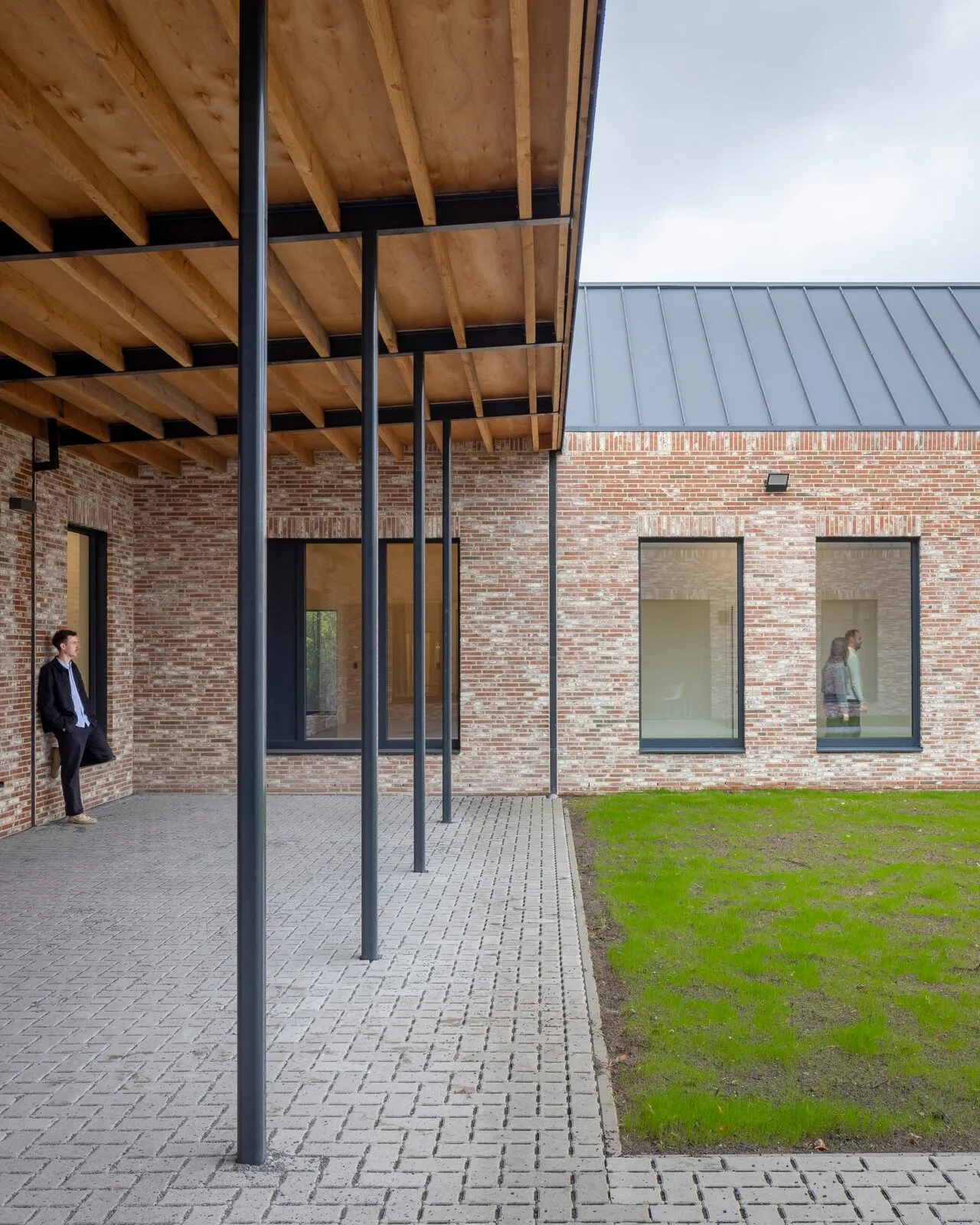
Safety and space to make your own choices
Architecture for people with mental health conditions calls for a specific approach. Many clients stay for a long time in an environment they have not chosen themselves. This places a great responsibility on the architect. A building must not only provide safety, but also support people in their daily lives and give them space to make their own choices.
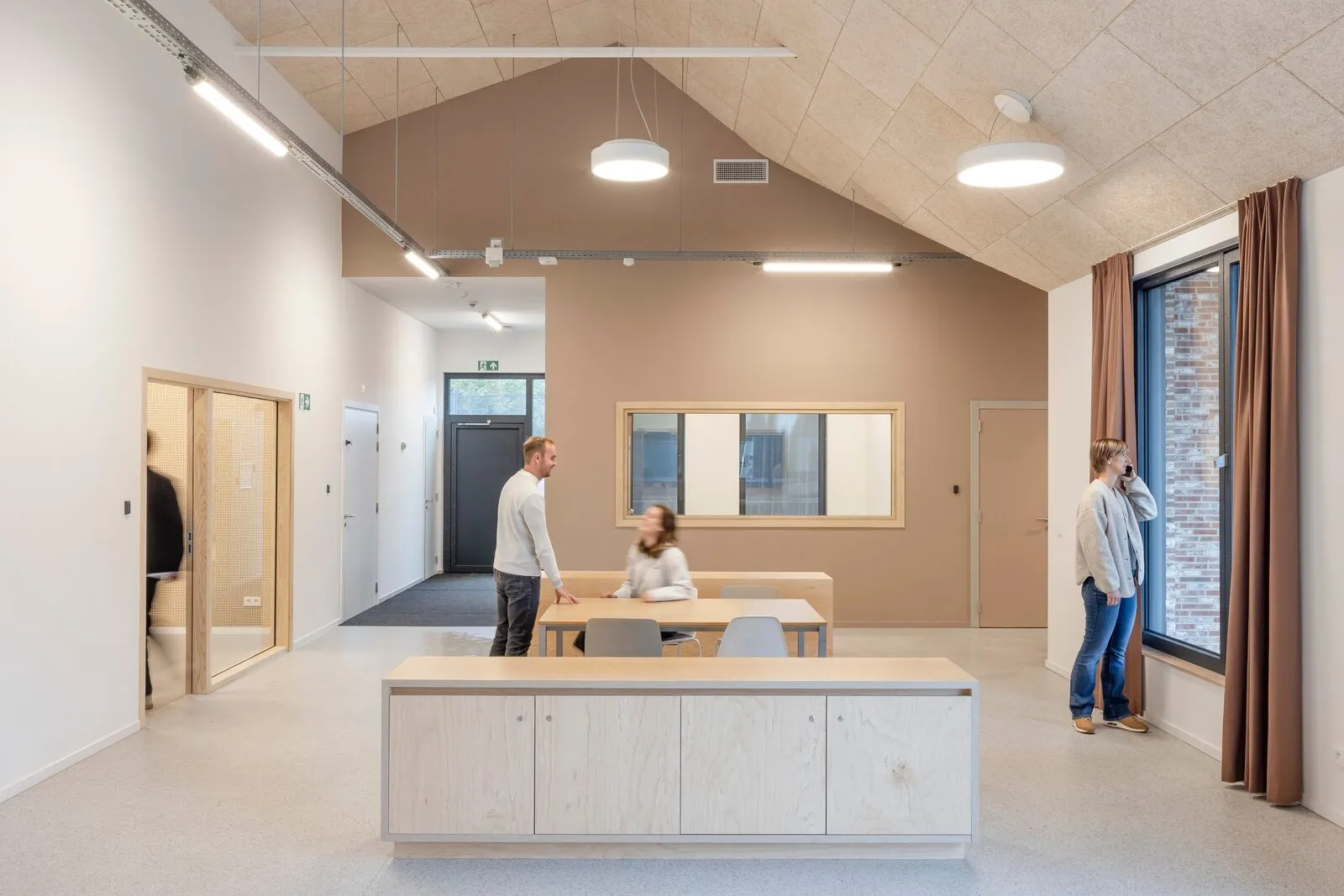
Environmental psychology as a foundation
Good design starts with knowledge. Research, experience and insights from environmental psychology help us understand how the built environment influences behaviour, stress, movement and social interaction. This knowledge forms the basis of the design process. Every decision affects how people experience their surroundings, from sensory details such as daylight and material choices to circulation, the connection with the outdoors and spaces for social interaction.
Autonomy plays an important role in this. A building can give people the space to make their own choices: where to spend time, how to move around, and when to seek quiet or connect with others. This freedom of choice strengthens their sense of control and contributes to recovery. In this way, architecture becomes more than a safe environment. It gives people the space to shape their daily lives and recovery for themselves.
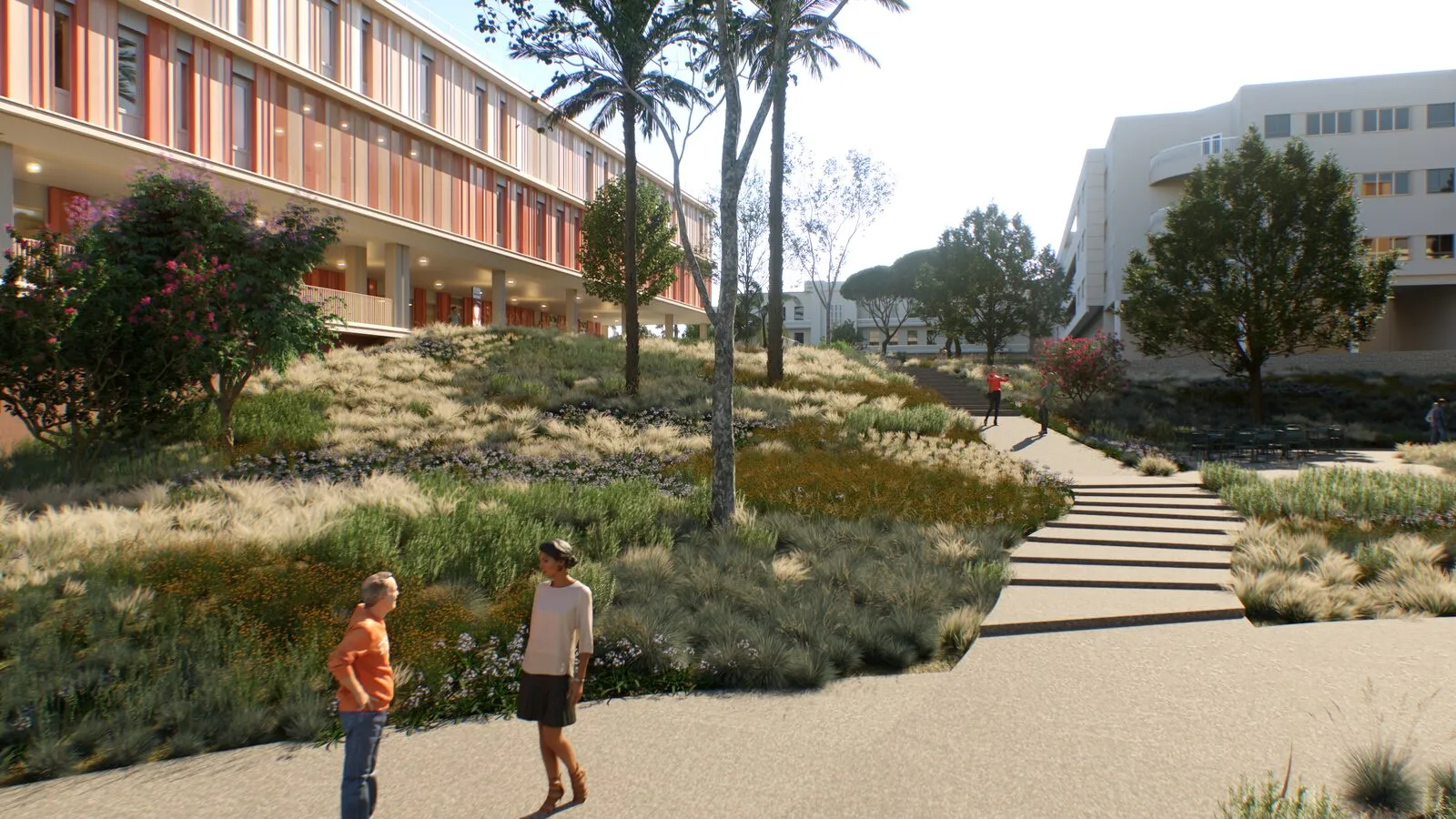
From secure campus to green care setting
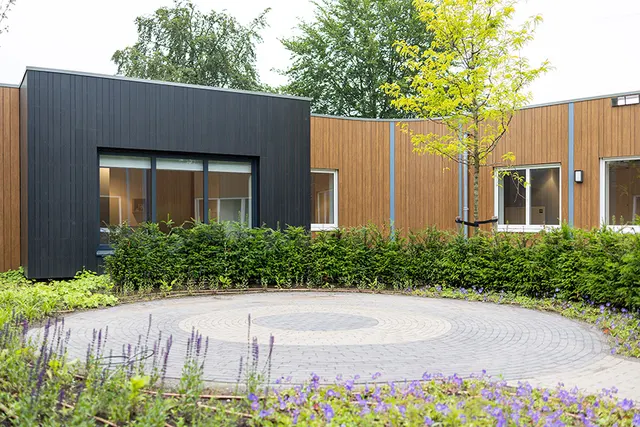
The challenge is to find a new balance: an environment that provides protection where needed while also allowing room for development. A well-designed building supports not only clients, but also staff, by providing clear sightlines, strengthening care processes and preventing restrictive measures wherever possible. Gortemaker Algra Feenstra architects gives this vision a distinct interpretation in every project. At Campus De Hutten in Mol, the focus is on young people’s world. On this campus, young people live in a secure environment and receive guidance as they work on their mental health, behaviour and personal development. Living, learning, sport and relaxation come together in an environment that encourages movement and exploration. Around the central square, green outdoor spaces, sightlines and intuitive routes create a sense of openness and space, while private studios and sheltered areas offer privacy and tranquillity.
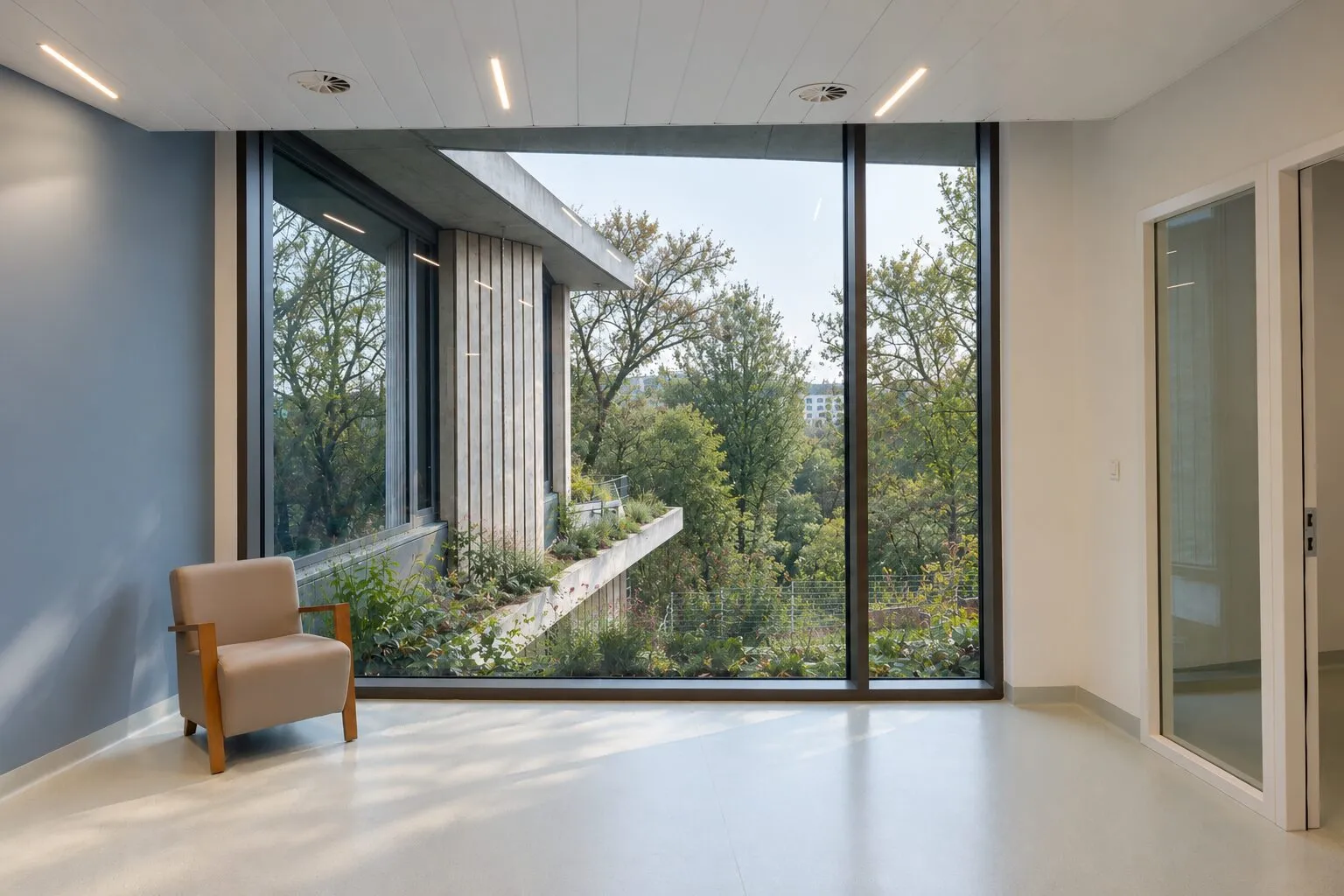
Daylight, nature and clear sightlines
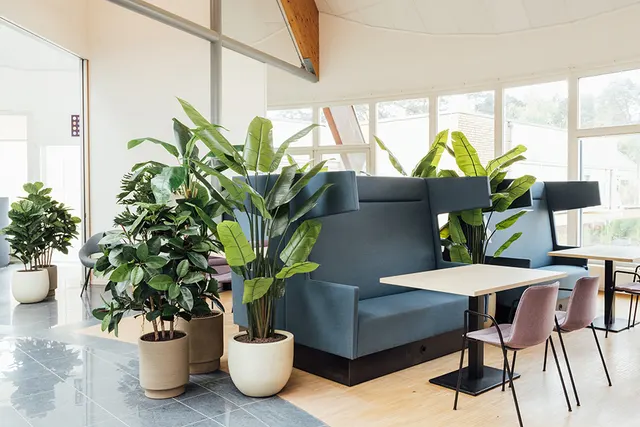
The relationship with the surroundings also plays an important role. Nature, daylight and orientation directly affect how people feel and behave. At Institut de Psychiatrie Intégré (IPI) in Brussels, the landscape is therefore an active part of the care setting. Patios and courtyards provide calm and orientation, while glazed façades and green façades strengthen the connection with the outdoors. Nature here is not a backdrop, but part of everyday life.
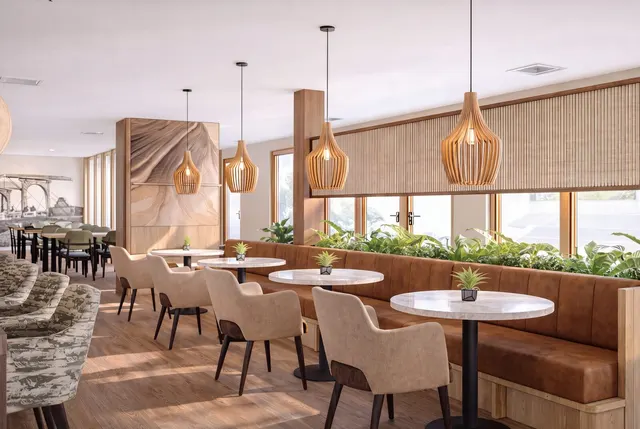
The patient experience is also central at Centre Hospitalier Antibes Juan-les-Pins. Here, the design makes the most of natural daylight and views of the Mediterranean and surrounding gardens. Separating circulation for logistics, staff and visitors effectively brings calm to the wards. Green patios bring light deep into the building and prevent a closed, institutional atmosphere.
Although the projects differ in target group, scale and context, they share the same conviction: architecture must go beyond providing a safe place. It must inspire trust and support people in their development. Autonomy is therefore an important design principle, with space for movement, social interaction, rest and personal choice, all of which contribute to wellbeing and recovery.
Een zakelijke vraag aan Gortemaker Algra Feenstra architects? Get in touch
Companies in this story

Keep following this
Get an email when a new story is published. No account needed.
- ThemeHealing environments
- SubjectHealing environment
- CompanyGortemaker Algra Feenstra architects