Wireless emergency lighting management: a cost-effective choice for healthcare
Text Lieke Bousema Beeld HBI Bisscheroux
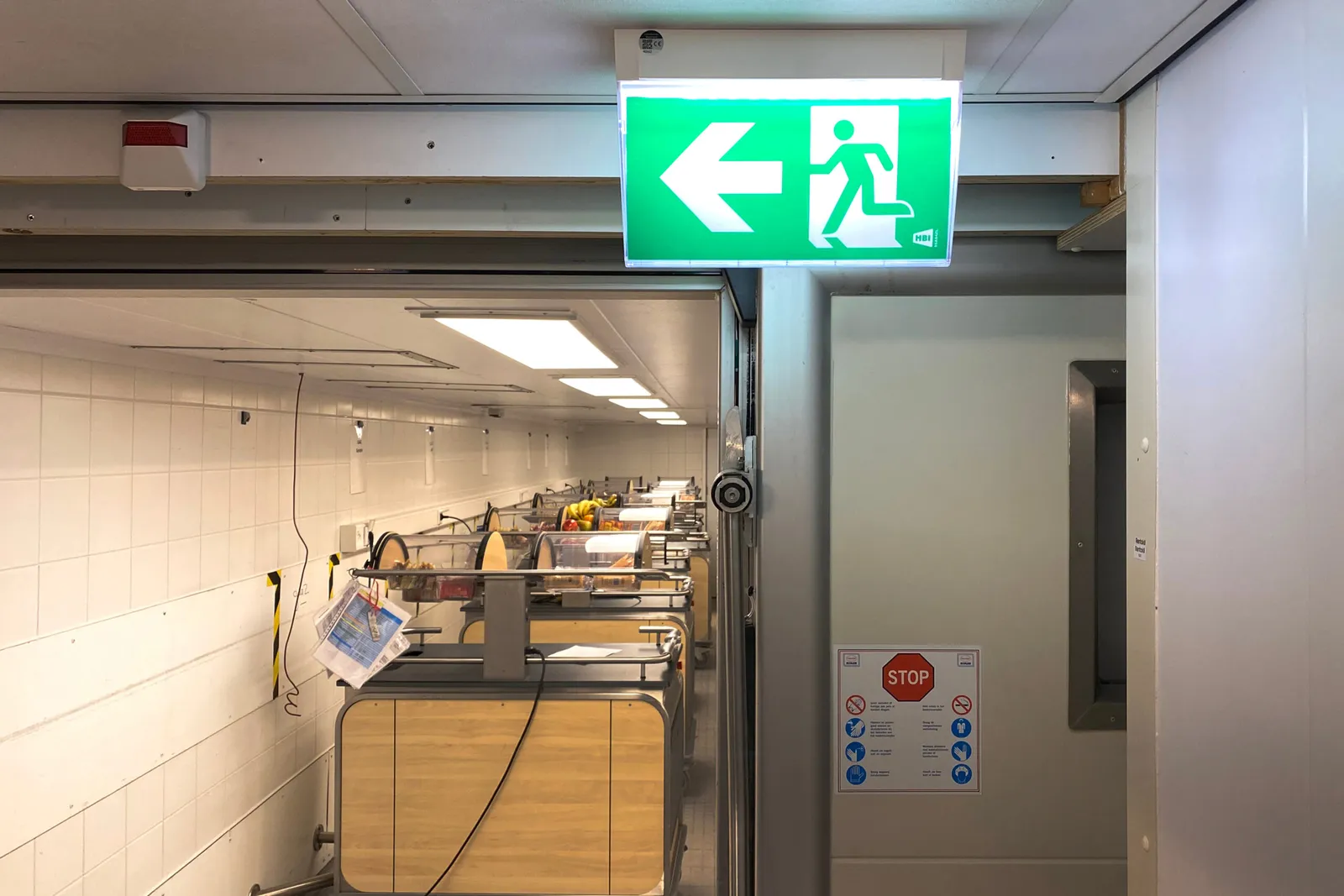
The future of building management starts now. This applies to the healthcare sector too, which faces major challenges, including the management and maintenance of emergency lighting. HBI Bisscheroux offers an innovative solution in the form of LoRaWAN-certified emergency lighting units that can be managed easily and wirelessly, including remotely.
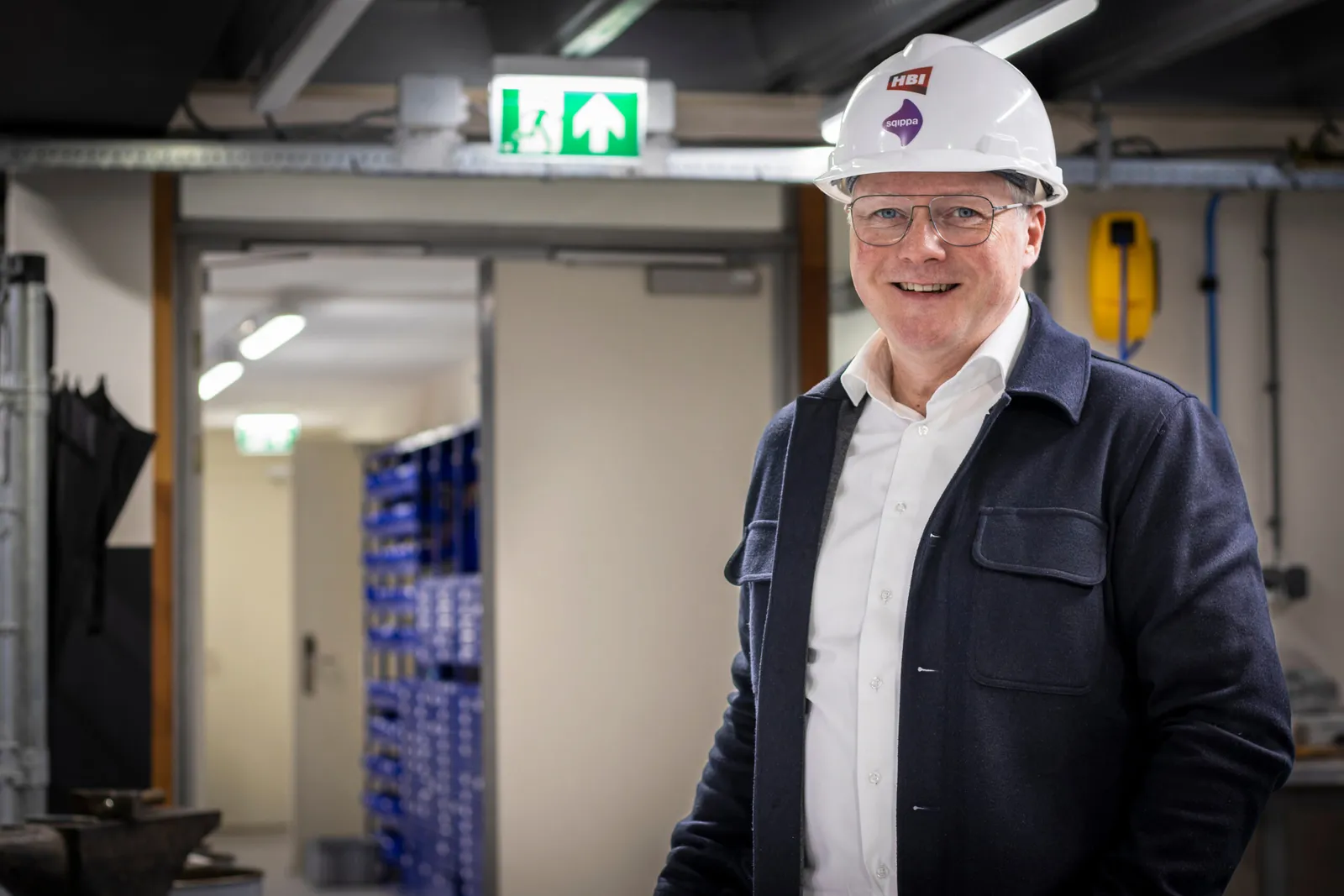
“Our emergency lighting solution gives customers real-time insights and updates, fewer inspections and more efficient maintenance planning,” says Antoon Rijpkema, emergency lighting adviser and IoT consultant at HBI Bisscheroux. “This means less disruption for residents or patients.” It is no coincidence that the emergency lighting solution from HBI Bisscheroux has already been adopted by organisations such as Erasmus MC Sophia Children’s Hospital in Rotterdam, Elisabeth-TweeSteden Ziekenhuis in Tilburg and Spaarne Gasthuis in Haarlem and Hoofddorp.
A focus on technology
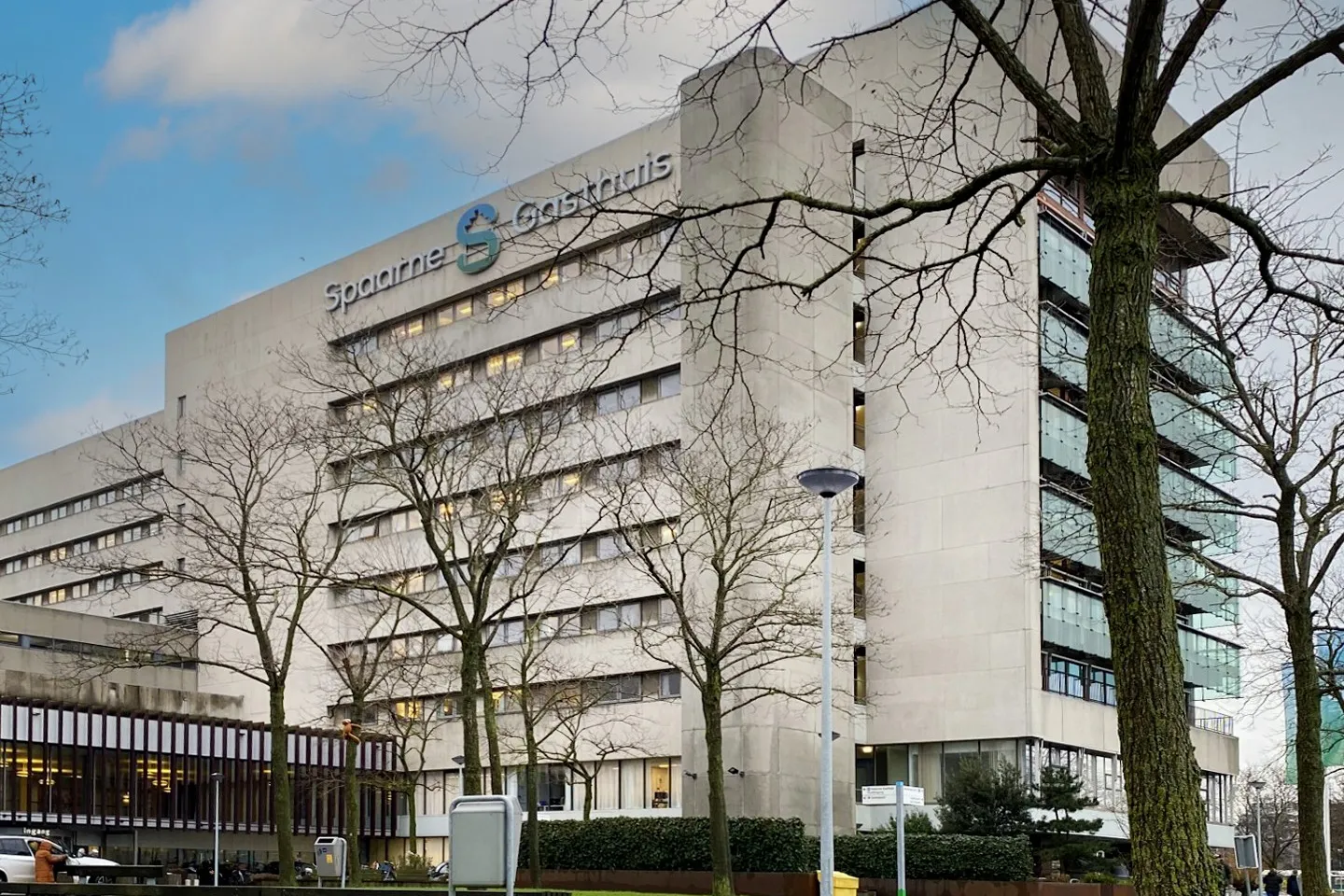
Spaarne Gasthuis is a top clinical hospital where education and training, scientific research and the provision of top clinical care come together. It makes extensive use of technology to speed up and improve processes and make them less burdensome. “The implementation of wirelessly managed emergency lighting fits in well with this approach,” says Kees Kors, electrical engineering technical manager at Spaarne Gasthuis. “The decision to implement it was prompted by our multi-year maintenance plan, the phasing out of traditional emergency lighting and the requirements of the Recognised Energy Saving Measures Lists (EML), which encourage the transition to LED. By replacing all traditional emergency lighting units with LED, we are preparing for a sustainable future. Adding wireless management also helps address current challenges in healthcare, from patient safety to staff shortages, the sustainable employability of staff, energy and cost savings, and CO2 reduction.”
Saving time, energy and money
“Spaarne Gasthuis has three sites, with a total floor area of around 190,000 m2,” says Chris van den Bos, electrical engineering technical manager at Spaarne Gasthuis, with a focus on Smart Maintenance and Smart Buildings. “Checking all the emergency lighting on a regular basis takes a huge amount of time, energy and money. What is more, reliable operation of the emergency lighting in the event of a power failure is not adequately guaranteed. A unit that is working today could fail tomorrow. Wireless emergency lighting management changes that. Power failures, irregularities and faults, as well as installation errors, are detected immediately, allowing maintenance to be better predicted and incidents prevented.” Kors adds: “The only thing our service technicians still need to do is check the physical condition of the emergency lighting periodically and record it in reports for the competent authority. Management is no longer based on a snapshot, which provides even greater assurance of the safety of patients and staff.”
LoRaWAN standard
To implement the new emergency lighting solution, Spaarne Gasthuis contacted HBI Bisscheroux, which made a deliberate choice to use LoRaWAN (Long Range Wide Area Network), a global, highly secure standard for long-range, low-power communication. It is also one of the world’s largest IoT protocols, with millions of gateways and devices. “HBI Bisscheroux has developed the Sqippa Online IoT monitoring platform for this purpose, with clear floor plans that show at a glance where any faults are occurring,” says Van den Bos. Rijpkema explains: “The system sends an update on the status of each lighting unit three times a day, measuring 18 relevant data points, from battery status to information about the most recent function and duration tests. This gives building owners and managers considerable peace of mind. LoRaWAN CO2 sensors, smoke detectors, kWh and water meters can also be added, making Sqippa Online an integrated, high-impact solution for every type of building.”
In-house monitoring platform
Van den Bos acknowledges that Spaarne Gasthuis was very impressed with the platform. “However, we had already implemented our own LoRa network environment. To avoid having to work with two parallel monitoring environments, we decided to integrate HBI Bisscheroux’s LoRa emergency lighting solution into our own monitoring environment. The aim is to create a single, complete solution that lets our service technicians check energy consumption, temperatures, relative humidity, CO2 levels and occupancy rates, etc. on one screen. They can also see at a glance which systems and components need their attention. This covers everything from (emergency) lighting to climate control systems, enabling us to manage our buildings even more efficiently.”
“During our initial discussions with Kees Kors in the summer of 2025, it became clear that Spaarne Gasthuis had done its homework and thoroughly explored the market,” says Rijpkema. “This included looking at remote management. As a result, we were able to move quickly and get things done. We supplied around 1,500 lighting units to our partner Lichtservice Nederland, which is carrying out the phased installation, identification and implementation of all the equipment at Spaarne Gasthuis.” The Haarlem-Zuid and Hoofddorp sites are now complete, and from this summer the emergency lighting at the Haarlem-Noord site will also be managed wirelessly.
Een zakelijke vraag aan HBI Bisscheroux? Get in touch
Companies in this story

Keep following this
Get an email when a new story is published. No account needed.
- ThemeSafe and reliable healthcare buildings
- SubjectTechnology
- CompanyHBI Bisscheroux