Smart air handling gains digital eyes
Text Tamara Brouwers Beeld Damvent
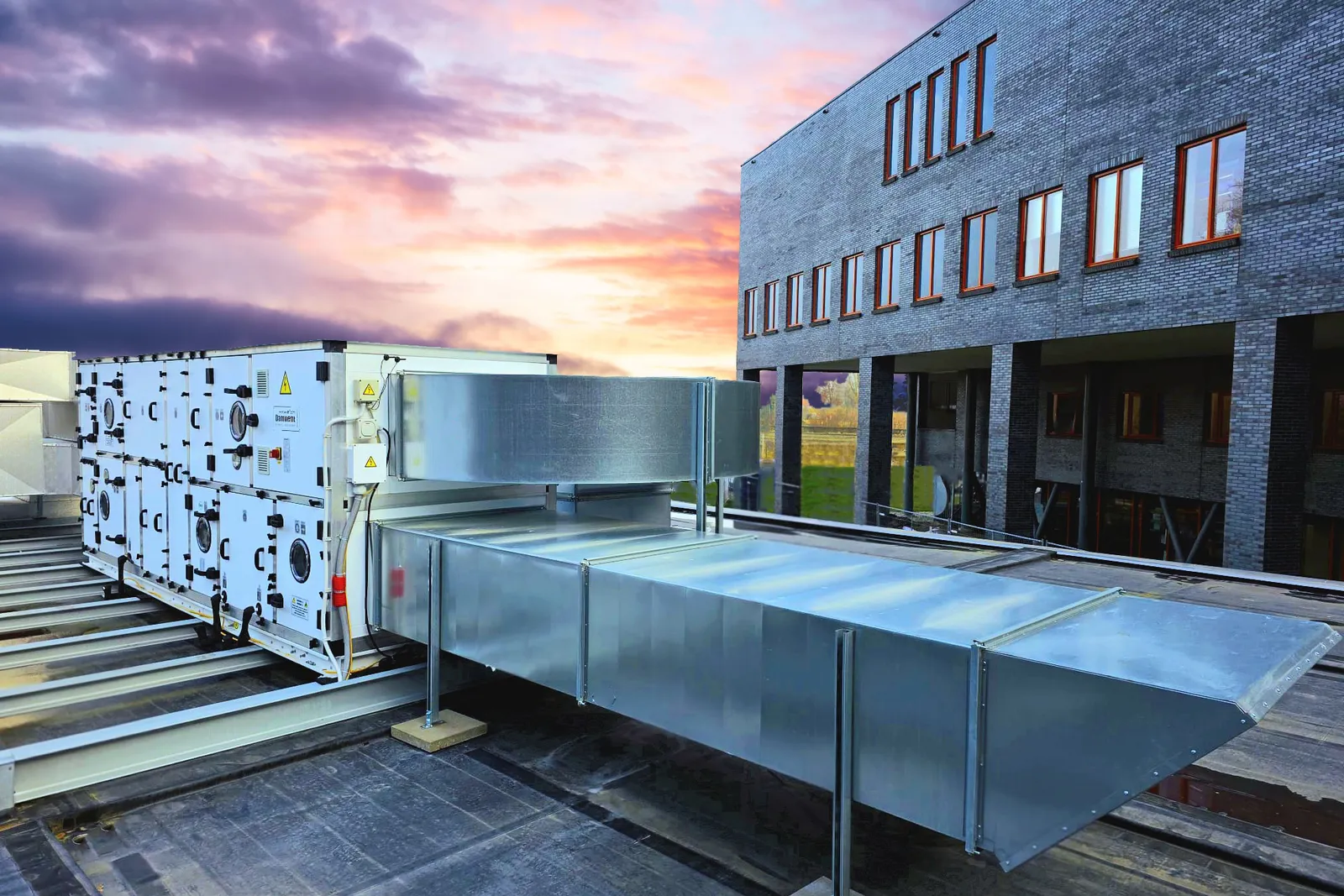
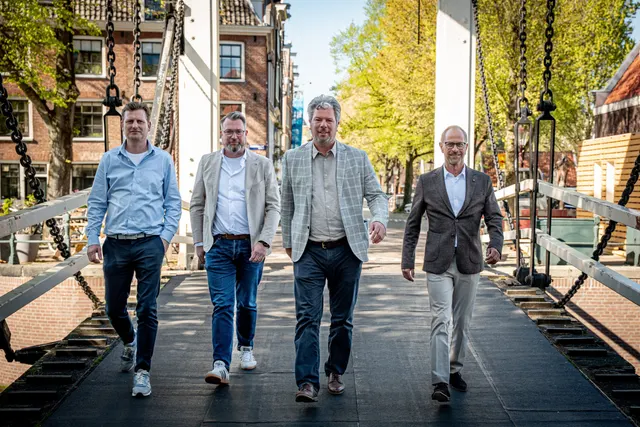
Damvent Benelux is seeing demand for stable air handling grow across healthcare and education. This is because clients are setting increasingly high standards for indoor environments. Comfort, reliability and controllability are playing a greater role in a wide range of healthcare settings. According to managing director Peter Rekkers, this trend calls above all for collaboration and insight into performance, not increasingly complex technology.
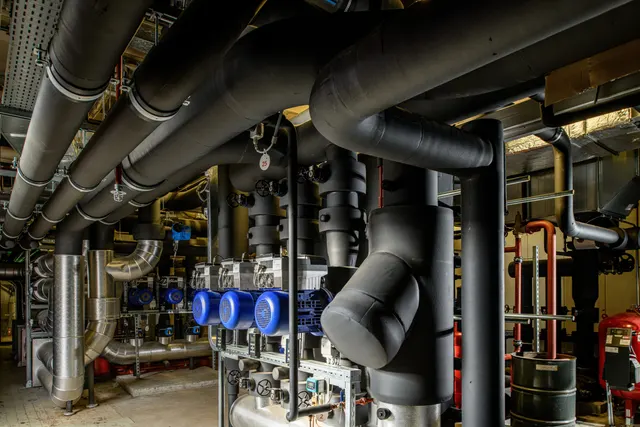
Damvent’s hybrid air handling units combine ventilation, heating, cooling, humidification and control technology in a single compact unit. Installers and clients are already familiar with the system from applications in hospitals and cleanrooms, but its potential uses are wider. “Our system can provide a solution wherever there is a need for stable, clean air,” says Rekkers. “That applies just as much to clinics, care facilities and educational buildings.” He emphasises that each installation is tailored in advance to the building’s use. “We build the air supply to meet the requirements, based on the technical design. Temperature, humidity and seasonal influences are all considered and integrated in advance, so spaces remain stable in operation.”
According to Rekkers, the focus is increasingly shifting from installation alone to long-term collaboration. “We don’t just want to supply equipment, we want to stay involved. That’s why we also hired our own support engineers last year. They are responsible for service and maintenance under our management. Together with the client, we look at how to keep an installation performing optimally and how to further improve energy use.”

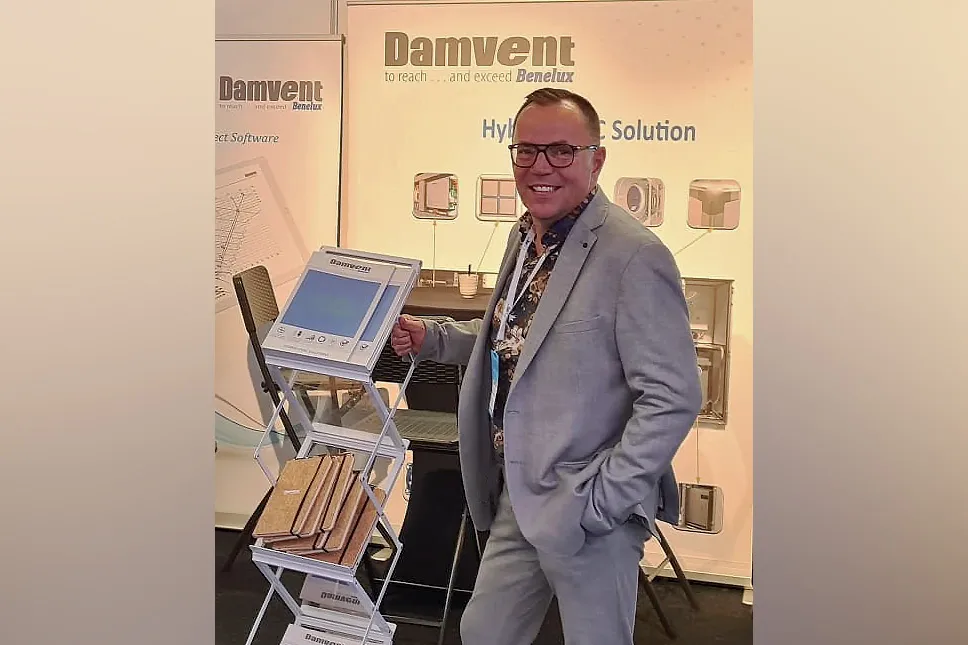
Insight into performance
A key development in transparent collaboration with users is the expansion of the installations’ digital connectivity. Since 2025, Damvent has been investing heavily in systems that give users and building managers direct insight into how their air handling units are operating. Through an online platform, they can monitor operating status, airflow, temperature, humidity, filter condition and energy consumption in real time. The integrated heat pump’s operation and pressure readings are also visible. “Clients can see at a glance what their installation is doing,” says Rekkers. “That makes discussions about maintenance and energy use much more concrete.”
This transparency is particularly helpful for technical managers and maintenance contractors. Problems can often be analysed and resolved remotely, without the need to send out a technician straight away. “Our support engineers can look in on the system immediately and work with the client to find a solution. That is greatly appreciated.”
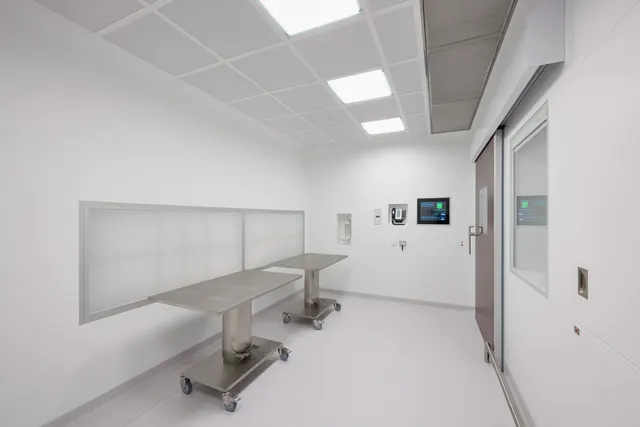
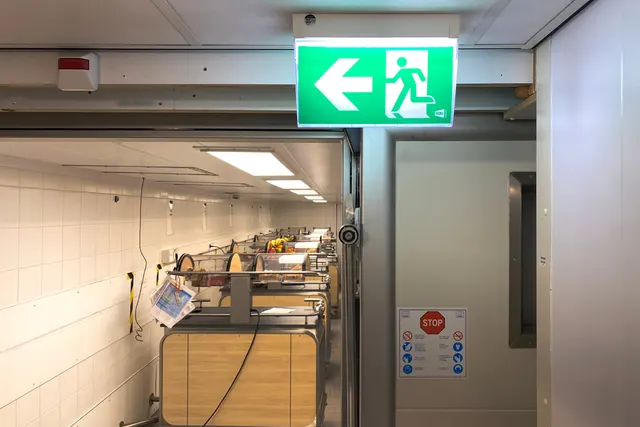
This approach has proved effective on projects such as the temporary CSA at Deventer and Isala Zwolle, and the new-build clinic het Gooimeer. The number of installations in Belgium where clients actively use remote monitoring and support is also growing. Rekkers also sees a practical advantage for healthcare organisations that need to use their buildings flexibly. “The functions of buildings are constantly changing. In that situation, it helps enormously if installations are modular and can be moved. We find that clients appreciate having someone alongside them to take responsibility.”
Hybrid air handling units in practice
Damvent Benelux’s hybrid air handling units combine several air treatment functions in a single integrated system. Ventilation, heating, cooling, heat recovery, humidification and control technology are brought together in one compact unit, which is fully assembled and tested at the factory. This integration makes performance easier to predict in advance and simplifies on-site installation. The system is therefore suitable for environments that require a stable, controllable indoor climate, such as care facilities, treatment centres and educational buildings.
Users and building managers can access information on:
• supply and return airflow rates;
• temperatures of outdoor, supply and return air;
• humidity in different air streams;
• filter status and energy use
This monitoring makes it possible to target maintenance more effectively and optimise energy use.
Developing solutions together
Alongside technology, Rekkers believes open collaboration with clients and consultants is especially important. “I can tell you how good we are, but ultimately it comes down to whether we can find a solution together that works for the client.” The key to that solution remains ensuring a stable, comfortable indoor climate without unnecessary complexity. “We try to run our business as transparently as possible. When a client needs us, we want to be there. Ultimately, it’s about trust and looking ahead together.”
With growing attention to healthy air in both healthcare and education, this approach seems increasingly well suited to real-world needs.
A business enquiry for Damvent? Get in touch
Companies in this story
Keep following this
Get an email when a new story is published. No account needed.
- ThemeSafe and reliable healthcare buildings
- SubjectTechnology
- CompanyDamvent