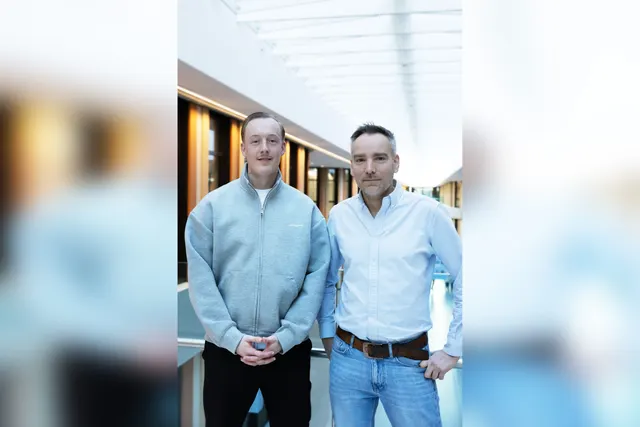
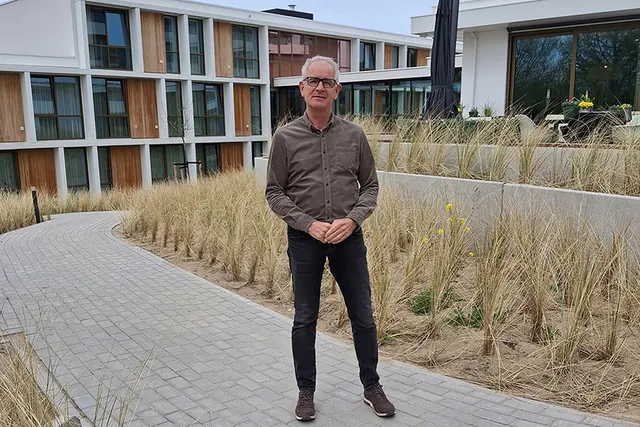
Samir Toub: Balance as the foundation
Text Eva van OoijenImage Gemeente Eindhoven
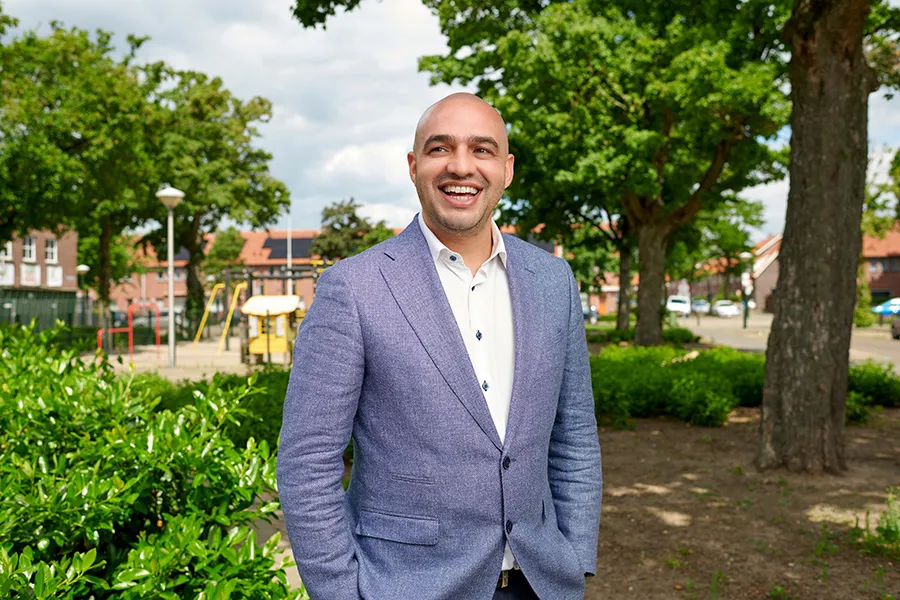
Growth and care in Eindhoven
The city of Eindhoven is growing rapidly, and this growth brings new challenges in health and wellbeing. Samir Toub, Eindhoven’s alderman for diversity, care, youth and social support, explains why it is important to keep the city’s facilities in balance with its growth. “As a 15-minute city, we want everything, from housing to healthcare facilities, to be within easy reach.”
A growing city needs more than homes
“In a growing city, healthcare, wellbeing, sport and culture all need to grow at the same time,” says Toub. “You can’t keep building without thinking about the facilities needed to support that growth. It is essential that the city not only builds homes, but also ensures that healthcare and other facilities keep pace with its residents.” He identifies the ageing population as a key issue. “We have more and more older people, who are also living longer. That means we need more facilities, close to where people live.” The housing shortage is also a major factor, with both refugees and people in urgent need of housing searching for somewhere to live. As a result, Eindhoven is not only building homes, but also providing facilities at the same locations, such as GP practices, physiotherapists and community meeting places.
Flexible healthcare buildings
“It is important that healthcare buildings are not tied to a single function,” says Toub. “A healthcare setting is not an institution, it is a living environment. Designers need to consider people’s everyday lives, so that buildings can adapt to changing care needs. They need to be flexible enough to accommodate different residents, from older people to students and refugees.”
The House of the Interim
The ‘Huis van Intussen’ is a good example of how Eindhoven is addressing the demand for housing and care. The former tax office on Karel de Grotelaan is being converted to provide 400 homes for asylum seekers, refugees with residence permits and temporary residents, such as students and first-time buyers. “By bringing different groups together, we foster a sense of community from day one,” says Toub. The project offers not only housing, but also shared facilities such as a communal kitchen and meeting spaces, which help promote integration and social interaction.
The role of the connector
Another key issue for Toub is collaboration. “The municipality often acts as a connector between housing associations, healthcare providers and builders,” he explains. “They are working together on integrated plans, such as the Máxima Medisch Centrum, which combines healthcare and housing.” He stresses that such collaborations need to begin early in the process. “As a municipality, we need to be at the table from the outset to ensure the right balance.” Smaller initiatives also contribute to the city, such as bibliotopes: district libraries with community meeting places where people can come together and get practical help. “We need to make sure that neighbourhoods are not just places to live, but also places to meet. This strengthens the social wellbeing of the city.”
Putting people first
For Toub, it is all about building a city where everyone feels seen and has access to care. “You build for people, not for figures. Eindhoven City Council’s policies are therefore always focused on the people who live here.” If he could make one wish for Eindhoven’s future healthcare infrastructure, it would be simple: “Build as many homes as needed and make sure that everything you do contributes to a city where care is not seen as care, but as a way of living well together.” He envisages a future in which housing, care and wellbeing always remain in balance, with people at the centre.
Question about this story? Ask your question
Keep following this
Get an email when a new story is published. No account needed.
- SubjectInterviews & columns