The history and future of healthcare in the Netherlands
Text Jan-Kees VerschuureImage Louwers Mediagroep
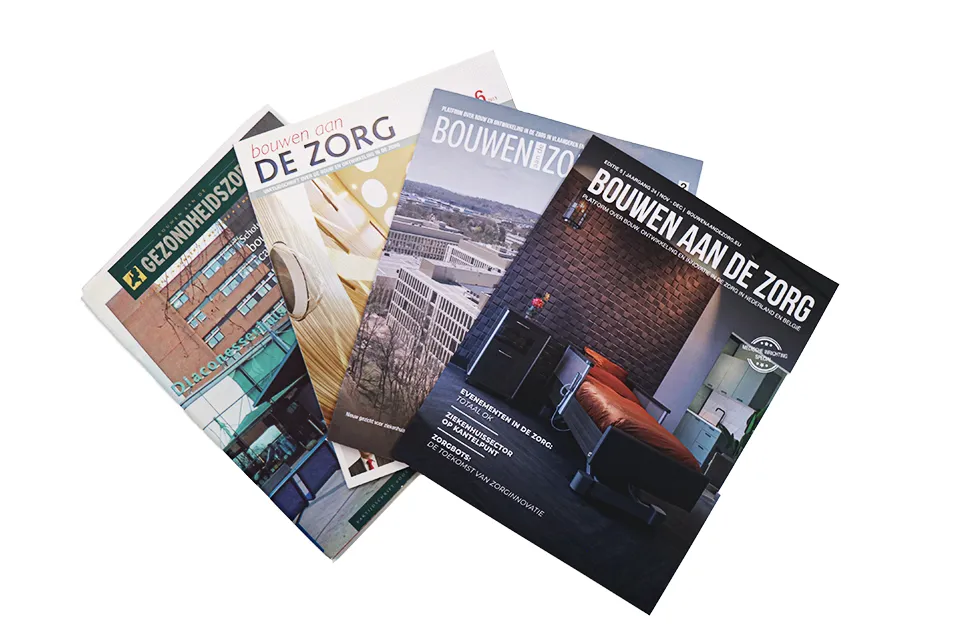
Over the 25 years this magazine has been published, the sector in the Netherlands has changed considerably. Alongside the introduction of basic health insurance, a new system for funding property was introduced, as was the separation of housing and care. Insurers have become an integral part of the sector, ICT is now an essential part of care delivery, investors have entered the market and professionals in the sector and beyond have achieved a great deal. Building is about people, especially in healthcare, which must remain affordable and is being delivered ever more efficiently.
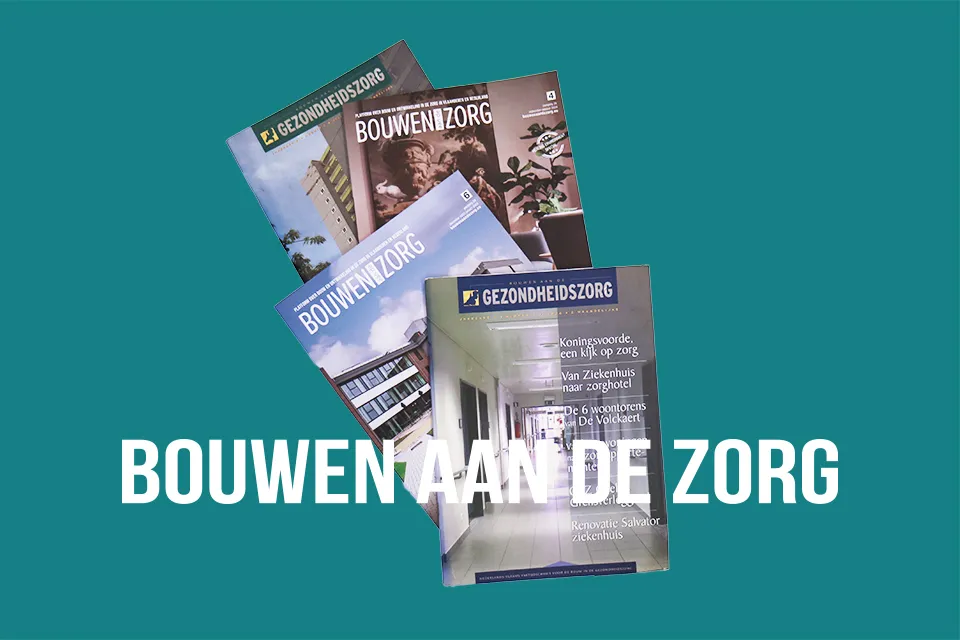
The magazine’s title was shortened in 2014 from Bouwen aan de Gezondheidszorg to Bouwen aan de Zorg, one of many examples of the dynamic and innovative nature of publisher Louwers Mediagroep. Through the magazine, we cover a broad spectrum of healthcare, one that continues to expand. For 25 years, the magazine’s team has kept its finger on the pulse with print editions every two months, an annual yearbook and an online platform spanning various social media. We focus on both current affairs and the long term: healthcare will always be with us, in one form or another. In recent years, the magazine has covered somewhat more topics related to care processes and somewhat fewer on new-build projects or the transformation of healthcare property.
More than bricks and mortar
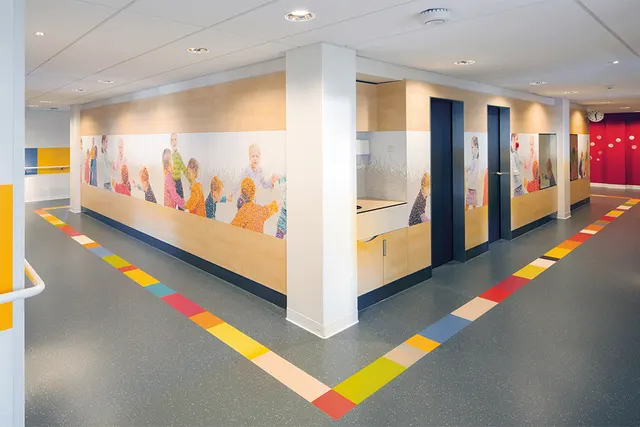
The title Bouwen aan de Zorg refers not only to the construction of healthcare property, the ‘bricks and mortar’. After all, caring for people and their health is about more than buildings: care can and must always be improved and delivered more efficiently. Stays in hospitals or residential care centres are becoming shorter, but that does not make concepts such as the healing environment and hospitality, a term that contains the English word for hospital, any less important. The environment and care are inextricably linked, and optimising the healing environment, a concept that has gained traction in the world of architecture, is now firmly established at every level.
External parties
The number of external parties involved in the sector has also risen sharply, as a result of these and other factors. 25 years ago, healthcare was still a relatively closed world, not least because of stringent statutory requirements. When it comes to procurement and services, organisations no longer rely solely on in-house resources or specialist suppliers, but are making creative use of the growing range of options on the market. Why make things difficult when a mainstream supplier can provide furniture for waiting areas or offices, and supermarket chains can take and deliver orders every day? And why travel for miles to have a blood test when you can do it at the local physiotherapist’s, or measure your own blood pressure and send the results to your doctor digitally?
Comfort
Over the past quarter-century, comfort for organisations, clients and patients has increased considerably, and things can be made even better and more efficient, for example by introducing electronic patient records. In future, we want to focus even more on innovations in healthcare and what is needed to improve it. We will look at the growing influence of ICT companies, investors and insurers, the solutions they can offer and the challenges they face. Then, as you have come to expect from us, we will hear from the specialists who can explain it all. Professionals who are proud of what they create for others: a building that lasts and can be adapted, a care concept with a future, a product that can improve quality of life and comfort, in a hospital, residential building or at home.
Challenges
Care for people, delivered by people who often work together for years to improve the quality of care in and beyond their region. Yes, healthcare costs continue to rise, placing an ever greater burden on the budgets of citizens and institutions, while the legislative changes mentioned above have stood the test of time so far. The sector is under pressure from workloads and regulatory burdens, and every branch of healthcare is facing staff shortages. ICT in particular needs to bring about change through remote care, making monitoring easier and possible with fewer people. The next quarter-century will undoubtedly be the era of digitalisation, enabling us to provide and receive care even faster and better.
Inspiring, innovating and connecting
Prevention, living healthily and mindfully, will also play an increasingly important role, given the challenges mentioned above and, of course, its impact on quality of life and life expectancy. Bouwen aan de Zorg is and will remain the platform, including in Flanders, that informs, inspires and connects the sector, with up-to-date professional information and a broad view of developments and innovations in both cure and care. Together, we are building better healthcare for everyone: accessible, efficient and affordable, with greater quality and comfort for healthcare professionals, clients and patients. The challenges are great, but the possibilities are numerous. Onwards to 2050, which is closer than any of us think.
Question about this story? Ask your question
Keep following this
Get an email when a new story is published. No account needed.
- SubjectAnniversary