New CRN and Breast Centre for Deventer Ziekenhuis
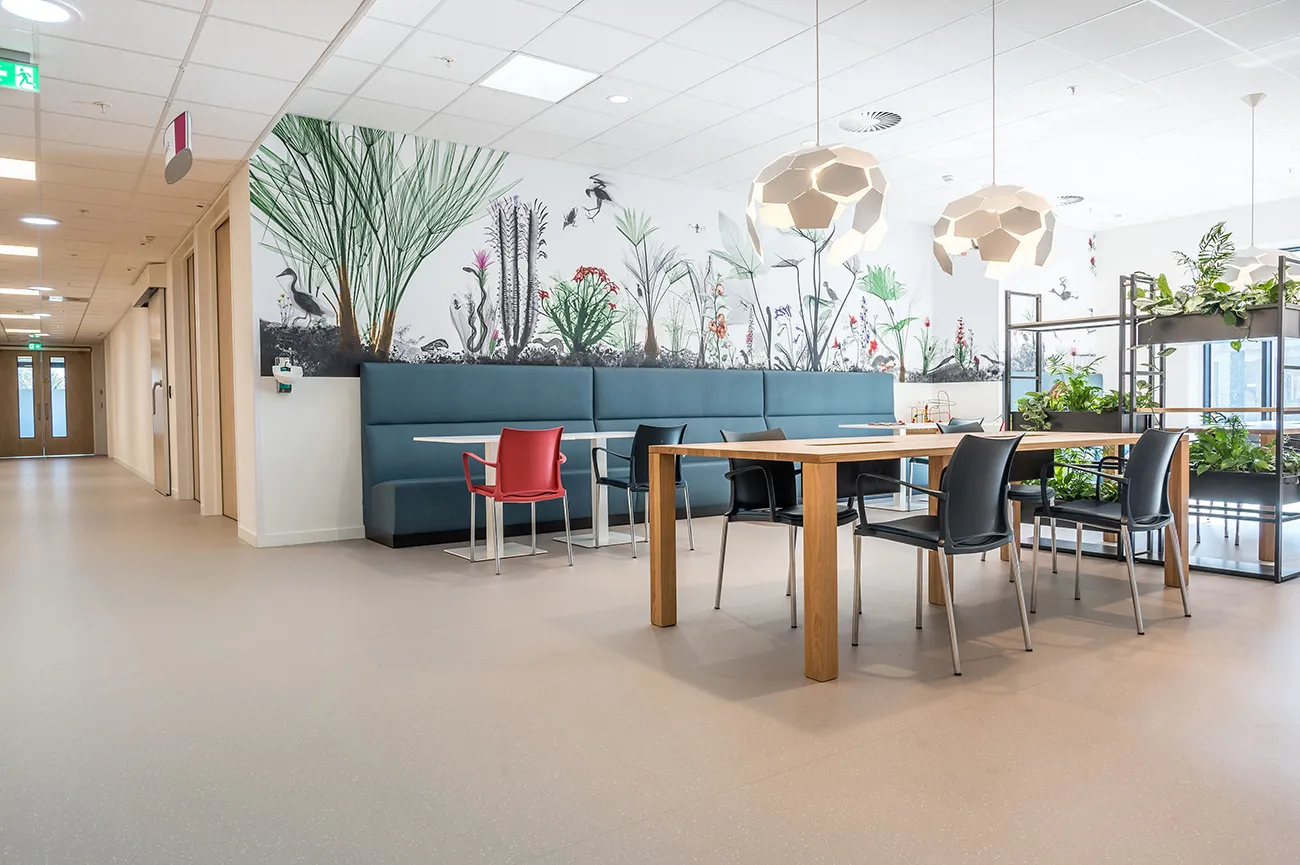
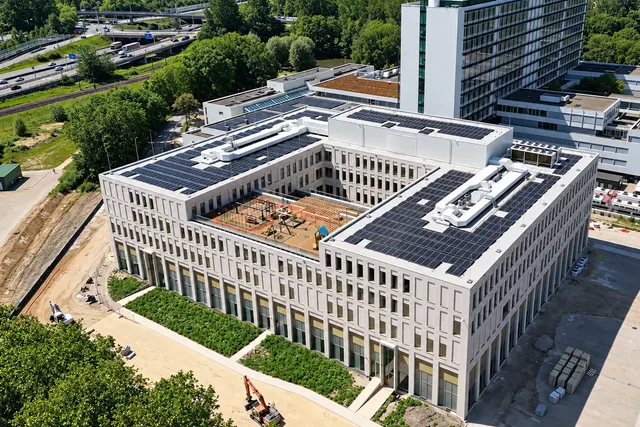
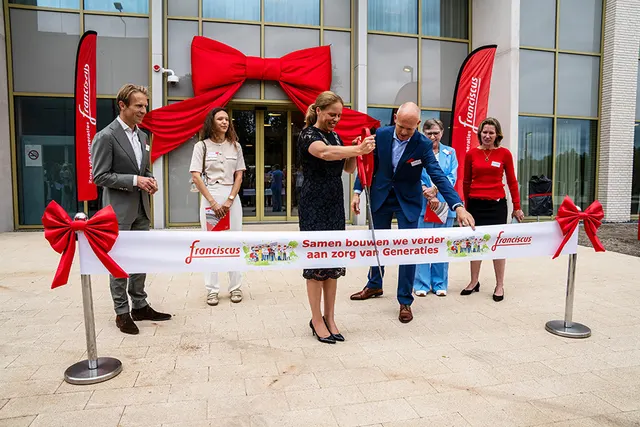
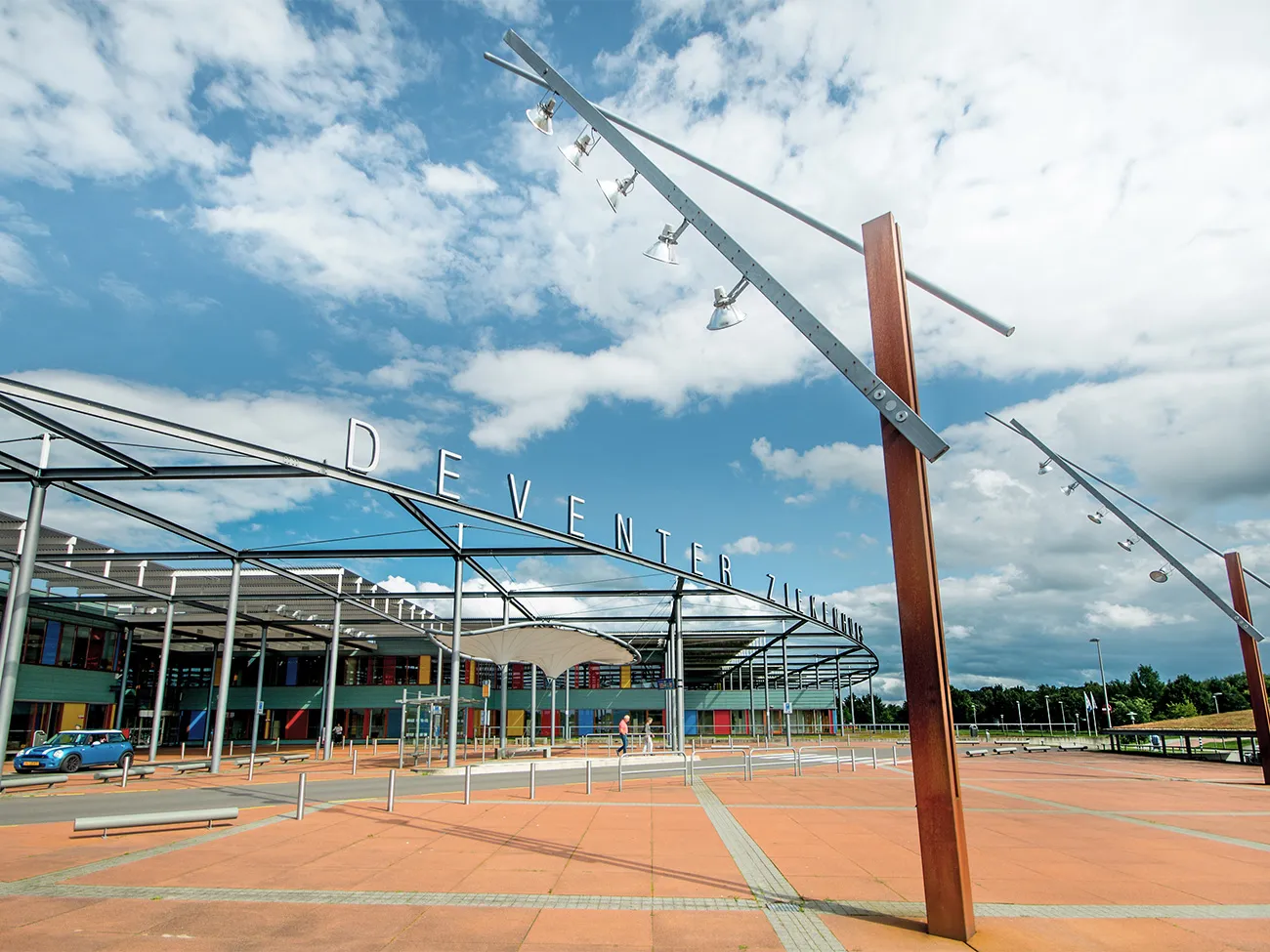
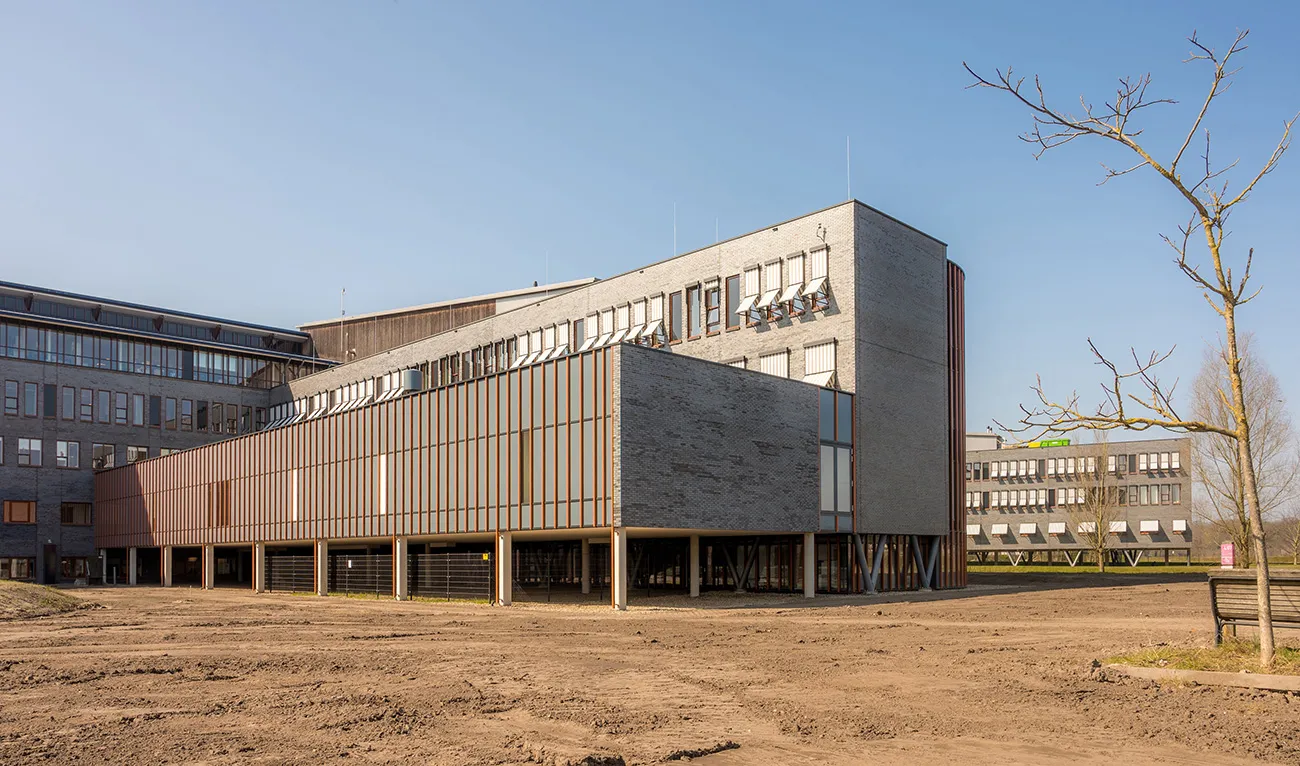
This summer, Deventer Ziekenhuis opened its new Centre for Radiology and Nuclear Medicine (CRN) and Breast Centre. Design-and-build contractor Van Wijnen and the hospital look back on a smooth construction process. The fact that the parties already knew each other made the process considerably easier, although building with an ICU directly above you during the coronavirus pandemic remained a challenging job.
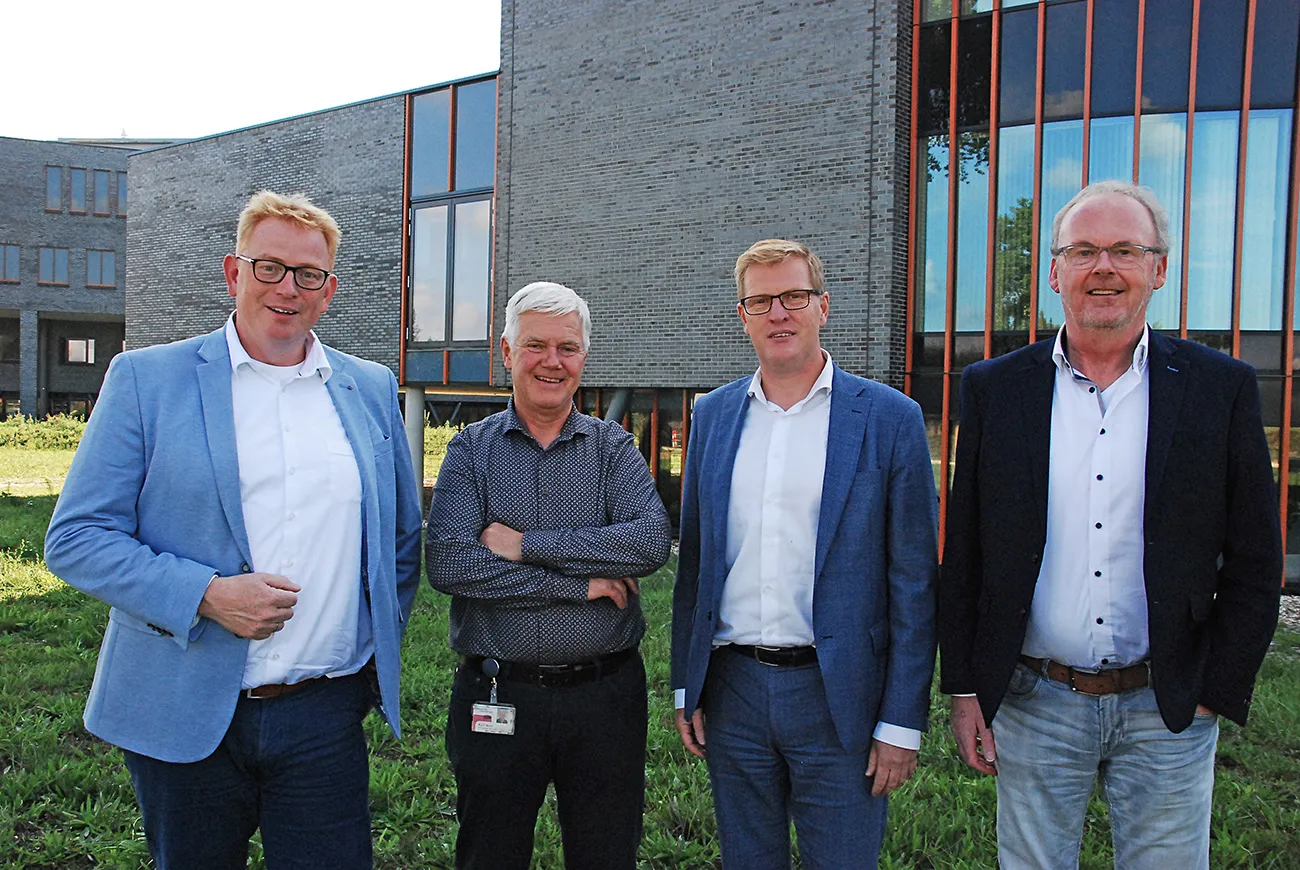
We look back on the construction process with René Worm (Deventer Ziekenhuis, Head of Facilities and Engineering), Eric Kroon (Deventer Ziekenhuis, member of the Executive Board), Edwin Brokelman (Van Wijnen, project manager, Maintenance and Facilities, Deventer branch) and Peter Nugteren (Van Wijnen, deputy director, Deventer branch).
The plan
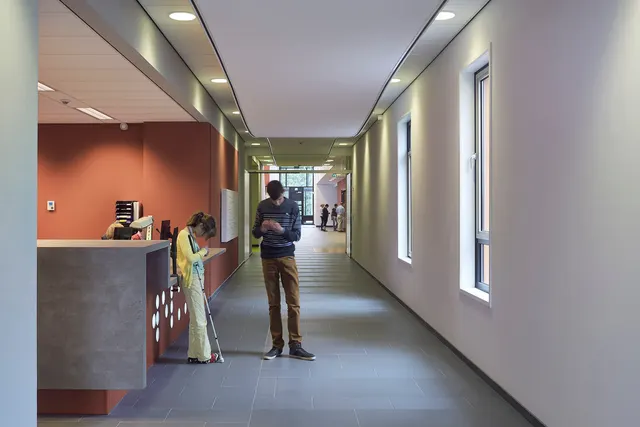
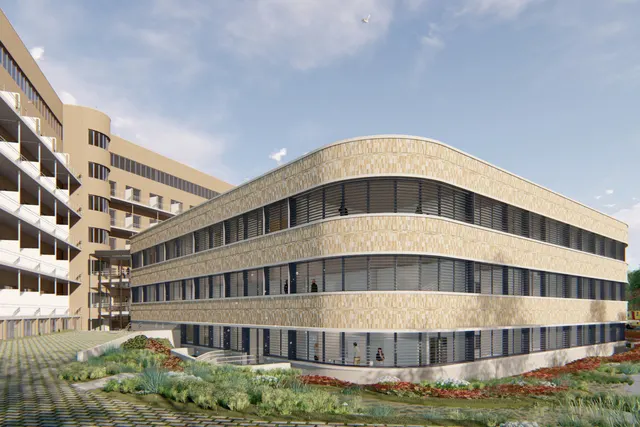
But first, a look at the plan. In autumn 2020, after more than two years of preparation, construction began on the new CRN and Breast Centre. “The old centre was too small and its facilities no longer met privacy requirements. For example, patient flows crossed, with beds being wheeled through waiting rooms,” explains Kroon. “There is now a direct route from the emergency department to radiology. In addition to examination and treatment rooms, the refurbished CRN has new workspaces, a new reception area and meeting rooms. Relocating the CRN and rearranging the spaces also created room for a dedicated Breast Centre. The basement mainly houses workspaces for this purpose; it now accommodates the Service Desk, Facilities Department and a meeting room.”
Van Wijnen was appointed main contractor for the entire new-build and refurbishment project. Worm says it was a logical choice. “Van Wijnen is more or less our regular contractor. Of course, there was a Request for Proposal, but we have had good experiences with Van Wijnen. It was important to us to work with a contractor experienced in healthcare settings. Some of the work had to be carried out beneath the ICU, which meant coordinating the work carefully and keeping noise and disruption to a minimum whenever the hospital required it.”
Phasing
Working in a hospital setting is nothing new for Nugteren and Brokelman. “We know the hospital. We are guests there, and it is important to remember that at all times. The same applies to the subcontractors we bring in. We divided the entire project into nine phases, some of which ran partly in parallel.
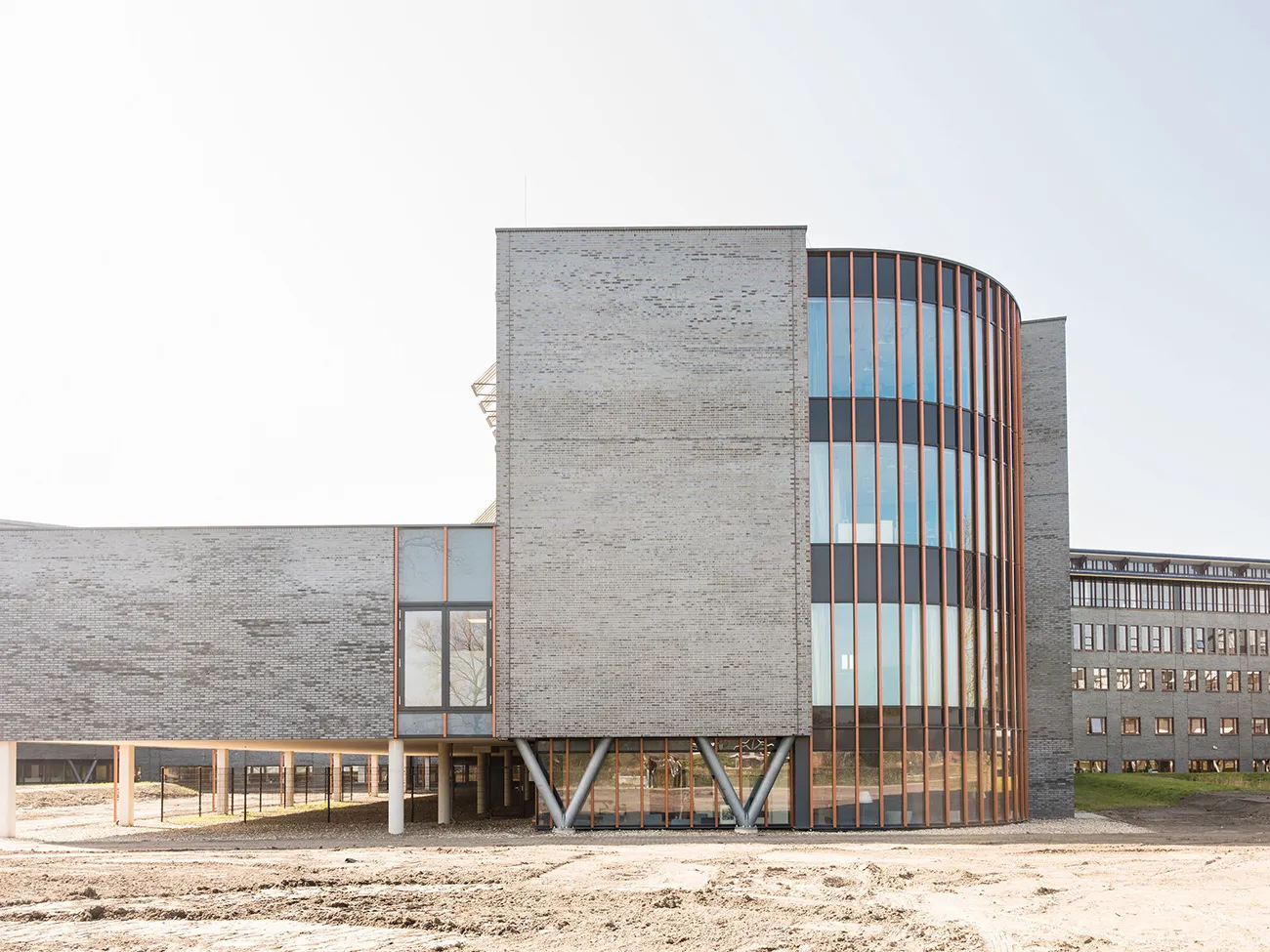
The phasing minimised disruption to hospital operations. The work could have been completed faster, but the impact would have been greater,” says Nugteren. When the hospital was built, the section now housing the ICU was supported on piles. The CRN, including its support functions, is now located beneath that section, in the basement. This meant the structure required relatively straightforward modifications. Worm says: “When the hospital was built in 2008, provision was already made for future expansion. The design also included clever infrastructure, with short walking routes, among other things. We are now benefiting from that. And because most of the work took place outside the hospital, disruption was limited.”
External partner
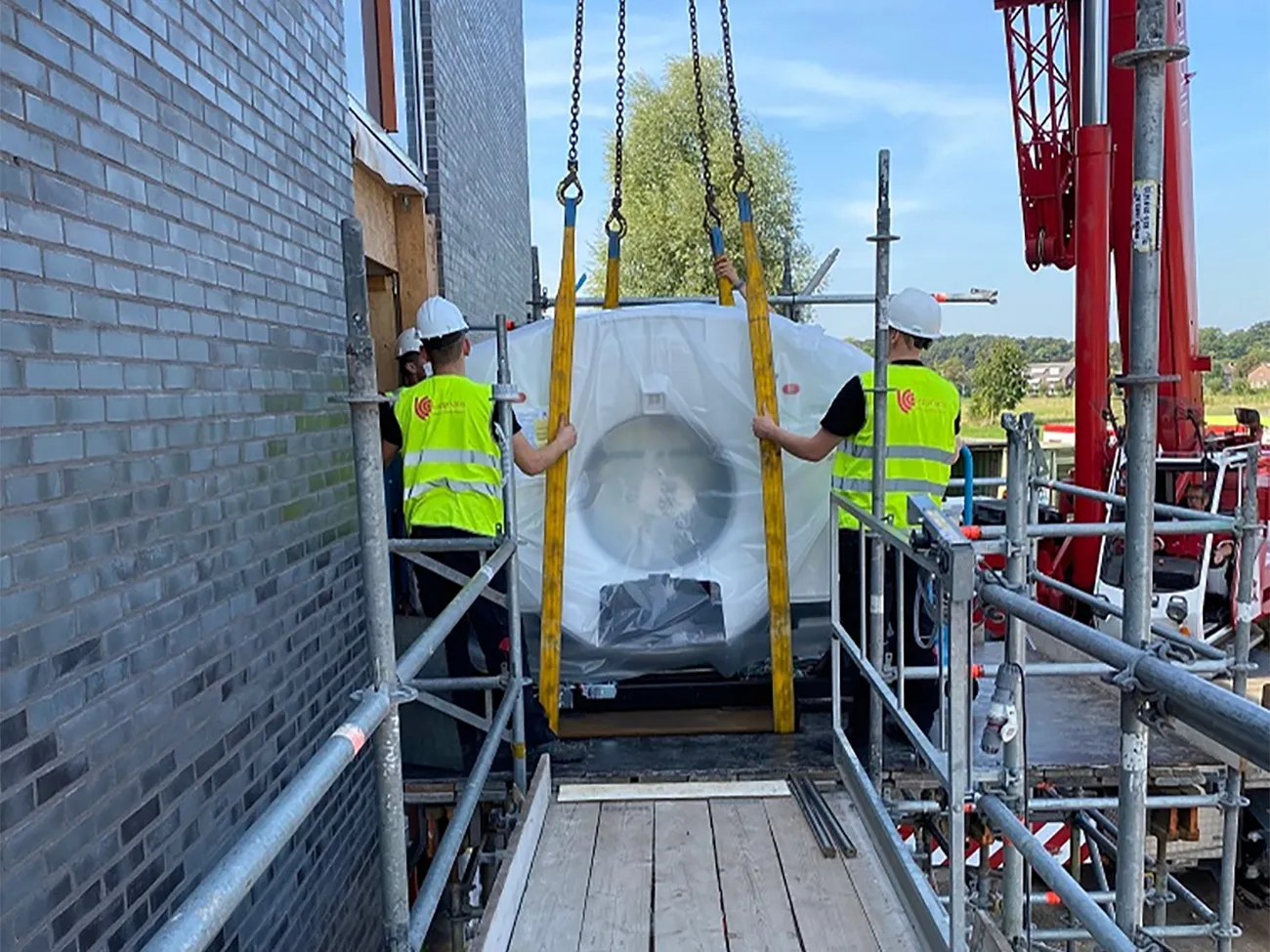
The parties already knew each other, so fortnightly meetings and a monthly construction meeting were sufficient. Kroon says: “The pre-construction phase was intensive. Users’ requirements had been mapped out in detail in advance. Kalcio Healthcare provided extensive support with this. We see them as an important link. They carried out the process analysis and bridged the gap with frontline staff. Support from an external party is important. You need to avoid overlooking anything, and an external party sees things from a slightly different perspective. Everything was specified down to almost the socket level. As a result, only minimal changes were needed during construction.”
Looking back
All in all, those involved look back on a process that went well, even though work had to be suspended for a week because of the coronavirus pandemic. Looking back, Kroon lists the factors behind its success: “Staff involvement was very important to us. That meant good communication. Everyone knew that construction would occasionally cause disruption, but that was not a problem. The work was always well coordinated. The fact that the construction plan and the fit-out were aligned with working practices, thanks to input from professionals, also contributed to the success.” Brokelman greatly appreciated the flexibility of the hospital staff. “It was also a big advantage for us that we knew the hospital. You know how the infrastructure works and you know the people. It helps if you can drop in on each other from time to time and go straight to the right person’s desk. And what could be improved? As soon as a hospital starts considering a new-build or refurbishment project, contractors want to be involved as early as possible. This allows us to contribute construction expertise, buildability and cost expertise while the plan is still flexible. After that, the plan needs to be settled. Thanks to our previous work and our existing relationship, we were able to get involved quickly again this time, which makes the whole process considerably easier.”
A business enquiry for Van Wijnen? Get in touch
Who worked on it
CRN en Borstcentrum Deventer Ziekenhuis in Deventer, nieuwbouw
- main contractorVan Wijnen
- procesanalyseKalcio Healthcare
Keep following this
Get an email when a new story is published. No account needed.
- ProjectCRN en Borstcentrum Deventer Ziekenhuis
- SubjectHospitals
- CompanyVan Wijnen
- CompanyKalcio Healthcare