UZA opts for adiabatic humidification
A hygienic alternative to steam immediately proves its worth
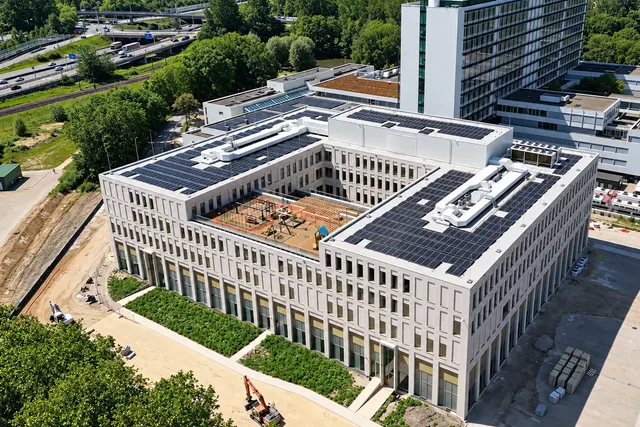
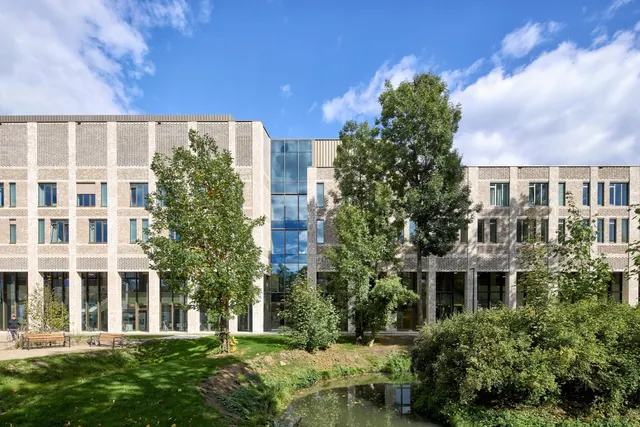
The University Hospital Antwerp (UZA) has been a hive of activity in recent years. Ambitious new-build projects are preparing the hospital for the future. One of the major projects on the site was the construction of the so-called ‘Building J’, which will serve as a centre for clinical pharmacology and as a donor centre for Rode Kruis Vlaanderen. The building stands out for its forward-thinking choice of humidification system. DriSteem’s adiabatic system ensures energy-efficient and, above all, hygienic humidification.
Building J is located right in the heart of the UZA site, in the shadow of the imposing main building. At a later stage, it will be connected to the Emergency Department, which is due to be expanded in the near future. Although Building J does not, strictly speaking, qualify as a hospital building, and therefore is not subject to the stringent hospital standards, its function and visitors naturally have some parallels with a hospital. And hygiene is, of course, vital in a hospital.
Careful consideration of the air handling system was therefore essential in Building J. Dirk Gestels, New-build Technical Services Project Leader at UZA: “All the air handling units on the site are fitted with humidification as standard. In the hospital’s existing buildings, we use the central steam network for this, and therefore the steam that is already available.” But things were different in Building J. “It was decided early in the process that no fossil fuels would be used here. The HVAC system is therefore entirely electric, with a heat pump as its central component. This also means there is no steam production, so we had to find an alternative for humidification. The choice also had to meet several practical requirements. The space available for the humidification section was limited, for example, and immediate atomisation and absorption were crucial requirements.”
VDI 6022
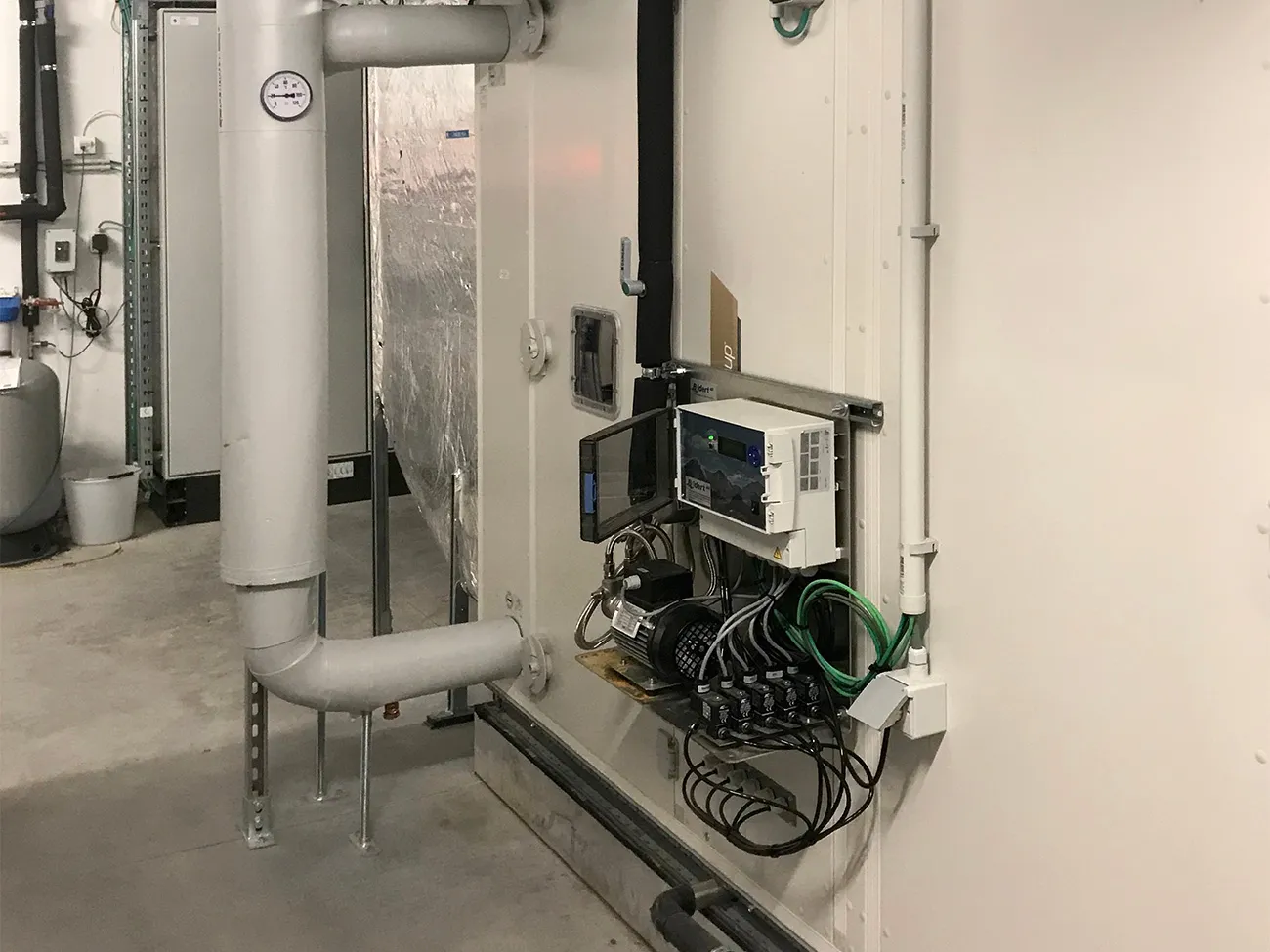
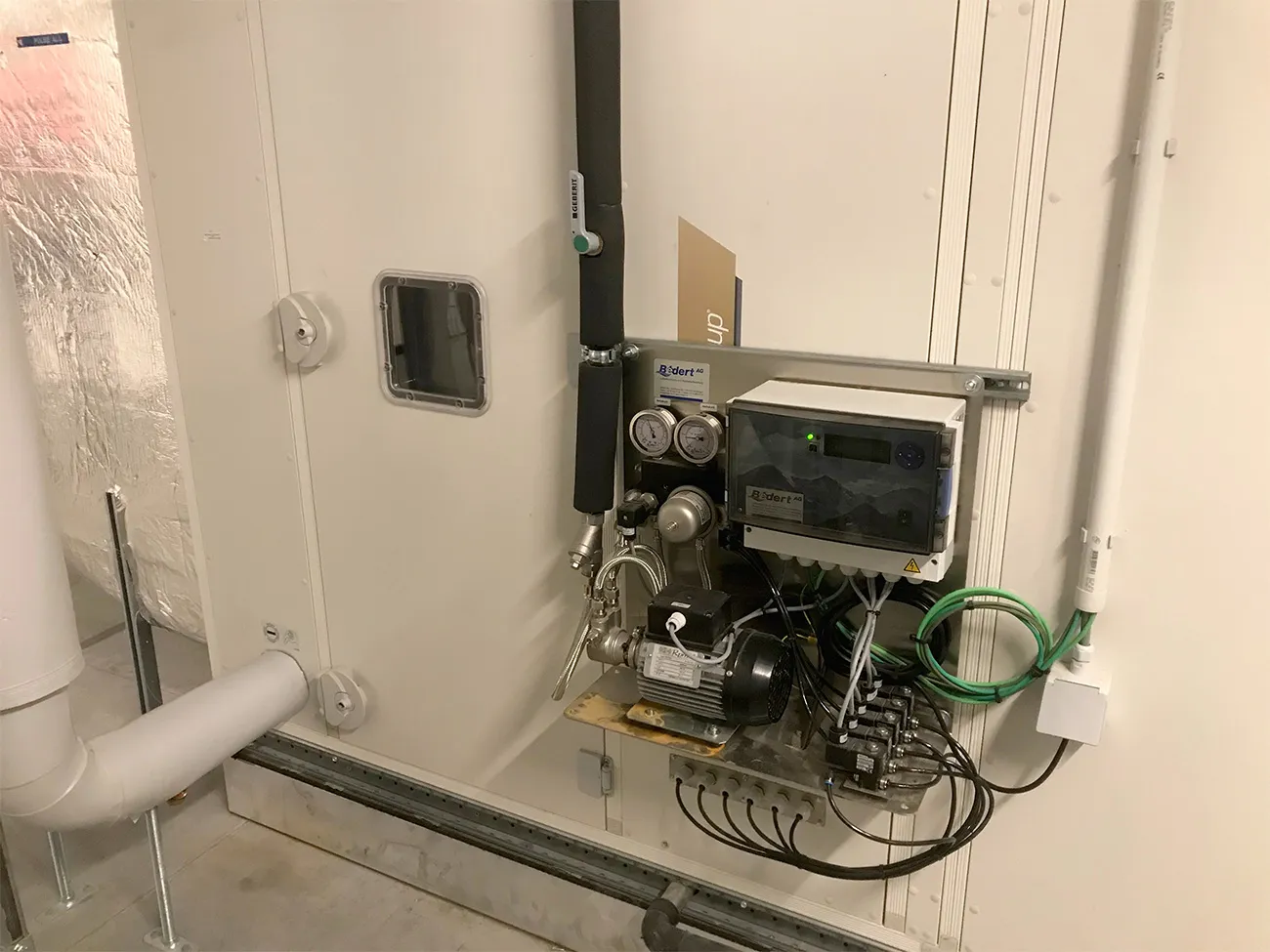
Electric humidifiers were ruled out because their power requirements are too high. At the instigation of consulting engineers BUREAU PARTNERS, ARCHITECTEN & INGENIEURS, the choice was low-pressure humidification, specifically adiabatic humidification. This technology happens to be DriSteem’s speciality. “With B-Eco, we offer an adiabatic humidification unit that uses hardly any electricity and fully meets the strictest hygiene requirements,” says Marc Briers, Managing Director of DriSteem Belgium. According to Briers, B-Eco’s VDI 6022 certification further demonstrates that this solution guarantees thoroughly hygienic humidification. “VDI 6022 is a German hygiene standard which specifies that everyone in a given space must be exposed only to perfectly hygienic air.” Gestels also says that this certification was an important factor in choosing B-Eco.
One hygienic advantage of the system chosen is that B-Eco guarantees hygienic air without adding any additional products. “With other technologies, chemicals, biocides or heavy metals may need to be added to kill pathogens. B-Eco does not require these additives, as it uses RO water,” he explains.
B-Eco also offers nothing but benefits in terms of energy efficiency. “The humidification itself is extremely energy-efficient because the air is preheated via the heat wheel. This provides heat efficiently for adiabatic humidification. What is more, when you use steam, you always have to take transmission and condensation losses into account. That is not an issue here,” says Briers, who is also pleased with the excellent collaboration with Dirk Gestels and his colleague Dirk De Man, Head of Technical Services at UZA.
Precisely modulating control
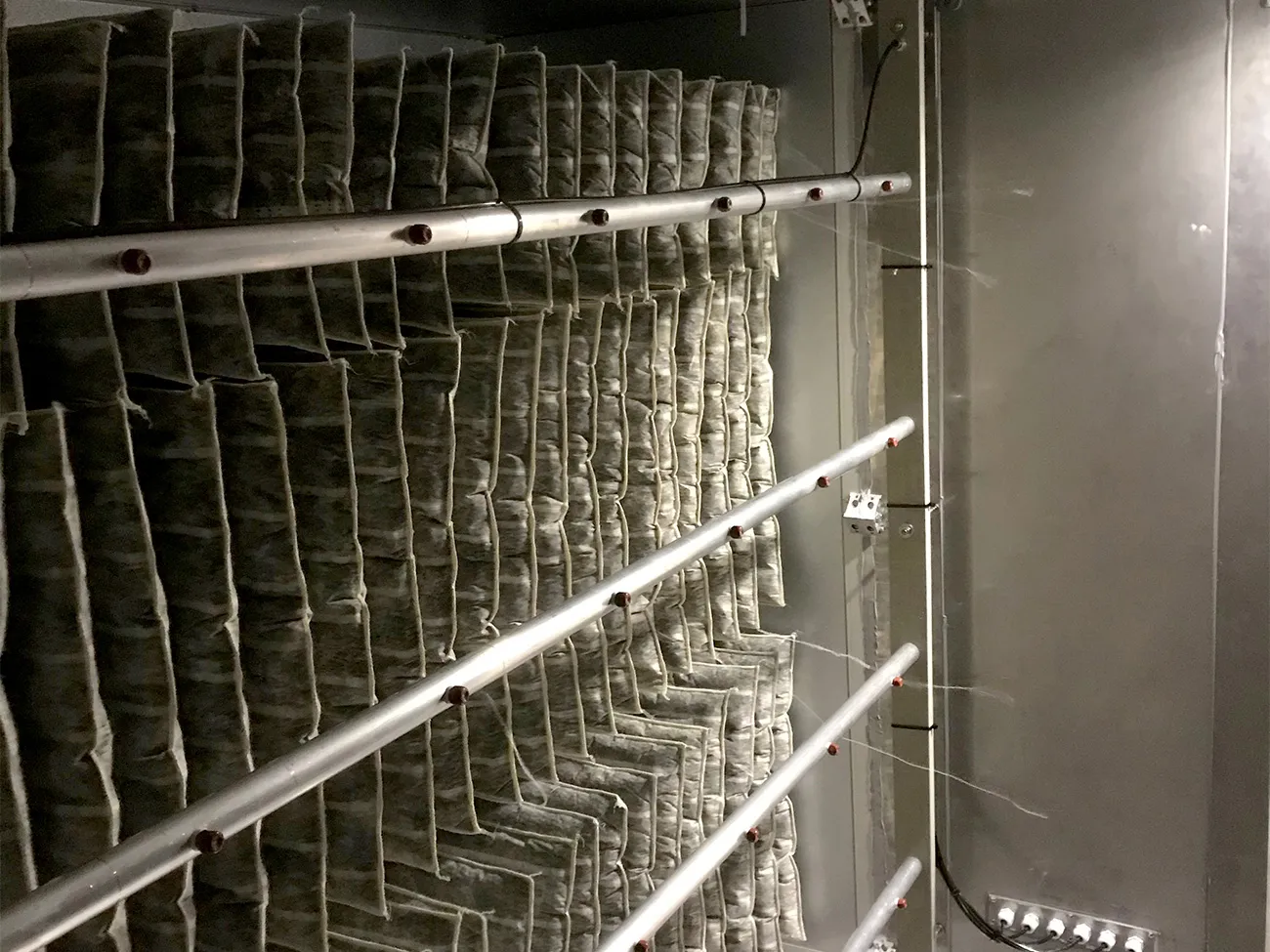
B-Eco atomises water at low pressure, in combination with a re-evaporation pack. “We call this two-stage hybrid operation,” says Briers. “It offers a range of benefits, including a low air-side pressure drop and exceptionally precise modulation of the amount of water atomised into the airstream. This method allows the unit to be controlled with great precision: at UZA, the deviation is less than 1 per cent.”
“We are impressed by the precision of the solution provided by DriSteem,” says Gestels. The choice of B-Eco followed lengthy discussions with the contractor. “I also had to be convinced of its control capability: I thought steam could be controlled more effectively. But it soon became clear that this concern was unfounded. We can monitor the humidification system’s operation at any time via our building management system, so we can rest easy. B-Eco works as precisely as a Swiss watch. If we need humidification again in future in areas where steam is not available, we will certainly choose this adiabatic system again.”
Question about this story? Ask your question
Keep following this
Get an email when a new story is published. No account needed.
- SubjectHospitals