











35,000 deaths a year in Europe from drug-resistant bacteria, and the toll is rising
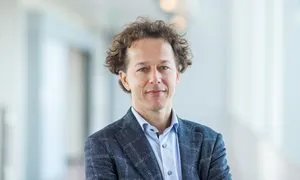
Heiman Wertheim comments on the ECDC’s new report
Every year, 35,000 people in Europe die from bacteria that are resistant to antibiotics, and that number is rising. This is according to a recent report by the European Centre for Disease Prevention and Control (ECDC). Some scientists fear that by 2050 more people will die from drug-resistant bacteria than from cancer. Can we still turn the tide? Heiman Wertheim, Head of the Department of Medical Microbiology and Head of the Centre for Infectious Diseases at Radboudumc, answers five questions about resistance.
How do bacteria become resistant?
‘Bacteria adapt easily when they find their environment uncomfortable, for example when exposed to antibiotics. They then change their DNA. They acquire genes from the environment or modify their own genes. Such a change can help them cope with the antibiotic. It may, for example, alter the antibiotic’s target, or enable the bacterium to break down the antibiotic or pump it out of the cell, preventing damage. Bacteria can also pass on these DNA changes. Resistant bacteria have an advantage when a patient is given a course of antibiotics. The patient then does not get better.’
What does this mean for society?
‘We face major challenges. Globalisation makes it easier for resistant bacteria to spread. An ageing population, budget cuts, staff shortages and the coronavirus pandemic are increasing pressure on healthcare. We know that rising demand for care leads to more problems with resistance. Under pressure from their workload, healthcare professionals are less able to comply with all infection prevention measures. Resistance can be prevented, among other things, through good hygiene, such as hand hygiene, targeted diagnostics and using the right antibiotic. We must keep investing to maintain these fundamentals. We need enough bedside staff, microbiologists, infection prevention specialists and infectious disease physicians. And we must remain proactive, draw up clear guidelines and implement them effectively. Things are going fairly well in the Netherlands, but southern Europe is not investing in this. If we do not continue to tackle resistance, a UK government study suggests that by 2050 we could see more deaths from resistance than from cancer. That does not seem an unlikely scenario to me.’
What is the situation in different countries?
‘In northern European countries, including the Netherlands, the problems are relatively limited because we have a strong healthcare system. We have good infrastructure, clear protocols and a proactive approach. However, this is now under pressure. In Europe, the problems are concentrated in the Mediterranean region, including Italy and Greece. Outside Europe, resistance is most widespread in Asia, especially India. Prevention does not receive the attention it needs in these regions, and there is a lack of policy and sensible approaches. Antibiotics are available everywhere and are used indiscriminately, even when they do not work for a patient at all.’
Are we still developing new antibiotics?
‘We need to change the business model for developing antibiotics. When a company develops a new drug, which costs a great deal of money, we initially keep it in reserve. We are cautious about using new drugs precisely because of resistance. Antibiotics are also usually used for only a short time. As a result, companies do not recoup their investment in antibiotics, even though they are needed for public health. Governments should really pay manufacturers to develop antibiotics. This is already happening to some extent, but it is still very difficult for companies. Fortunately, some new drugs are becoming available, and we are using them increasingly often.’
What can we do to turn the tide?
‘We can prevent resistance through well-organised prevention, diagnostics and appropriate treatment. That means tackling the problems at their root. We are also continuing research into areas such as the spread of resistance, faster diagnostics and new drugs. It is very important that we share our knowledge with countries where the situation is worse. For example, the Centre for Infectious Diseases organises masterclasses for healthcare professionals from abroad. Each is assigned a mentor who helps them apply their newly acquired knowledge after they return home. We can all be mindful of hygiene, and it is good to remind one another to maintain it.’
Question about this story? Ask your question
Keep following this
Get an email when a new story is published. No account needed.
- SubjectGeneral







