











Antwerp hospitals transport human tissue by drone
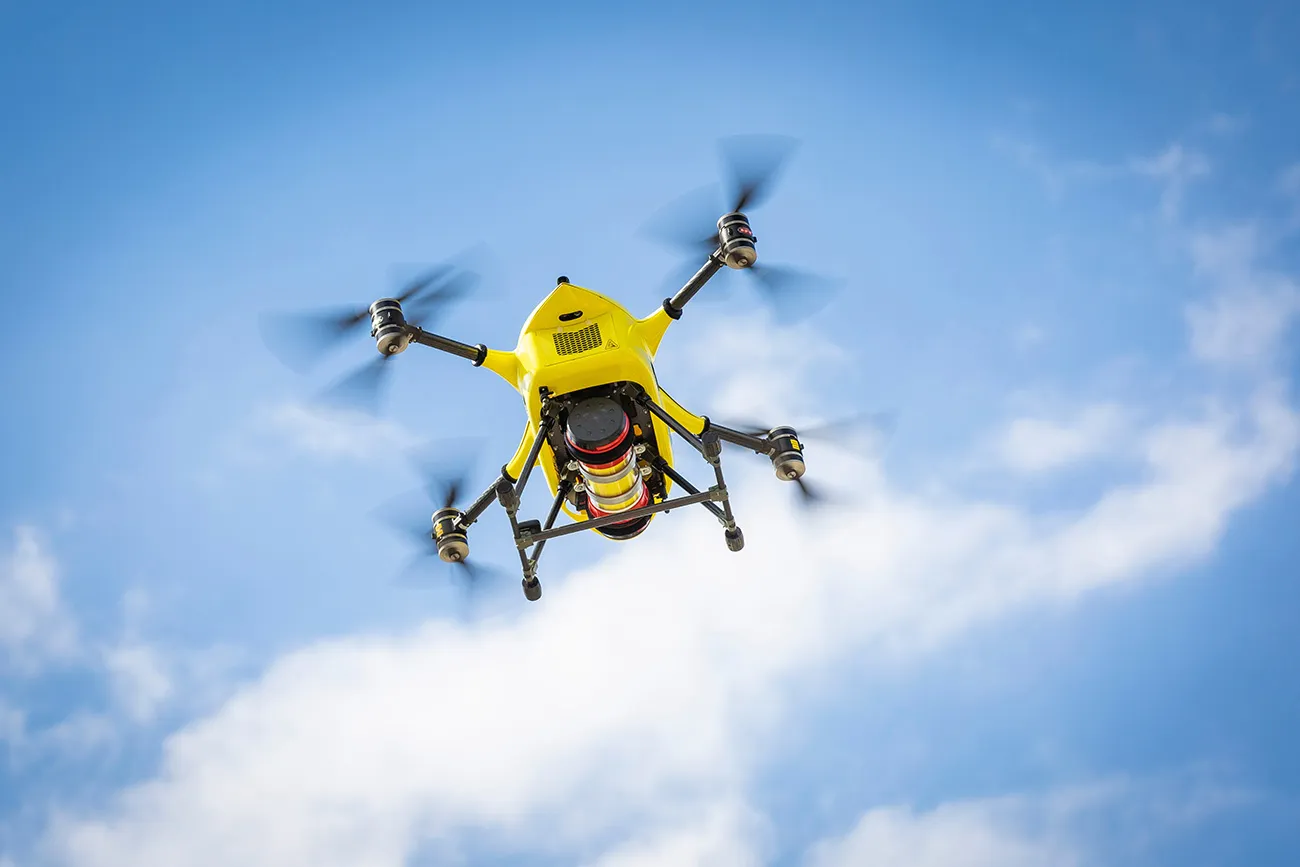
Ziekenhuis Netwerk Antwerpen (ZNA) and GZA Ziekenhuizen are the first hospitals in Europe to test the urgent transport of human tissue by drone between two sites. The test flight took place between the Middelheim hospitals (ZNA) and Sint-Augustinus (GZA).
Transporting such volumes by drone is much faster, more reliable, more environmentally friendly and cheaper than road transport. The flight was organised and carried out under the responsibility of drone airline Helicus. This Antwerp-based operator is the first in Europe to receive operational authorisation to fly over a city and beyond the pilot's line of sight. Helicus uses a drone made by Belgian manufacturer Sabca.
“Earlier this year, we announced that ZNA and GZA, which together have thirteen campuses, intend to merge. With this flight, we are demonstrating our shared commitment to innovation,” says ZNA chair Els van Doesburg. “Timely deliveries are vital for hospitals, even more so than in other sectors. With no traffic jams in the sky, flight times are reliable. In light traffic, it takes a car 21 minutes to travel the 13 kilometres from a sample at ZNA Jan Palfijn to the central lab at ZNA Middelheim. Much of the route is on Antwerp's congestion-prone Ring road, which can significantly increase the journey time. A drone, by contrast, always takes just 10 minutes.”
Promising technology
“We have now tested the transport of tissue, but there are many more possibilities for other samples, blood and medication,” says Willeke Dijkhoffz, CEO of GZA. “With test flights like this, we want to further develop the procedures and share our experience with the European authorities currently preparing the next set of legislation. We want to be ready when it comes into force in 2023, so we are already testing this promising technology. Drones also take some traffic off the roads, helping to make the city more liveable.”
Gaining experience
“The focus of flights like these is on further preparing aviation for the healthcare sector,” explains Mikael Shamim, CEO of Helicus. “It is about aligning and learning to work with new procedures and systems. This applies not only to us as the operator, but also to the aviation authorities, the city and the hospitals. That is why our drone carried measuring equipment as well as the sample.”
Pooling expertise
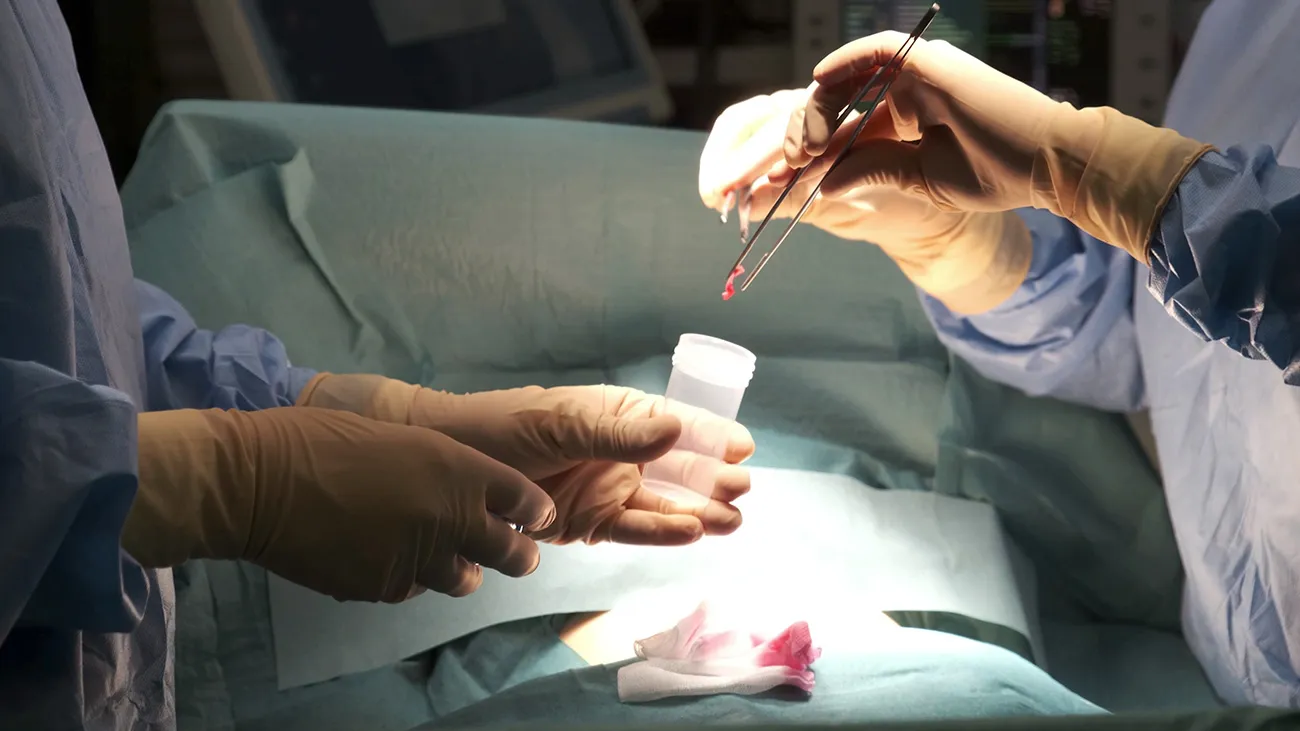
The test flight is also part of the development of a central anatomical pathology lab at ZNA Middelheim. This will make it possible to examine tissue samples with greater expertise and, in time, replace 900 taxi journeys a year between ZNA and GZA hospital sites with drone flights. By analysing all samples at the central lab, the tissues can be assessed by the most suitable pathologist. This improves quality and efficiency compared with having pathologists spread across multiple sites.
Question about this story? Ask your question
Keep following this
Get an email when a new story is published. No account needed.
- SubjectGeneral







