











Clear link between green space and health
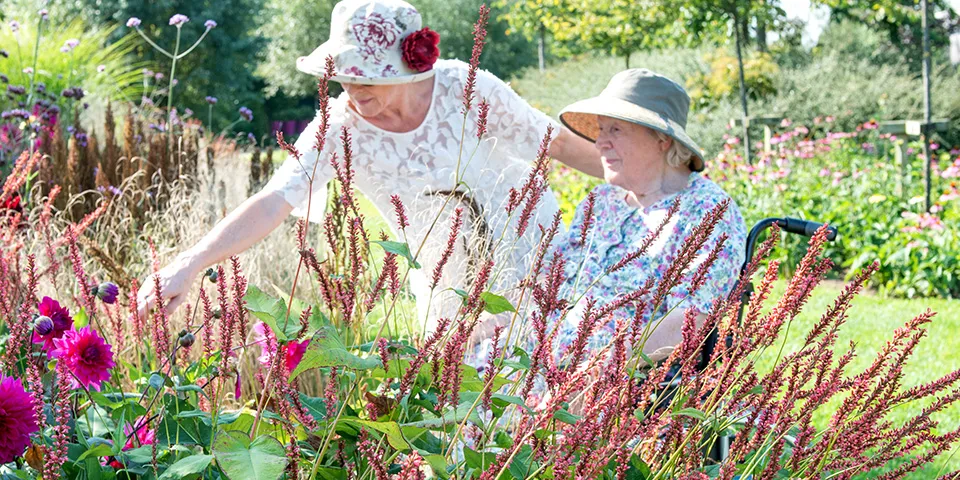
Green space touches people to their core. People feel happier, experience less stress and suffer less from anxiety disorders. The proven link between health and a green environment suggests that green space has a health-promoting effect and is therefore of great social value. After all, people who feel better are not only healthier, but also more productive.
PREVENTION
Healthcare is increasingly focused on preventing illness. A green environment contributes to prevention. “So, governments, make sure our cities have enough green space,” urges Prof. Dr Agnes van den Berg in a column in BPD magazine. “It makes people healthier.” Van den Berg is Professor of Nature Experience at the University of Groningen. She believes developers and urban designers must also take responsibility and plan for enough green space. She is supported in this by environmental psychologist Dr Sjerp de Vries, senior researcher at Wageningen Environmental Research. Since the amount of green space per resident would otherwise decline as density increases, he advises explicitly including green space in housing development plans. Research in the Netherlands and abroad has shown that there is a clear link between green space and health.
CONTACT WITH NATURE
De Vries points to various studies showing that contact with nature benefits people’s health and wellbeing. “Simply looking at green space has a positive effect. For example, patients recover faster from surgery if they have a view of green space,” says the researcher.
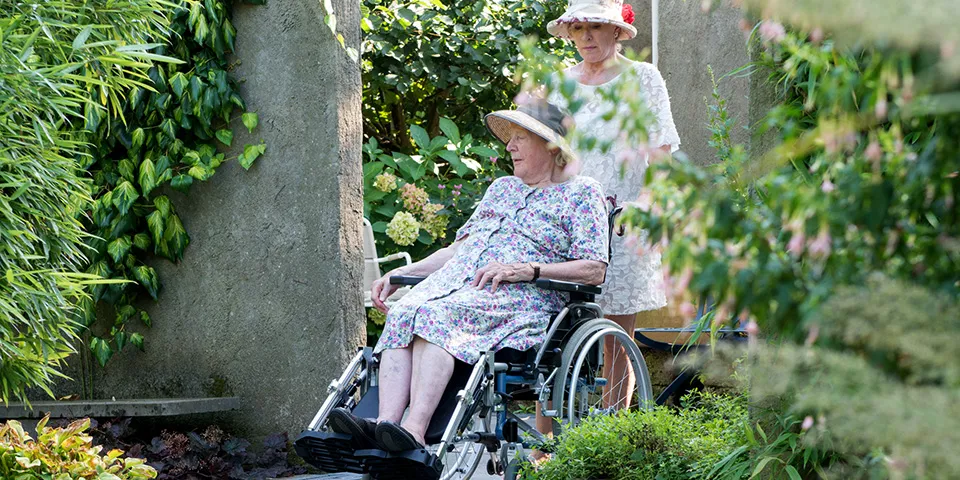
(Image: Maayke de Ridder)
His own research has shown him that nature affects people’s mental wellbeing. In one study, De Vries used a smartphone app to track how happy more than 4,000 people felt in their surroundings. The results showed that people generally feel happier when they are in a natural environment. The detailed account of this research is published in the WUR report ‘HappyHier’. Governments, urban planners and landscape architects can use the data to design living environments where people feel comfortable.
People also feel less stressed when they are in a green environment. “Perhaps nature increases emotional resilience, or perhaps people feel more grounded in a literal sense and are therefore less vulnerable,” De Vries suggests.
THE EFFECT OF DIFFERENT TYPES OF GREEN SPACE
The WUR researcher is working with European partners on an extensive literature review to identify the specific contributions made by different types of green space. “It is plausible that some types of green space matter more than others. For example, there is a case to be made that flowering plants and flowers have a more positive effect on mental health than grass, but hard evidence is still lacking. There are already indications, however, that trees have a greater effect than grass. One factor may be how green the visual field is at eye level,” says De Vries. “But it will also depend on how much someone relates to nature.”
For more information about greening public spaces, visit thegreencity.eu.
Question about this story? Ask your question
Keep following this
Get an email when a new story is published. No account needed.
- SubjectGeneral







