











De Suikerzijde in Groningen: building a strong social foundation and reducing pressure on care services
Text José Mulder Beeld Gemeente Groningen
In the coming years, one of the largest area developments in the north of the Netherlands will take shape on the former sugar factory site in Groningen: De Suikerzijde. This entirely new neighbourhood is one of the 17 national NOVEX locations, where the national government works closely with local authorities, including the municipality, to make the best possible use of space. While many new-build neighbourhoods still focus primarily on housing numbers and square metres, the Municipality of Groningen has a broader ambition: to build a strong society.
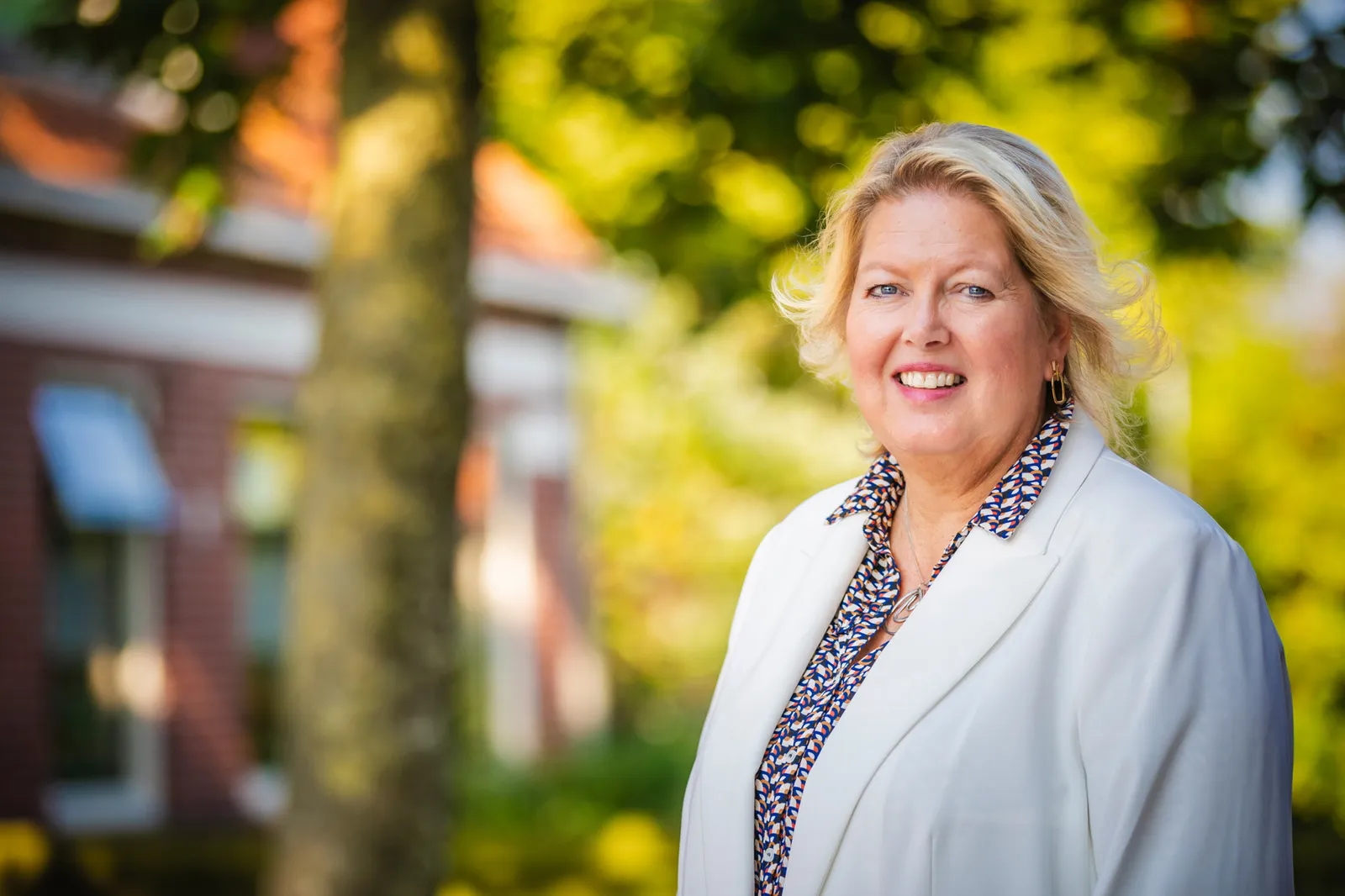
For the Municipality of Groningen, this is a unique opportunity to invest in a healthy, socially cohesive living environment from the outset. Inge Jongman, the alderman responsible for care, believes this is key to the future of care and wellbeing. “The realities of everyday life demand much more than simply building homes. We are seeing a growing sense of loneliness, the gap between rich and poor is widening, and pressure on care services is increasing. This calls for a strong foundation of social connections. The development of De Suikerzijde gives the Municipality of Groningen a unique opportunity to build a neighbourhood where liveability and inclusion are the foundations.”
Investing from the outset
What is striking is that Groningen is experimenting not only with spatial planning, but also with finance. Much care takes place in informal networks of family carers, volunteers and neighbourhood initiatives, yet the structure and funding needed to support this social foundation sustainably are often lacking. The municipality is therefore exploring a social investment model in which organisations that will later benefit from a healthy neighbourhood, such as health insurers, care providers and other social organisations, contribute to its development at an early stage. “We are asking health insurers and care providers to invest from the outset,” Jongman explains. “It is a bold move. But if we can demonstrate health gains, such as less loneliness, lower use of care services and greater self-reliance, everyone benefits.”
Physical infrastructure
The approximately 5,500 homes are being developed for different generations and groups, ranging from social and mid-market rented housing to owner-occupied homes and new forms of collective housing. The neighbourhood also has physical requirements that go beyond traditional facilities. These include accessible community spaces, multifunctional social facilities, homes suitable for care, and public spaces that encourage people to meet and be active. “We are making room for facilities such as a GP practice, physiotherapy, home care, elderly care and even a hairdresser. Not as a luxury, but as the foundation of a strong neighbourhood,” says Jongman.
A joined-up approach
Building and care are increasingly interconnected, forming a whole rather than separate parts. Jongman says: “If we want people to live independently for longer, family carers to keep going and neighbourhoods to become more resilient, we need to invest in this from the outset.” Care property is no longer focused solely on delivering care, but increasingly on delaying or even preventing care needs. Neighbourhoods that facilitate social contact, support family carers and encourage residents to stay active can help reduce loneliness, improve health and ease pressure on formal care services.
That also makes De Suikerzijde relevant nationwide. It serves as an example of how to redefine the role of area development at a time of growing demand for care, an ageing population and increasing social pressures. “If we can demonstrate that a strong social foundation can prevent the need for care, we can build it in from day one,” Jongman concludes.
Question about this story? Ask your question
Keep following this
Get an email when a new story is published. No account needed.
- ProjectDe Suikerzijde
- SubjectGeneral







