











Dedicated teams for common procedures
Text Tamara Brouwers Beeld Tom van Limpt
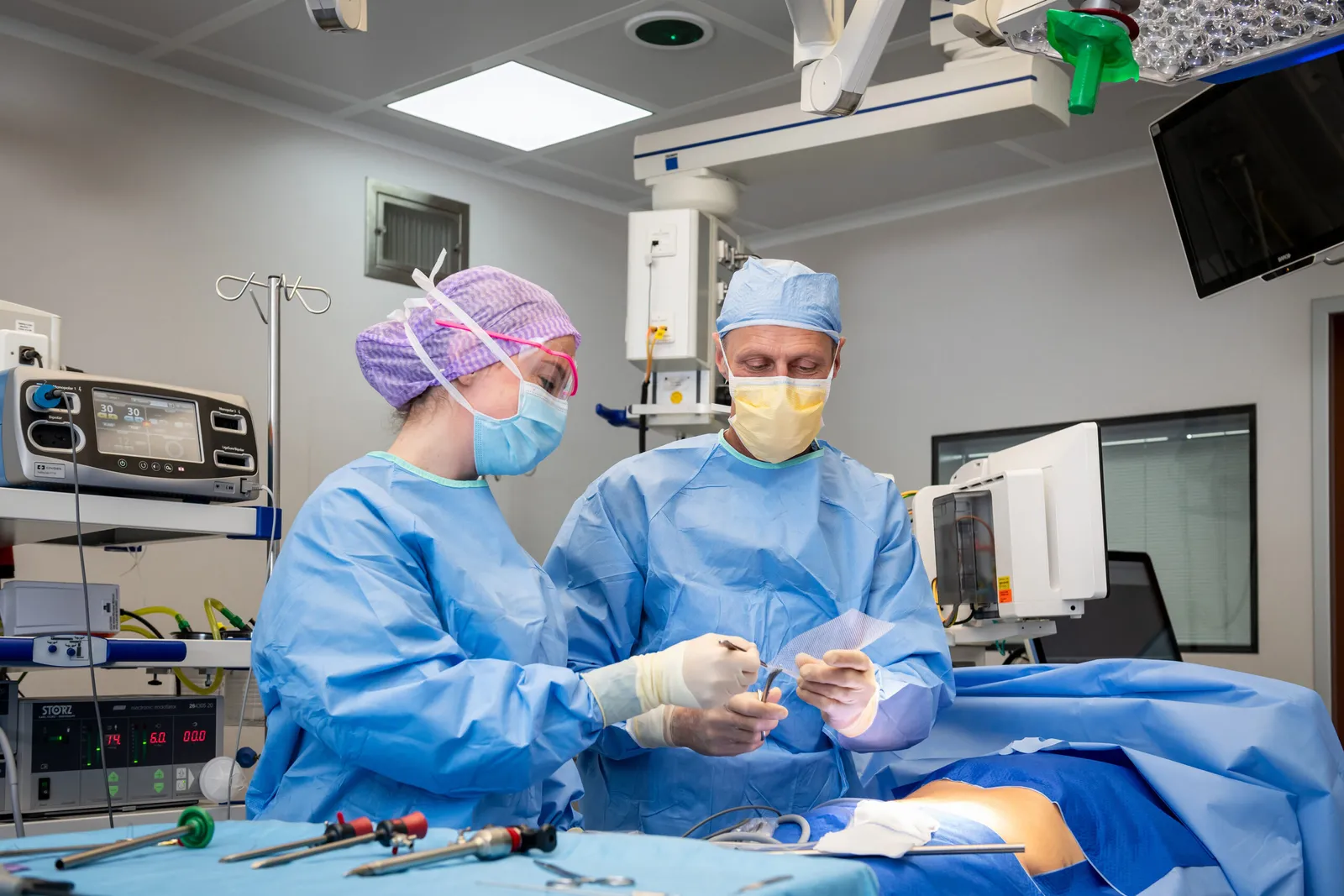
For hernia or gallbladder surgery, waiting times in some regions can stretch to several months. Anna Ziekenhuis is taking a different approach. Its specialist hernia and gallbladder care centres bring expertise, planning and delivery together for these common procedures.
Hernia and gallbladder operations are not among the most complex surgical procedures, but patients sometimes face long waits for them, says surgeon Arno Oomen. This was an important reason for introducing the new approach. “We saw that people sometimes had to wait a very long time for procedures that are relatively common,” he says. “At the same time, we know that we can provide this care well. The whole team is set up for it, not just the surgeon.” According to Oomen, it is not only about speed. The patient experience also plays an important role. From the first consultation through to aftercare, the same care professionals work together according to a standard approach. “Patients tell us they feel welcome, that their questions are answered and that they know what to expect. For us, that is just as important as short waiting times.”
Specialisation while retaining breadth
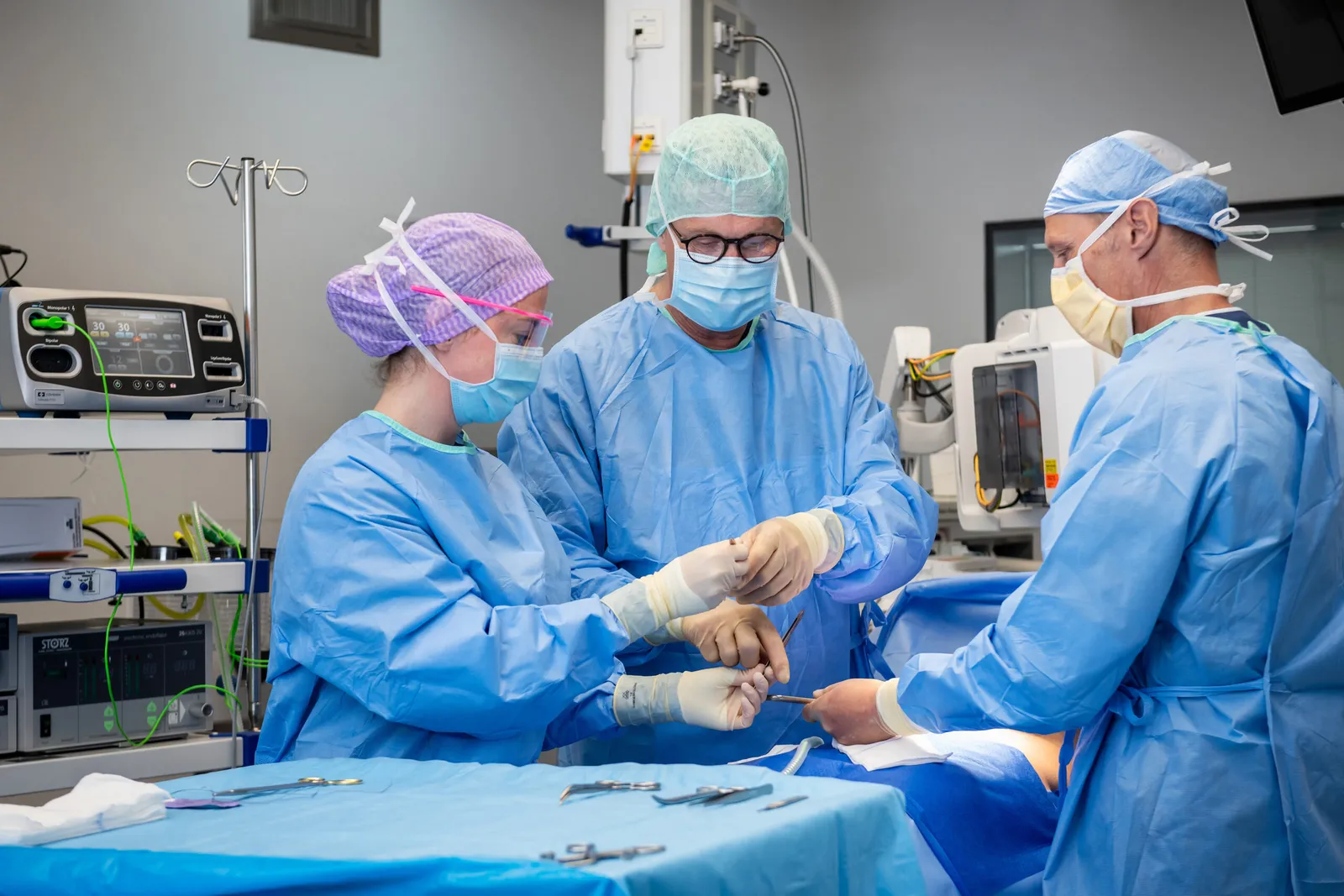
The centres are part of a broader trend in hospital care. Complex operations are increasingly concentrated in large specialist centres, while general hospitals focus on common procedures of relatively low complexity. Oomen says this trend makes sense, but also calls for balance. Teams need to perform certain procedures regularly to build experience and maintain quality. At the same time, he cautions against excessive specialisation. “For some treatments, it is important that teams perform a procedure regularly. At the same time, you have to make sure healthcare professionals do not end up working only in a very narrow sub-specialty.” That is why he considers collaboration between smaller general hospitals and larger teaching hospitals important. Complex care can be concentrated, while general hospitals continue to play an important role in common surgical procedures.
A short pathway from outpatient clinic to surgery
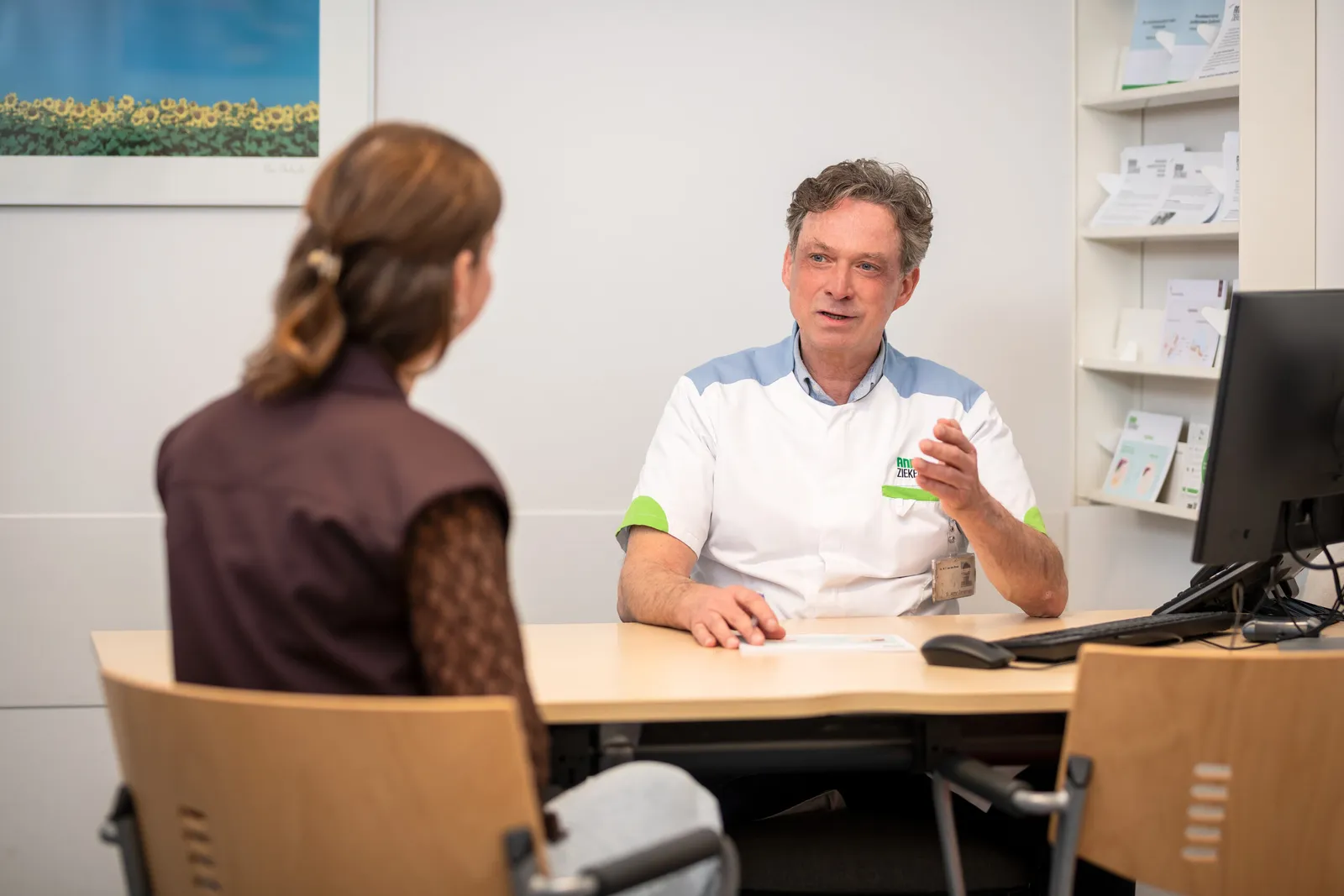
A key principle at the centres is to minimise the overall time from referral to treatment. The time patients wait for a first appointment is not the only factor; the period between consultation, preparation and surgery also counts. Dedicated clinics have therefore been set up for these patient groups. At some locations, only hernia patients are seen, and the consultation is combined with pre-operative screening where possible. The hospital aims to coordinate consultations, preparation and surgical scheduling as closely as possible.
Organisation also plays an important role in the operating department. The hospital works with relatively consistent surgical teams made up of surgeons, anaesthetic practitioners, nurses and day surgery centre staff. The vast majority of patients are treated using keyhole surgery. To make the best use of available capacity, dedicated operating sessions are scheduled. This can allow a surgeon to move straight to the next operating theatre after completing a procedure, with preparations there already under way. This requires close coordination between everyone involved. According to Oomen, this approach results in short waiting times. Patients can generally be seen in the outpatient clinic within about a week and often undergo surgery within a few weeks.
Recovery matters too
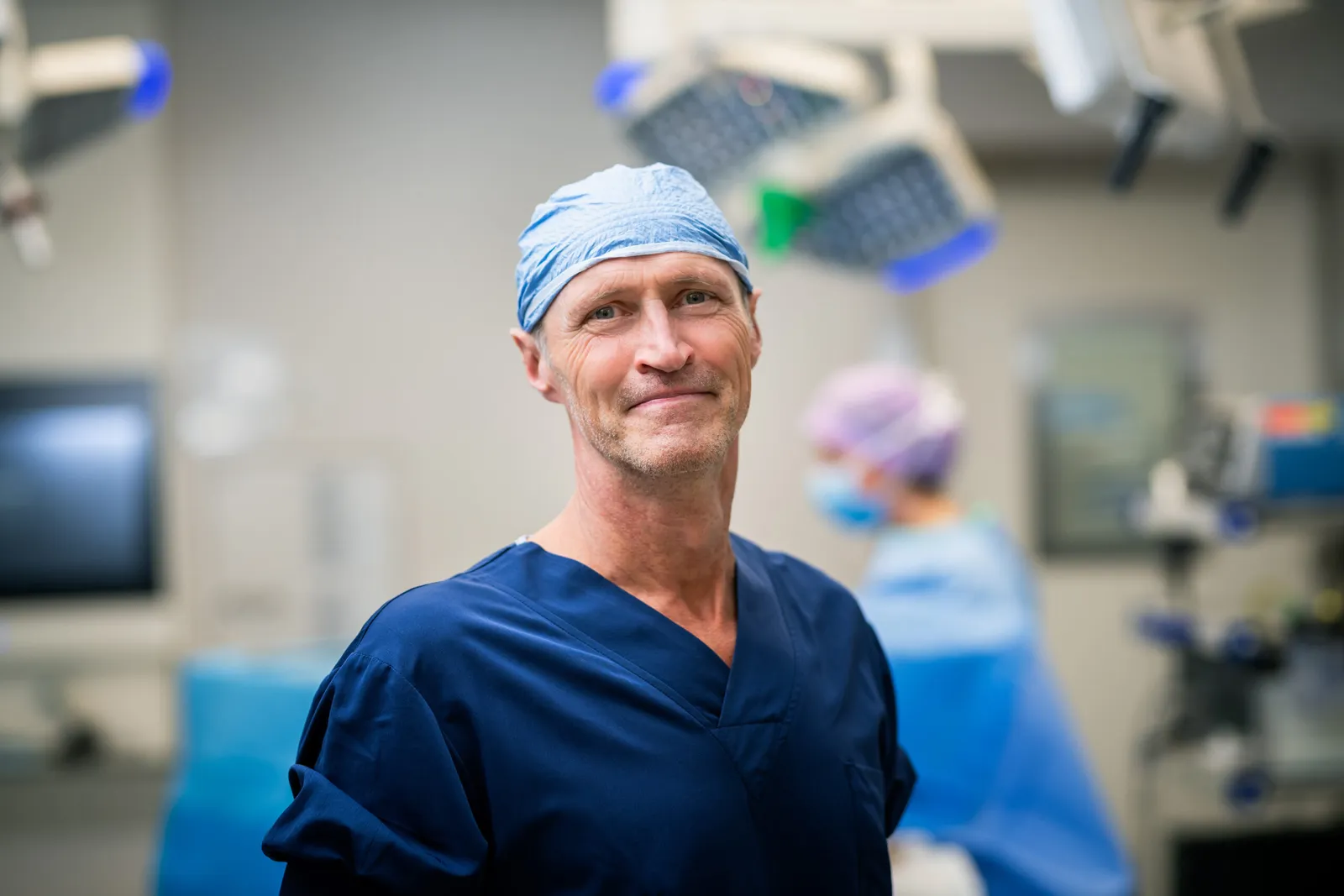
No separate departments have been set up for the centres. However, patient routes and logistics have been tailored to these groups. Aftercare is also part of the approach. Many patients do not need a routine follow-up appointment after surgery. If recovery is progressing as expected, follow-up is often by telephone. An appointment at the hospital is arranged only if needed.
Experience with the hernia centre has now laid the groundwork for extending this approach. In addition to gallbladder care, Anna Ziekenhuis is also looking at other common procedures for which a specialist care pathway could help organise care efficiently.
Question about this story? Ask your question
Keep following this
Get an email when a new story is published. No account needed.
- SubjectGeneral







