











Direct protection against infection through touch-free operation
The coronavirus is spreading uncertainty worldwide. Hand hygiene is essential for preventing infections and was already part of the daily routine in hospitals before the pandemic. But what is the point of washing your hands if the tap handle used to turn it off is covered in bacteria?
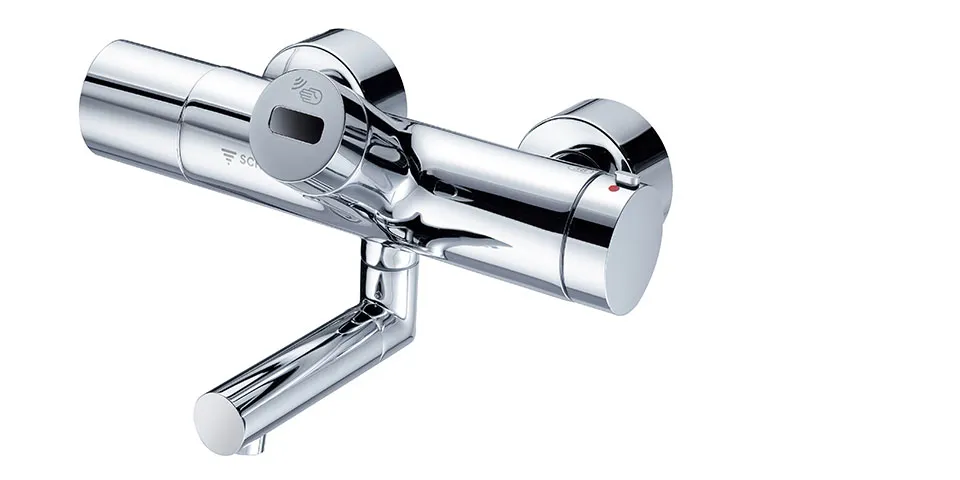
From a hygiene perspective, touch-free taps are therefore the best choice. If surfaces are not touched, bacteria and other pathogens cannot be transmitted. Sensor-operated, touch-free taps reduce the risk of infection from person to person by 80% compared with manual operation. This is particularly important in buildings with strict hygiene requirements, such as hospitals and care facilities. Self-closing taps are another option. They are turned on manually but stop the water flow automatically after a preset time.
Not only safer, but also more economical
The tap is usually left running for a while when washing hands. On average, around 4 litres of drinking water are used each time hands are washed. This is, of course, a waste of our ‘clean’ water. With Schell’s touch-free taps, hands can be washed thoroughly, after which a sensor automatically turns off the tap. This can deliver substantial water savings, of up to 70%.
Touch-free sanitary solutions
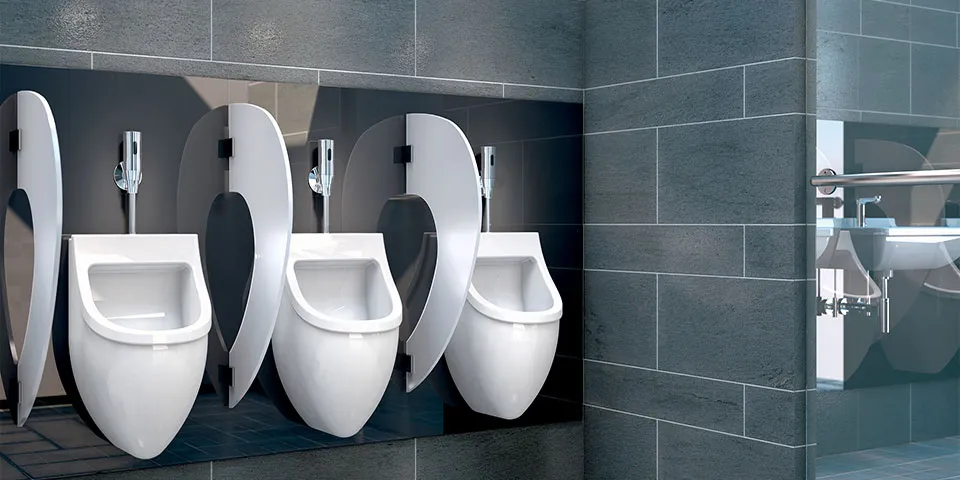
Basin taps are not the only potential source of pathogen transmission. Other fittings and surfaces in sanitary areas that are touched by different users also pose a risk. Examples include the flush buttons on toilets and urinals, and showers. In addition to a wide range of electronic touch-free basin taps, Schell also offers touch-free solutions for toilet and urinal flushing systems and showers, using various types of sensors. The electronic Vitus tap, developed specifically for hospitals, is available in both basin and shower versions.
Logging stagnation flushes
Legionella prevention is also an important issue in hospitals. To enable central management of electronic taps, Schell has developed the SSC Bluetooth® module. An app can be used to programme and monitor all connected taps. This makes it possible to monitor and log stagnation flushes, running times and consumption, for example. Building managers can therefore decide when flushing takes place, so as not to disturb patients’ sleep during recovery, for instance. All flushes are also saved in a clear, easy-to-read logbook.
Upgrade instead of replace
Unfortunately, renovating existing sanitary facilities is often not an option, as it takes a great deal of time and money. Surface-mounted solutions such as the Schelltronic make it possible to replace an old, manual urinal flush valve with an infrared-controlled tap without any further building work. Infrared sensor technology activates the flush without contact. All components are easily accessible and connected to each other using plugs. When the battery needs replacing, an LED flashes clearly in the sensor window. Changing the battery takes just 2 minutes.
A business enquiry for Schell? Get in touch
Companies in this story

Keep following this
Get an email when a new story is published. No account needed.
- SubjectGeneral
- CompanySchell







