Building for and by users
Text Jan-Kees VerschuureImage Rezie Leenders, Walter Sietinga
Totaal OK
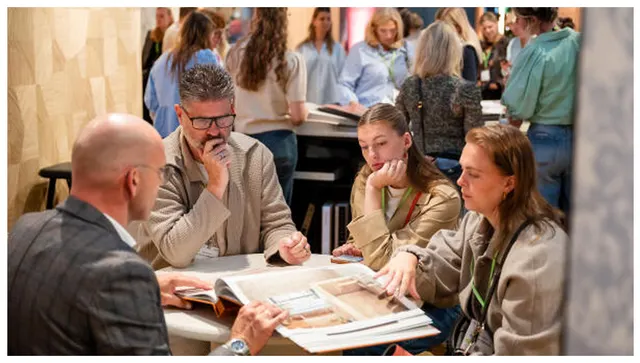
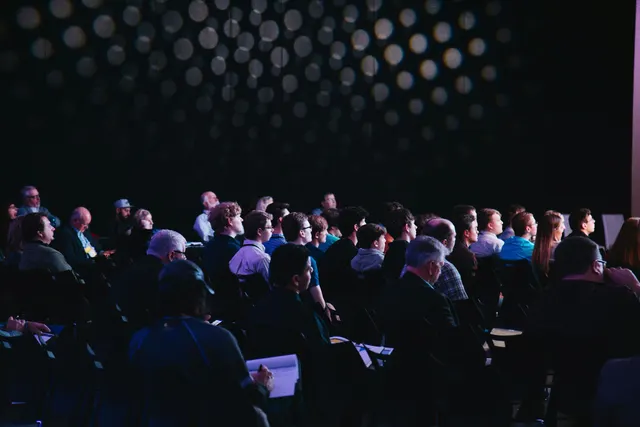
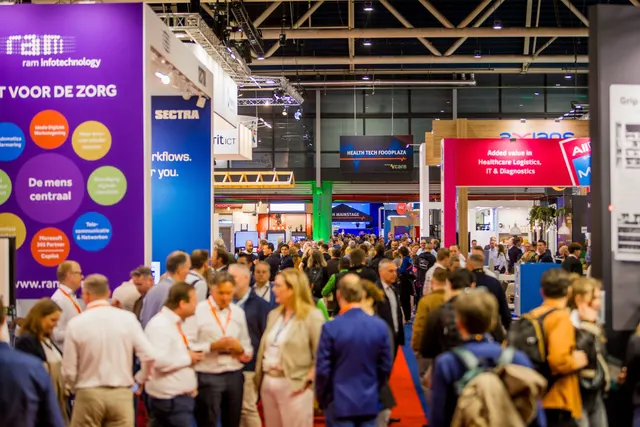
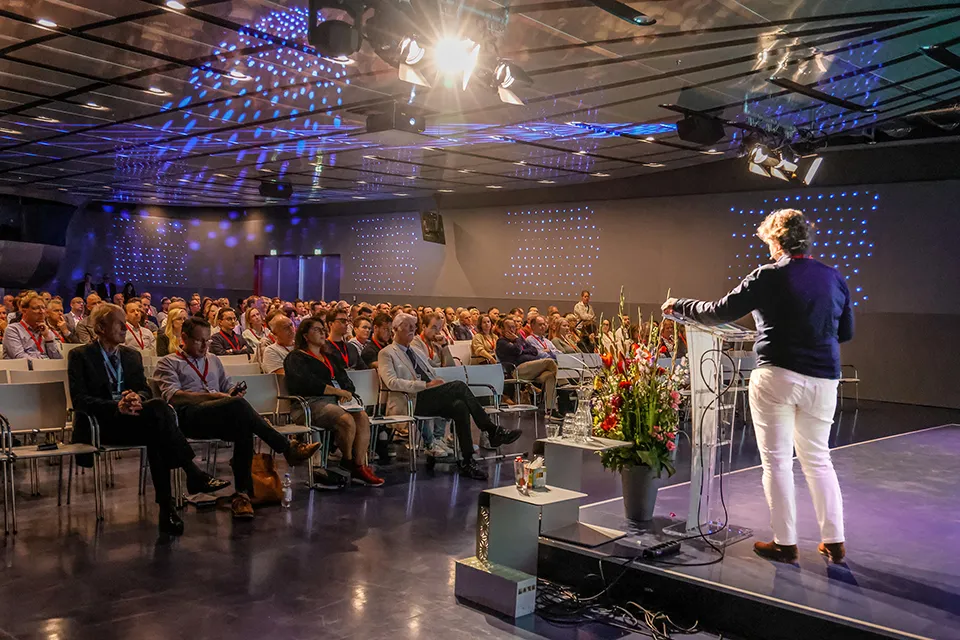
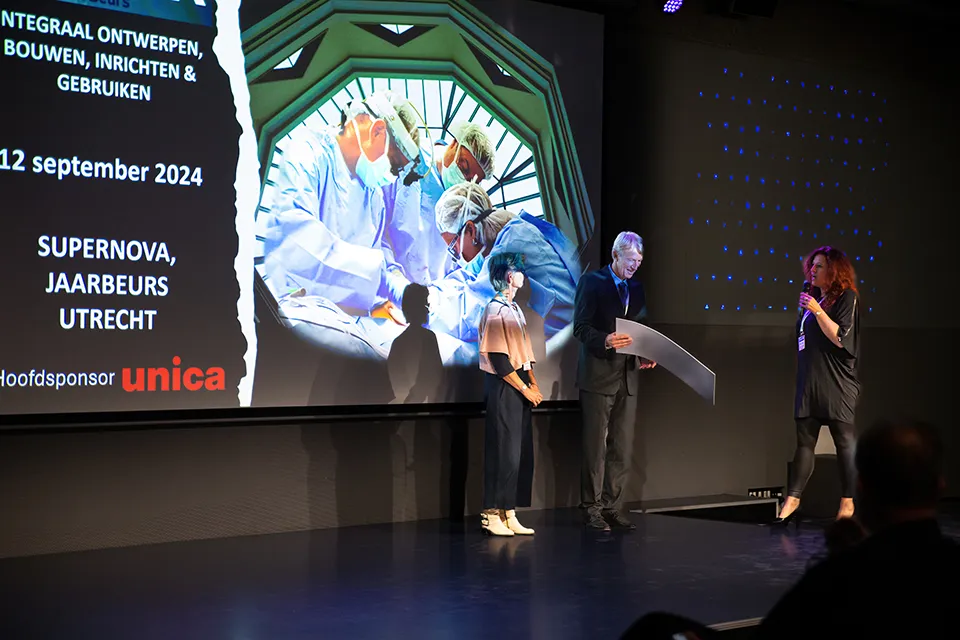
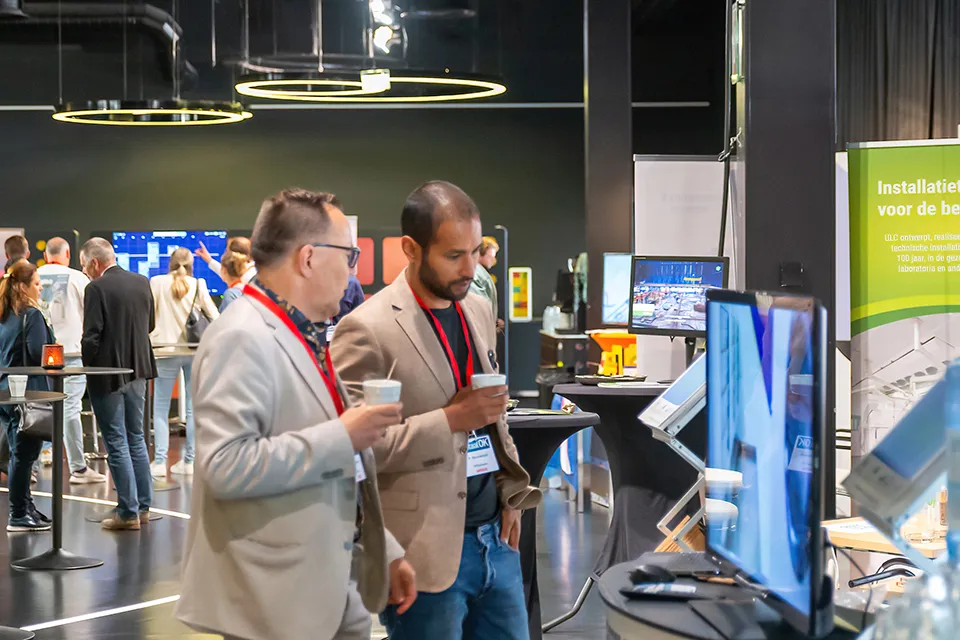
At Supernova Jaarbeurs Utrecht, the annual edition of Totaal OK, the conference and trade fair for operating theatre projects, took place on 12 September. The theme for 2024 was ‘Integrated design, construction, fit-out & use’. Designing with substantial input from users is standard practice. “If you want to get what you need, you have to say exactly what you need.”
In recent years, evolving regulations have accelerated the pace of operating theatre construction. Renovations and/or (temporary) development of operating theatre centres are being brought forward in various locations to meet the increased requirements. Specialists are also increasingly requesting hybrid operating theatres, as the use of imaging techniques improves medical treatment. These techniques are often supported by robotic technology, which can reduce the need for invasive procedures and, in turn, the length of patients’ hospital stays. This calls for different operating theatres and often entirely new operating theatre centres. One example is a drive-in operating theatre for day treatment at Reinier de Graaf Ziekenhuis in Delft. Patients park beneath the operating theatre and are then treated surgically without using the hospital’s usual entrance. Such special facilities are by no means unusual: the first MRI operating theatre in the Netherlands was developed for Prinses Máxima Centrum, as described below.
OLVG Oost
Thomas Brouwer of EGM architecten and Letty Koopman-Springer, operations manager at OLVG, shared the story of the complete renovation and expansion of the operating theatre centre at the Oost site, on a fully built-up plot in the heart of Amsterdam. 14 existing operating theatres were renovated and 6 new 50-square-metre operating theatres were added. Space for phased construction and relocation was created by building a temporary new facility in the courtyard garden. Koopman-Springer spoke from the users’ perspective. “You need to know when to involve staff and set decision-making milestones. We made decisions with specialists after a mock-up had been built, for example. A project delivery team also needs to include both doers and thinkers. And it always turns out that you can never have enough power sockets in an operating theatre.” Renovating existing operating theatres is complicated, she says. “Opt for new construction whenever you can.”
Process-led design
Antonius-Sneek also underwent a complete renovation. Janet Vissinga, managing director of the construction consultancy involved, OKCN, advocates process-led design with maximum input from users. “Not construction drawings, but care processes with the user in the lead.”
Interactive design does mean having to think about everything, from equipment footprint lists to goods logistics. It paid off: within a total project period running from 2019 to 2024, the operating theatres were delivered in just two years. “If you want to get what you need, you have to say exactly what you need.”
Interior architect Lailla Elmessaoudi (assar) shared some interesting observations about the fit-out of operating theatre centres. “Don’t forget aesthetics in a technical environment, especially in recovery.” Wall graphics, access to daylight and the colour temperature of the lighting can all contribute significantly to a healing environment, Elmessaoudi said. The examples came from Belgium. Thomas Brouwer took the same approach to the fit-out of the OLVG project: prints by Amsterdam artists such as Herman Brood and Rembrandt adorn the clinical environment in a carefully selected colour palette.
Imaging techniques
Specialists such as vascular and neurosurgeons often have to fight to save their patients’ lives. Imaging techniques can help save lives during operations on, for example, aortas and brain tumours. This led to hybrid operating theatres for vascular surgery and neurosurgery at Spaarne Gasthuis and Prinses Máxima Centrum respectively. “A well-functioning hybrid operating theatre is vital to us,” says vascular surgeon Roderik Metz of Spaarne Gasthuis (Haarlem region). Together with the construction team, he developed a hybrid operating theatre designed specifically for vascular surgery. The joint approach extended down to the smallest details. SPIE, the contractor, surveyed the rooms using a 3D laser scanner, and the entire construction sequence was modelled in BIM. The installers were then given an iPad to guide their work using the 3D BIM model. “That proved enormously helpful, including in reducing
rework costs.”
MRI operating theatre
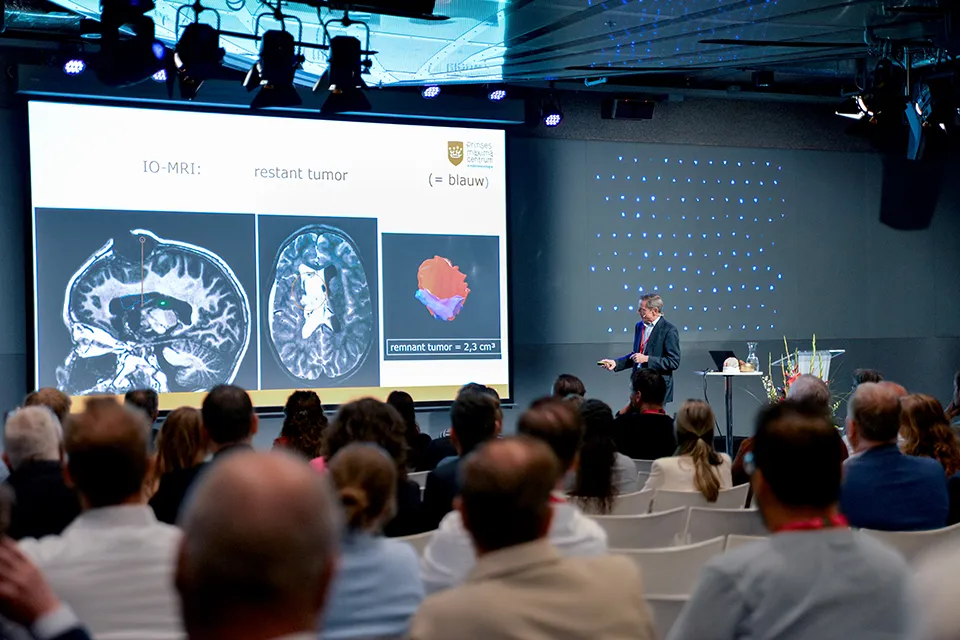
In Utrecht, Prinses Máxima Centrum acquired an intraoperative MRI operating theatre, the first of its kind in the Netherlands. The initiative came from neurosurgeon Eelco Hoving, who spoke at the end of the day. Bas van Eijndhoven, partner adviser at construction management firm 4Building, gave the most striking account. The construction partners’ involvement in the project was special, he said, because this operating theatre can extend the lives of children with brain tumours. This led to a programme of requirements that evolved as new insights emerged. When the operating theatre was fitted with a heavier MRI scanner than planned, the entire design had to be reworked. In the end, the solution was an extension on stilts, between the existing operating theatres. Everything possible was rehearsed and practised in mock-ups. “Eelco Hoving knew exactly what he wanted to achieve, but using it is still pioneering.” Van Eijndhoven waited until the operation was over during the first brain surgery in the MRI operating theatre. “I still get goosebumps thinking about it.”
Sustainability
Less emotive, but certainly increasingly important, is the challenge of making hospitals more sustainable. The healthcare sector accounts for 7% of total CO2 emissions in the Netherlands and can often make significant progress. Many hospitals are tied to contracts for grey electricity, and hospitals also generate huge amounts of waste. “One hospital bed produces around 1,400 kilos of waste a year,” says Frank Willem Jansen, chair of Landelijk Netwerk de Groene OK. It is already well known that operating theatres, with their focus on safety, are reluctant to cut back on use. Raising awareness is essential, says Jansen. “We need to ask ourselves whether we can do a little less across the board: use more intravenous anaesthesia and fewer anaesthetic gases; does the air treatment system really need to run 24/7? And can I reuse that overall? Truly going green means not doing something, or doing less.”
Green Operating Theatre Barometer
Landelijk Netwerk de Groene OK has therefore launched a Green Operating Theatre Barometer, a scientifically supported ‘competition’ that allows hospitals to compare and improve their sustainability performance. 36 of the 70 hospitals contacted in the Netherlands are taking part. After a second year of operation, the professor involved with LUMC and TU Delft will be able to say more about the Barometer’s results.
A business enquiry for OKCN? Get in touch
Companies in this story
Keep following this
Get an email when a new story is published. No account needed.
- SubjectEvents
- CompanyOKCN