











Grant gives major boost to quality-of-life improvement project for women with vulvar cancer
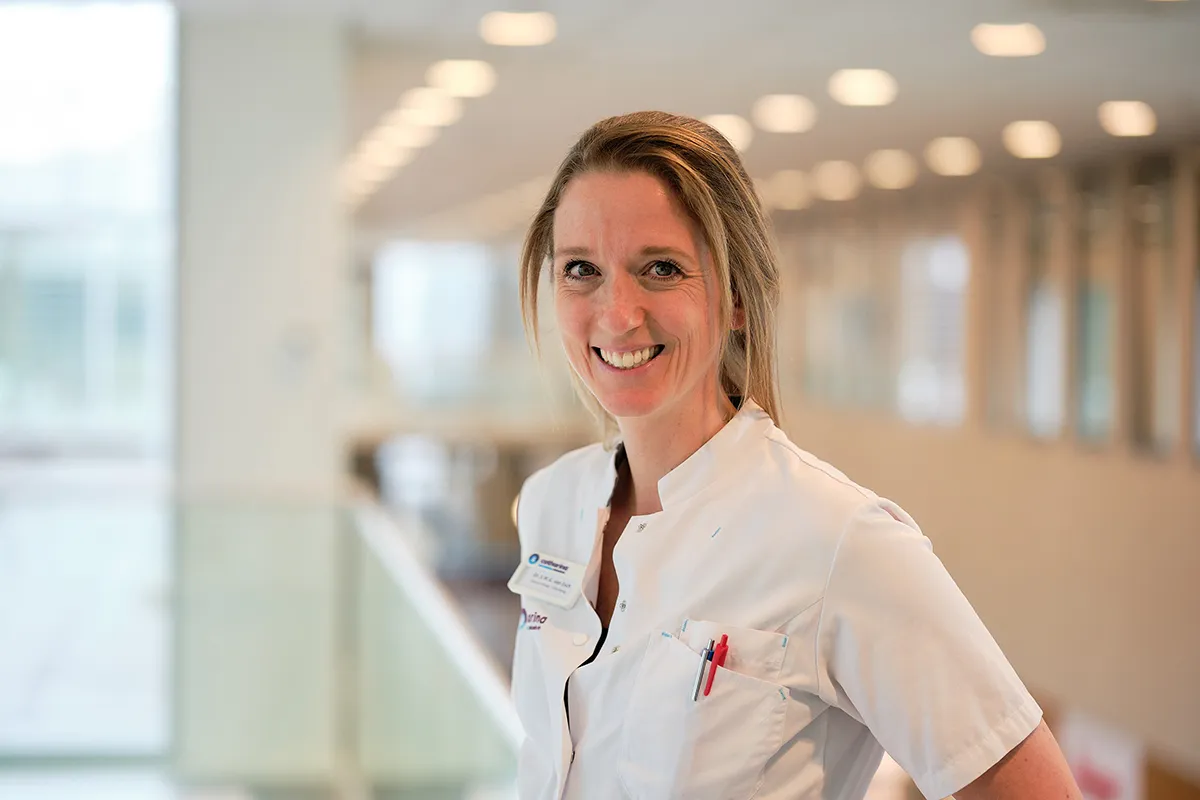
Catharina Ziekenhuis, Amsterdam UMC and the NVOG have jointly received a major grant for a national project aimed at improving care for women with vulvar cancer. IMPACT-V aims to improve these women’s quality of life and develop a national care pathway.
Vulvar cancer, perhaps better known as cancer of the labia, is a rare but devastating form of cancer that affects around 400 women in the Netherlands each year. Read more about the disease here. Catharina Ziekenhuis in Eindhoven, one of nine specialist treatment centres in the Netherlands*, is dedicated to improving care and treatment for the disease.
The national project team, led by Edith van Esch, gynaecological oncologist at Catharina Ziekenhuis and initiator/project lead of IMPACT-V, was recently awarded a major grant by SKMS (Stichting Kwaliteitsgelden Medisch Specialisten) to evaluate and improve the quality of care and follow-up care for these patients. The project is being developed in close collaboration with Dr Annemijn Aarts, gynaecological oncologist at Amsterdam UMC, the Dutch Association for Obstetrics and Gynaecology (NVOG) and the Dutch Gynaecological Oncology Audit (DGOA).
The improvements to care and follow-up care will result in a national care pathway. This is a set of methods and resources for a particular group of patients. A care pathway clarifies the steps in the care process: it sets out the journey a patient follows and which healthcare professional takes which actions, and when.
Growing awareness of the impact
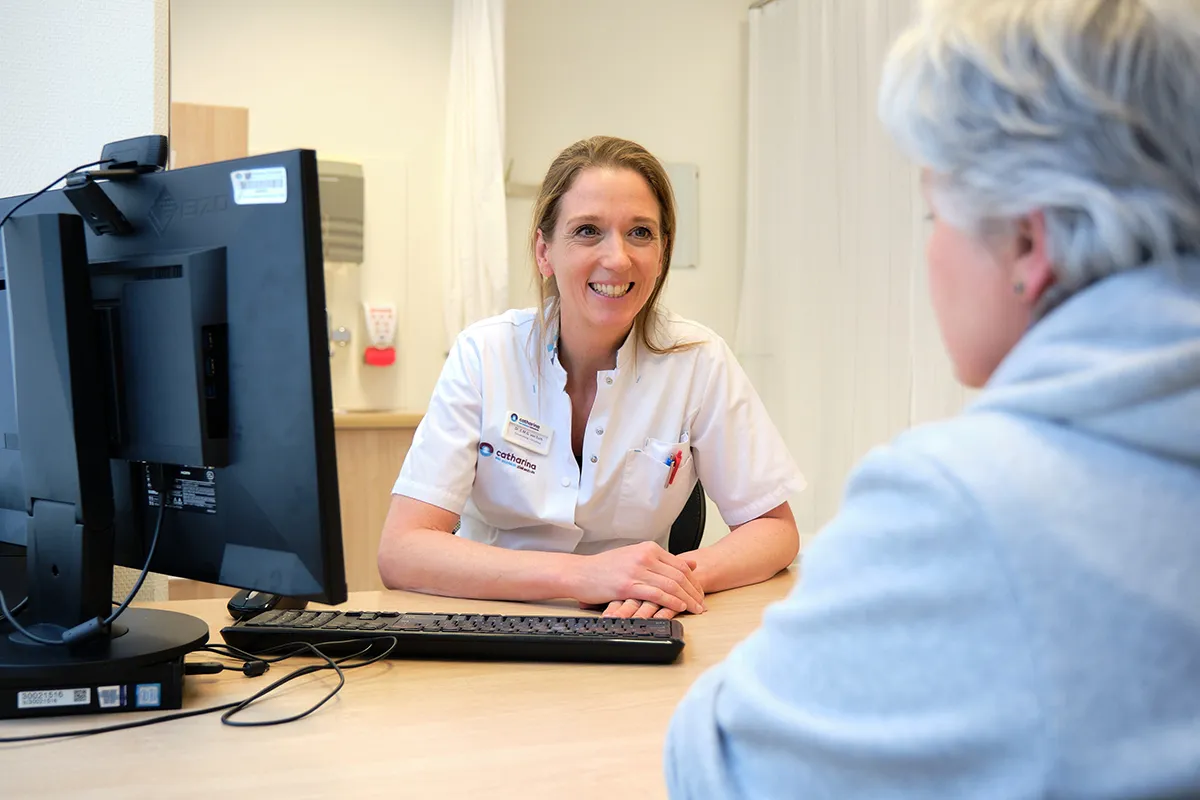
On the impact of the disease: Van Esch knows better than anyone how greatly vulvar cancer can affect patients’ lives. “Women experience many symptoms, both before and after treatment, and often find it difficult to talk about them,” she says. “How do you explain that you have cancer of the labia? And what the consequences are? What do you tell your family or friends? There is still a major taboo around this disease for many patients.” She has seen the number of vulvar cancer diagnoses rise, which may be why more and more people are becoming aware of the disease’s impact.
The project team will use the SKMS grant to drive improvements in quality of life and follow-up care. “We want to find out how we can improve care from the patient’s perspective,” says Van Esch. “How can we support women in their physical and emotional recovery? IMPACT-V will focus on quality of life, body image and psychosexual functioning (the relationship between a person’s psychological and sexual wellbeing, ed.) using a set of questions developed by patients and healthcare professionals.”
Astrid Machielsen, a gynaecology trainee, compiled the questionnaire that participating patients will receive as a clinical researcher. “We are keen to improve care and follow-up care for patients and their loved ones, but we did not yet know exactly which aspects to focus on. We therefore conducted a Delphi study, a research method that gathers the views of a large number of experts, in this case around seventy healthcare professionals, patients and relatives, on a topic where there is no consensus.”
Machielsen and her colleagues certainly expected physical symptoms and sexuality after surgery to be important. “What stood out was that patients and partners wanted more information about both the treatment pathway and the impact treatment can have on sexuality. Treatment changes the vulva, and patients are sometimes afraid and feel they lack information and support. The IMPACT-V project will therefore give this area more attention.”
Surgical and oncological outcomes assessed
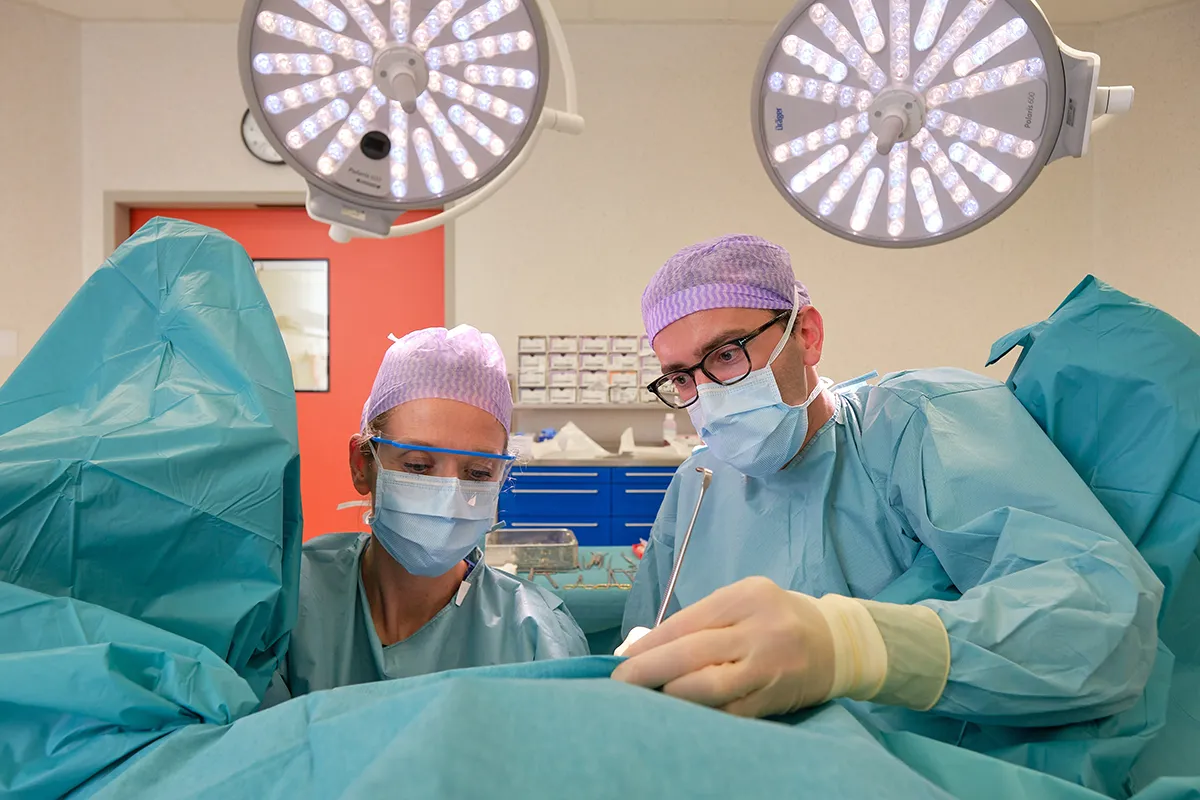
Surgical and oncological outcomes will also be assessed, including the role of reconstructive surgery. This involves surgically repairing the operated area using skin or tissue from other parts of the body. Earlier research on this was carried out by Catharina Ziekenhuis in collaboration with Amsterdam UMC, Radboudumc (Nijmegen) and MUMC+ (Maastricht), involving 394 women who underwent surgery for vulvar cancer between 2018 and 2021.
Clinical researcher Justin Delahaije stresses the challenges involved in vulvar surgery. “The vulva is a sensitive area, and wounds here heal less easily than elsewhere on the body. More than half of women develop wound problems, such as infections or wounds that remain open for longer. This leads to longer hospital stays and considerable discomfort for patients.”
He investigated risk factors for wound complications and the effect of using reconstructive surgery. “This means that, during the same operation, the plastic surgeon repairs the operated area using skin or tissue moved from another part of the body. Our research found that these reconstructions do not reduce the number of complications, but they are often less severe,” Delahaije explains.
According to Delahaije, reconstructive surgery is important because it helps restore the vulva more effectively. “Without reconstruction, the vulva may remain damaged by changes to its anatomy and extensive scarring, which can have major consequences for urination, sexuality and a woman’s self-image. Plastic surgery may help reduce this damage.”
He continues: “This is important for patients’ recovery and quality of life. Plastic surgery now also makes it possible to successfully operate on larger and more complex tumours that could not previously be operated on. It is also important to preserve the anatomy as much as possible.”
Much remains to be done
Although plastic surgery may offer improvements, much remains to be done. “Even after reconstruction, women often have no sensation in the operated area,” Van Esch explains. “Thanks to this grant, we are taking an important step. Our aim is to offer women with vulvar cancer a better future. The findings of this quality improvement project will be incorporated into a national care pathway to reduce variation in clinical practice and improve patient information and the quality of care and follow-up care.”
*The nine collaborating referral centres are Amsterdam UMC, Antoni van Leeuwenhoek (Amsterdam), Catharina Ziekenhuis, Leids Universitair Medisch Centrum, Maastricht UMC+, Radboudumc (Nijmegen), Universitair Medisch Centrum Groningen, Erasmus MC (Rotterdam) and UMC Utrecht.
Question about this story? Ask your question
Keep following this
Get an email when a new story is published. No account needed.
- SubjectGeneral







