











Growing threat from resistant pathogens underestimated
World Antimicrobial Awareness Week (WAAW)
The Netherlands is not sufficiently concerned about the growing risk posed by pathogens that are resistant to medicines such as antibiotics. People are increasingly becoming seriously ill or dying because medicines no longer work. During World Antimicrobial Awareness Week, from 18 to 24 November, Samenwerking Infectieziekten is launching the Infection Checklist, designed to warn and better protect both sick and healthy people against infections and resistance.
Increasing numbers of people around the world are contracting infectious diseases caused by viruses, bacteria, fungi or parasites. Infectious diseases are also common in the Netherlands. Around 30,000 people in the Netherlands are admitted to hospital with an infectious disease each year, and more than 4,000 died from one in 2024. Around one million women visit their GP each year because of a urinary tract infection, which is usually caused by bacteria. Some infectious diseases are caused by pathogenic fungi. Around 250,000 people develop a serious, chronic fungal infection. In around 3,000 patients, the fungus even enters the bloodstream or affects the organs.
Serious consequences
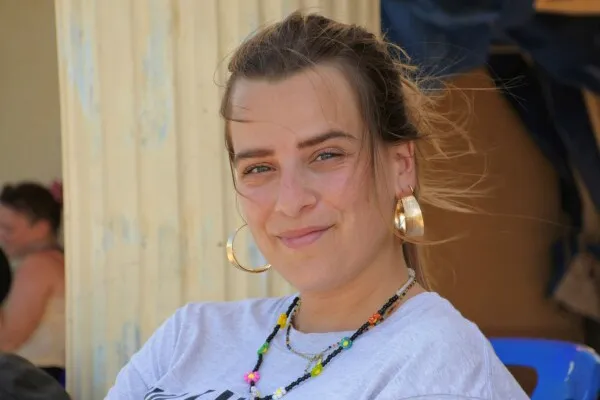
Stefanie Buenrostro (26) from Rotterdam knows better than most that infections can have serious consequences. She was struck by the dangerous, resistant fungus Aspergillus fumigatus, which nearly killed her. Rinke van den Brink (70) from Amsterdam experienced antibiotic resistance after developing appendicitis. As a result, he developed peritonitis and sepsis (blood poisoning). Marieke Teunissen’s daughter from Etten-Leur lost consciousness at the age of four after contracting a serious meningococcal infection.
Urgent action needed
Margriet Schneider, chair of Samenwerking Infectieziekten: “The problem of resistance must be tackled urgently. We need to invest much more in developing new medicines and using antibiotics responsibly. It is also important to limit the use of antifungal agents in agriculture, especially when they contain substances that are also needed in medicines for people. But we, too, can and must do more for one another to combat infections and resistance. The Infection Checklist can help.”
The Infection Checklist
1. Be smarter
Germs are smart: they constantly adapt, meaning that existing treatments and medicines such as antibiotics stop working. We therefore need to act more intelligently. Even if you have never taken antibiotics, you can still become infected with a resistant bacterium. Such an infection is harder to treat and increases the risk of complications. So use antibiotics responsibly and complete the course.
2. Act together
Together, we must protect people whose health is vulnerable, such as babies, pregnant women, people with chronic illnesses and older people. They are more susceptible to infections and are often more seriously affected by them. Someone with a cold or flu can make another person with poorer health much more seriously ill. Work from home if you can, and postpone visiting someone vulnerable if you are not feeling well yourself. And if you are considering vaccinations for yourself or your children, think too about the suffering you could prevent for others.
3. Speak up
Do not assume that everything will be fine. Make others aware of the risks of infection and the importance of acting responsibly. This helps prevent you from passing infections on to one another.
4. Travel safely
Travel abroad increases the risk of infection. You can also bring resistant bacteria home with you. Check the travel advice for each country before you go and find out whether vaccinations are needed. Pay attention to the quality of drinking water, wash your hands regularly and eat only thoroughly cooked food. You can also become ill in European countries, for example from ticks (meningitis) and mosquitoes (such as dengue and West Nile virus).
5. Assess your risks
Pay close attention to potential risks in your surroundings. Is there mould in your home? Do you work in a profession where the risk of infection is higher, such as healthcare or education? Is there a contagious disease circulating in your area? Are there farms where pesticides are used, or livestock farms where animal diseases that can be transmitted to people (zoonoses) occur? Consider whether you can prevent, avoid or reduce these risks as much as possible.
World Antimicrobial Awareness Week (WAAW)
Around the world, 1.3 million people die as a result of resistance. World Antimicrobial Awareness Week (WAAW) is a global campaign organised by the World Health Organization (WHO). Its aim is to raise awareness and understanding of antimicrobial resistance (AMR) and tackle the spread of resistant pathogens.
Samenwerking Infectieziekten also believes that the Dutch government must take action. Although there is a National Action Plan on Antimicrobial Resistance 2024-2030, much still needs to be done in practice. A broad-based approach is needed to combat infectious diseases and AMR, with much greater attention to vulnerable people and a serious commitment to research and innovation, for example into new treatment methods.
Working towards infection safety
Samenwerking Infectieziekten is an initiative of medical specialists, patients and the Samenwerkende Gezondheidsfondsen. The initiative is committed to improving the approach to infectious diseases and resistance. Its work covers prevention, diagnosis, treatment, information & research, and promoting collaboration and dialogue between professionals, patients and policymakers.
Question about this story? Ask your question
Keep following this
Get an email when a new story is published. No account needed.
- SubjectGeneral







