











Healthcare roundup
Text Koen MortelmansImage Nicolas Buisseret, Mike van Bemmelen, Vives en Kenan Zhang
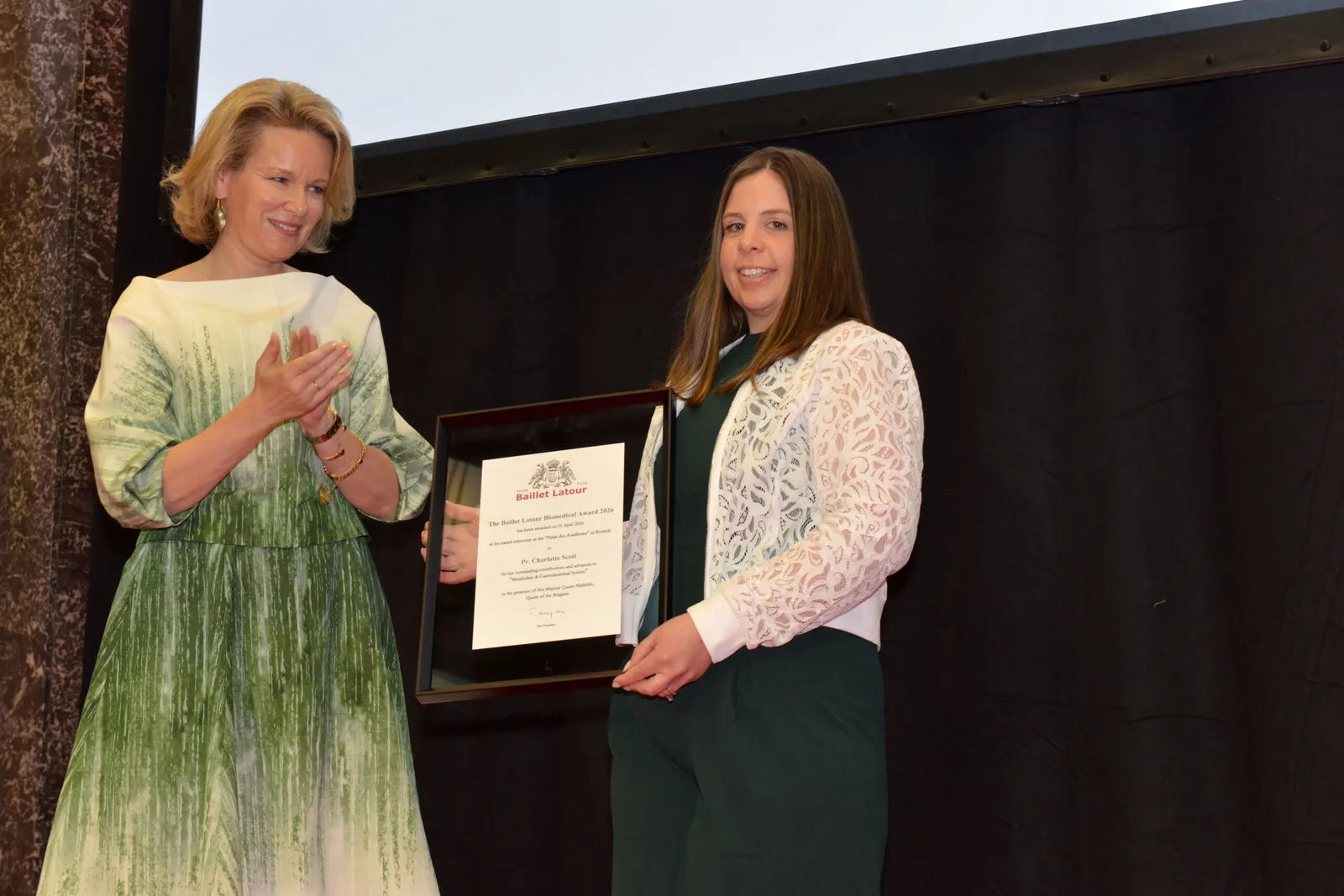
Royal award ceremony for research into liver repair
Professor Charlotte Scott of the VIB institute at Ghent University has received the Baillet Latour Biomedical Award from Queen Mathilde. The award, worth 1 million euros, has been presented annually since 2022 to support the careers of promising young researchers in Belgium in the biomedical sciences.
Scott studies the behaviour and role of specific groups of macrophages in liver disease. Her laboratory has identified a new population of macrophages that play a role in repairing damaged liver tissue. Macrophages can be thought of as a clean-up crew that removes dead cells, enabling the body to function normally again; as soldiers that fight bacteria, viruses and other harmful agents; and as messengers that raise the alarm when they detect an attack, then call on their immune-system allies to fight. The Scott Lab is seeking to gain a better understanding of how these macrophages work. In time, this could pave the way for new treatments.
More information: www.fondsbailletlatour.com
Stroke treatment significantly faster
The time from arrival at a Dutch hospital to treatment for stroke patients has fallen by 41.2% over the past ten years. According to the latest figures from DICA Stroke Care (DASA), the median door-to-groin time has fallen to 47 minutes. This acceleration is crucial, because the sooner treatment is given, the greater the chance of a good outcome.
The figures also show that the door-to-needle time for thrombolysis has remained low and stable. Thrombolysis involves administering a drug through an IV to dissolve the blood clot, restoring blood flow to the brain as quickly as possible. “This indicates that hospitals have been structurally successful in improving and optimising their acute care processes,” says Irem Baharoglu, a vascular neurologist at Haaglanden Medisch Centrum and chair of the DASA Clinical Audit Board.
With these turnaround times, Dutch hospitals comfortably outperform the European standard of a door-to-needle time of sixty minutes, with a target of thirty minutes. A small number of Scandinavian healthcare centres are clear international leaders, including Helsinki University Central Hospital. After years of process optimisation, they achieved a median time of around 20 minutes.
More information: dica.nl/registratie/beroertezorg-dasa
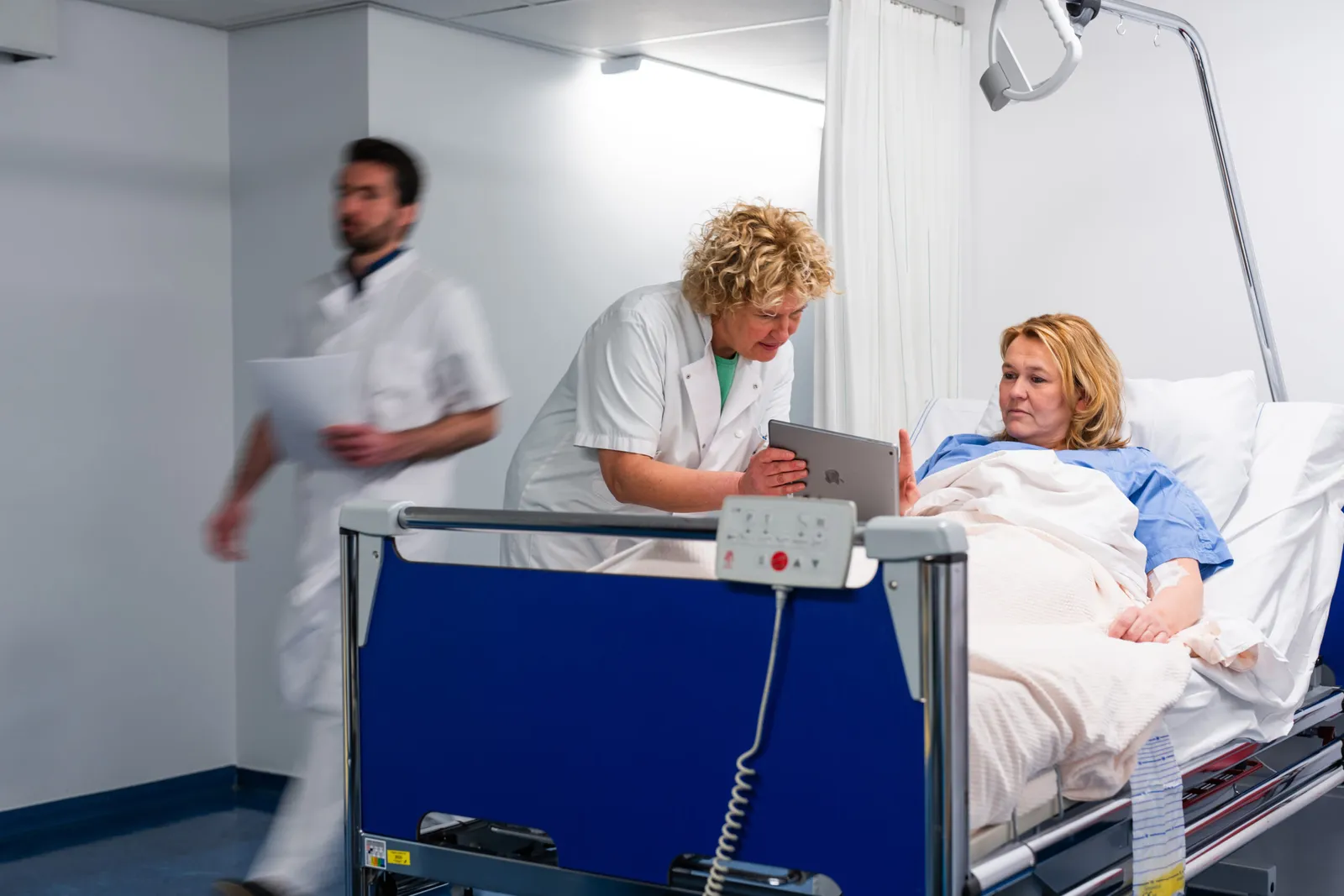
Taboos around menstruation and menopause remain deeply entrenched
Menstruation and menopause remain notably taboo subjects in Flanders. This is shown by the large-scale study ‘Rode Vlaggen en Vapeurs’ by Vives University of Applied Sciences, commissioned by the Flemish government.
More than 7,000 people took part in a survey for the study, supplemented by group discussions with people living in poverty. The findings showed that knowledge about menstruation and menopause is unevenly distributed. Boys, men and younger age groups in particular have less accurate information. At the same time, the taboo remains strong, especially at school, at work and in public spaces.
Although more than 90% of respondents believe that menstruation and menopause are nothing to be ashamed of, a considerable number still feel uncomfortable discussing these topics. Negative experiences, including a lack of understanding, bullying and the trivialisation of symptoms, are also common. The study also shows that menstruation and menopause have a clear impact on everyday life, affecting everything from school and work to sport, social relationships and mental wellbeing. Nevertheless, few people stay at home because of menstrual or menopausal symptoms.
More information: www.vives.be/nl/onderzoek/health-promotion-inclusive-society/rode-vlaggen-en-vapeurs
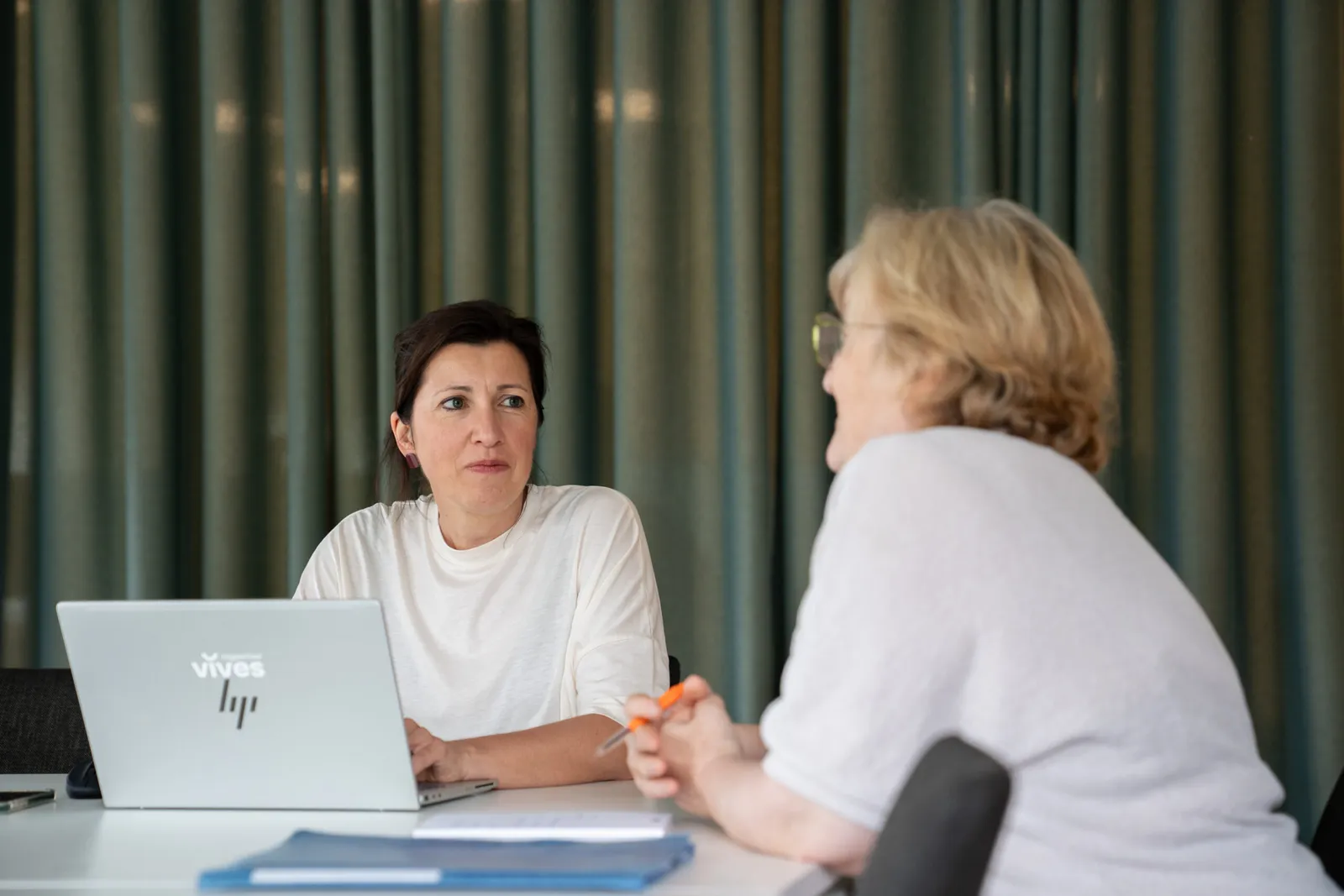
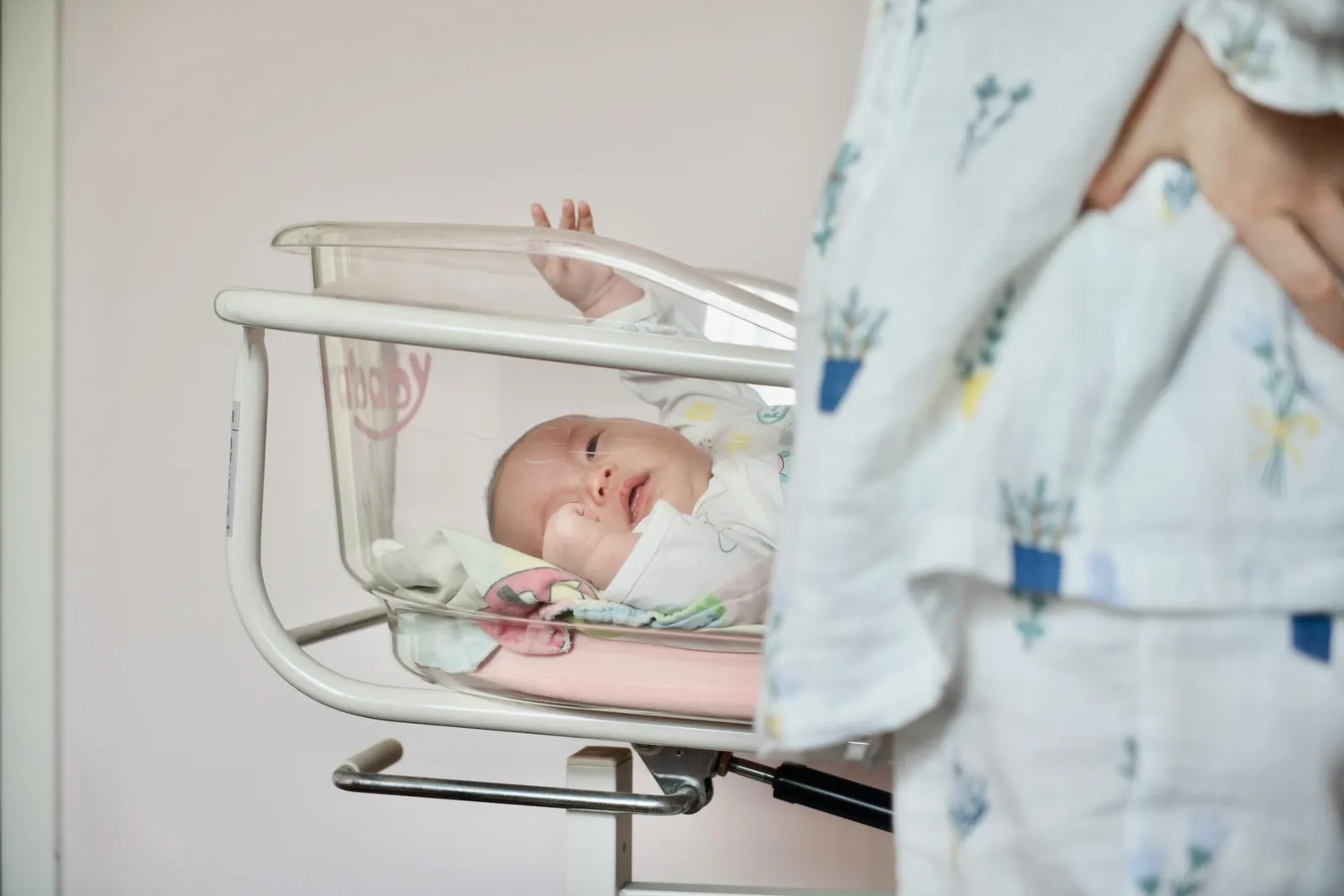
Less maternity care for vulnerable families
The average number of hours of maternity care received by families in the Netherlands has fallen in recent years. At the same time, the need for maternity care appears to be growing, partly because of shorter hospital stays after childbirth. Families in vulnerable circumstances receive structurally less maternity care in particular, according to a study of developments in maternity care.
RIVM, Zorginstituut Nederland and the Health and Youth Care Inspectorate found that people in vulnerable circumstances received 21% less maternity care than the recommended minimum of 24 hours. The figure for those not in vulnerable circumstances was 8%. Vulnerable families face a combination of factors that can have a negative effect on their health. Examples include debt, a low income, vocational education and/or a non-Dutch background.
The number of hours of maternity care received fell in every region, with the most noticeable declines in South Limburg and Zeeland. In large cities such as Amsterdam and Rotterdam, the number of hours remained relatively low, but the decline was less pronounced. Families in these areas have been receiving less maternity care for some time. In 2026, RIVM will conduct follow-up research focusing on why some groups receive less maternity care in certain areas.
More information: www.rivm.nl
Question about this story? Ask your question
Keep following this
Get an email when a new story is published. No account needed.
- SubjectGeneral







