











HEALTHIER IN A GREEN ENVIRONMENT
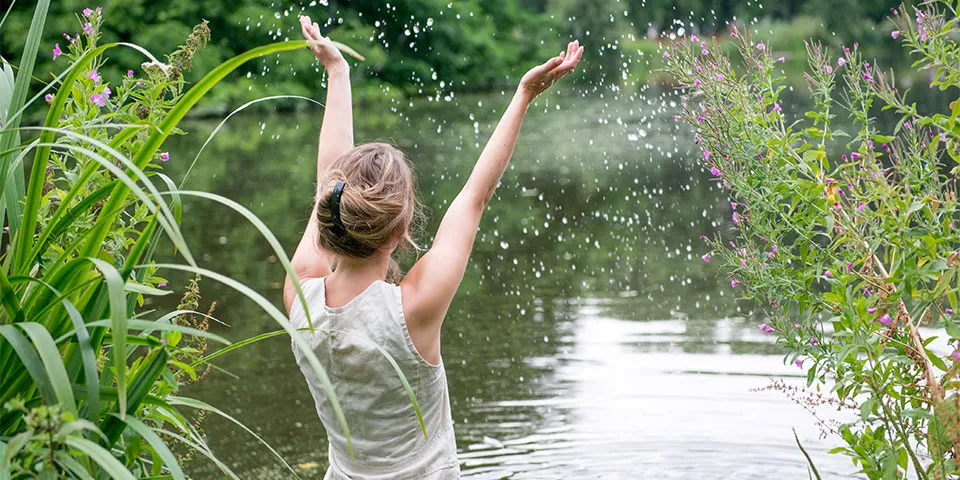
The restorative effects of green spaces need to be recognised much more prominently. A growing body of research has demonstrated the restorative benefits of greenery. Less stress, less depression, improved mood and more physical activity: this could prove to be a structural first step towards reducing healthcare costs. For all these reasons and benefits, Dr Jolanda Maas, assistant professor at Vrije Universiteit Amsterdam (VU), is calling for more nature in urban areas.
More greenery in residential areas contributes to people’s health. Jolanda Maas has been researching the relationship between greenery in residential areas and health since 2005. “People in neighbourhoods with more greenery not only feel better physically and mentally, they are actually healthier too.” Maas cites a study comparing GP visits by people living in neighbourhoods with 10% and 90% green space within a 1 km radius of their home. It found that in neighbourhoods with 90% green space, between a fifth and a quarter fewer people visit their GP with conditions such as diabetes, anxiety disorders and depression.
There is growing evidence that green spaces encourage people to be more physically active, particularly children. According to the ‘Groen loont’ study, children in green neighbourhoods are 15% less likely to be overweight. “Among adults, we see that exercising in green spaces has more positive
effects than exercising in the city. People who walk in green spaces experience less tension and anger, and more enjoyment and energy. There are also indications that people who walk in nature are more likely to repeat the activity,” says Maas.
SHARED INTERESTS
Investing in more greenery pays off. In a 2012 study, KMPG focused on healthcare costs and expressed the positive effect in economic terms. The consultancy calculated that 10% more greenery in residential areas could save 400 million euros in healthcare and sickness absence costs. “To benefit from all the advantages of a green environment, there needs to be enough greenery,” says Maas. “This requires collaboration across different policy areas. We need to work together to ensure that all shared interests are taken into account. It is also important that green space is not treated as a residual item in the budget. From the outset of a new neighbourhood development or the renovation of older neighbourhoods, we need to consider how the green infrastructure can be improved.”
Fortunately, green spaces are being put to use more and more often. In recent years, the number of green schoolyards has grown considerably, and there is increasing attention to greenery in the built environment. This is naturally also linked to other functions of green spaces: reducing heat stress, capturing water and increasing biodiversity.
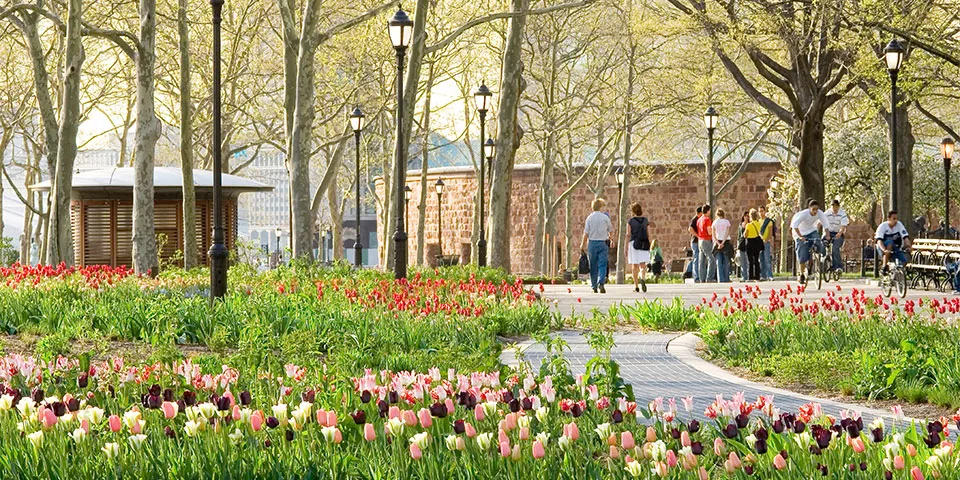
A POWERFUL TOOL
Maas: “Children, older people and people with low social status benefit most from living in a green neighbourhood. Given that life expectancy for people with low socioeconomic status is six years lower than for those with high socioeconomic status, it could be worthwhile using green spaces to reduce socioeconomic health inequalities.”
The beauty of green spaces, Maas emphasises, is that a single intervention can promote health in several ways. “I don’t know of any other spatial intervention that gets people moving more and reduces stress, promotes social cohesion, improves air quality, mitigates noise pollution, improves liveability and increases safety.” She therefore believes green spaces should be used much more. GPs and physiotherapists can use green spaces as an extension of their practice, for example by holding consultations while walking; teachers can teach outdoors more often, and organisations can hold more meetings in green spaces.
Question about this story? Ask your question
Keep following this
Get an email when a new story is published. No account needed.
- SubjectGeneral







