











Innovative sanitary solutions for optimal hygiene in elderly care
Text Geert Van Cauwenberge | Beel: Vlozo
Experts have their say
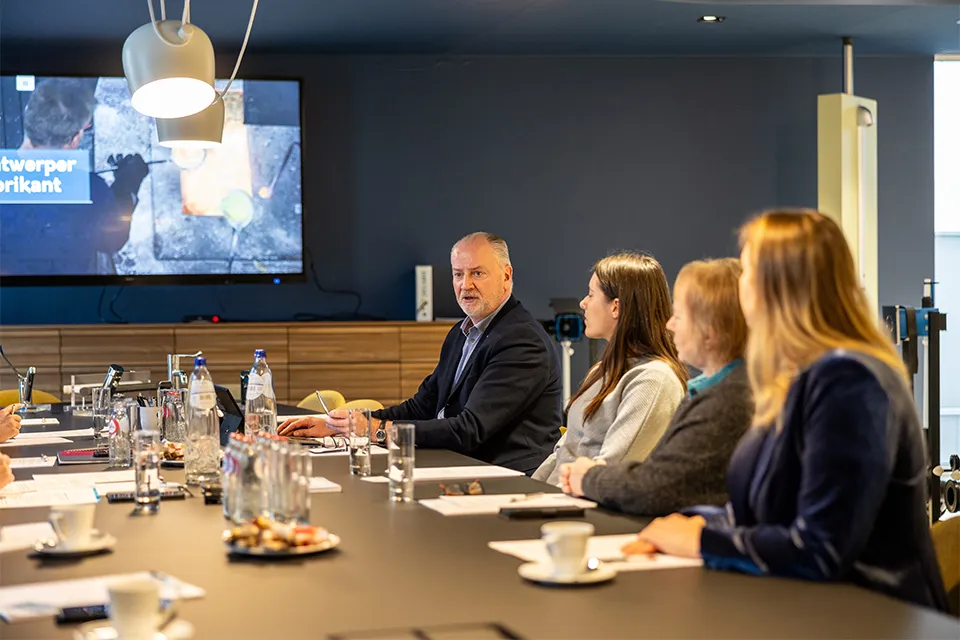
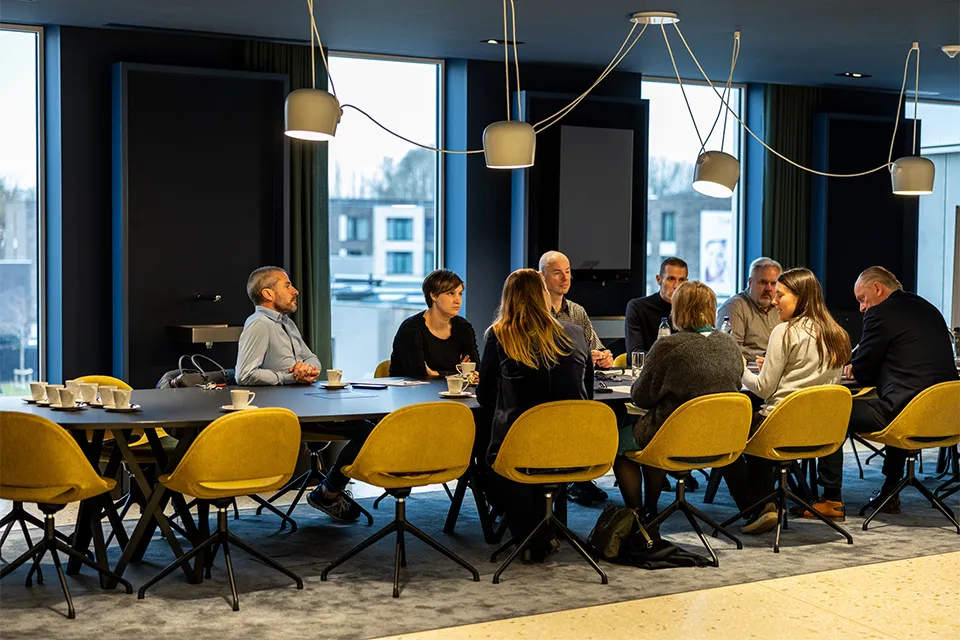
On 13 December 2024, Vlaams Onafhankelijk Zorgnetwerk (Vlozo), the sector federation for elderly care providers in Flanders, hosted a lively round-table discussion in DELABIE’s showroom in Sint-Pieters-Leeuw. The topic: how can innovative sanitary solutions contribute to better hygiene in elderly care? Experts from the field discussed a range of challenges and solutions, including legionella prevention, touch-free technology and sustainable sanitary installations and equipment. These topics are essential to the safety and wellbeing of residents, visitors and care staff in residential care homes.
A daily challenge
Care institutions face major challenges when it comes to hygiene and infection control. In Europe, as many as 3.5 million healthcare-associated infections were recorded in 2021, resulting in 90,000 deaths. Older people are particularly at risk because of their weakened immune systems. The coronavirus pandemic brought this issue further into focus. Since then, the importance of a hygienic environment has been impossible to ignore. “A well-designed water network combined with smart sanitary equipment creates a safe living and working environment,” said Rosanne Verpoest, director of De Maretak residential care home in Halle. She also highlighted the importance of adapted sanitary facilities for residents with dementia and mobility problems. These groups need extra support because of their limited ability to use sanitary facilities correctly. Melissa De Vos of Korian België added that regulations and ease of use often conflict when bathrooms are being designed. Finding the right balance is crucial for residents’ comfort and the ergonomics of care staff.
Legionella prevention
Legionella remains a major risk in care institutions. Xavier De Wintere, project engineer at Aquadomo, explained that legionella bacteria thrive at temperatures between 25 and 45 degrees Celsius. Stagnant water and infrequent use of pipes significantly increase the risk. Infection occurs through aerosols, such as microscopic water droplets from taps or showers. For vulnerable people, including older people, legionellosis can be life-threatening. “Make sure the hot water temperature stays above 55 degrees Celsius throughout the system,” advised De Wintere. Frank Desmet, Sales Director Benelux at DELABIE, also stressed the importance of automatic flushing functions in taps, which prevent stagnation. He also highlighted the value of regularly flushing pipes to prevent the spread of bacteria. Innovations such as sensor-operated taps with automatic flushing help create a safer sanitary environment.
Innovation makes a difference
Touch-free technology plays a crucial role in limiting cross-contamination. “70 to 80 per cent of all infections are caused by manual contact. Touch-free technology greatly reduces this risk,” said Desmet. DELABIE’s solutions, such as Securitherm taps and urinals with direct flushing, contribute to hygiene and safety. These products are not only convenient, but are also designed to minimise the growth of harmful bacteria.
Antimicrobial materials, such as stainless steel and silver ions, also provide an additional layer of protection. “Using stainless steel for sanitary surfaces inhibits the multiplication of harmful bacteria,” said Desmet. “These materials are also durable and easy to clean, making them even more suitable for care institutions.”
Working together for success
Creating hygienic and sustainable sanitary facilities requires collaboration between different parties. Architects, care providers, suppliers and technical specialists all have a role to play. Dirk Mattheeuws, chair of Netwerk Architecten Vlaanderen, advocated a holistic approach: “Sanitary installations are becoming increasingly complex as requirements around water quality and sustainability change. Good coordination between everyone involved is essential to the success of a project.”
Desmet highlighted the importance of making considered choices about materials and technologies. He stressed that DELABIE’s products are designed with Total Cost of Ownership (TCO) in mind. This means that costs over the long term, such as maintenance and warranties, are considered alongside the initial costs.
Protecting vulnerable older people
Innovative sanitary technologies are vital to creating safe, sustainable and user-friendly care environments. By combining smart design, high-quality materials and technological solutions, DELABIE contributes to better hygiene and a higher quality of life in elderly care. Collaboration between architects, care providers and suppliers is essential to this.
With a clear vision for hygiene and sustainability, DELABIE offers solutions that not only meet today’s needs but also address tomorrow’s challenges. Through continuous innovation, the company helps provide a safe and comfortable living environment for the most vulnerable members of our society.
A business enquiry for Delabie? Get in touch
Companies in this story

Keep following this
Get an email when a new story is published. No account needed.
- ThemeInteriors for housing and care
- SubjectGeneral
- CompanyDelabie







