











Living independently in Doorn
Text Tamara BrouwersImage Quarijn
Preserving residents’ lives as they are as much as possible
Het Zonnehuis in Doorn is almost complete. This spring, the third country house, Nieuw Leeuwenburg, will also open. It will provide space for older people with a range of care needs, right next to the Kaapse bossen. “We want to preserve our clients’ lives as they are as much as possible,” says Michiel Moes, Director of Residential Care. “Building is one thing, but with our country houses we are preparing for a paradigm shift, in which care will be delivered differently.”
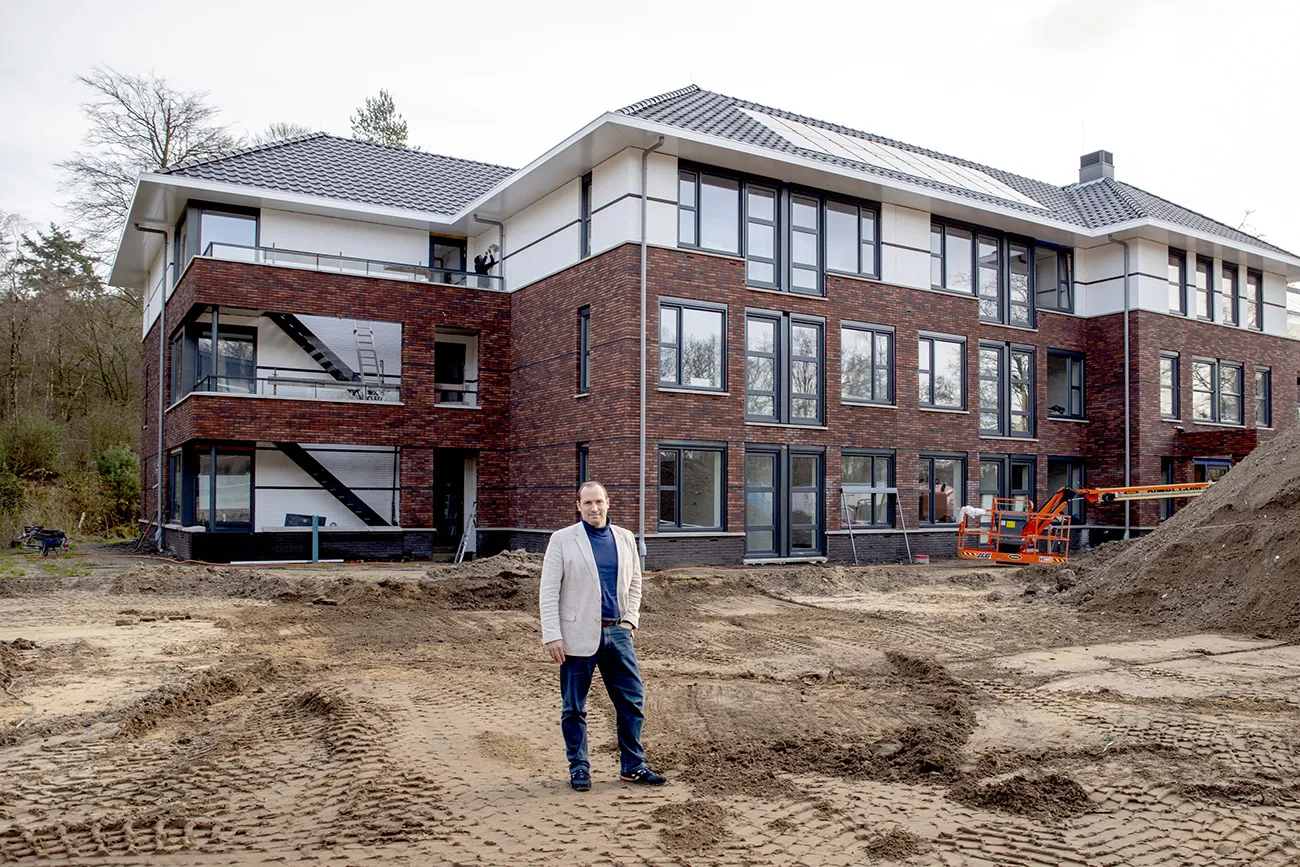
The architecture of the country houses can be described as stately and luxurious, yet homely. Two buildings are now in use. Landhuis Nieuw Sterkenburg is home to people with Korsakoff syndrome, while Revalidatiecentrum het Zonnehuis houses the day treatment service, Kennis- en Behandel Centrum QuaRijn, Diakonessenziekenhuis, two GP practices and a pharmacy.
Bouwen aan de Zorg speaks to Moes in the restaurant, where a resident from Nieuw Sterkenburg is also working during lunch. “This is typical of our vision,” he says with a smile. “We want to offer residents a fulfilling life and have an open-door policy, so that they will be free to move between the different country houses.” The country houses are spread across the grounds of Het Zonnehuis, but will eventually be linked by an English-style parkland. Residents can walk straight from their country house into a park with flower beds and benches. The paths will be designed so that residents naturally find their way back to their own front door.
Staying together in comfort
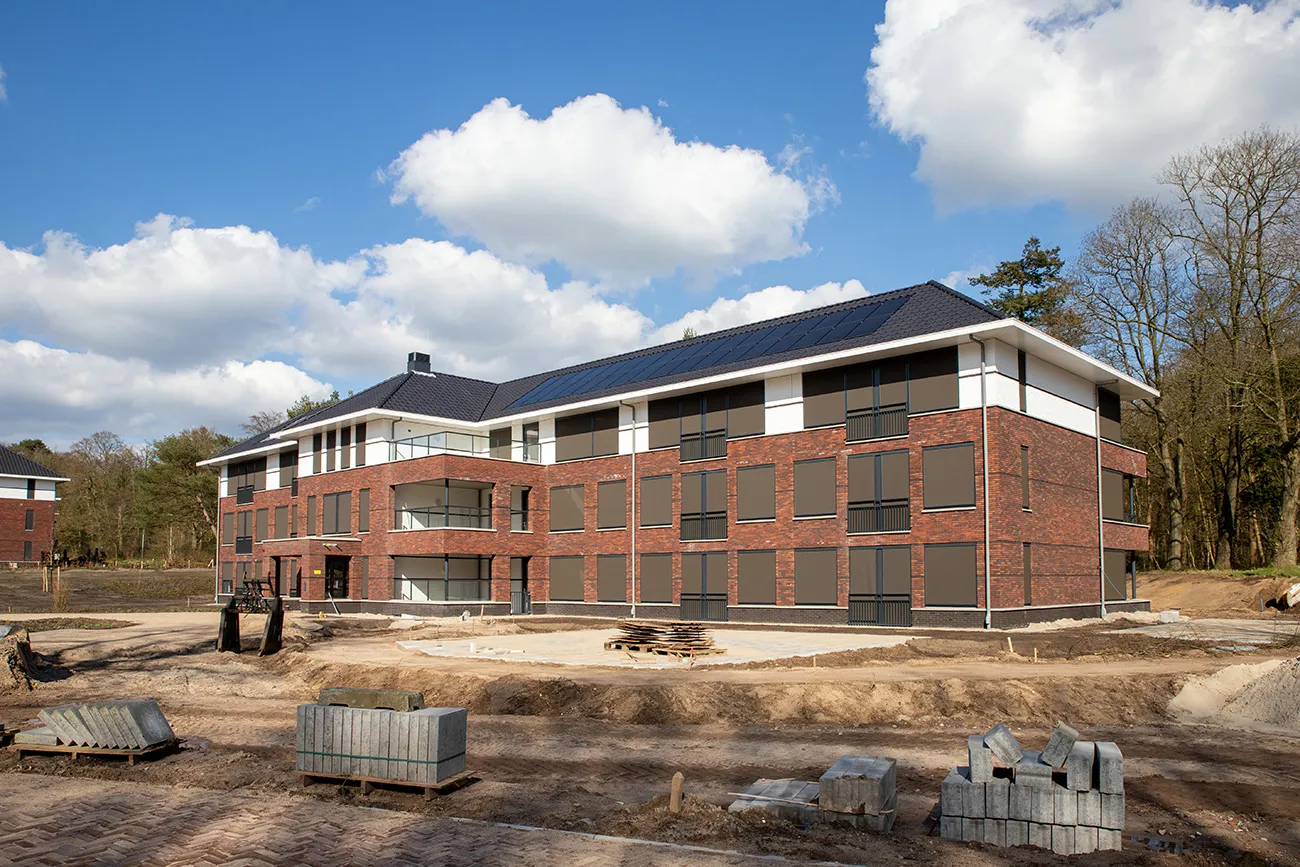
Now to the new Landhuis Nieuw Leeuwenburg. It provides a safe home for older people with dementia. The ground floor is laid out with studios, where care staff provide highly complex care. Eight residents share a living room. The second floor has 60 m2 apartments with two or three rooms. “Couples can continue living together here in comfort. There is a strong demand for this option, and several people have already applied.” The country house can accommodate 41 people in total.
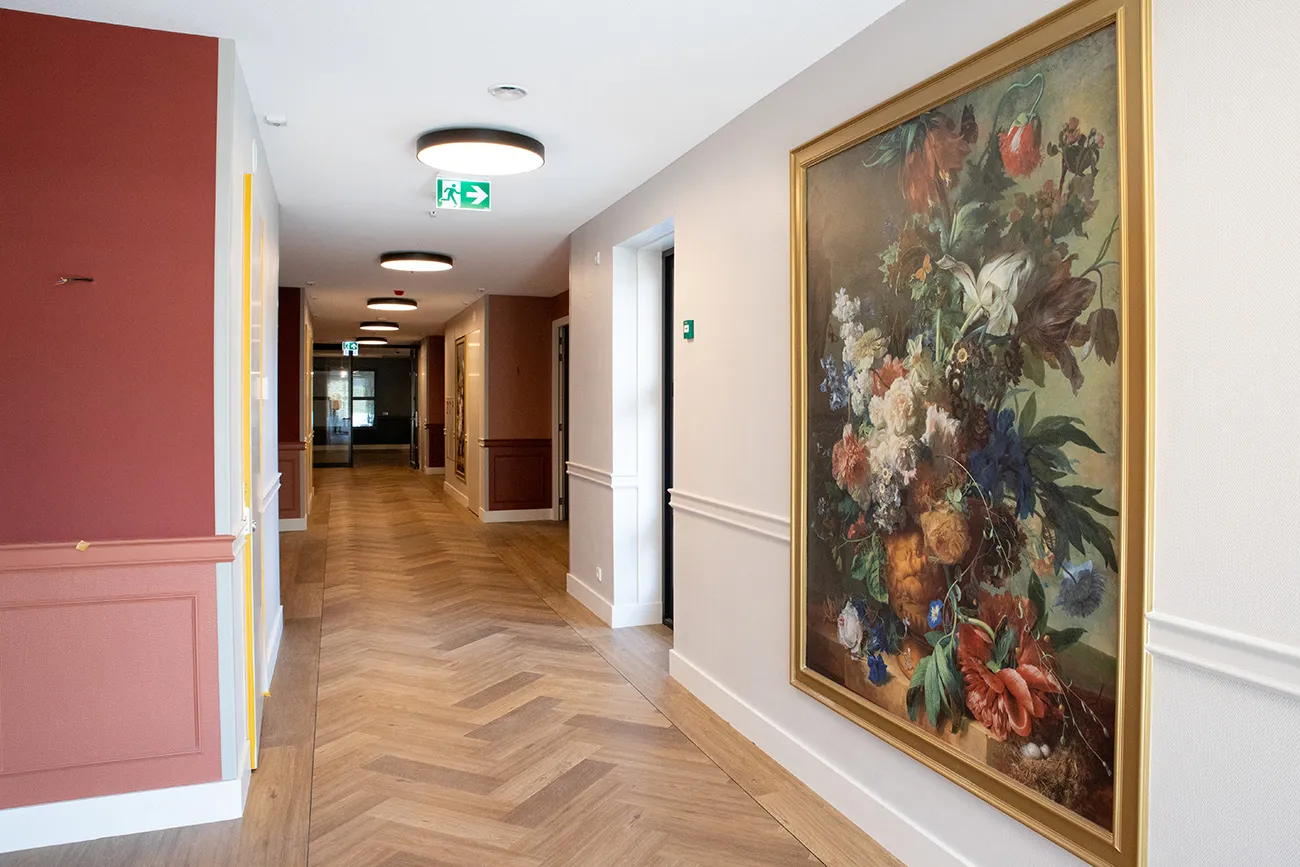
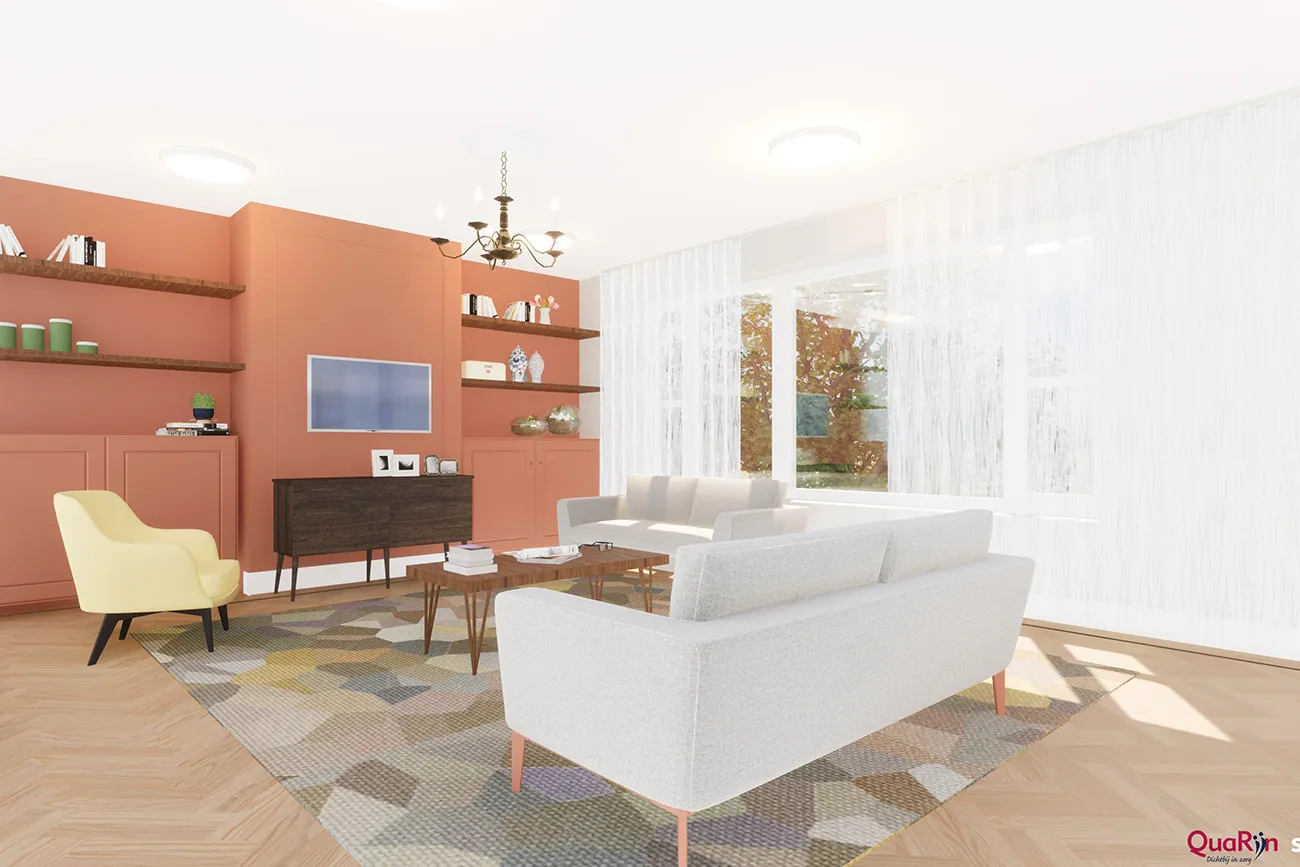
The plans for the third country house had already been drawn up, but Moes says it has nevertheless acquired a character of its own. “Within the framework set out by the architect, we created apartments with a more luxurious look than other parts of Het Zonnehuis. We chose the colours of the Old Masters, giving the interiors a warm, classic feel.” The organisation learned from building the other country houses what to do, and what not to do, in Nieuw Leeuwenburg. “In the first building, beautiful little walls were covered in wallpaper, but after two months they had been damaged by wheelchairs. So in the second building we started with wall panelling. In the other bathrooms, we learned that the cupboards were too small for the towels. We were able to get these little details right straight away in the third building.”
Designed specifically for older people with dementia
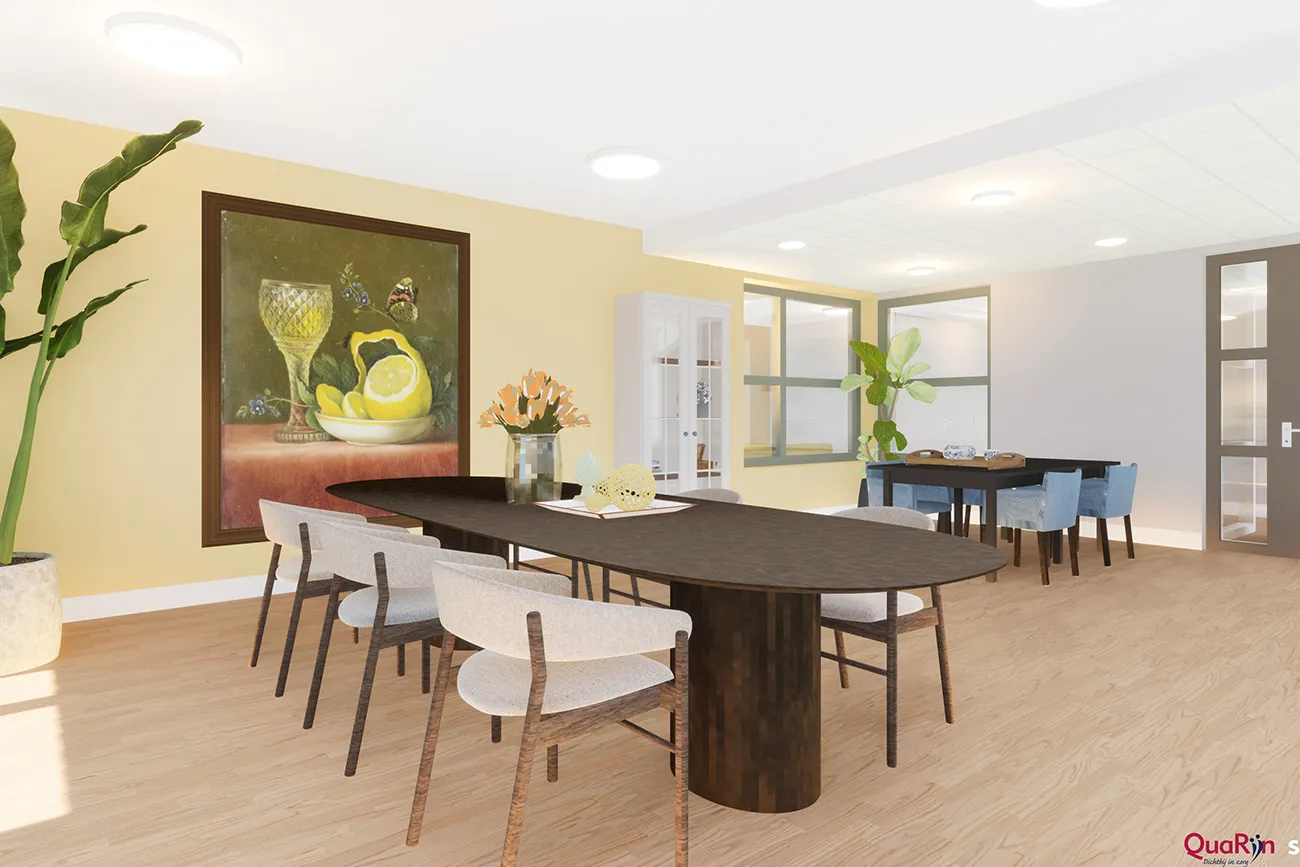
To make the country house suitable for older people with dementia, Wonen met Zorg worked with Anja Dirks of Studio id+. “She has a PhD in environments for people with dementia. For this group, it is important to provide sensory stimulation. That starts with creating calm floors and clear routes.
We have also used contrasting colours on the walls and adjusted the lighting levels. With dementia, the retina perceives less light. The wallpaper has extra texture, and we use fabric rather than faux leather for the furniture. There are also lots of large plants in the rooms.”
Technology only when necessary
Technology plays an important role in ensuring residents’ safety. It can also enable a great deal of freedom of movement. “Smart technology is integrated into Nieuw Leeuwenburg, but we want to use it as little as possible. I believe basic needs should not be met electronically. For example, we considered using artificial lighting to mimic residents’ circadian rhythms. We decided against it, because we want people to go outside and take walks! Spending plenty of time outdoors encourages a normal day-night rhythm. If someone has difficulty finding their way back, we can use GPS to locate them. The building is also equipped with smart sensors, for example to alert us if a resident has been out of bed for a long time during the night or is lying on the floor. However, we only activate these sensors when it is absolutely necessary.”
Everything at Nieuw Leeuwenburg revolves around the residents. “What you do in the building is what matters most. It really has to become the residents’ home. There is a reason why they can no longer live at home, but we want to preserve their lives as they are as much as possible. If someone enjoys going fishing every week with a friend, then they should certainly keep doing it! That does entail certain risks, but that is part of life.”
Residents and their social circles are involved in daily life at the country house. “Our care staff cannot do everything, so we encourage families to get involved. They could, for example, plan a menu together and do the shopping. If someone used to manage their partner’s medication at home, why should we take over? This is a different way of thinking about care, but it is essential given the ageing population and staff shortages. I believe this is the future of elderly care.”
Question about this story? Ask your question
Keep following this
Get an email when a new story is published. No account needed.
- ProjectLeeuwenburg
- SubjectGeneral







