











‘More healthcare providers means better quality’
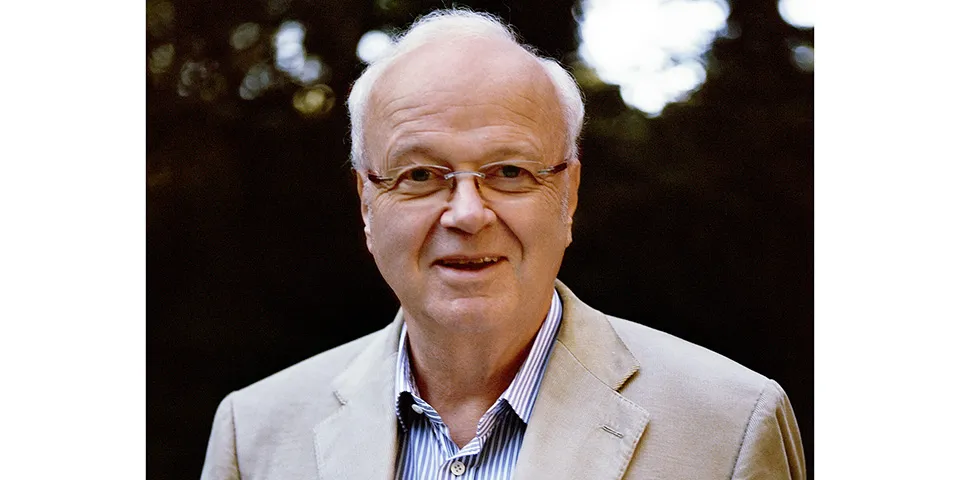
Chris Oomen (70) will step down as chairman of the board of health insurer DSW on 1 June. Since the introduction of the new healthcare system in 2006, the organisation has grown from a local sickness fund into a ‘solidarity-based’ health insurer with a nationwide profile. Not least because of a high-profile annual scoop: DSW is always the first to announce the new health insurance premium. Bouwen aan de Zorg spoke to Oomen ahead of his departure. “Solidarity comes first. We have worked hard for that for forty years.”
What is the official reason for your departure?
“As health insurers, we are required to have a succession policy, and it was agreed that I would step down at the end of 2018. That became 1 June 2019 to make the transition a little smoother, and because the turn of the year is not a suitable time to leave. I still have around five supervisory directorships and investments in a number of companies. I have plenty to do.”
As chairman of the Executive Board, you have seen the entire transition from sickness fund to health insurer. How is DSW doing after 13 years of the Health Insurance Act?
“We are in excellent shape. Starting with a sickness fund membership based in the Delfland, Schieland and Westland regions, we have attracted policyholders from across the country in recent years and grown to more than 700,000 policyholders. Everyone is welcome with us, and we have found that a clear policy, for example, no group discounts and a nominal €10.00 discount on the excess, is paying off. Solidarity comes first for us.”
What is the future of the healthcare system, for example, is further liberalisation desirable, such as hospitals distributing profits to third parties?
“Let me start by saying that everyone in healthcare tries to make a profit, from suppliers of medicines, medical devices, software and hardware to primary care providers. Why should people who use private investment to bring about innovation in healthcare not be allowed to do so? The major problem with hospitals is that they are often foundations, the least democratic legal structure: the money belongs to no one. Everyone talks about market forces, but the reality is that they are often lacking. Market forces, or competition, are needed, just as in sport, to improve yourself and drive innovation.”
Has the quality of service provided by healthcare professionals improved significantly under the new system, and in which areas?
“It has undoubtedly improved. Healthcare providers have become dependent on patients’ choices for their funding. This has, however, led to a great many mergers, often unnecessarily. Care only needs to be concentrated for highly complex treatment, which accounts for no more than 15% of all hospital care.”
In which areas does upscaling make sense, and where is a tailored approach needed instead?
“Upscaling encourages bureaucracy and reduces competition. It also often lacks support among medical specialists. Mergers happen because collaboration is not permitted. This is an undesirable development. A tailored approach is only needed for highly complex care.”
Will the wave of hospital mergers come to an end, or will it ultimately create healthcare monopolies with defined catchment areas?
“The wave of mergers has more or less come to an end. In fact, many specialists are on the verge of leaving the merged hospitals. As I said earlier, the fewer the parties, the less competition. The problem is that once a merger has taken place, it is difficult to reverse, even though more players means better quality of care.”
In early March, you told De Telegraaf that the closure of the MC Group hospitals (Slotervaart/IJsselmeerziekenhuizen) could have been prevented. What exactly do you mean?
“It was an incredible mistake. Those hospitals provided good-quality care at good prices, and there were no complaints about them. A liquidity problem arose because the insurers stopped making advance payments. Now new providers have to be found for all the patients, new treatments have to be started and tests have to be repeated. This has proved to be a disaster for the patients, first and foremost, while the insurers are paying more than they would have if the hospitals had stayed open. Loek Winter has been subjected to character assassination.”
What do you wish for the healthcare sector and DSW in the future?
“Innovation in healthcare. It needs to come from external parties, including through technology, as well as from within. Innovation is urgently needed to improve the results of interventions and, as I said, more players means more competition. With sufficient innovation, people will be even prouder of healthcare than they already are. DSW will continue to be the first to announce its premium, and will not offer group discounts. What is more, DSW policyholders can still speak to a real person on the phone instead of navigating a menu.”
Question about this story? Ask your question
Keep following this
Get an email when a new story is published. No account needed.
- SubjectGeneral







