











Multiculturalism in care
In a time of great change, sometimes you find yourself being overtaken on the left or right without even realising it. Years ago, every foreigner was expected to integrate. To embrace our Dutch traditions. To learn to ride a bicycle and adapt to our customs. Everyone was equal, and that applied to us Dutch people too. Farmers, townsfolk and country folk, all in the same care home or residential care complex. But times change. In his Christmas address, our King Willem-Alexander said: “We must accept that people are different from one another. Unity without diversity is stifling; diversity without unity is like shifting sand. At the same time, we must also recognise that our country is more than seventeen million selfies.”
During the two-year journey through the world of care that I made with Wendy van Venrooij as part of our book, we also looked at how seniors with different outlooks and older people from other cultures live together. As an interior architect, I learnt a great deal from this. Give each group of like-minded people a home or building and see what they do with it. Usually, no interior architect is involved. Nor is that the most important thing, although I do tend to want to call out all sorts of suggestions.
At first, these groups want to create as much recognition and sense of home as possible. We have visited homes for older Chinese, Moroccan and Indo-Dutch people, as well as homes for artists and Freemasons. In all these homes, we saw contentment and a society in a reasonably positive mood, among both care staff and residents. We often found it a pleasure to experience. In many cases, the building’s interior came second. These were not the most attractive interiors, then. Objects and furniture that reflected the culture, but did not form a coherent, well-considered whole. Not to mention the lighting, acoustics and use of colour. But there was a sense of unity among the residents! I shouldn’t exaggerate, though, because many of those buildings were also beautifully and cosily furnished. In all these homes, residents brought in materials and furniture to create a sense of identity; everyone contributes to the interior. In this context, it is not so surprising that people with a similar outlook and background seek one another out. Recognition is hospitality.
My task: learn about the residents or future residents as a target group and try to reflect this as much as possible in the interior’s look and feel. Create an environment that supports residents and users in their well-being.
To get some inspiration, I think I’ll start booking a few trips.
Listening tip: world music.
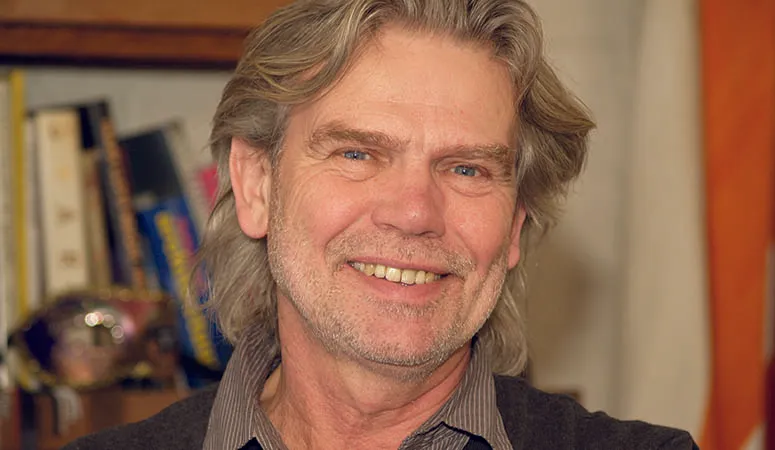
Column by André van de Gun
Question about this story? Ask your question
Keep following this
Get an email when a new story is published. No account needed.
- SubjectGeneral







