Bouwen aan de Zorg is part of Louwers Mediagroep: 45+ specialist platforms in the Netherlands, Flanders and Wallonia. Trade magazines, websites, newsletters, video and podcasts, since 1987.
The current system for registering nursing home waiting lists is to be scrapped. The Ministry of Health, Welfare and Sport, Zorgverzekeraars Nederland and care providers are working on a new method to better assess the care needs of people waiting to be admitted to a nursing home. This was confirmed this evening on the television programme Meldpunt on MAX on NPO 2.
The change is likely to bring an end to the controversial distinction between ‘active’ and ‘non-active’ people on waiting lists. The latter group used to be known as ‘those waiting for their preferred home’. They are older people or people with acquired brain injury who have a specific preference for one nursing home, or for a nursing home in their home town. The government considers this group less urgent. Anyone who does not state a preference for a nursing home is classed as ‘actively waiting’ and is more likely to be considered for nursing home admission, often as an emergency admission. The downside is that, in some cases, these people have to accept a nursing home room in another town, far from family or informal carers. During various nursing home debates in the House of Representatives, Minister Hugo de Jonge (Health, Welfare and Sport) has come under fire over this distinction. Several parliamentary groups argue that preferring a specific nursing home does not mean that the need for admission is any less urgent. Zorgverzekeraars Nederland says work on a new system began in mid-February, and that it is still “in the development phase”. The current system is “too broad-brush” and “does not adequately show” why someone is waiting for a nursing home place, a spokesperson for the umbrella organisation of health insurers told the Meldpunt editorial team. “The waiting list categories ‘actively waiting’ and ‘not actively waiting’ do not adequately reflect people’s circumstances and wishes. These two terms are unlikely to feature in the new waiting lists either,” says Zorgverzekeraars Nederland.
ActiZ, the trade association for 400 care providers, is aware of the new plans but also said on Meldpunt this evening that they are still at an early stage. Board member Conny Helder said the new system should provide a better picture of people waiting for admission, to better match the demand for nursing home care with its availability.
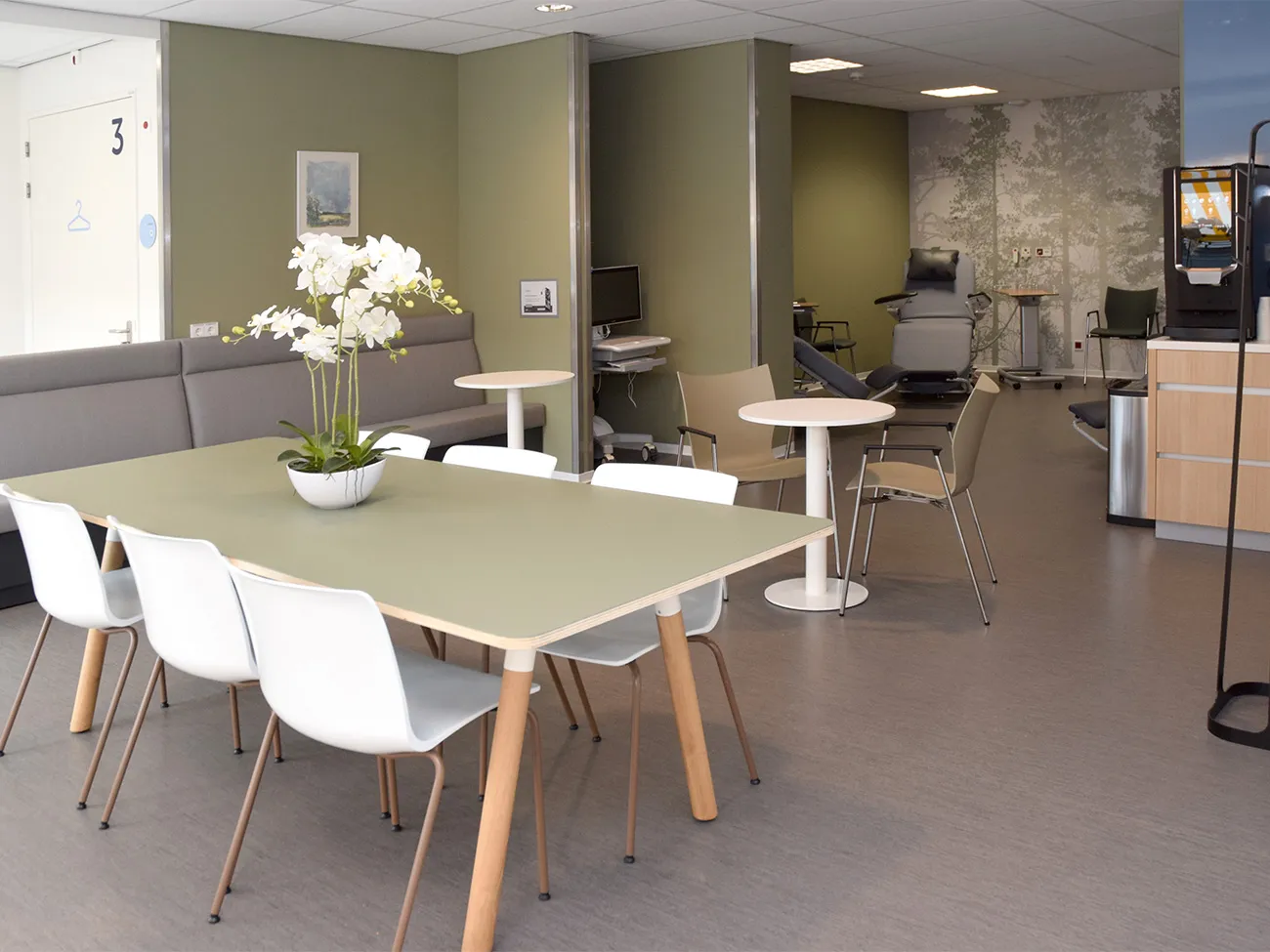
Een van de vele wachtruimten in de vernieuwbouw. (Beeld: Willem de Volder).
Waiting lists continue to grow
The coronavirus crisis has not slowed the growth in waiting lists. The latest figures, dated 1 April, show that 22,755 people are waiting for a nursing home place. That is 22 per cent more than last November, when Meldpunt also broadcast a programme about nursing home waiting lists. A further investigation by Meldpunt indicates that the current waiting-list figures are probably inaccurate because care organisations apply different rules. In some care regions, people can register at only one nursing home for a place, while in others they can register at several. As a result, one person may appear on multiple waiting lists and be counted more than once. The actual total number of people waiting may therefore be lower.
Vacancies
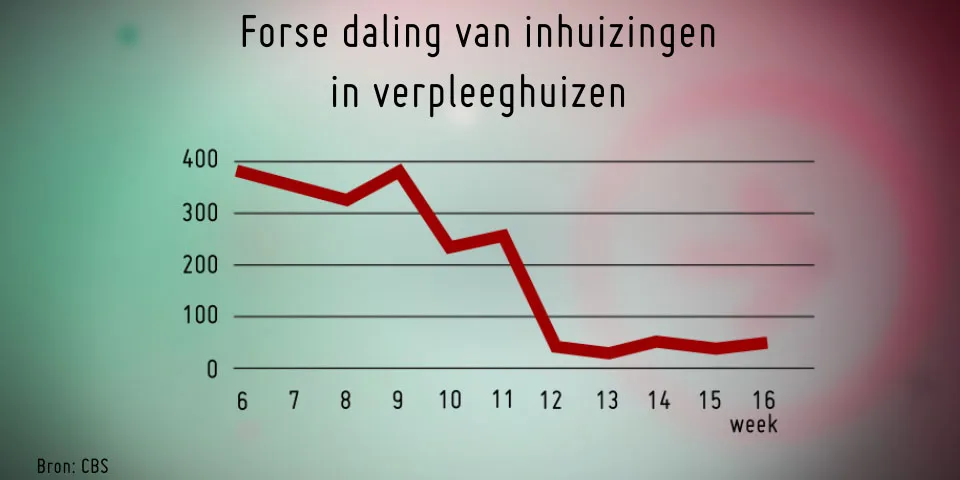
CBS told Meldpunt that, as at 27 April 2020, 105,000 people were living in nursing and residential care homes. That is almost 15,000 fewer than on 1 January 2020. The fall is mainly due to the high death rate. Nursing homes have vacant places because prospective new residents are delaying admission, fearing coronavirus infection, while newcomers are required to quarantine and visits are banned.
We use cookies to keep the site working properly. With your consent, we also use cookies for statistics and third-party banners. Read more in our privacy and cookie statement.