











Prevention is essential to keep bacteria out of water systems
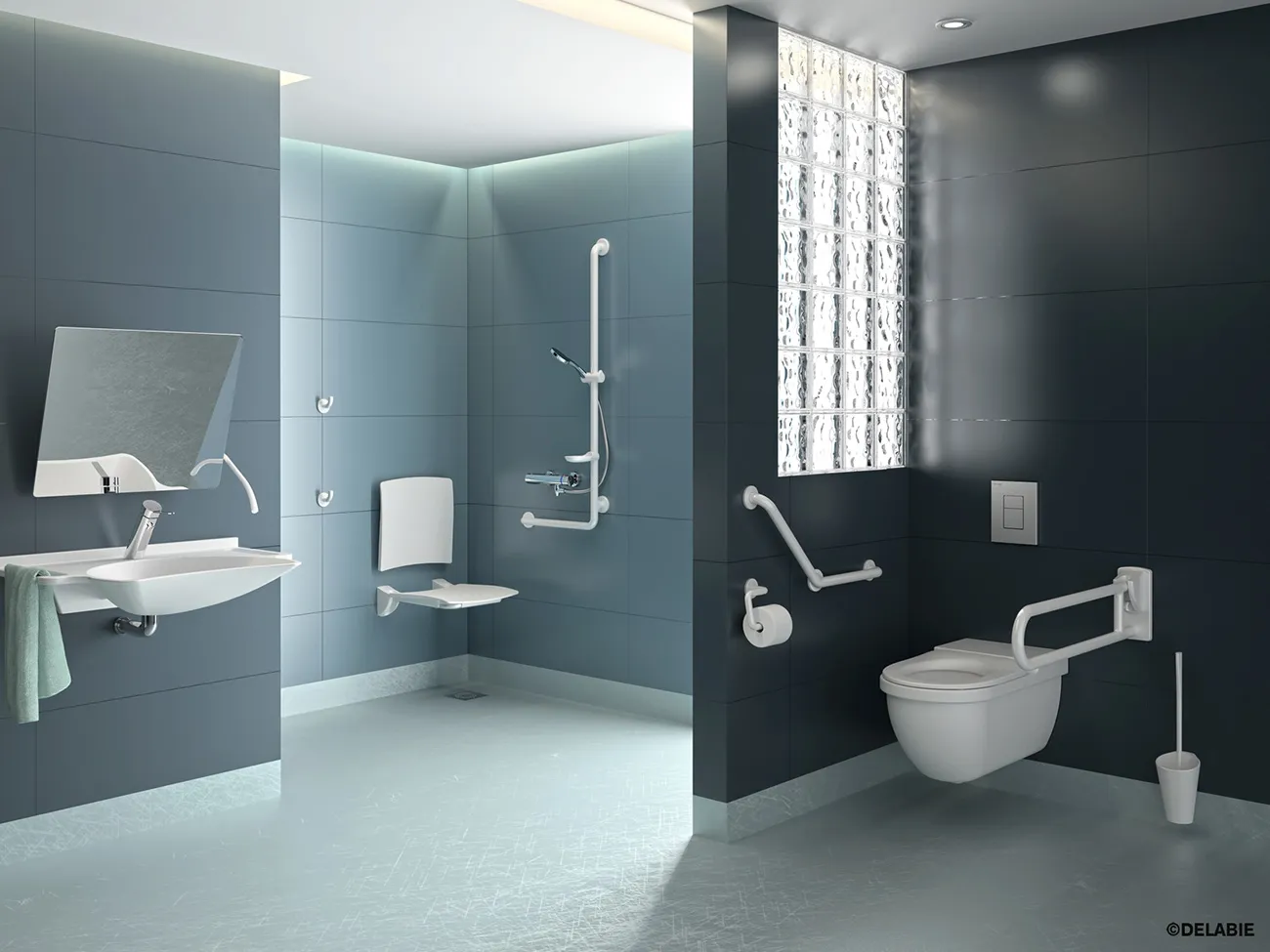
The risk of bacterial growth in water systems remains one of the biggest challenges facing most healthcare facilities. There are many contributing factors, as Delabie, an expert in taps and sanitary equipment for healthcare facilities, knows well.
During a recent webinar, the specialist explored the issue in greater depth. The discussion covered various factors that cause bacteria to develop, as well as possible solutions. These factors include water stagnation, temperatures that are too low, faulty check valves, limescale build-up and ageing networks.
Prevention
According to Frank Desmet, sales director at Delabie Benelux, it is essential to comply with current legislation and regulations. “These are preventive and highly effective. It is also essential to choose tap solutions that suit the facility’s practices and rules.” However, the main aim, he says, is to prevent the risk of contamination in the networks. “But we all know how difficult it is to eradicate bacteria.”
The danger of biofilm
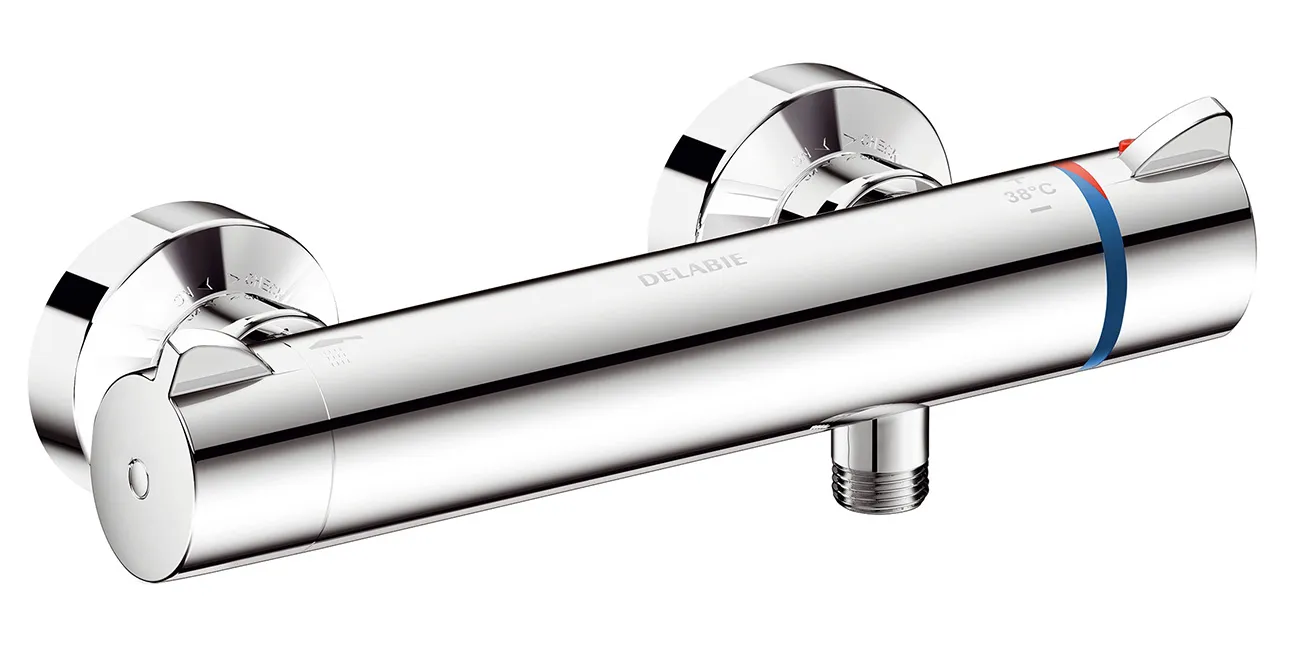
According to Delabie, the issue is not only the risk posed by bacteria, but also the risk of scalding. A preventive approach is therefore essential to address both problems. Luc Van Rooy, regional manager at Delabie Benelux, explains how bacteria develop. “Over time, a natural layer of deposits forms on the inside of tap pipes in water systems. We call this biofilm. Bacteria present in the water settle in this layer. If this growth is not monitored or controlled, a major problem will arise sooner or later, degrading water quality both chemically and microbiologically. There is a risk that the bacteria will infect vulnerable patients while they are showering, with all the consequences that entails.”
Scalding
If bacteria are growing in the pipes, it is almost always necessary to replace them, either in part or entirely. Van Rooy says some facilities also opt for thermal or chemical flushing. “Thermal flushing involves hot water (70 degrees) flowing through the entire pipework for 30 minutes. This slows the growth of micro-organisms. However, it is only a temporary solution and can also damage the installation. There is also a risk of serious scalding if a patient or resident uses a tap or shower during the process.” Chemical flushing involves injecting disinfectants, such as chlorine solutions, into the pipes. However, there is still a risk that bacterial growth will quickly resume after treatment. “All things considered, thermal and chemical flushing are not the right solution.”
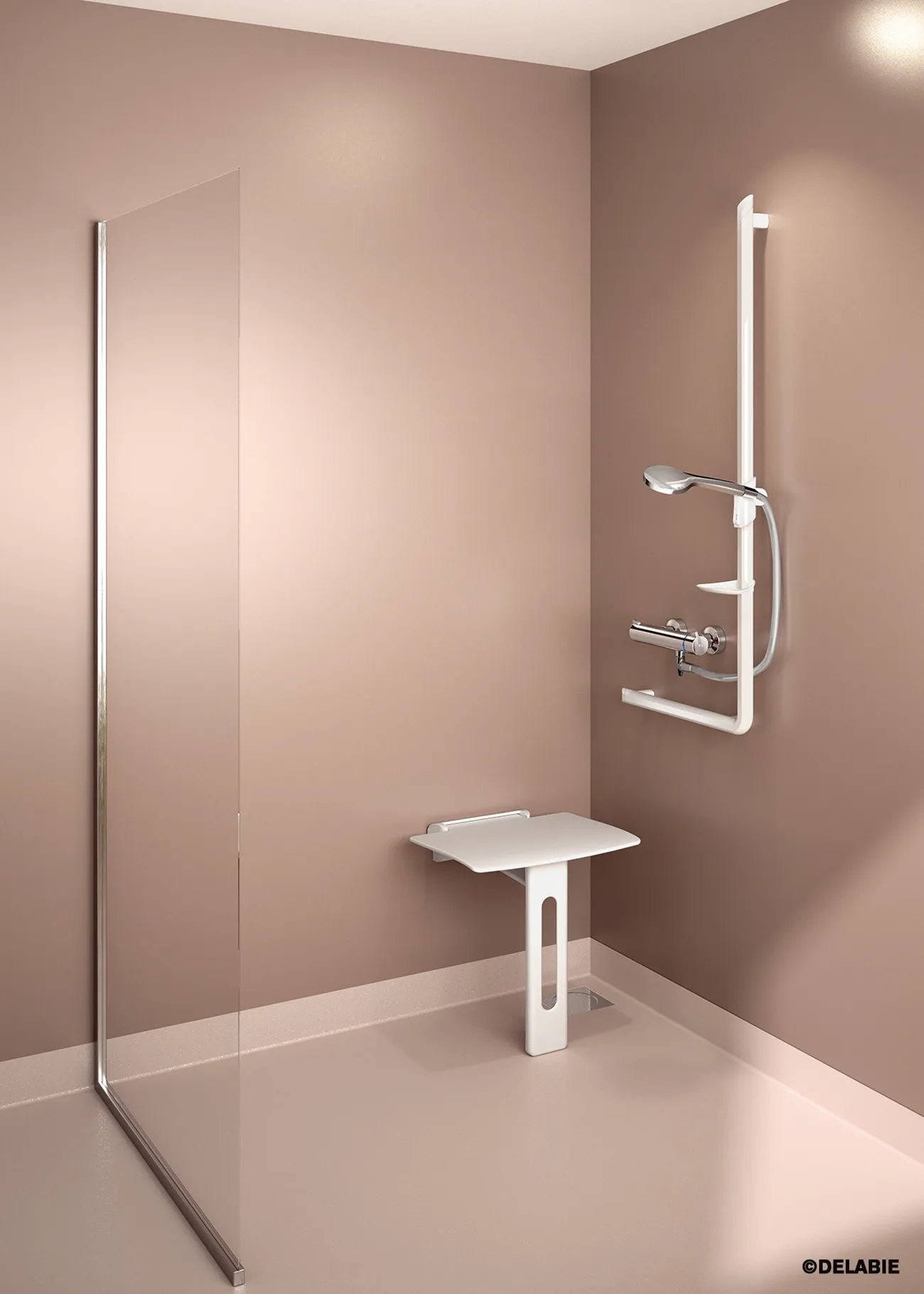
A preventive approach
Van Rooy also recommends taking a preventive approach to keep everything under control from the outset. “Follow the guidelines, ensure the network is designed correctly from the installation stage, and choose the right taps and carry out regular maintenance. For example, keep a plumbing logbook and comply with the regulations. Many hospitals were built before this knowledge became available.”
Delabie solutions
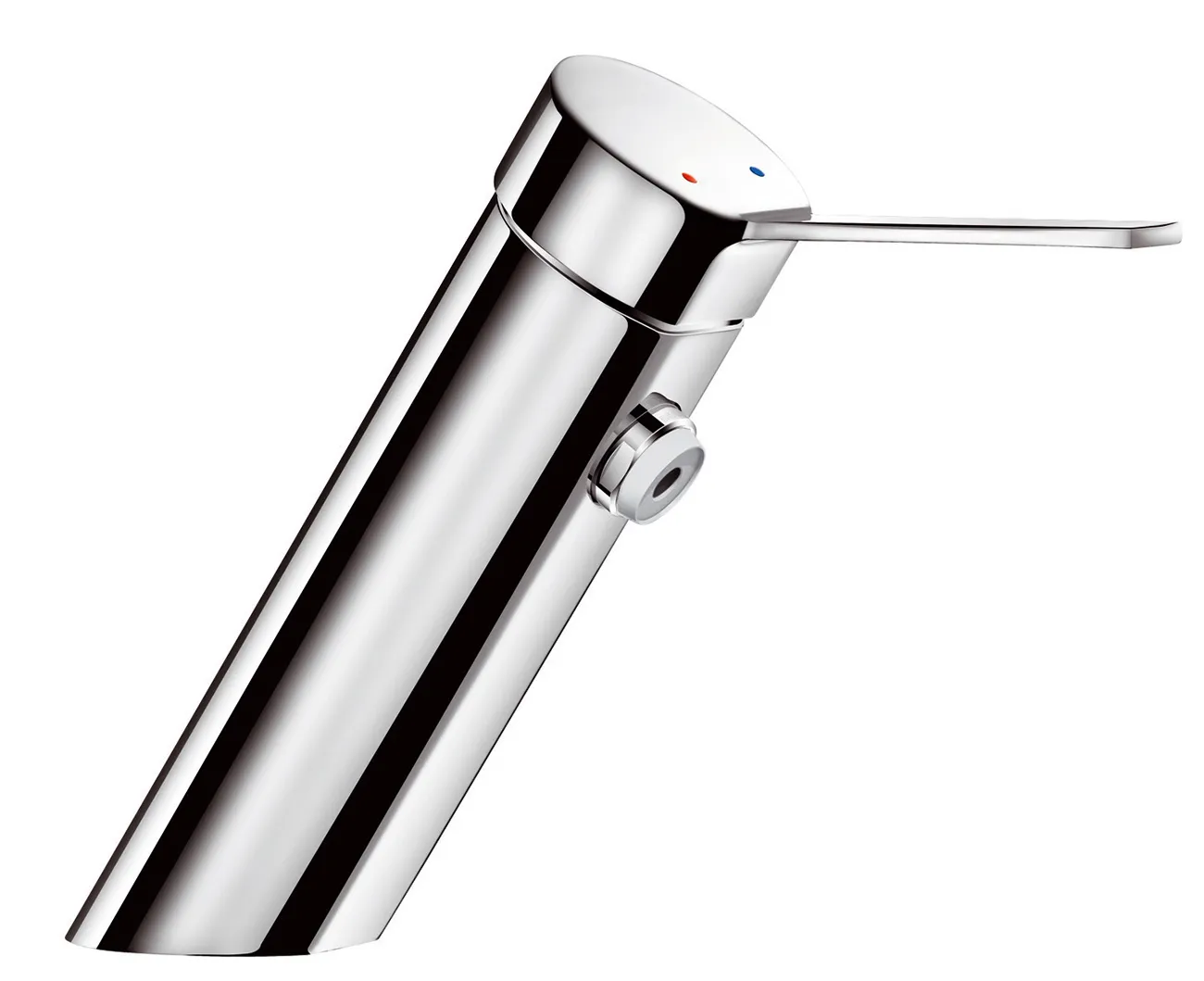
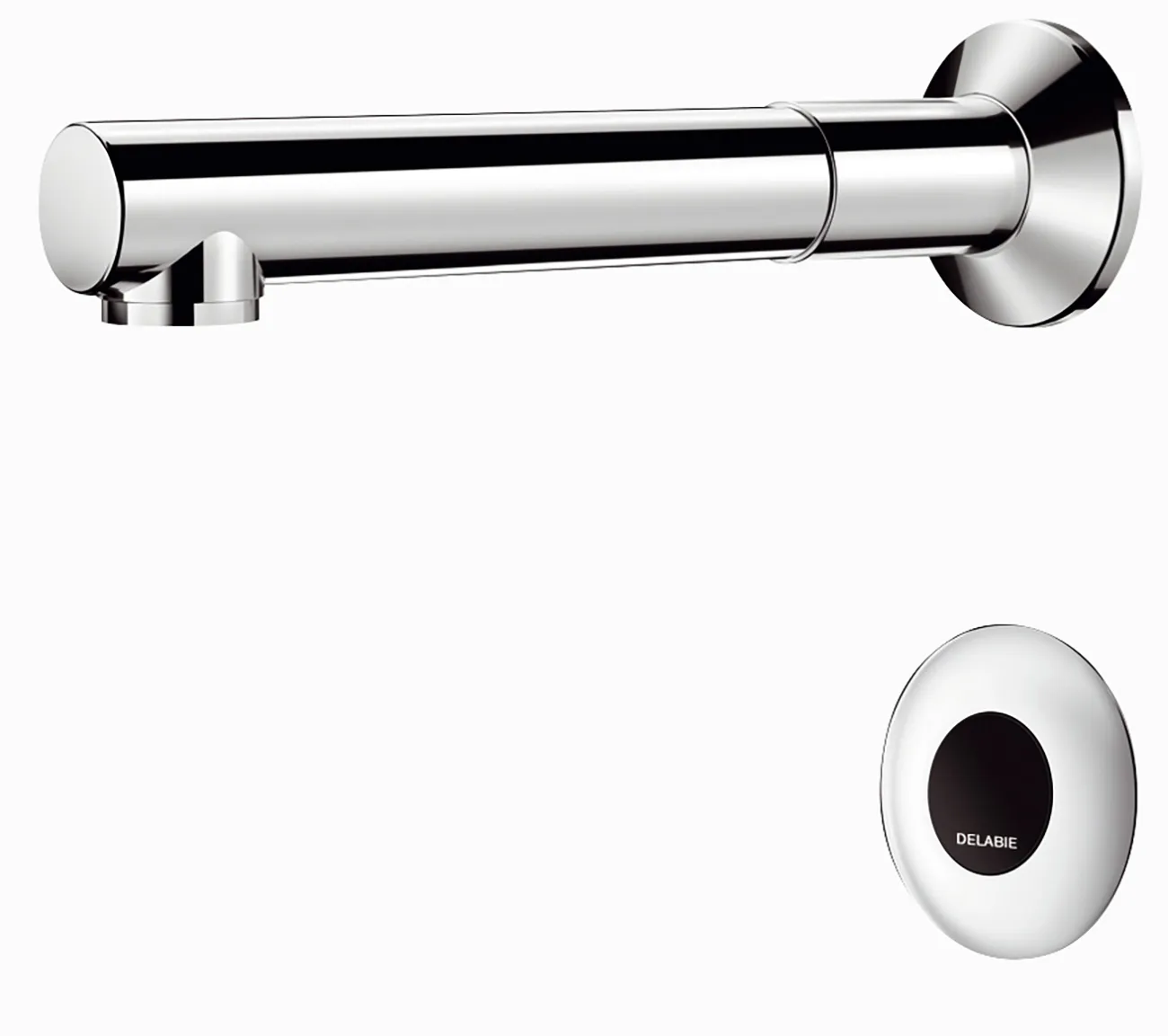
Delabie therefore offers a number of solutions that comply with modern regulations. Desmet says: “Our taps have copper supply tubes and flow straighteners. This prevents limescale from adhering to the inside. We also offer solutions without check valves. This unique system shuts off the cold and hot water supplies before they reach the mixing chamber, preventing bacterial growth. Another option is a tap with a smooth interior. Many taps are made from cast brass, which has a rough interior where bacteria can thrive. We also recommend toilets without a cistern. Water stagnation in cisterns creates ideal conditions for bacterial growth. More and more hospitals are already choosing this solution, and we would be happy to discuss advice and a bespoke solution.”
A business enquiry for Delabie? Get in touch
Companies in this story

Keep following this
Get an email when a new story is published. No account needed.
- ThemeInteriors for housing and care
- SubjectGeneral
- CompanyDelabie







