Amphia Hospital Control Center: data help optimise planning capacity
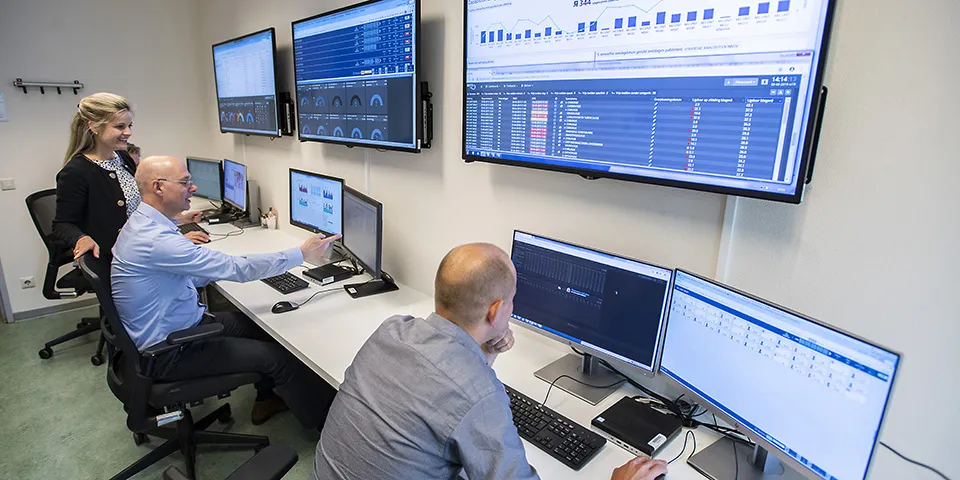
Amphia Hospital in Breda recently set up the Hospital Control Center (HCC). From a single location at Molengracht, capacity across the hospital is monitored and advice is provided centrally. Manager Pim Sas: “The HCC works like an airport control tower. Screens show the current situation regarding patient admissions, flow through the hospital and discharges, enabling us to make better use of the hospital’s capacity.”
In physical operation since May this year, the HCC is a ‘meeting place’ where logistical flows that were previously monitored at decentralised locations are brought together. At the HCC, Amphia uses existing EPR software and workflow systems. The EPR is used for real-time monitoring wherever possible. Predictions are made using specialist software from software consultant Performation Hotflo. The tool’s computing power is also used to calculate opportunities for optimisation.
No ‘black box’
“The HCC is not a ‘black box’; our aim is to optimise capacity in the shared interest of delivering the best possible quality of care,” says co-developer Sas. “Several years ago, we took a change-management approach to developing this concept. On the one hand, this was to enable us to take a steering role in capacity at a strategic and tactical level. On the other, the HCC will increasingly take on a steering role operationally, but that will take time.”
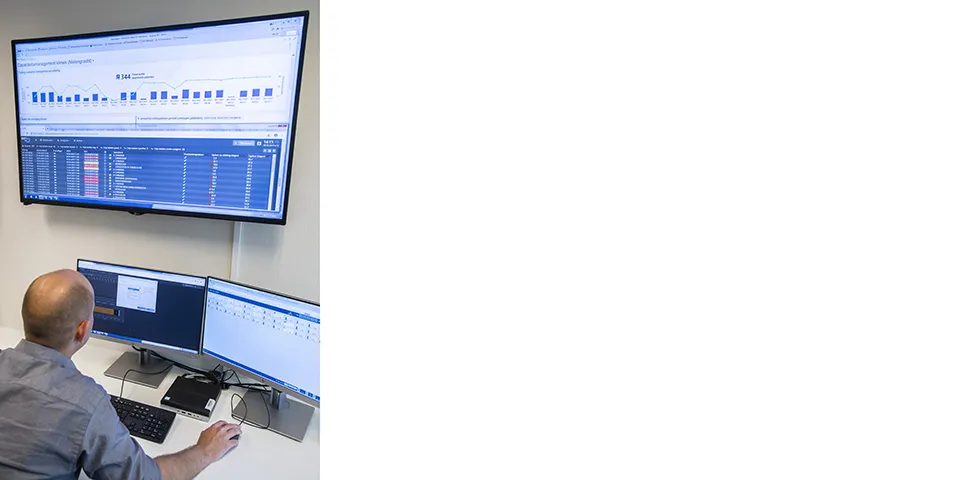
Linking data provides new insights into hospital capacity.
Capacity refers to the availability of staff, outpatient clinics, operating theatres and beds. The HCC team reviews the current situation in the hospital, makes adjustments where necessary and monitors expected demand over the coming weeks. “The team provides insight and advice, and organises capacity based on production agreements and current developments, so that valuable capacity can be used as efficiently as possible. Demand for care is growing in the Netherlands, while the working-age population is shrinking. At the same time, medical and technological capabilities are increasing. Integrated capacity management has become essential.”
Working with nursing care providers
One further development is future collaboration with a number of nursing homes and specialist rehabilitation centres. This will involve aligning and forecasting hospital discharges and capacity in nursing homes, with the aim of improving patient flow throughout the entire care chain. “Hospital beds are regularly occupied, for example, by patients who are actually waiting for a place in a nursing home. When patient flows are clearly understood and linked, action can be taken more quickly in the interests of the patient and, of course, the capacity of the institutions involved,” says Sas.
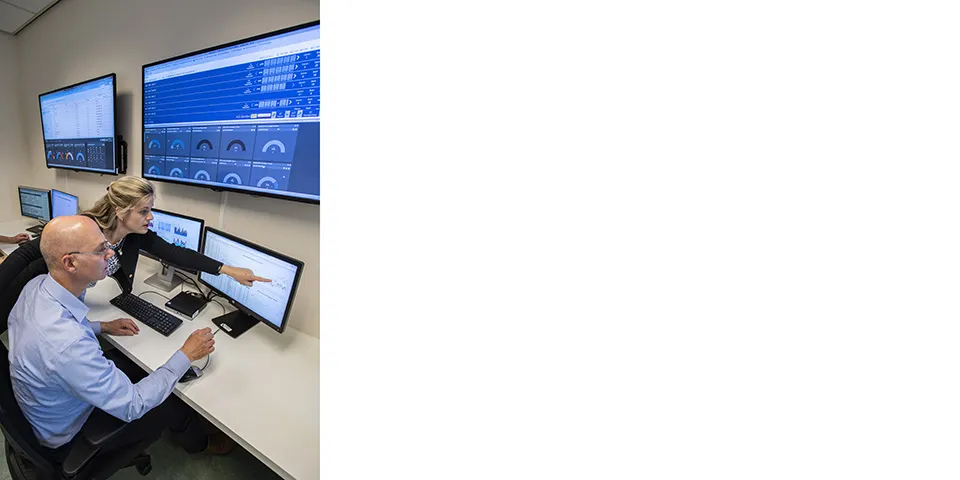
The HCC team detects peaks earlier.
Amphia aims to ‘provide patients with safe care of the highest possible quality, without wasting valuable capacity’. The HCC helps the organisation perform better. The HCC enables the hospital to take a proactive role, benefiting the entire care chain, says Sas. “We are already seeing some interesting things, for example that production peaks after public holidays and holiday periods are even higher than expected. I also didn’t know that nursing homes often discharge patients on Fridays, whereas our discharge peak falls on Tuesdays and Wednesdays. Perhaps these timings could be better aligned. Reporting to the Executive Board, the MSB Board and the medical departments also plays a role in this process, of course.”
Question about this story? Ask your question
Keep following this
Get an email when a new story is published. No account needed.
- ThemeHospital construction and refurbishment
- SubjectProduct information