











Tetris in the operating theatre
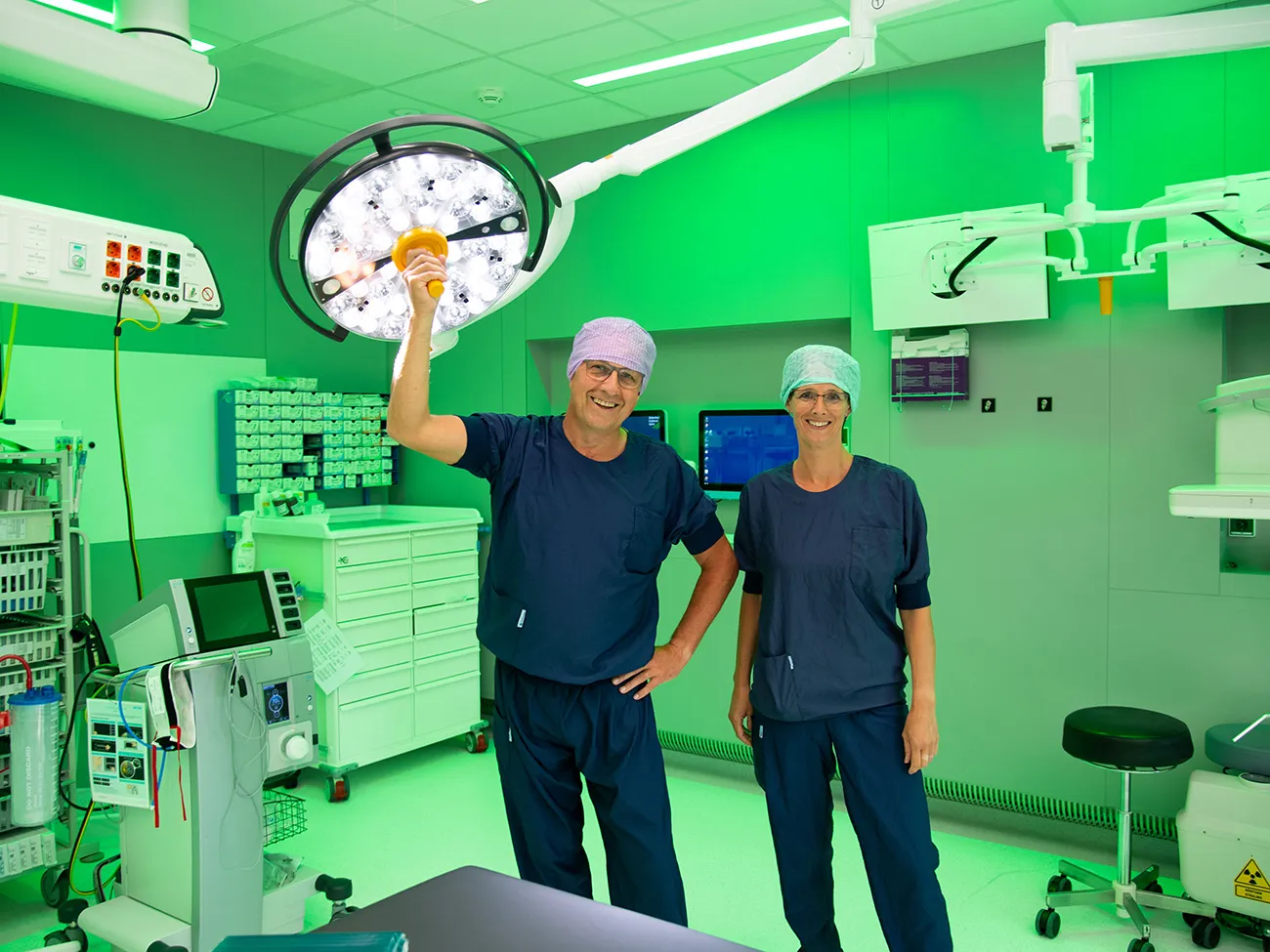
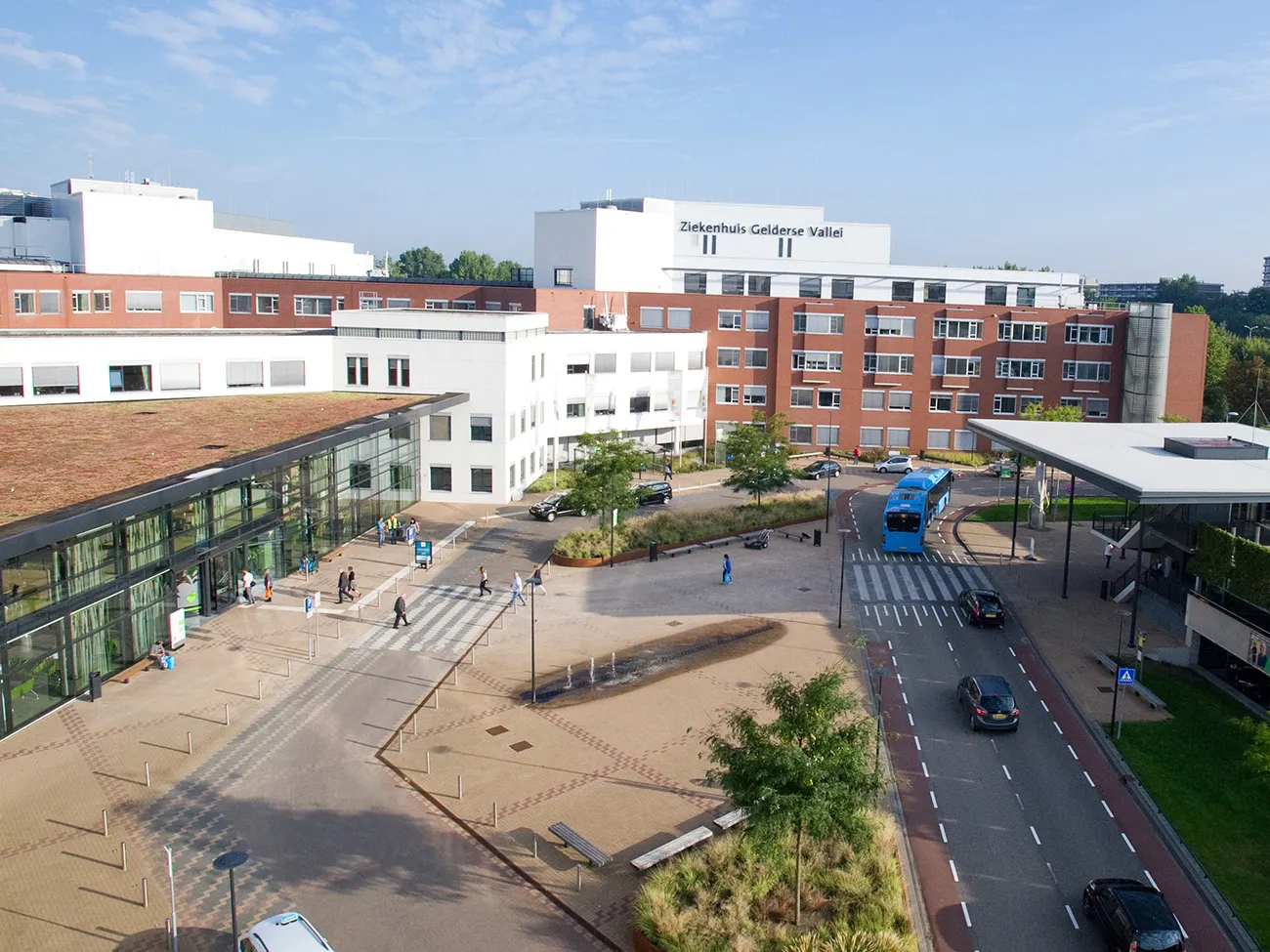
In September 2017, plans were signed for the redevelopment of the operating centre at Ziekenhuis Gelderse Vallei (ZGV) in Ede. It was a gigantic puzzle at the beating heart of the hospital, rather like the computer puzzle game Tetris.
The plan involved the phased construction of ten operating theatres (including one hybrid theatre), a holding and recovery area, and supporting facilities on the site of the operating centre, which remained in use throughout. The centre had to continue operating safely without the need for temporary facilities.
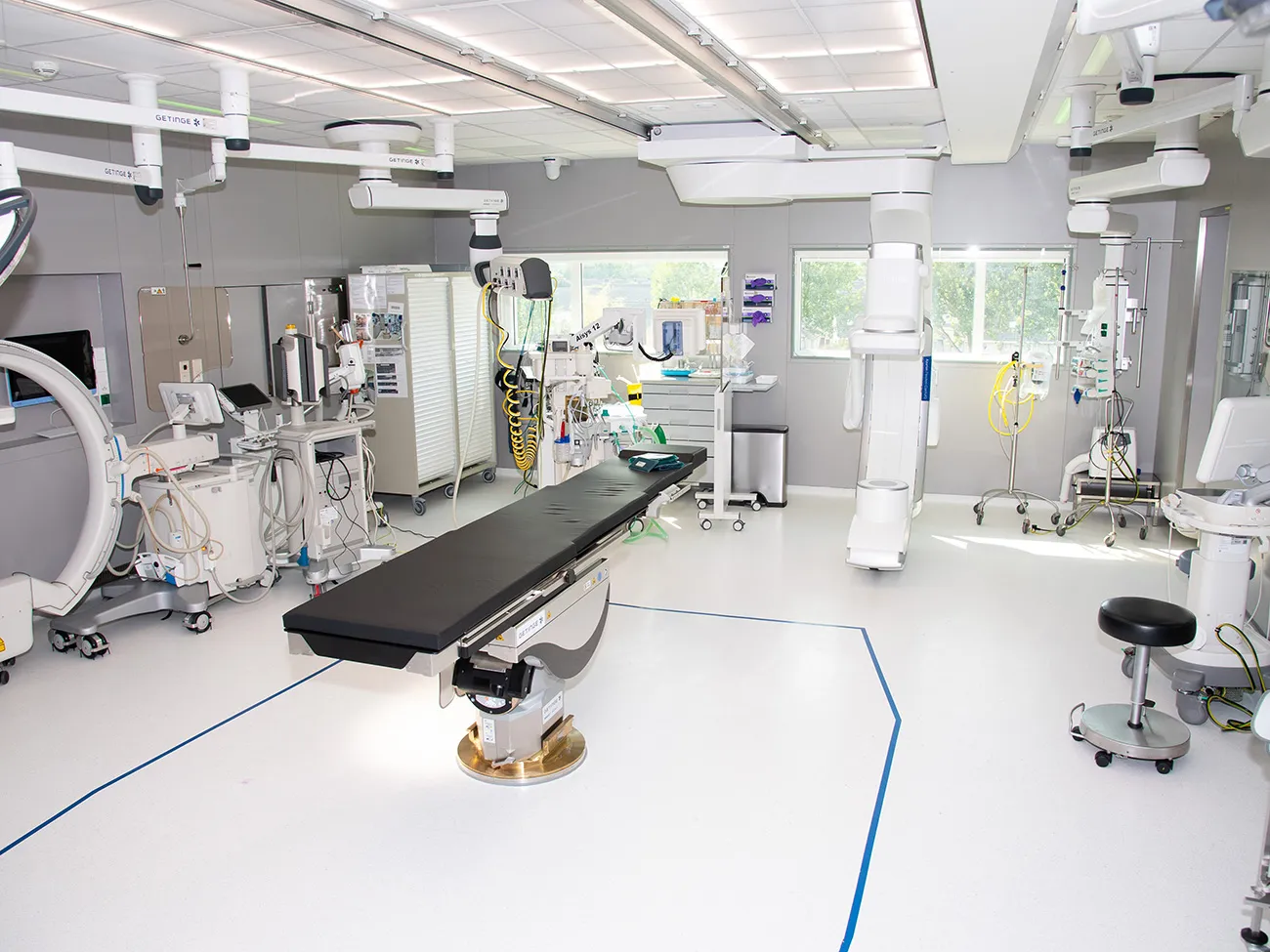
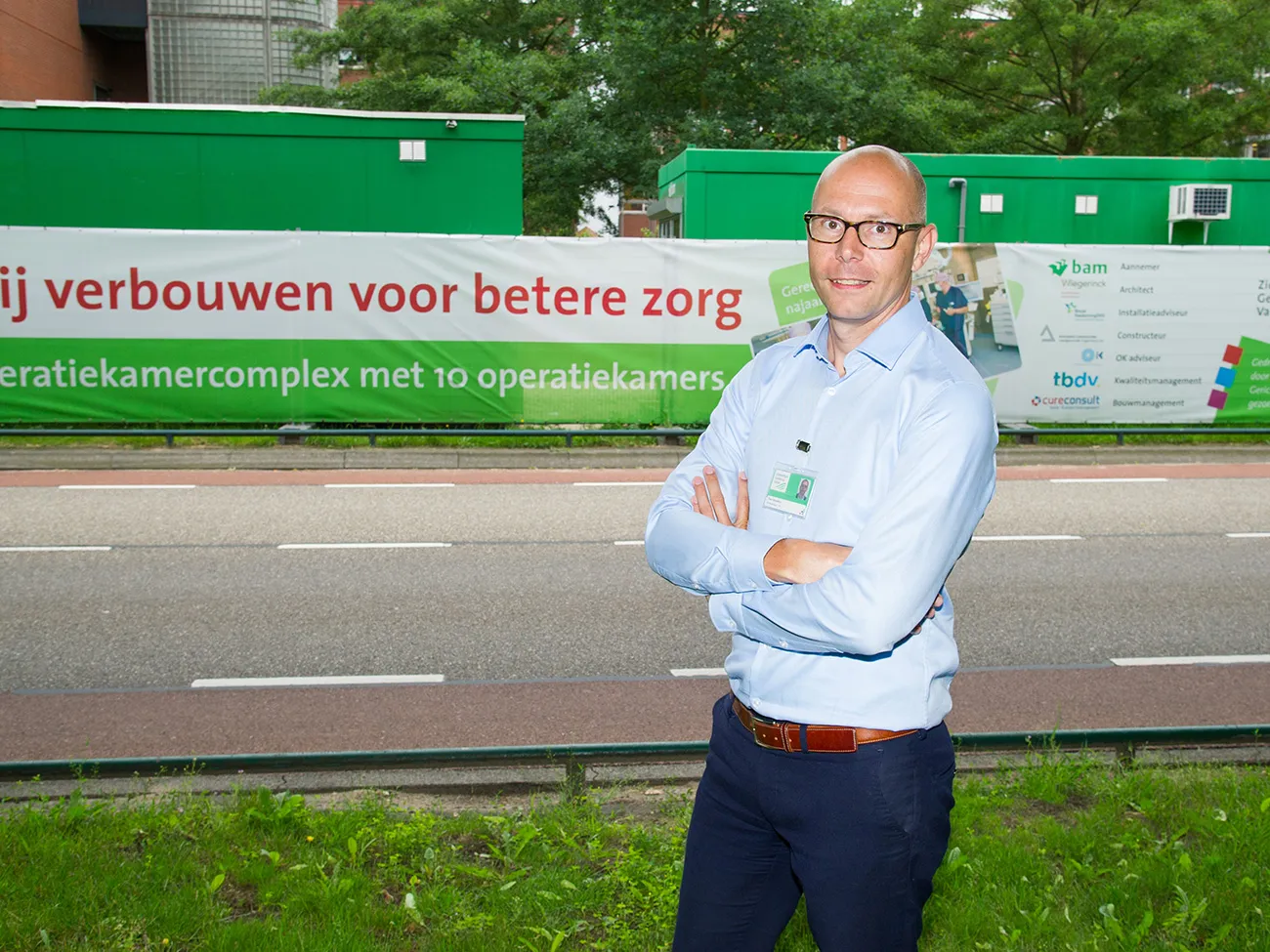
“The project was completed on 16 September 2022. It is no exaggeration to call this a remarkable achievement, especially as we also had to contend with two years of Covid in the meantime,” says Paul Keusters, Manager of Facilities and Property at ZGV. Together with construction project manager Theo Spoelstra and Janet Rekker, who is responsible for the operation of the operating theatre complex, he looks back on this major project.
Moving along
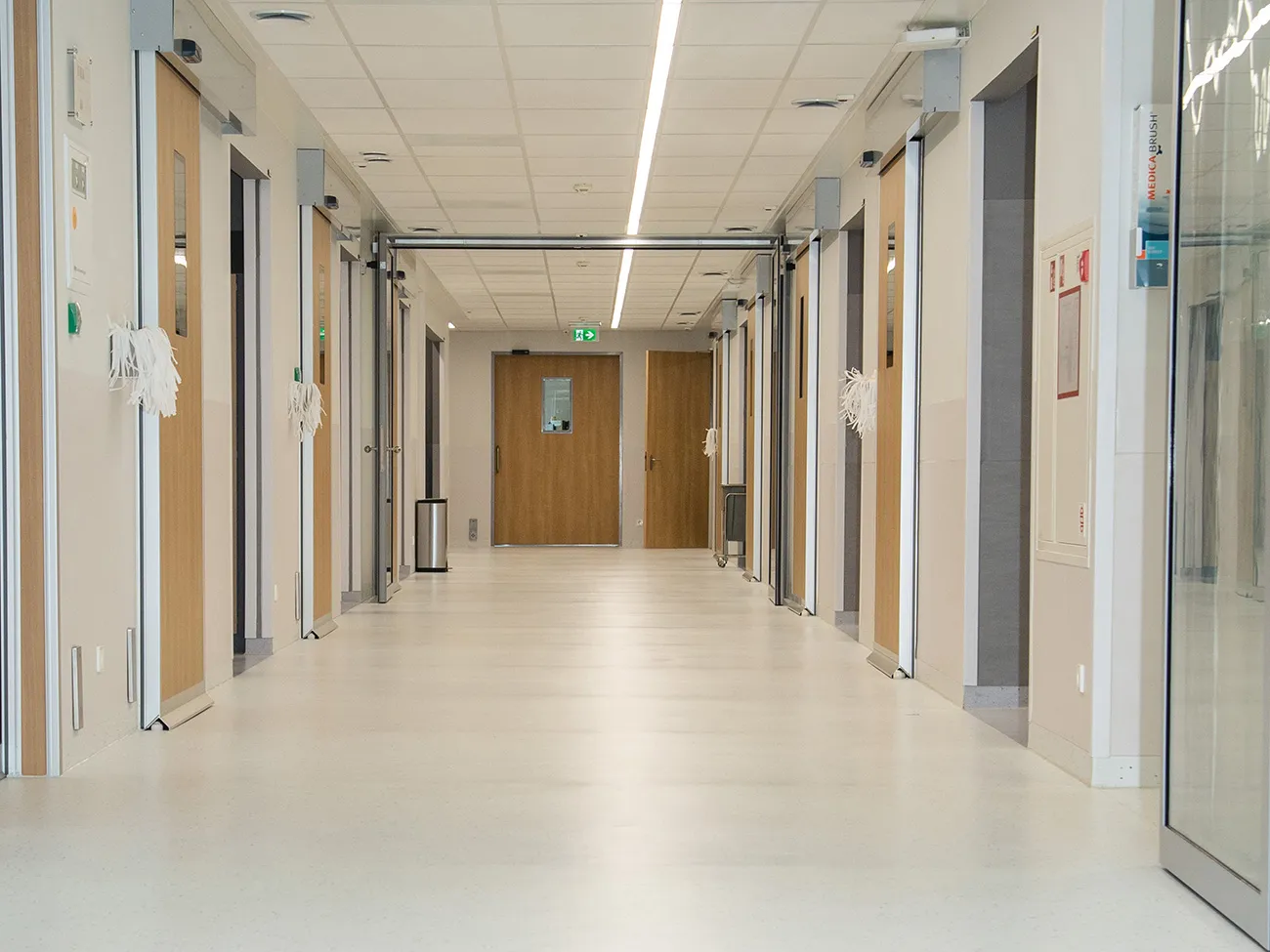
“The work was preceded by careful preparation,” says Keusters. “Building ten new operating theatres on the site of the old ones was a challenge, because the theatres had to remain operational throughout construction. We began at the end of 2017 by building two new theatres on the site of the supporting facilities. Once they were ready, we were able to move along gradually. At one point, we were working on the new theatres on one side of the corridor while construction of the next new theatres was taking place on the other.”
Safety
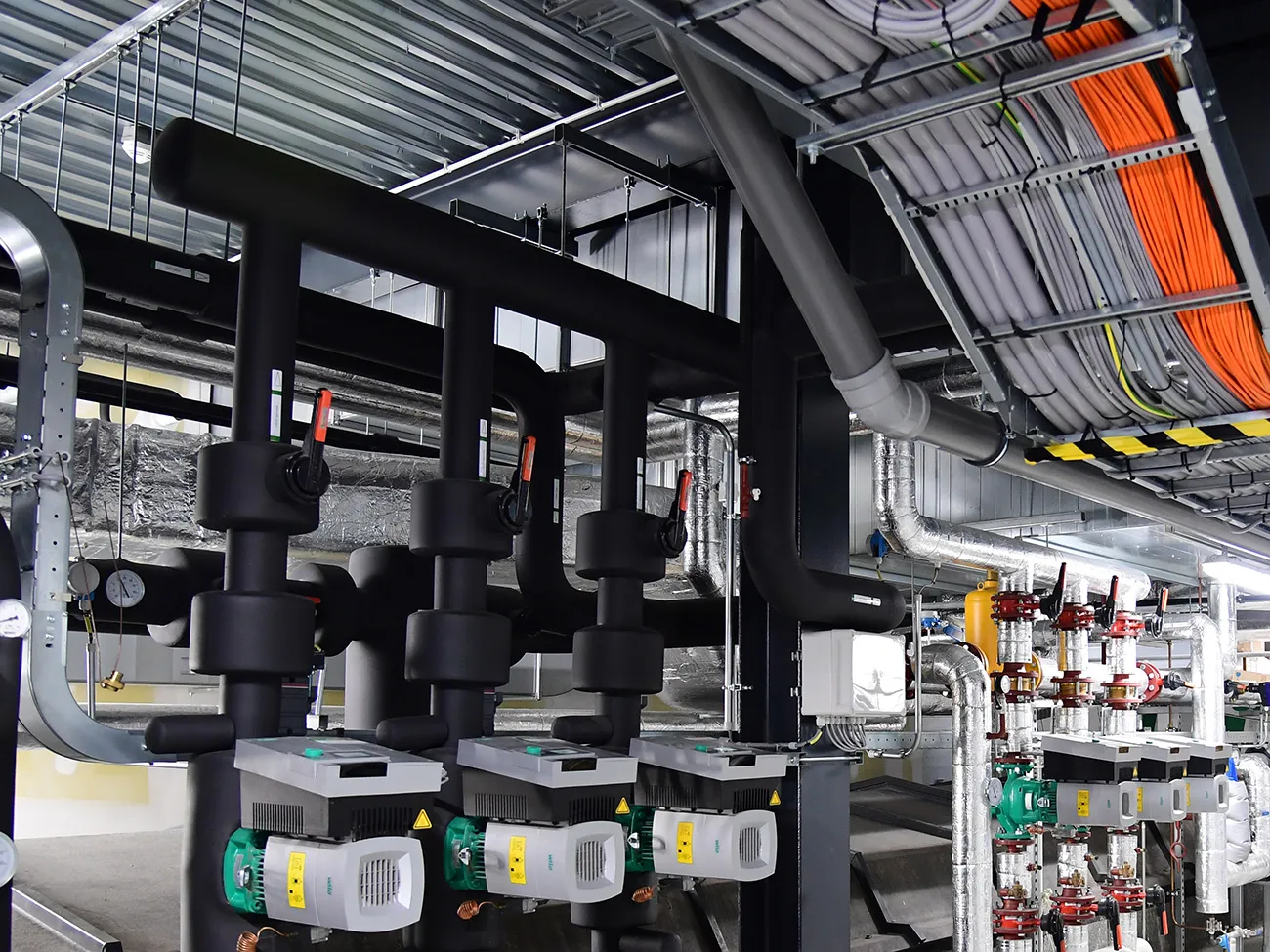
Safety was the top priority, Spoelstra emphasises: “A wide range of control measures were put in place, including continuous pressure monitoring and particle measurements. We also implemented detailed work plans to ensure the safety of the part of the operating centre that remained in use.” The project concluded with construction of the supporting rooms. “We now have a completely new operating centre that meets today’s needs and complies fully with the latest legislation and regulations. The technical rooms are above the operating centre, and installations can be switched off theatre by theatre. This means maintenance can be carried out with minimal impact on the operation of the theatres.”
Virtual Reality
As with any major project of this kind, good preparation is half the battle. The requirements of the operating centre’s users were identified and, once Wiegerinck Architecten Arnhem had supplied the drawings, everything was incorporated into a Virtual Reality programme. VR programmes are now commonplace, but five years ago Ziekenhuis Gelderse Vallei was one of the first to use one. The VR presentation showed that the architect had done a good job, as hardly any changes were made during construction. VR helped put the finishing touches to the design. According to Rekker, everything suddenly became clear: “The VR headset gave us a much better sense of the space. We were still able to make some minor adjustments. For example, we made the staff washroom layout more efficient. The VR presentation, which allowed all our staff to walk through the spaces wearing a VR headset, also helped secure buy-in and reduce rework.” ❯
Communication
BAM Bouw & Techniek was selected to carry out the work. Spoelstra says: “Communication is crucial. Being clear about what you are going to do, and then doing what you said you would, builds mutual understanding and removes 80 per cent of the disruption. Some construction work took place in the evenings or at weekends. Sometimes this was because of noise or vibration, and sometimes because services such as electricity or air handling had to be switched off. The parties involved met weekly, as did the project team and neighbouring departments such as the Intensive Care Unit. Close coordination can eliminate a lot of uncertainty and risk.”
Cake
The three look back on the project as a whole with satisfaction. Spoelstra says: “We took plenty of time to find the right construction partner. Building while keeping an operating theatre complex fully operational is no easy feat. A company without this specific experience simply could not manage it. We cannot deny that there were occasional tensions with the contractor, but when you are working on a knife edge, that is not surprising. We always managed to get back on the same page.” Rekker also points to the challenges of Covid. “We had to contend with Covid during the project, which brought construction to a standstill for three months. We also had staff falling ill, both at the hospital and the construction company. The only way to move forward is to keep talking things through, and sometimes even to turn up at the site cabin with a cake, quite literally,” says Rekker, whom Keusters and Spoelstra aptly describe as the ‘linking pin’ throughout the process.
In summary
Looking back, the three are satisfied, and their experience has taught them what matters most. Keusters sums it up: “Good preparation, good communication and construction partners with the right expertise. Work with companies that know what they are talking about. Select construction partners on the basis of past performance. Have they carried out similar projects before? You need to sit down with companies that know what they are talking about.”
A complete solution
The new operating theatre complex is a dynamic working environment where many professional disciplines come together, each with unique needs. “A project of this scale calls for collaboration with partners who understand those needs,” says Bert Janssen, Key Account Manager at Getinge. “We are proud that Gelderse Vallei chose our complete solution for ten operating theatres, including a hybrid theatre.”
“As a full-service supplier, we provide not only innovative equipment, but are also actively involved in design, planning and project implementation.” Alongside operating tables, surgical lights and pendant systems, the hospital also chose Tegris operating room integration, one of Getinge’s Digital Health Solutions, to support an efficient workflow.
Outside the operating theatres, the new Recovery, Holding and PACU areas were also equipped with Maquet Moduevo pendants. The company later installed pendants in the endoscopy rooms and the MKA outpatient clinic. “It is practical for the hospital to have one partner for several departments. Getinge has also been a supplier to the central sterilisation department for years. We are delighted to be extending our partnership with the new operating theatres.”
Process-led design
“An operating theatre can only function well if the whole operating centre works,” says Janet Vissinga of OKCN. The plans for Ziekenhuis Gelderse Vallei were developed following a thorough analysis of the former operating centre and the building’s distinctive T-shaped layout. “By looking closely at patient flows, goods flows and staff flows, as well as equipment and how they connected with the position of the new theatres, we were able to establish the principles needed to create a workable hygiene zoning plan.”
“Within the parameters set, we discussed our ideas in depth with operating theatre staff, the medical staff and those responsible for each domain. We clearly translated the design principles for the architects and building services consultants, with whom we undertook an intensive design process. The construction phase was a complex undertaking, with the theatres remaining fully operational, but we ultimately brought it to a successful conclusion with maximum flexibility for the users.”
Moment -1
Vissinga emphasises the importance of getting involved at an early stage, which she also calls ‘moment -1’. “This is when a hospital wants to build or renovate a high-care department but has not yet formed a clear picture of the primary processes in relation to the space requirements and zoning needed. At this stage, you can work towards an optimal outcome and avoid unnecessary design costs and rework. What we often see is that departments become entrenched in their current way of working and do not fully appreciate how to use floor space more efficiently by organising their work processes more intelligently. At Ziekenhuis Gelderse Vallei, we were able to create an excellent operating centre, with high-turnover operating theatres, general-purpose theatres and a superb Hybrid Operating Theatre, making optimal use of the available floor space.”
Buy-in is key
“And yes,” Vissinga reiterates, “translating primary care processes into design principles is a specialist skill. The methodology for creating a design that has broad support and is fit for the future is a unique process in which healthcare professionals play a central role. Buy-in across the organisation is the key.”
A business enquiry for Getinge? Get in touch
Who worked on it
Operatiecentrum Ziekenhuis Gelderse Vallei in Ede
Keep following this
Get an email when a new story is published. No account needed.
- ProjectOperatiecentrum Ziekenhuis Gelderse Vallei
- SubjectGeneral
- CompanyGetinge
- CompanyOKCN
- CompanyWiegerinck Architecten Arnhem
- CompanyBAM Bouw & Techniek







