











Totaal OK congress: Monitoring quality requires constant attention
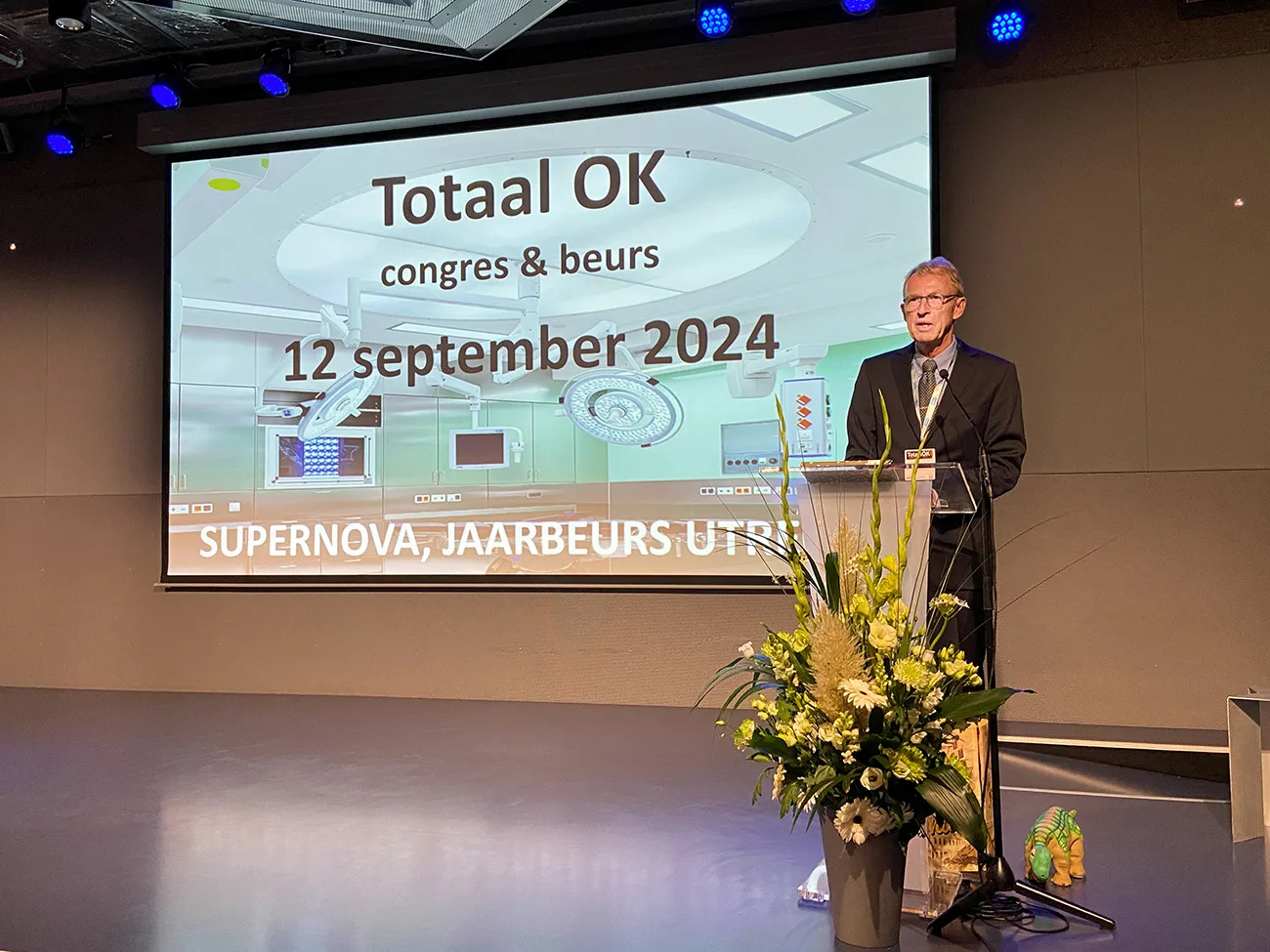
After two years of Covid restrictions, the special Supernova conference venue at Jaarbeurs Utrecht was finally able to host a new live edition of Totaal OK, aimed at stakeholders involved in the construction, operation and use of operating theatres. The 2022 programme focused on users’ choices and experiences; on 15 September, the design and fit-out, practical and clinical use, guidelines and management of new, integrated operating theatre concepts were considered from several perspectives. Safety was the key theme of the conference.
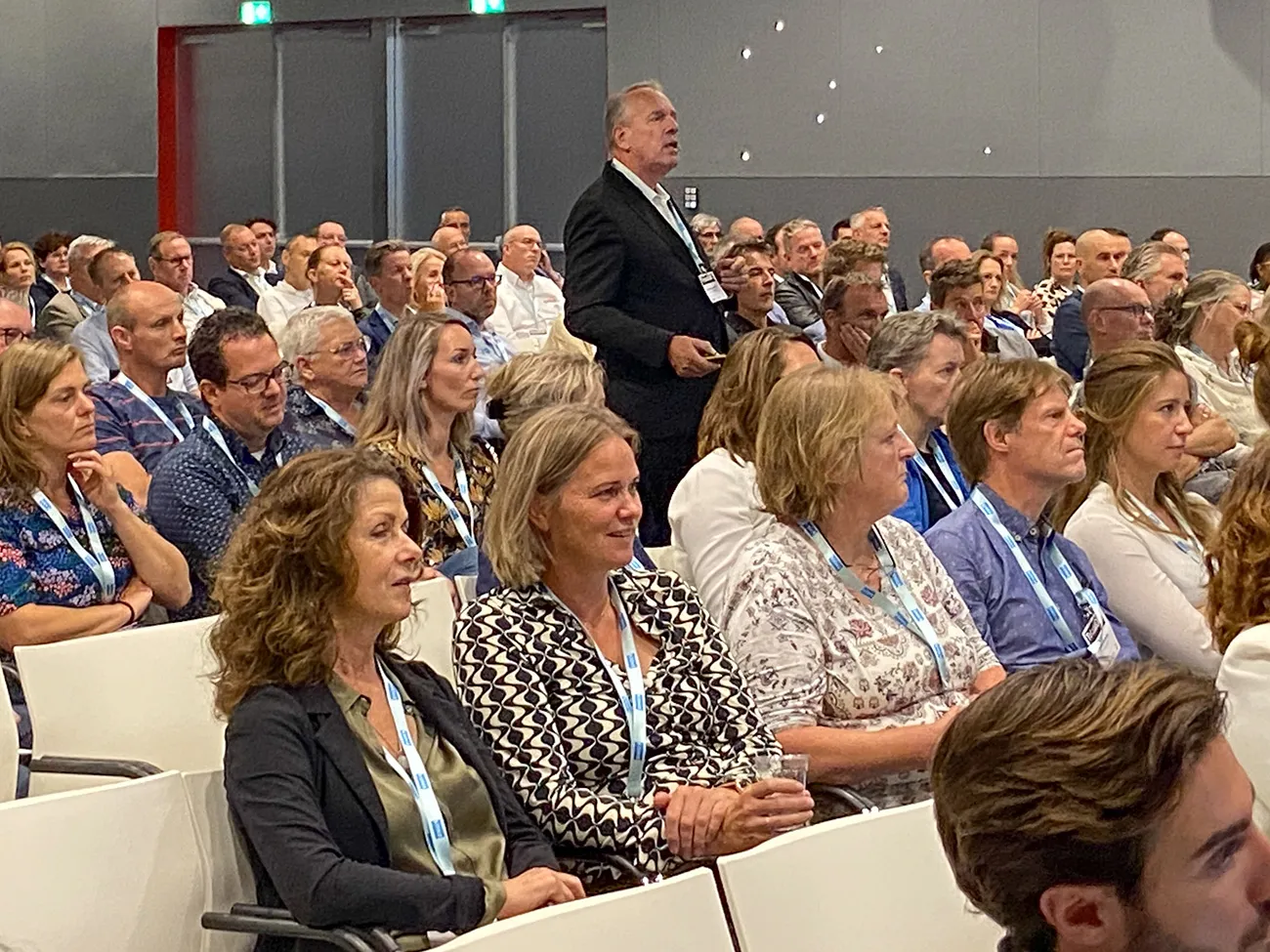
The design of operating theatres has changed considerably over the past few decades. Innovations such as hybrid operating theatres with imaging technology, new air-handling systems and stricter regulations have led to a continuous stream of operating theatre refurbishment projects in hospitals. This has mainly resulted in larger operating theatre suites, partly because the amount of equipment is increasing.
Air quality
The pre-Covid editions of Totaal OK devoted extensive attention to these developments. The 2022 edition focused mainly on safety, infection prevention, sustainability and comfort, the essential outcomes of investment in operating theatre quality. Eight speakers from a range of fields, from consultants and surgeons to scientists, some of them in more than one role, took to the stage. The day opened with two presentations on air quality, the first by Stefan van Heumen of TNO Delft. His main point was that there are seven different guidelines for the construction, fit-out and use of operating theatres. The subject was narrowed down to particle measurement in practice at Catharina Ziekenhuis in Eindhoven. Air quality expert Johan Laurensse tested the hospital’s operating theatres against the new RL8 guideline. Most operating theatres have two different air quality zones: the plenum area and the periphery. Systems that generate consistent air quality throughout are becoming increasingly common, such as the Opragon system. How, for example, can particles from the periphery be prevented from reaching the surgical site? One of Laurensse’s key conclusions was that simple measures, such as moving calmly around the operating theatre, can make a significant difference.
Sensors on surgical instruments
Trauma surgeon and professor Maarten van der Elst addressed safety more broadly. He began by highlighting the 1,500 deaths in hospitals each year caused by ‘preventable behaviour’. Work is under way to improve patient safety at Reinier de Graaf Gasthuis and TU Delft, through the introduction and testing of innovative systems. For example, sensors are being used to track some of the instruments in Delft’s operating theatres, helping to prevent them from going missing. More far-reaching is the DORA project, in collaboration with TU Delft. DORA (Digital Operating Room Assistant) is specialist software based on a checklist. If any items are marked red, surgery cannot proceed; the immediate problem must first be resolved. This could be anything from an open door to a missing instrument.
Thermal comfort in the operating theatre is another area of concern. Marcel Loomans of TU/e investigated how operating theatre staff experience temperature. His main findings were that feeling cold in the arms and head causes the greatest discomfort. Anaesthetists report the most complaints, surgeons the fewest. The study found no major differences between the different types of air-handling system.
The green operating theatre
As an anaesthesiologist at UMC Amsterdam/AMC, Niek Sperna Weiland is drawing attention to the carbon footprint of operating theatres. It is too high. Sperna Weiland identifies three areas of focus: medical gases, energy consumption and materials. There is considerable scope for improvement in all three. “Anaesthetic gases are potent greenhouse gases. They are not broken down by the body and are exhaled. The same effect can be achieved with Propofol, with dozens of times lower CO2 emissions than Desflurane.” On energy consumption, he says: “Air handling accounts for 90%, so switching it to night mode or turning it off can save a lot of energy and money.” Reducing material use can also make a significant difference, especially by using up opened packs.
Prosthesis infections
Back to practice. Koen Defoort of Sint Maartenskliniek in Nijmegen was directly involved in a major operating theatre refurbishment. It gave the orthopaedic surgeon at the specialist clinic the opportunity to optimise operating theatre quality in terms of construction, fit-out and workflows. “Infection prevention is the top priority in orthopaedics, because infections after surgery are on the rise worldwide, particularly those involving prostheses. Revision surgery and follow-up treatment place enormous pressure on capacity.” Using touch-free switches to open doors and operate equipment is an important step in infection prevention. The surgeon’s experience summed up the day well: a people-centred approach can make a significant difference to the quality of care, for example by keeping checklists simple to prevent people from just ticking boxes. A pleasant working environment can also make a difference, with spacious, ergonomic operating theatres and access to daylight. Defoort also advocates a focus on consistent recording, for example by incorporating the operation report into the patient’s electronic health record.
Robotisation
The day concluded with presentations on specific topics, including the use of the electrosurgical knife and the robotisation of the operating theatre. Prof. Dr. Maarten Steinbuch (TU/e and co-founder of Eindhoven Medical Robotics) is not only working on surgical robots; he also has a much broader vision. Operations can already be performed remotely by a treating physician using the Da Vinci surgical robot, with minimally invasive surgery. The labour-related aspects of treatment are still at an early stage, says Steinbuch. In the near future, surgeons may be able to retire later because operations will become less demanding and time-consuming. No doubt this topic will be revisited at a future edition of Totaal OK.
New stand, impressive projects
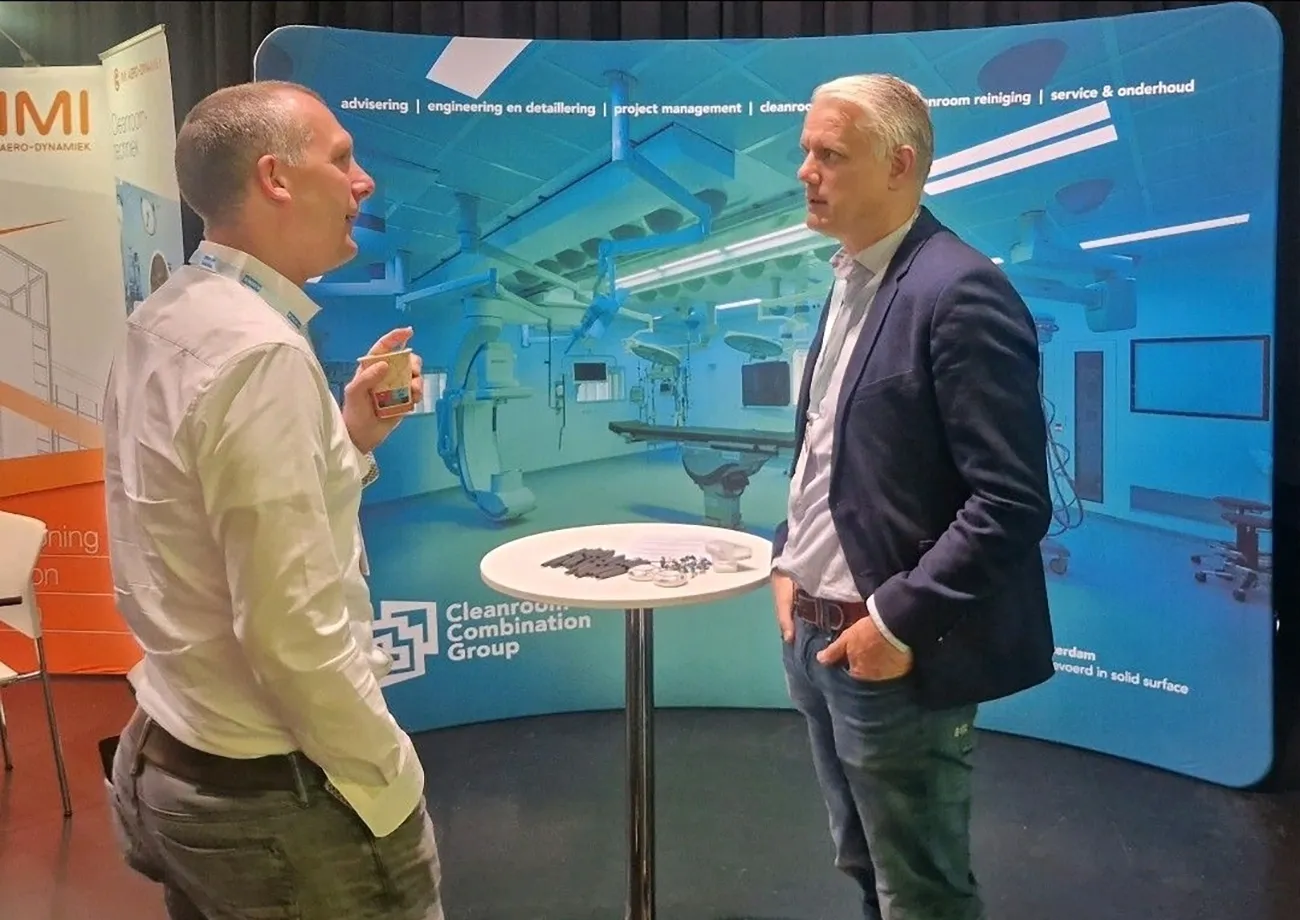
Cleanroom Combination Group attended this edition of Totaal OK with a new stand. It showcased OLVG-Oost Amsterdam’s new Hybrid Operating Theatre 1, a fantastic project that CCG is extremely proud of.
The conference provided an opportunity for many interesting conversations and inspiring presentations, as well as an enjoyable programme and a lively day.
Michiel van Kooten (COO) said that Cleanroom Combination Group is currently building, or is set to build, the MRI operating theatre at Wilhelmina Kinderziekenhuis Utrecht, the operating theatre suites at Wilhelmina Ziekenhuis Assen, OLVG-Oost Amsterdam and UMC Groningen, as well as 4 endoscopy operating theatres at Amsterdam UMC (VUmc site). These are excellent commissions for CCG as an operating theatre specialist.
The new standard in fire-resistant doors
Medicare EI1 is the first hermetically sealing sliding door system to achieve the highest EI1 classification in accordance with EN 1634-1, the European standard for fire resistance of doors. To meet this standard, the door is tested to check that it can contain flames (E), does not heat up excessively (I) and does not emit excessive radiant heat (W).
Smoke resistance
Smoke resistance is also essential, in addition to fire resistance. As well as being tested for fire resistance, Metaflex Medicare EI1 doors have also passed smoke resistance tests and been certified in accordance with EN 1634-3, the European standard for smoke control in doors. Smoke leakage is classified using the Sa and S200 ratings.
Airtight sealing
Opening and closing the Medicare EI1 sliding door causes virtually no air movement. The door system has also achieved the highest airtightness classification, D (4), in accordance with EN 1026/12207. Its unique sealing system ensures that the door remains airtight within the specified tolerances, even under high positive or negative pressure.
This door is highly suitable for areas where fire safety is important, such as operating theatres, intensive care units, X-ray rooms, pharmacies and emergency departments.
Climate control specialist for healthcare introduces new products
‘Hygiene’ was the main focus at the Totaal OK congress. How can we improve management, monitoring and recording? CaTeC’s new pressure monitoring interface, the CPS 6000 system, has been fitted with a glass display for monitoring pressure in operating theatres and patient rooms. The new glass-fronted display has a redesigned surface that is much easier to clean.
Many people will recognise the display, as the product is already in use in their hospital. The updated version and user-friendly menu structure have been further optimised. Management, monitoring and recording of current climate parameters are also important. For monitoring and validation, CaTeC presented its updated TSI96xx handheld meters. Features include a colour display, an improved menu structure and a robust, reliable system using ceramic flow elements. An ergonomic handle ensures ease of use.
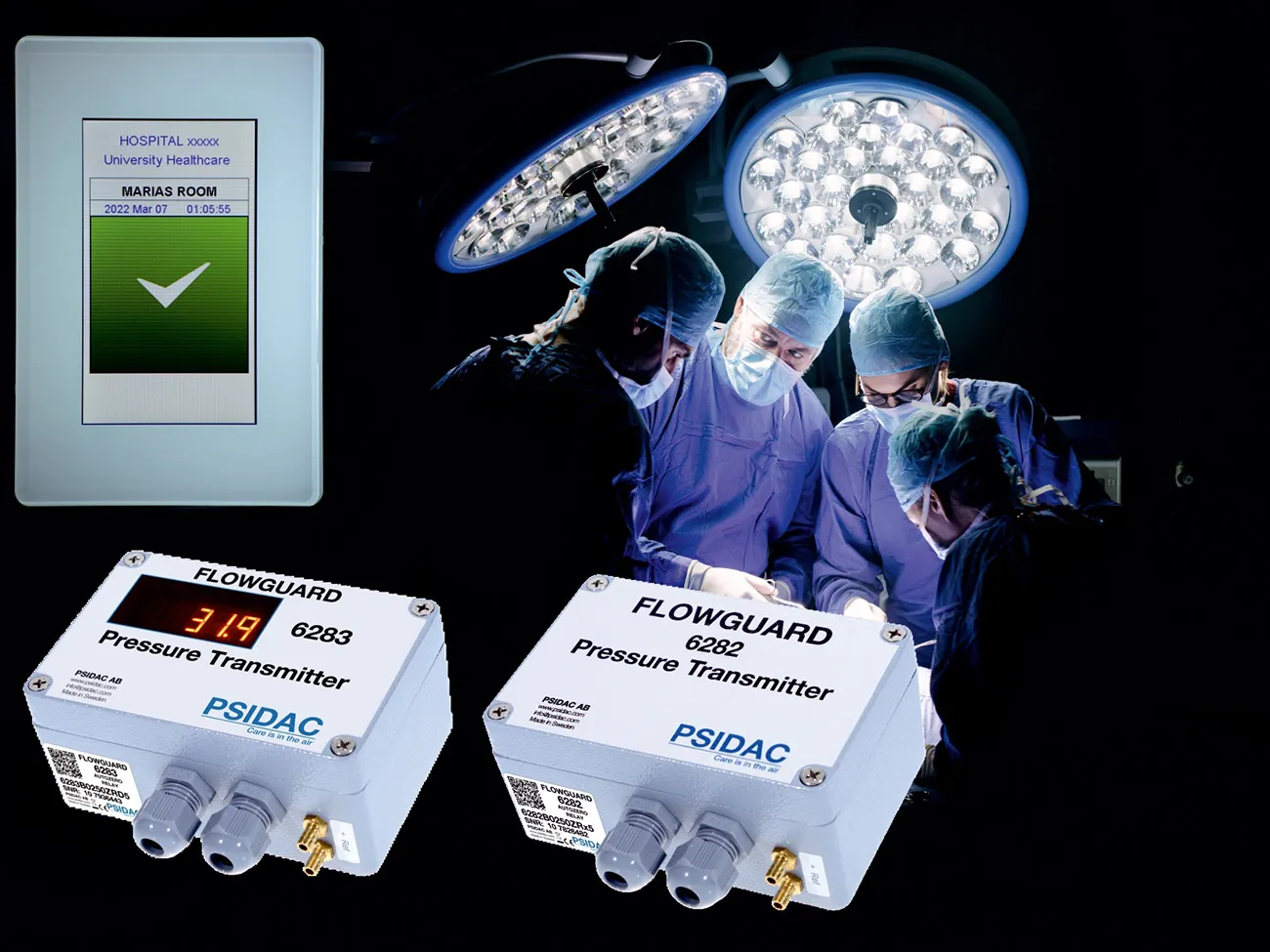
The products are designed for use in hospitals and operating theatres, with a focus on improved hygiene, validation, accuracy, reliability and ease of use.
Have a business enquiry for CCG Holding? Get in touch
Companies in this story


Keep following this
Get an email when a new story is published. No account needed.
- SubjectGeneral
- CompanyCCG Holding
- CompanyMetaflex Doors Europe







