











Utrecht Social Vision 2040: connecting housing, care and the living environment
Text José Mulder Beeld Bas van Setten
In Utrecht, several challenges are converging in a distinctive way. The city is expected to grow by 100,000 residents by 2040, while the ageing population, and the pressure on care that comes with it, are increasing. Space is also scarce. On top of that, differences between neighbourhoods are becoming increasingly pronounced. While many municipalities focus mainly on the number of homes, Utrecht is putting a different question at the centre: how can you build a growing city without losing social cohesion?
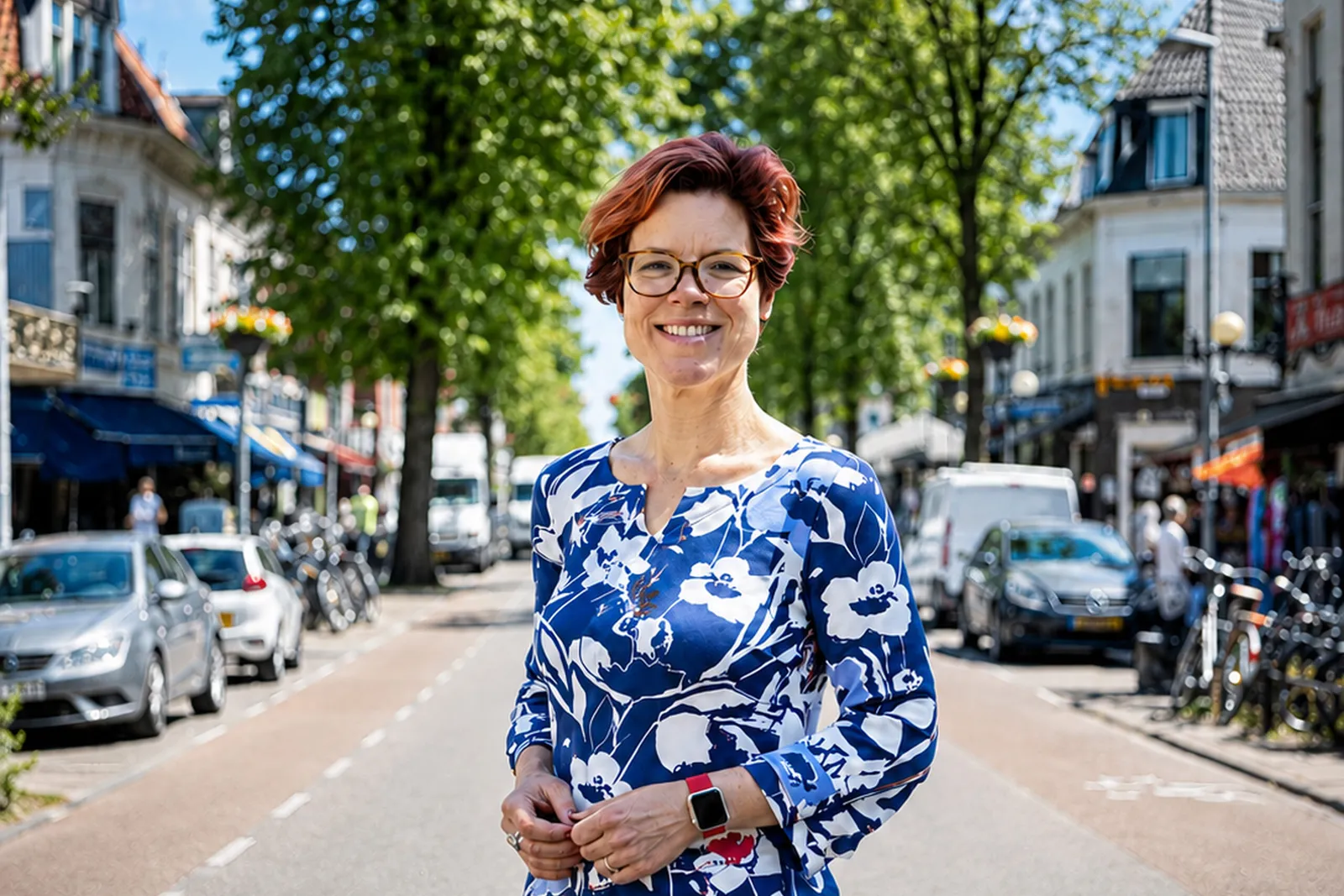
Alderman Linda Voortman is clear: “If you want to organise care effectively, you need to start with the living environment.” This is the central idea behind the Social Vision Utrecht 2040, which deliberately brings together physical and social policy. During the previous municipal executive term (2022-2026), Voortman was responsible for developing the Social Vision in her role as alderman for the Social Support Act (Wmo) and welfare. In the new municipal executive, which took office in early July, she has been given the spatial development portfolio. This gives her the opportunity to put the vision into practice. “Above all, Utrecht must remain Utrecht,” she says. “You achieve that not just by providing more homes, but also by considering who you are building them for and investing in communities and complete living environments. Facilities, health, social interaction and mobility are all a natural part of that.”
In the view of Utrecht municipality, these are not separate themes, but investments that ultimately also limit care costs. Loneliness and health inequalities lead to higher care costs, after all. This is particularly true in Utrecht, with vulnerable neighbourhoods such as Overvecht and Kanaleneiland. Utrecht has therefore deliberately chosen to ‘invest unequally to create equal opportunities’. In neighbourhoods where health problems and financial insecurity are more prevalent, extra investment goes into welfare, social interaction and a healthy living environment.
Critical
Voortman believes the link between physical and social policy is still not sufficiently reflected in national policy. Funding focuses too much on bricks and mortar rather than social infrastructure. “The national government is primarily focused on increasing housing construction, but at local level we as a municipality have a much broader task: when we build homes, we also need more green space, welfare facilities, sports fields and so on. That is the only way to create a healthy living environment. It would be good if the national government could contribute to that too.” Of course, homes designed to accommodate residents throughout their lives also help the growing number of older people to live independently at home for longer. “That, too, generates savings for society.”
Hof van Leeuwesteyn
Hof van Leeuwesteyn in Leidsche Rijn is a concrete example of Utrecht’s approach. Older people live independently here in a close-knit community, where residents look out for one another and formal and informal care come together. It has also been made accessible to people on different incomes. Utrecht is experimenting not only with housing models for older people, but also with intergenerational living concepts. One example is De Saffier residential complex, in the former Tolsteeg care home. Students temporarily rented vacant space in the building while supporting older residents through activities and daily contact.
These types of housing fit into Utrecht’s broader housing policy, which focuses on suitable homes and encouraging people to move on to housing that better meets their needs. “Older people are reluctant to leave their neighbourhood, for example because of their social networks. That is why we are working on neighbourhood structures and housing models that meet residents’ needs. This makes moving within the neighbourhood more attractive.”
Utrecht also stands out from other municipalities for its strong emphasis on collaboration and resident participation. An initiative such as Meetellen Utrecht! gives residents the opportunity to contribute their views on accessibility, care and quality of life. Local people with lived experience also play an important role, as do key figures such as teachers, an imam and volunteers. The aim is to make it as easy as possible for people to access care and support.
A green, healthy and resilient city
“By 2040, Utrecht will be a green, healthy and resilient city where no one is left behind,” Voortman concludes. “Residents of different backgrounds and generations will be able to afford a home, take part in society and rely on one another in neighbourhoods where support is close at hand, human and easy to access.” In Utrecht, care is therefore no longer solely a matter of institutions or eligibility assessments, but above all of urban development.
Question about this story? Ask your question
Keep following this
Get an email when a new story is published. No account needed.
- SubjectGeneral







