











Waiting Room Madness
Text Marie-Louise VerplakImage Mirjam Ophoff
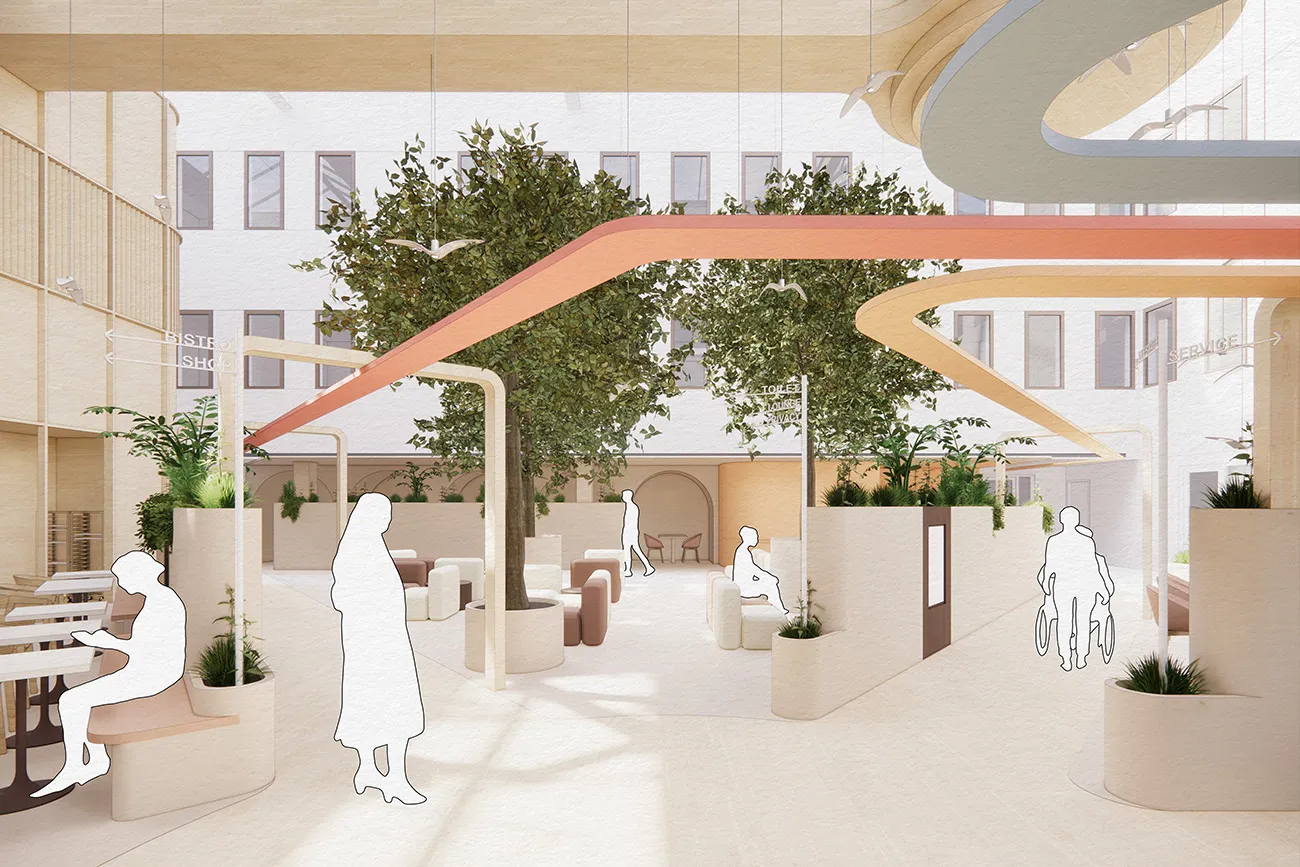
A hospital visit is stressful for many people. Especially in a busy waiting room, frustration can quickly mount when appointments run late or waiting times are unclear.
Hospitals would do well to take patients’ waiting experience more seriously. After all, a positive waiting experience leads to greater overall satisfaction and loyalty, says Mirjam Ophoff. For her graduation project, ‘Wachtruimte Waanzin’, she explored how waiting rooms can be designed with empathy, helping to ease patients’ emotions. “A hospital is one of the most inclusive buildings in the Netherlands. People from diverse groups, with different backgrounds and a range of emotions, all come together in one waiting room. So why do waiting rooms so often look the same?” This question lies at the heart of her graduation project. Ophoff believes that waiting areas should offer a varied landscape of different ways to wait, suited to visitors and taking their emotions into account. A waiting landscape where visitors can choose how they want to wait. Indoors or outdoors? Actively or passively? Alone or with others? As a spatial designer, Ophoff believes visitors should be given the choice.
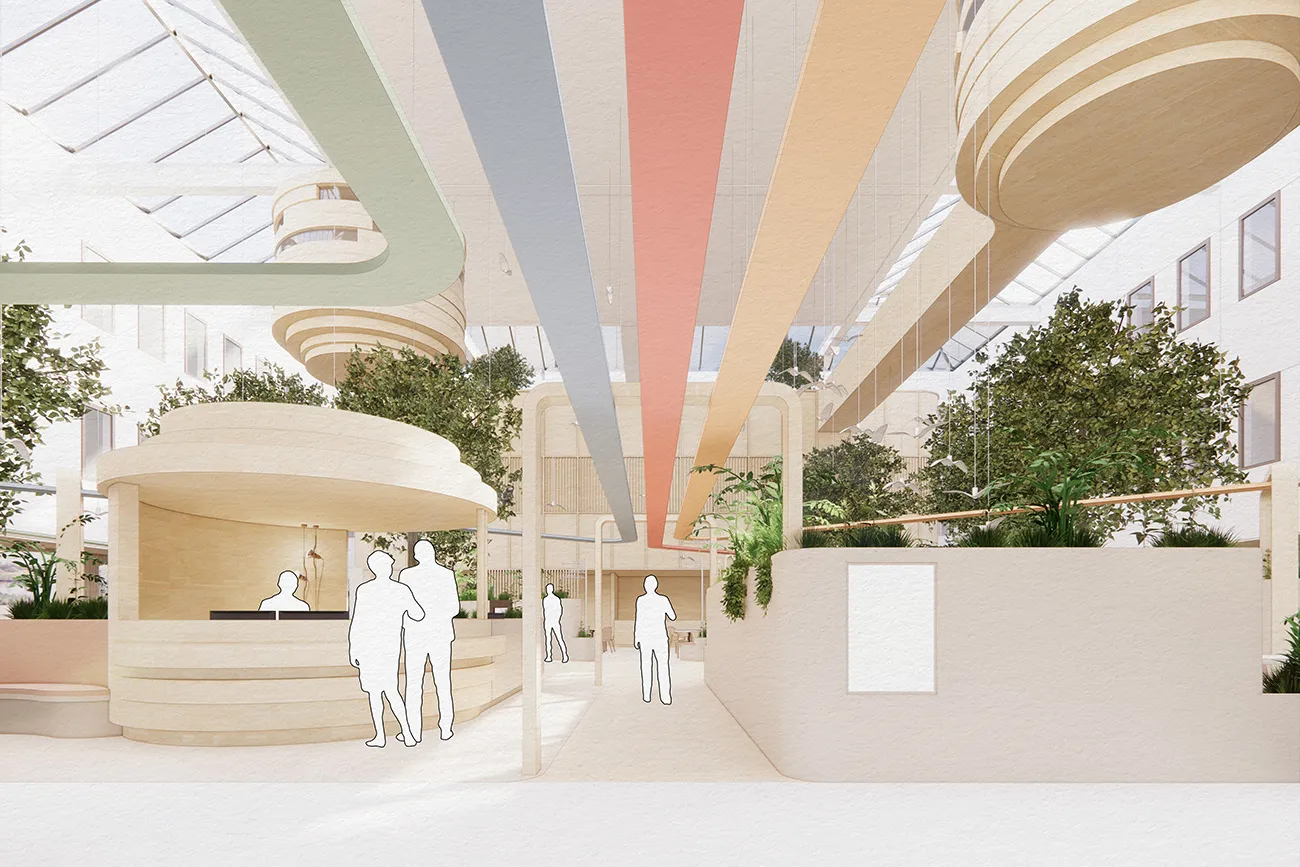
A stable foundation
In response to her central research question, how to design waiting rooms with empathy, Ophoff arrived at the following solution. “It starts with a stable psychological foundation. In a hospital, various factors can make visitors feel that they have lost control. It is vital that visitors remain in control right up to and including the waiting room. Visitors to the waiting landscape (patients and their companions) should be placed centre stage, giving them back a sense of control and reducing anxiety and stress as much as possible.” She continues: “This can be achieved by offering a choice of different ways to wait. Clear wayfinding also plays a very important role. Waiting is unpleasant when visitors are unsure where they are expected to go next. It is also important to communicate waiting times. Uncertain waits feel longer than known, finite waits. Finally, social safety must also be taken into account.”
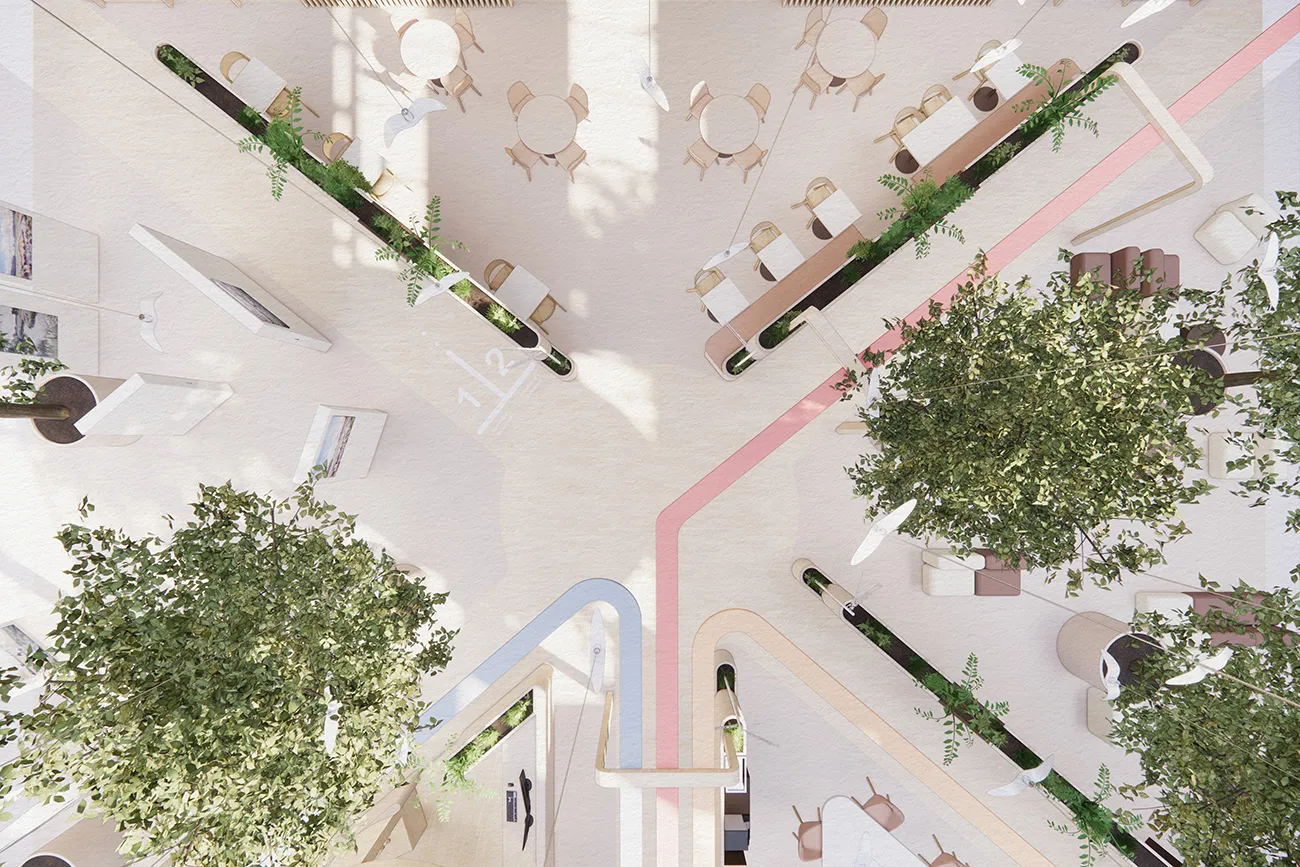
Central waiting landscape
Ophoff proposes a central waiting landscape offering a range of ways to wait. “By combining and centralising waiting areas, more space is created to offer different ways to wait, suited to visitors’ emotions. From public to private, active to passive, and indoors to outdoors. Visitors can choose how they want to wait and what suits their emotions at that moment. They can have a cup of coffee when the information screens show that the wait is getting longer, find a quiet spot when tensions rise, or seek out entertainment when boredom sets in.” However, a central waiting landscape only works if the psychological foundation described above is in place, Ophoff explains. “Visitors must be in control, kept informed about waiting times and able to find the relevant department through clear wayfinding. Once this foundation is in place, they can enjoy the freedom of a varied waiting landscape and shape the waiting process for themselves. The spatial environment cannot influence whether the outcome is good or the recovery process goes well. But it can soften the experience, provide a sense of comfort and empathise with visitors. That is something I am passionate about.”
Question about this story? Ask your question
Keep following this
Get an email when a new story is published. No account needed.
- SubjectGeneral







