ZORG.tech battles through the pandemic
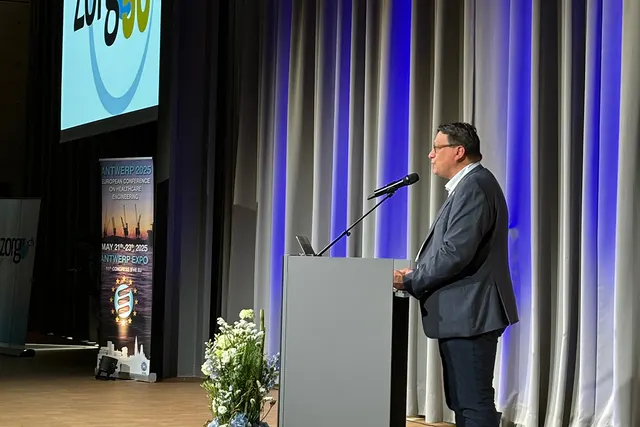
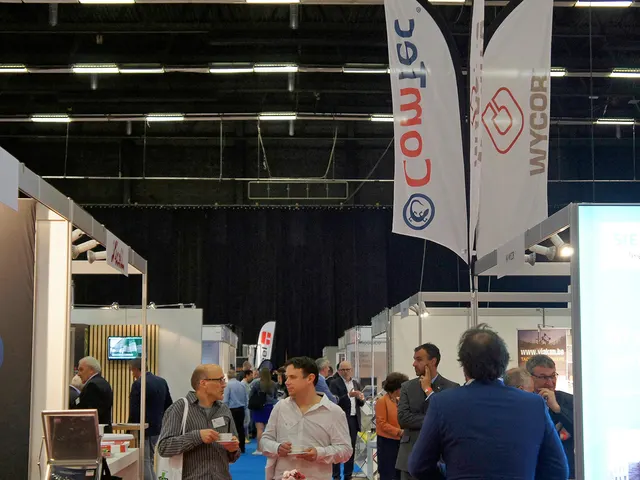
The COVID-19 pandemic had a profound impact on almost everyone, but particularly on members of ZORG.tech, the Flemish sector organisation for technical service managers at care institutions. They not only had to implement far-reaching measures in their own facilities, initially with limited resources, but also had to completely rethink their organisation’s activities. It was particularly painful that they had to cancel their annual congress, which had first been postponed.
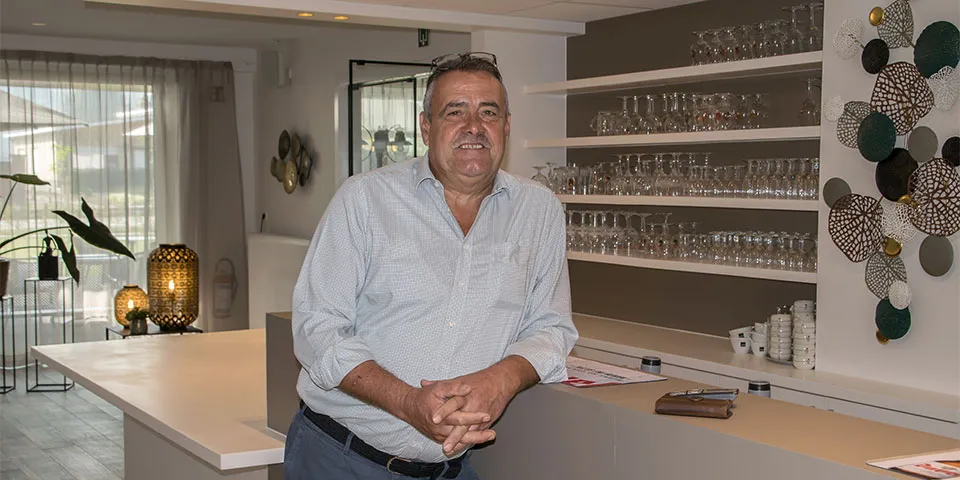
“The congress was originally due to take place in May 2020. We initially rescheduled it for October 2020, but by August it had become clear that there could be several more waves,” explain board members Marc Jackmaert and Staf Leën. “It gradually became clear that the first vaccines would not be available until March or April 2021. In August, we therefore decided, as a precaution, to move our congress straight to 2 December 2021. We hope this will prevent any more unpleasant surprises. Our Dutch colleagues at NVTG have also cancelled their congress. Our international umbrella organisation, the International Federation of Health Engineering (IFHE), has also suspended or cancelled its planned activities.”
The plan is to keep the ZORG.tech congress programme unchanged. “In principle, the speakers and the topics they will cover will remain the same,” says Jackmaert. “Cancelling the congress will result in a limited financial loss. We also need to consider how to organise future congresses in a way that is safe from coronavirus.”
Online alternatives
Facilitating contact between members and fostering internal and external networking are among ZORG.tech’s main objectives. “Alongside our congress, we organise study evenings, training courses, and social and cultural activities. These have always involved meeting in person. Coronavirus put a stop to them for various reasons. Our members were not only extremely busy implementing appropriate measures and installing adapted infrastructure, but government restrictions also made it impossible to meet. It soon became clear that online alternatives were the way forward.”
“Online meetings save a lot of time,” says Leën. “In the digital age, it is easier to arrange meetings, but easier does not necessarily mean simpler. For a good online meeting to take place, every participant needs to be familiar with the software and infrastructure being used. Many residential care homes were not prepared for this and had only limited resources for online meetings.”
Sharing experiences
“This made it difficult to share information and experiences with one another. Moreover, no care institution is keen to publicise cases of infection or deaths on its premises. But through contact with other members of the association, we realised that we were not alone in facing the serious impact of the COVID-19 virus. Members were in frequent contact with one another by phone, while respecting privacy rules,” says Jackmaert. “We wanted to share what we learned with all our members. That is why we launched a COVID-19 forum on our website (www.zorg.tech), where members can ask and answer questions. In mid-October, we began a series of training sessions via webinars.”
“One major drawback of working digitally is that it eliminates the social aspect our members need. As a voluntary association, ZORG.tech relies on networking taking place largely through face-to-face contact and being present on site.”

Collegial support
According to Leën, the collegial support provided by ZORG.tech during the first months of the pandemic was far more important to residential care homes than to hospitals. “We felt abandoned. There was frustration because residential care homes had far fewer technical resources and a much smaller staff, including virologists, laboratories and hygienists, than hospitals. The message was to call on colleagues for help.” Both hospitals and residential care homes were seriously affected by shortages of personal protective equipment. “We approached anyone who might have spare face masks, such as painters and general contractors. Spontaneous donations of face masks, even from members of the public, were an everyday occurrence at the start of the pandemic. Non-essential construction work was halted immediately. Even so, there were a few heated arguments about who should have priority when it came to using the limited stock of face masks.”
Protective equipment
“In residential care homes, it was essential to prevent panic and keep staff motivated,” says Leën. “That was particularly important when there were heated discussions about the quality and effectiveness of face masks. Our stock was significantly replenished when everyone who could use a sewing machine and had the necessary fabric started making masks by hand. A technical school (www.siba.be) in the region offered to make some face shields for us. We were glad to accept.”
He also points out that his residential care home never resorted to placing all its residents under collective room confinement. “However, the lockdown meant they could not receive visitors from outside. We therefore even called on the logistics teams to help maintain social contact with residents.”
Offers of help
You find out who your friends are when times are hardest. “The school was certainly not an isolated case,” says Jackmaert. “Many companies we worked with spontaneously offered communication equipment. Mobile network operators and suppliers provided smartphones and care phones for residents of residential care homes. In hospitals, iPads were among the devices that were warmly welcomed.”
“In recent months, we have gained a great deal of experience not only in crisis logistics and organisation,” concludes Leën. “The pandemic has also prompted us to rethink the design of residential care homes. Buildings need to be designed so that departments or clusters can be closed off, avoiding the need to isolate ‘all’ residents in their rooms.”
Question about this story? Ask your question
Keep following this
Get an email when a new story is published. No account needed.
- ThemeDigital technology in healthcare
- SubjectHealthcare technology