A fresh approach to water management in healthcare facilities
Text and images DELABIE
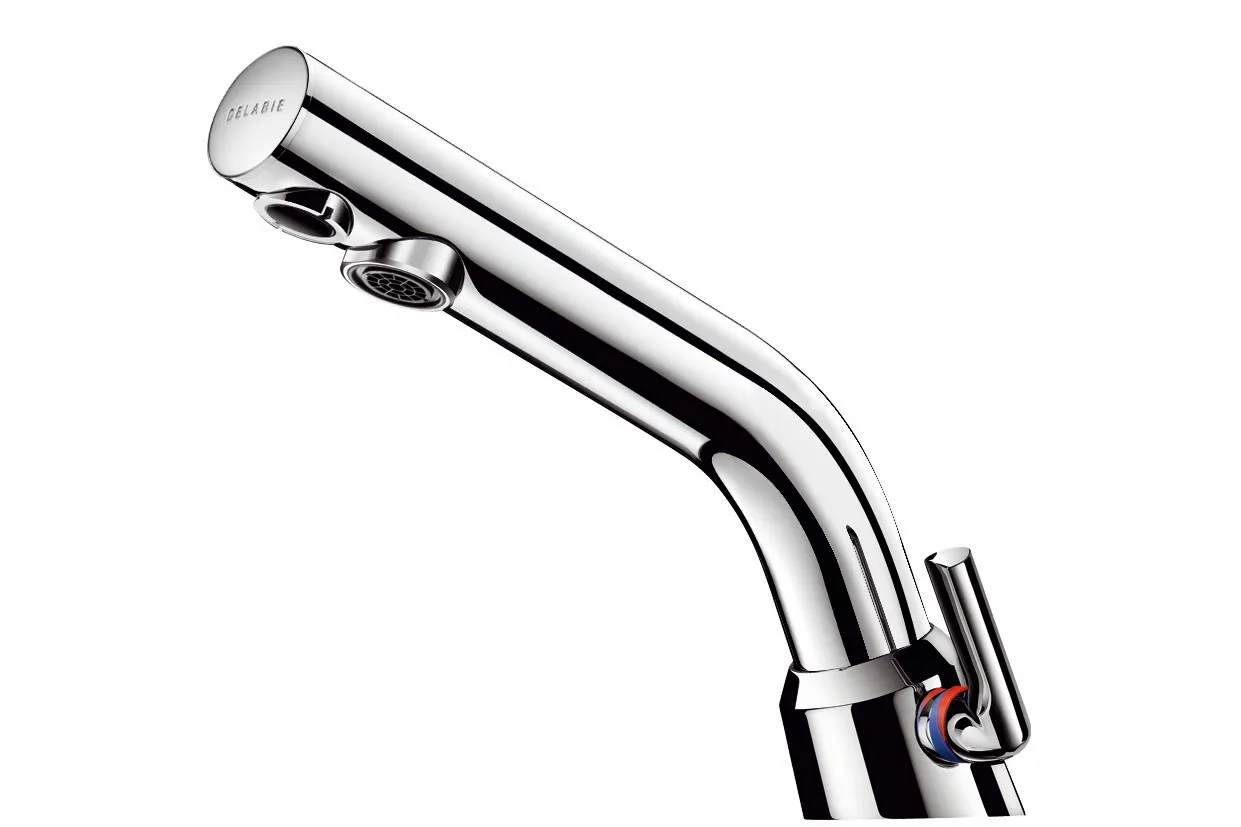
Water is indispensable in hospitals and healthcare facilities. It is used in almost every care process, from patient care and cleaning to sterilisation and sanitation. At the same time, it flows through complex, often ageing pipe networks in which heavily used areas sit alongside outlets that are rarely used. This creates a striking paradox: high water consumption does not guarantee better hygiene.
In hospitals, daily water consumption can reach hundreds of litres per bed, considerably more than in private homes. Yet this abundance does not prevent stagnation, biofilm formation or the spread of Legionella. On the contrary, stagnant water in little-used parts of the network remains one of the greatest microbiological risks. As water and energy efficiency become increasingly important, healthcare facilities face a clear challenge: use less water without compromising safety and reliability.
The hospital paradox
For a long time, hospital hygiene was based on a simple principle: keep the water flowing. In Germany, the Trinkwasser standard requires water to be flushed through after 72 hours of inactivity. In France, thermal shock remains the standard response to confirmed contamination. While these measures remain necessary in specific situations, they rarely address the root of the problem. They treat the entire network, regardless of where the actual risk lies. This results in high water and energy consumption, with limited lasting impact. It is becoming increasingly clear that hygiene depends not on the quantity of water, but on the quality of the network, its design and the solutions used.
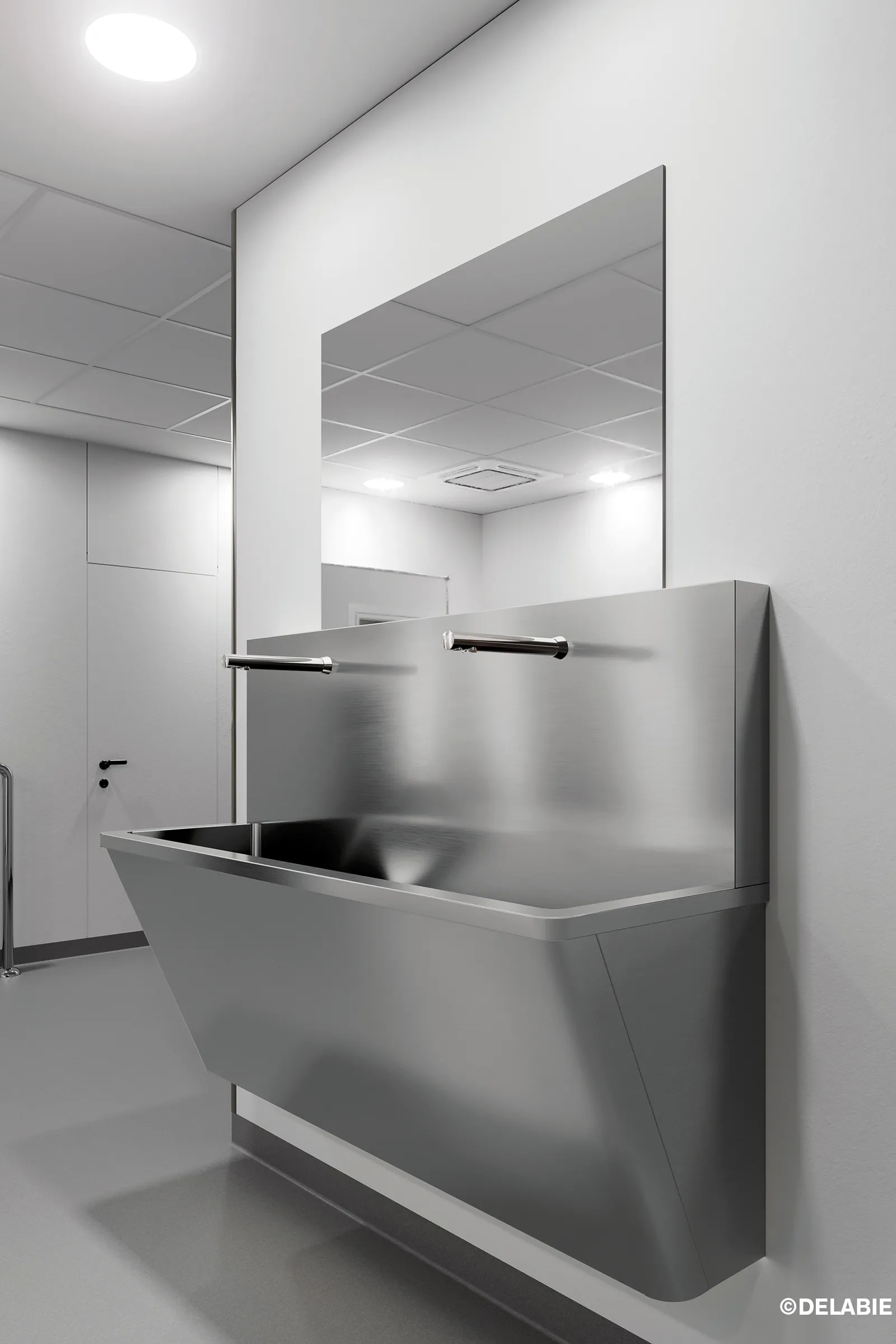
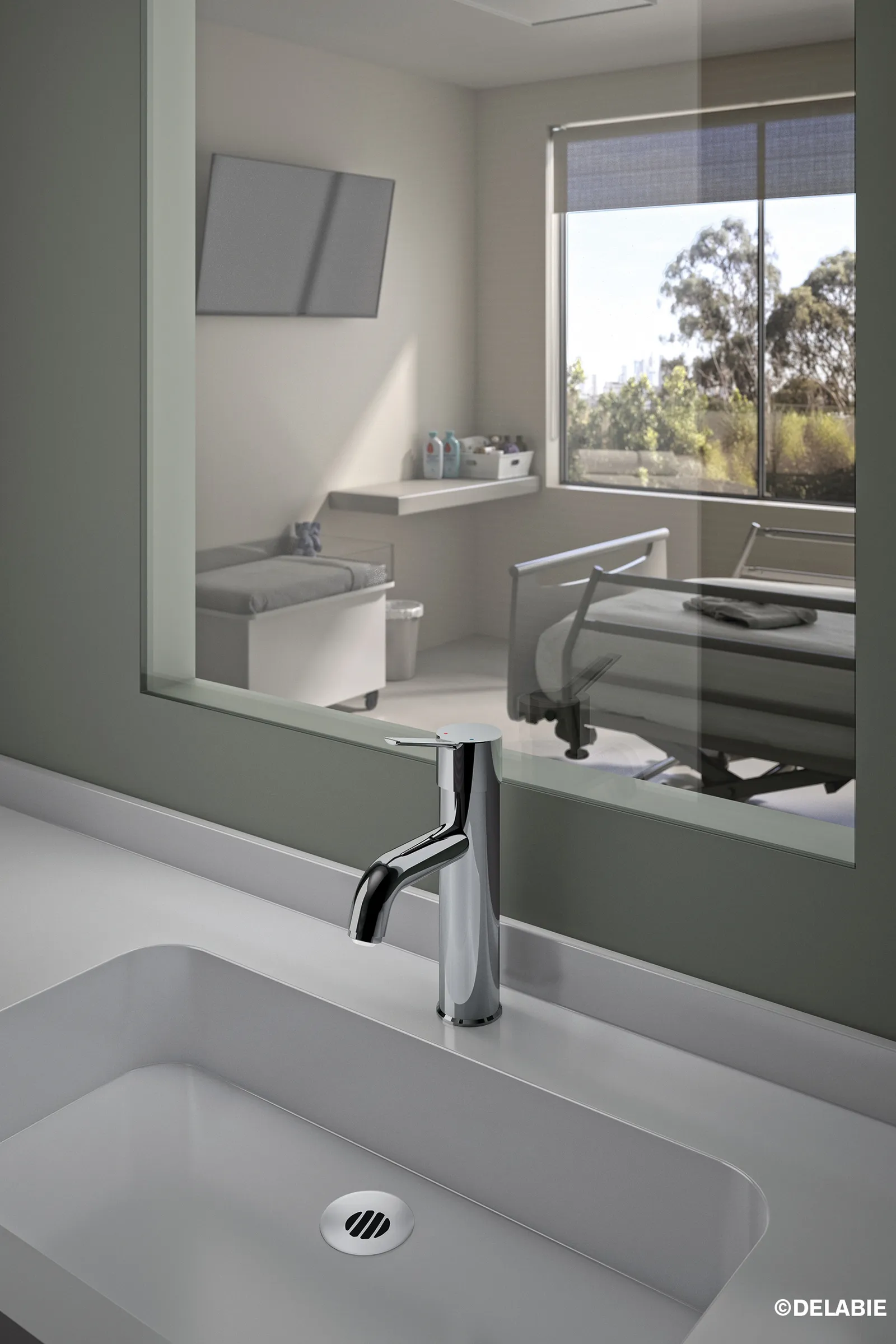
Targeted innovation as a driver
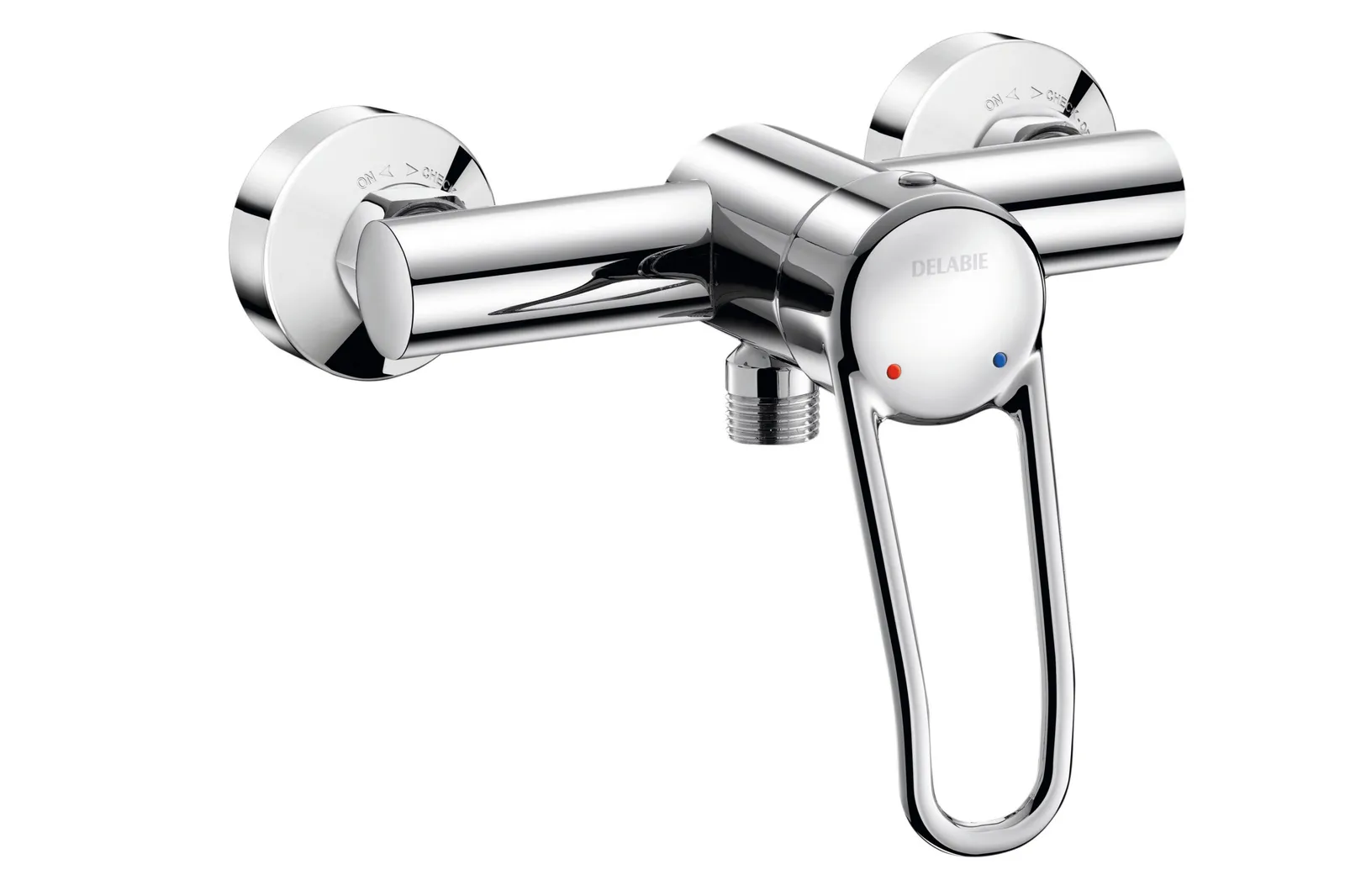
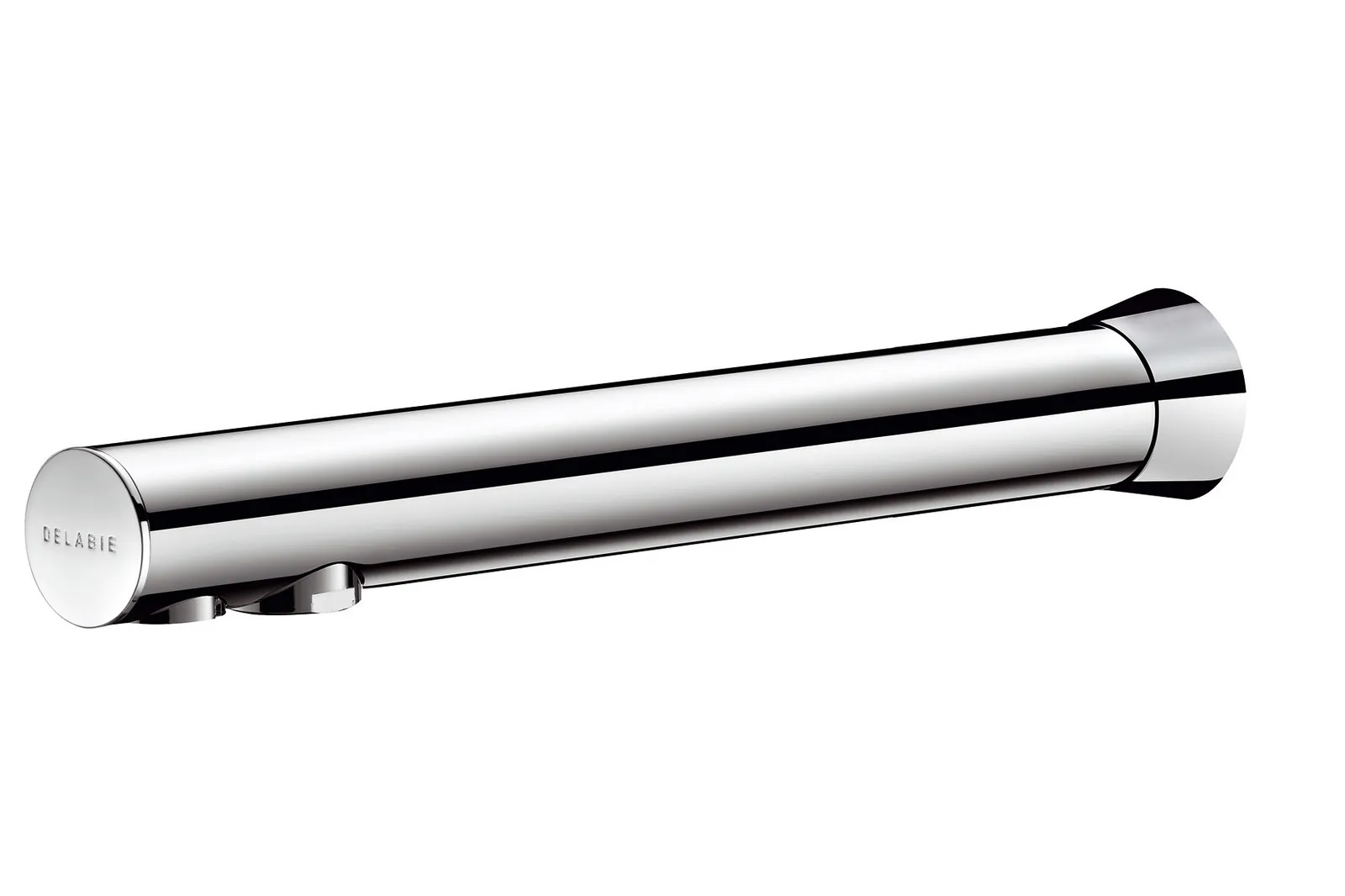
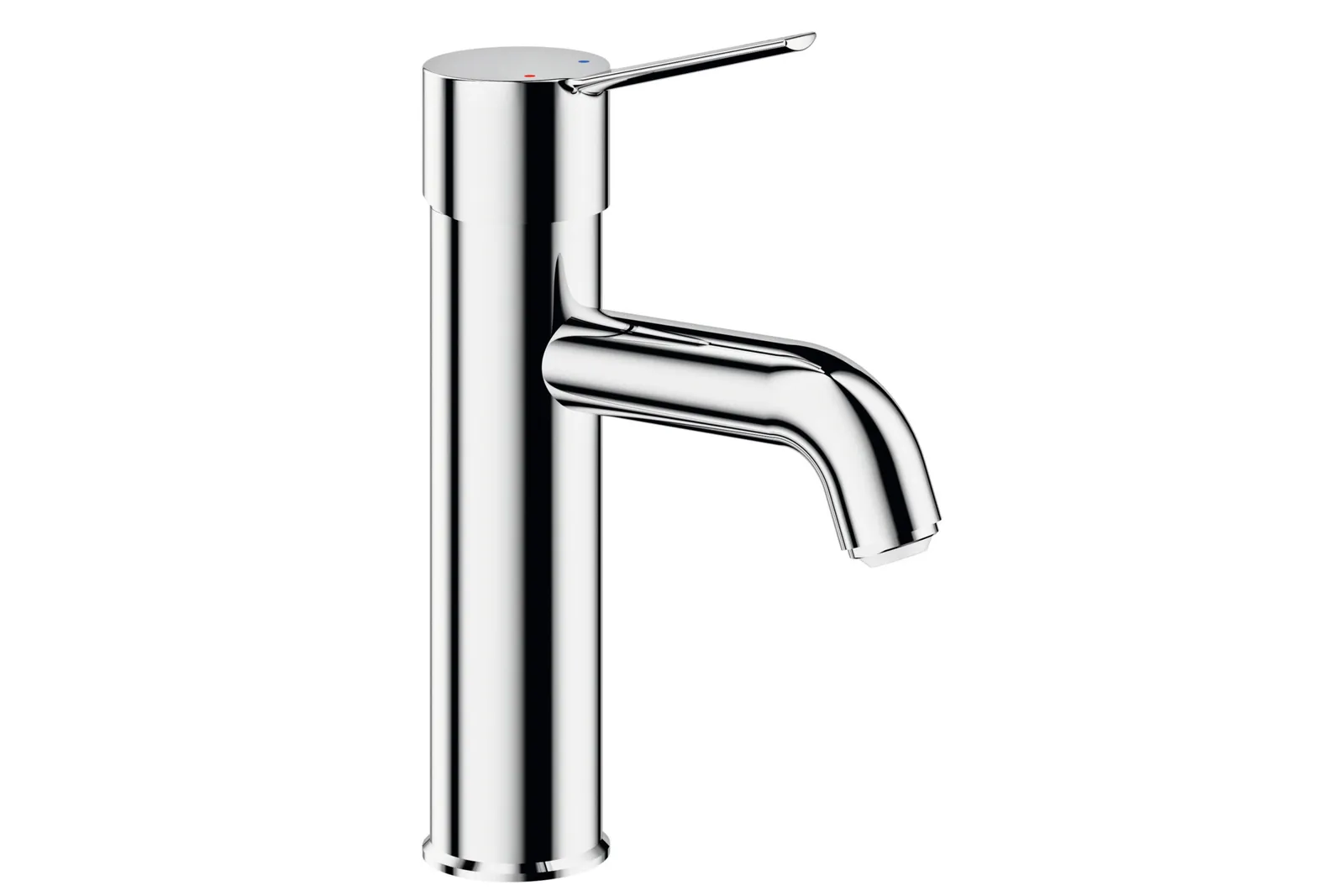
Since healthcare facilities have a consistently high demand for water, the key lies in targeted optimisation. Precise control of flow rates and temperatures can make a real difference, especially at showers, basins and toilets. Limiting water consumption at each outlet and minimising temperature fluctuations not only saves water, but also reduces the risk of stagnation. Shower taps with a maximum flow rate of 9 l/min (ref. 2739EP) and basin taps with a flow rate of around 5 l/min (ref. 2721TBEL) show that comfort, a constant flow rate and water savings can go hand in hand.
Sequential and thermostatic mixer taps are another advance. They limit water wastage while the temperature is being set and help stabilise thermal conditions in the network. Every litre saved is also a litre that does not sit idle in the pipes unnecessarily. Automatic taps have become indispensable for hygiene. The BINOPTIC tap, for example, turns the water on and off without manual contact, preventing unnecessary water loss and improving hand hygiene. Automatic flushing has also been carefully designed: a short flush 24 hours after the last use is enough to refresh the water without excessive consumption.
Maintenance as a cornerstone
Technical solutions alone are not enough. Preventive maintenance remains crucial to a safe water network. This includes identifying little-used outlets, continuously monitoring water temperatures outside critical areas, detecting leaks quickly and keeping track of potential biofilm formation. These often invisible tasks have a major bearing on a facility’s microbiological safety. In this context, replacing little-used outlets with automatic mixer taps is a simple, reliable and sustainable way to prevent stagnation and maintain regular flow through the networks.
Flushing without a cistern
Sanitary installations also play an important role in water management. Traditional flushing cisterns store water for long periods, creating a potential risk of bacterial growth and leaks. Cisternless systems shorten the hydraulic path, refresh the water immediately and simplify maintenance and cleaning. For healthcare facilities, particularly long-term care settings, this delivers tangible improvements in hygiene and operational reliability. Less stagnant water means a direct reduction in infection risk and water loss, which can sometimes reach 200 m3 per year when a mechanism fails.
Hygiene and savings as complementary goals
Saving water in a hospital is not an ideological choice, but a measure that directly contributes to infection prevention. By matching water use more closely to actual demand, stagnation and risky flushing practices can be reduced. Operating costs also fall, at a time of rising energy prices. Major interventions remain necessary when contamination is confirmed, but day-to-day management is shifting towards more economical, precise and use-oriented solutions. Together, these changes are gradually reshaping water management and hygiene strategies in healthcare.
Towards a water-efficient, safe hospital
The future of water management in healthcare facilities lies not in greater consumption, but in better design. Managing water and infection risks are no longer separate objectives, but two sides of the same strategy. This strategy relies on well-designed networks, reliable technology, rigorous maintenance and an organisational culture that encourages careful water use.
The healthcare facility of tomorrow will be more efficient and resilient, not through abundance, but by using precisely what is needed, where it is needed.
A business enquiry for Delabie? Get in touch
Companies in this story

Keep following this
Get an email when a new story is published. No account needed.
- ThemeInteriors for housing and care
- SubjectInteriors
- CompanyDelabie