Control over space starts at the door
Image Digna ten Napel
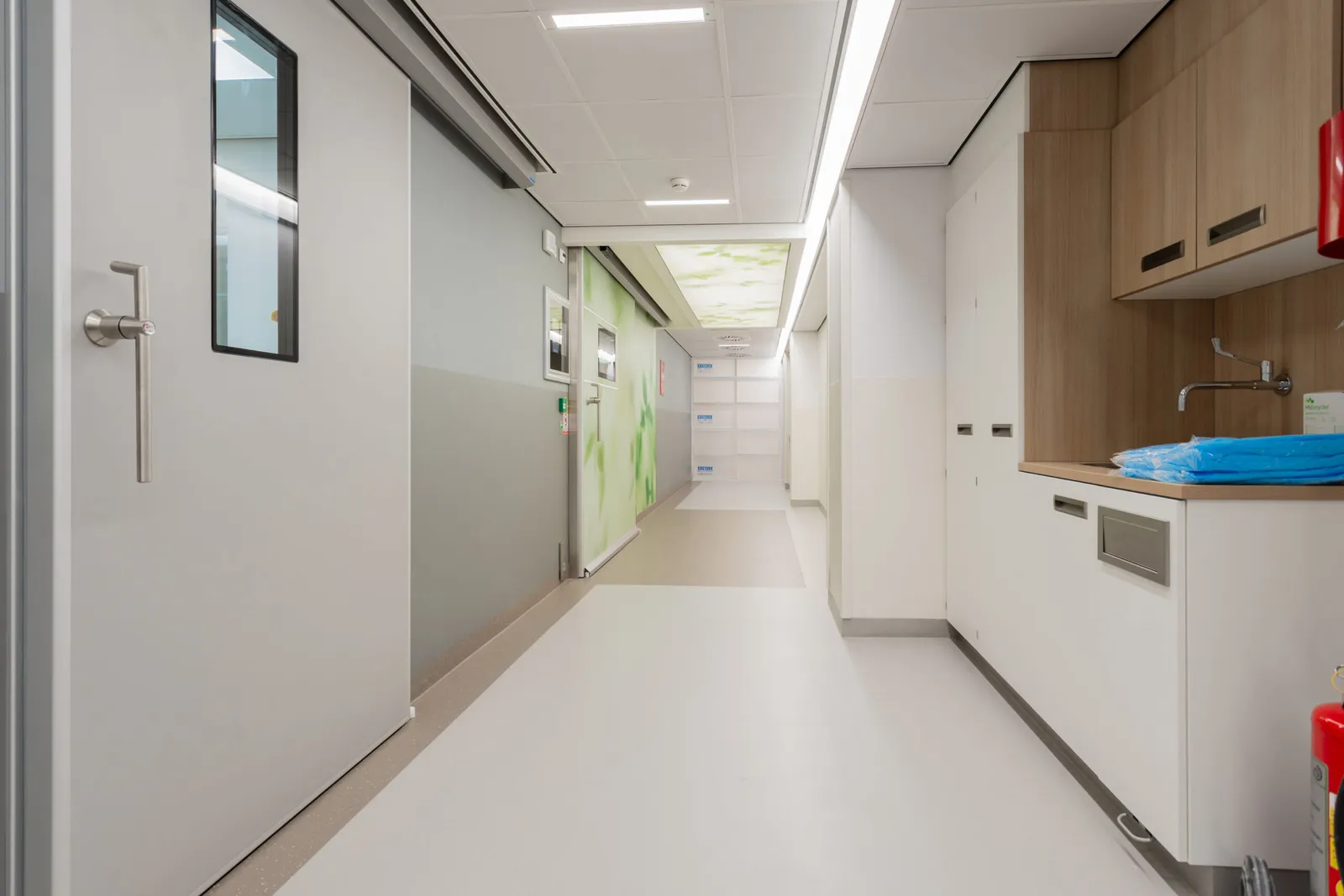
In environments where hygiene, safety or temperature are crucial, doors play a bigger role than is often realised. In hospitals, laboratories and cold rooms, the way doors operate helps determine how stable and reliable a space is. The technology behind this seemingly simple action is complex and requires expertise.
Between established knowledge and new requirements
Healthcare and high-tech sectors are constantly evolving. New insights into airflow, microbiological risks and energy management mean that requirements for spaces are becoming ever more stringent. In this context, the door forms a boundary between two worlds: controlled and uncontrolled. Marcel Schoppers, Sales Manager Benelux at Metaflex Doors Europe BV, stresses that this boundary is decisive for how a space functions. Schoppers: “The way a door closes, moves and seals affects not only accessibility but also the climate, air quality and safety. You open a door in one second, but the consequences of that action continue 24 hours a day.”
Taking the whole picture into account
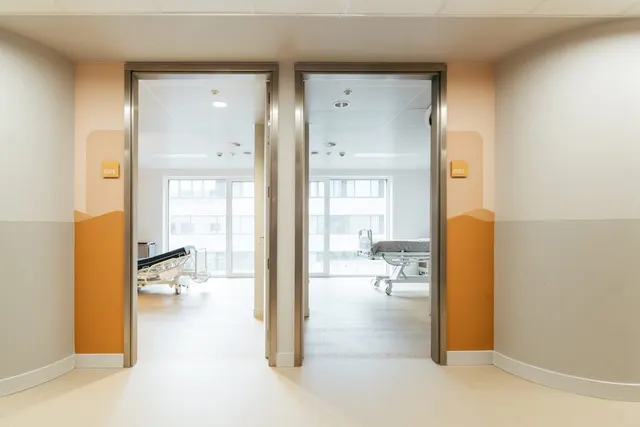
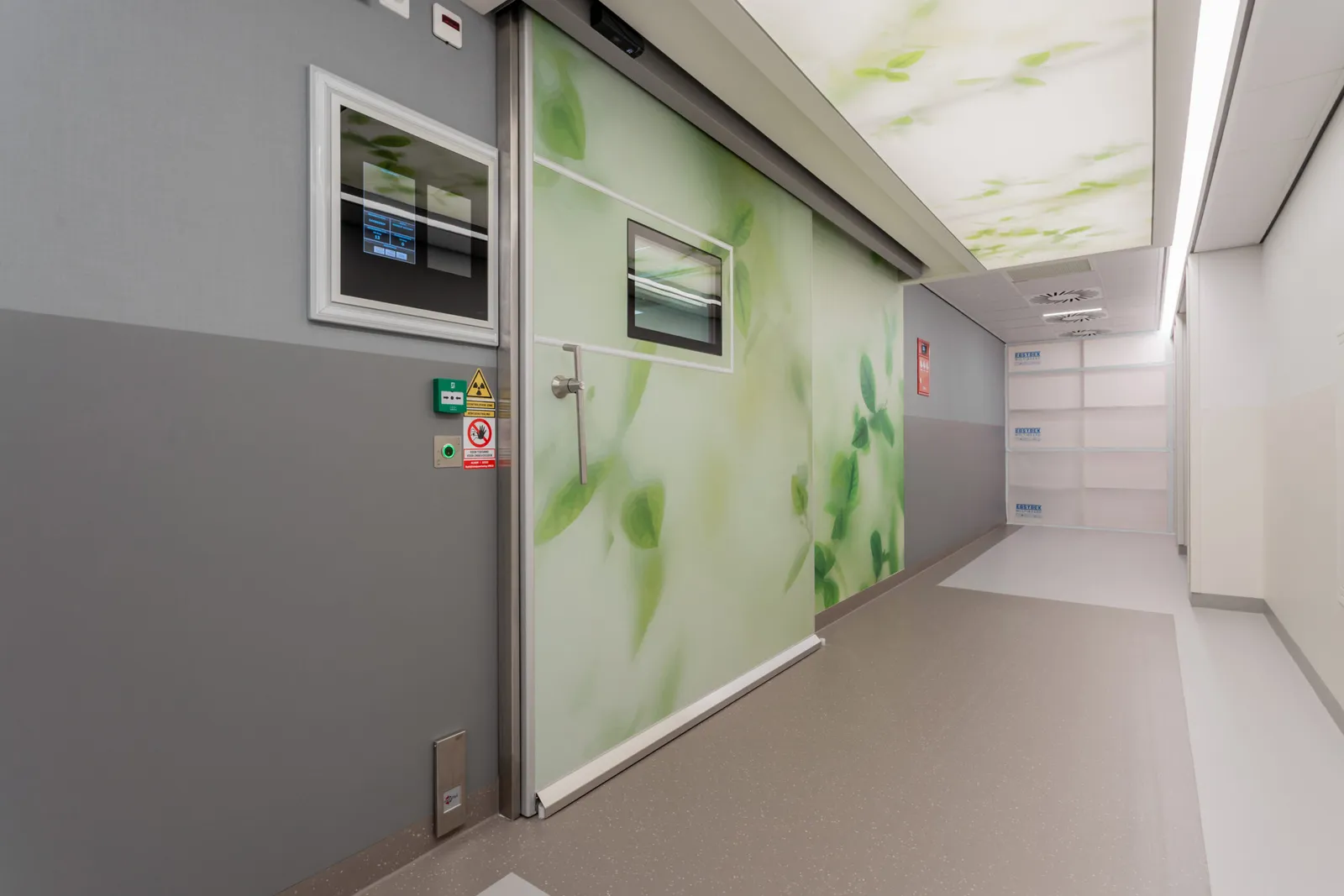
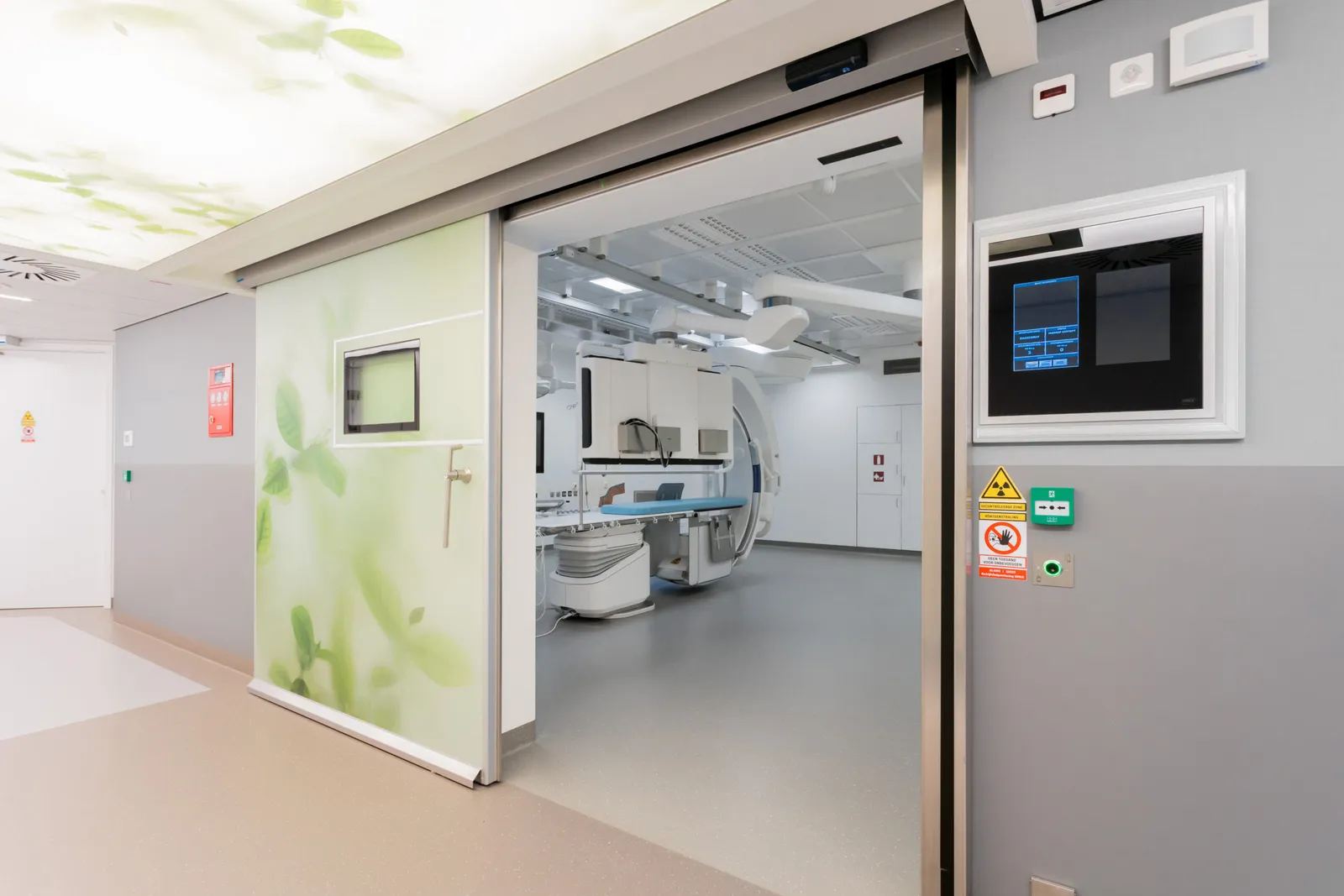
The technical differences between spaces call for tailored solutions. The project at UMCG in Groningen is a good example. The academic hospital renovated its hot floor, including the operating theatres. In this environment, the doors needed to support controlled airflow, hygiene and safety. “This installation features airtight sliding doors to keep air movement predictable, fire-resistant doors to EI1 standards to slow the spread of fire and smoke, and solutions with integrated LED signalling to create clarity, awareness and calm in the workflow.” This shows that a door is rarely a standalone element. Factors such as the number of movements per day, the type of user, the required airtightness, the location on a logistical route and the building’s energy requirements are all considered at the design stage. The door thus becomes a structural part of how the space functions.
Calm, safety and comfort
Alongside technical performance, user comfort plays an important role. Automatic operation reduces contact and makes passage seamless. Quiet closing helps create a calm environment, which directly affects concentration and the user experience in hospitals and laboratories. Appearance matters too. Modern healthcare environments are increasingly characterised by light, transparency and clear sightlines. Door panels and profiles need to complement this without compromising functional requirements such as sealing or insulation. Schoppers: “A door is not an element you choose at the very end. It influences behaviour, hygiene, comfort and logistics. When everything is properly coordinated, a space works effortlessly and feels natural. That is precisely the intention.”
Continuously adapting to change
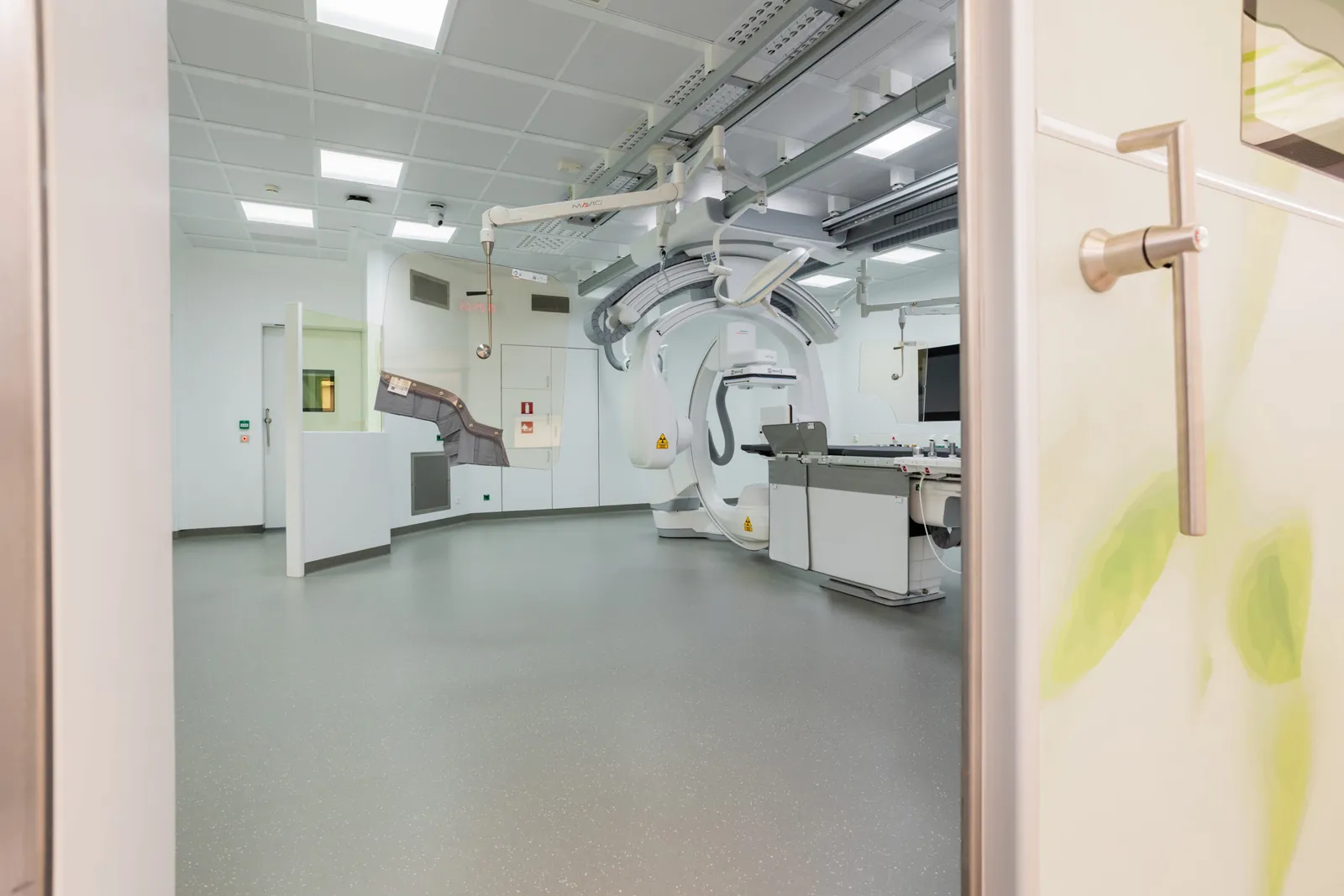
Standards change regularly, both in construction and in the medical sector. This calls for solutions that are technically future-proof. Sustainability is also playing an increasingly important role. Materials need to last, and systems need to limit energy consumption. In the UMCG project, airtight sliding doors directly contributed to more efficient use of ventilation and climate control.
Spaces that work as intended
You notice the quality of a space precisely when everything is right. When doors open quietly, close calmly and keep the environment stable, they are taken for granted. That is the aim: reliable technology that contributes to safety and calm without drawing attention to itself. Door technology is therefore not a detail, but an essential part of controlled, demanding environments. The UMCG project shows what careful coordination looks like in practice.
Een zakelijke vraag aan Metaflex Doors Europe? Get in touch
Companies in this story

Keep following this
Get an email when a new story is published. No account needed.
- SubjectInteriors
- CompanyMetaflex Doors Europe