Curtains as a vehicle for experience in healthcare
Text and images Artimo
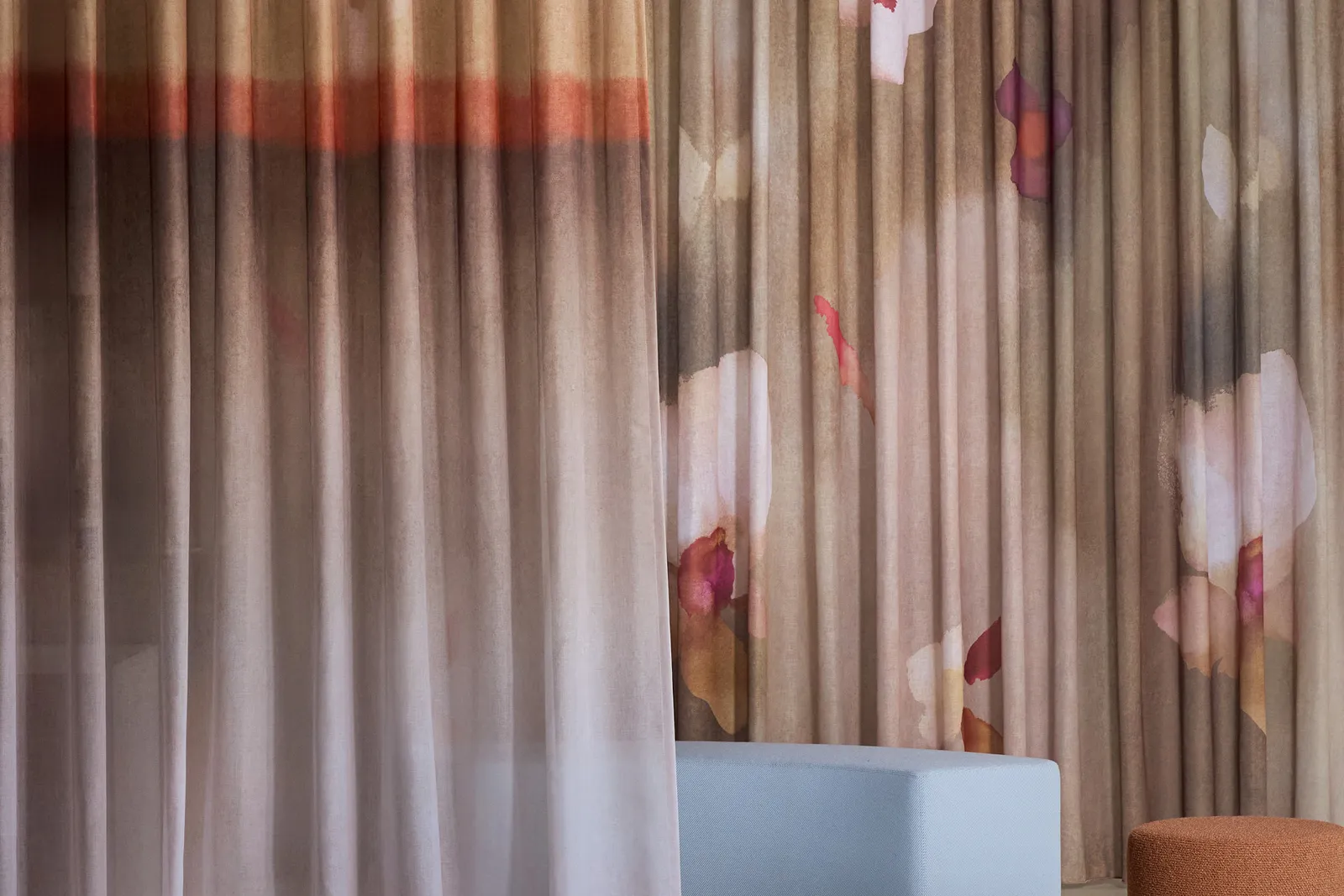
Step into a modern healthcare facility and you notice it straight away: the atmosphere has changed. Where spaces were once primarily functional and uniform, there is now growing attention to experience, calm and identity. Curtains play a surprisingly important role in this shift. No longer a neutral backdrop, they are a way to make an environment feel personal and distinctive.
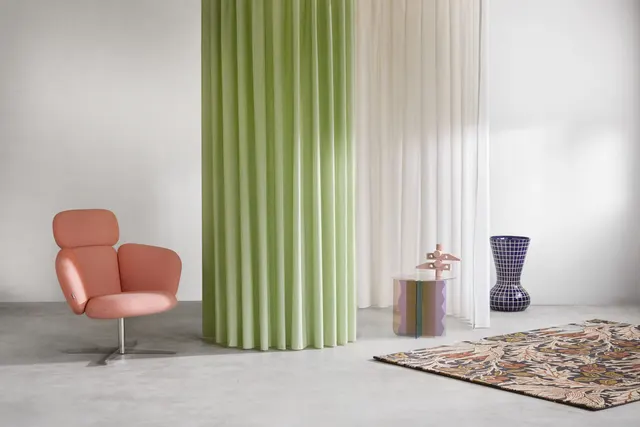
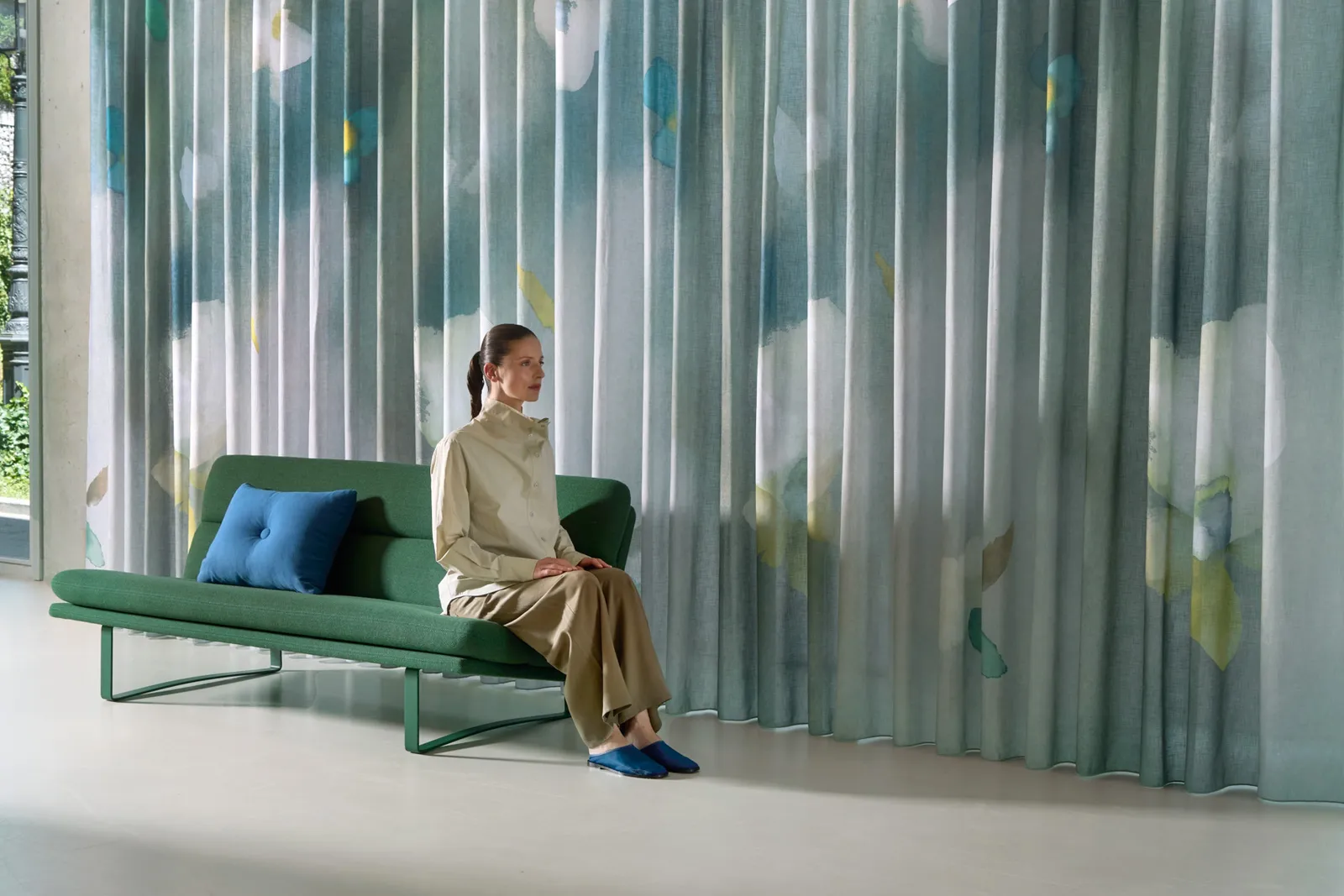
The rise of digitally printed curtains is helping to drive this change. Textiles are moving from being a standard product to becoming a vehicle for design. Think soft nature-inspired prints that bring a sense of calm, colour gradients that support the day-night rhythm, or subtle patterns that help people find their way around a ward. The right visual language can contribute to comfort and wellbeing, particularly in settings such as geriatric care, mental healthcare and paediatric care.
A cohesive whole
This opens up new possibilities for architects and interior designers. Rather than working with existing collections, they can develop an overall concept in which curtains blend seamlessly with flooring, walls and furniture. A room is no longer a collection of separate elements, but a cohesive whole. This cohesion makes a real difference in healthcare settings, where sensory stimuli and clear orientation are so important.
This development is part of a broader trend in which healthcare environments are increasingly designed from the patient’s perspective. The focus is not solely on the medical function, but also on how a space feels and is experienced. Curtains make a direct contribution: they control the light, influence acoustics and provide privacy, while also adding atmosphere.
Functionality and safety remain just as important. Modern curtain fabrics combine aesthetics with properties such as flame retardancy, washability and hygienic finishes. These features are increasingly integrated into the design without being visible, allowing a welcoming look to go hand in hand with the stringent requirements of healthcare environments. Acoustics, too, are receiving increasing attention. Noise has a direct effect on stress levels, sleep and concentration. Sound-absorbing curtains can create a calmer environment relatively easily, without major structural alterations. They offer clear added value, particularly in multi-bed rooms and busy wards.
Flexibility is another important consideration. Healthcare facilities need to be able to respond to changing needs, such as varying levels of care or temporary changes to room layouts. Dividing curtains make it possible to adapt spaces quickly and efficiently. They provide privacy where needed while retaining the openness and accessibility of a space.
A shift towards bespoke solutions
The common thread running through these developments is the move away from standard solutions towards bespoke design. Whereas curtains were once chosen mainly on the basis of functionality and price, experience, identity and cohesion now play a major role too. Digital printing techniques and a wide range of materials offer growing freedom to give spaces a distinctive character and tailor them to specific user groups. For healthcare facilities and designers, this means curtains are no longer an afterthought in the design process, but an opportunity to make a real difference to how an environment is experienced.
Artimo Textiles is responding to this development with its ‘create your own’ programme, which enables fully personalised curtains in terms of design and colour from 50 metres. Designers can choose from more than ten fabric qualities, allowing aesthetics and functionality to be combined to best effect in a single integrated design.
Een zakelijke vraag aan Artimo Textiles? Get in touch
Companies in this story

Keep following this
Get an email when a new story is published. No account needed.
- ThemeInteriors for housing and care
- SubjectInteriors
- CompanyArtimo Textiles