Creating a positive experience in care
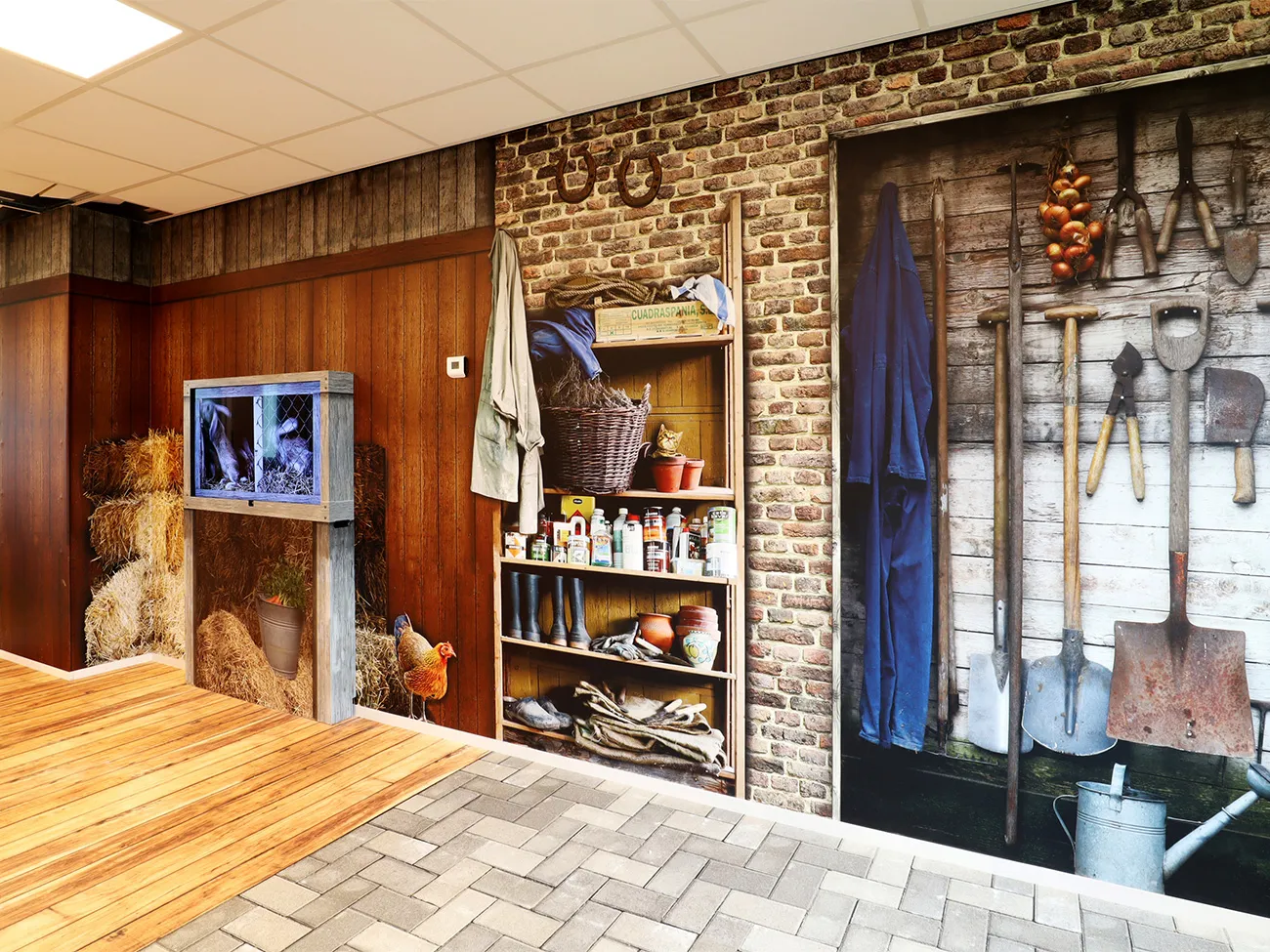
Memo-live began its first project in Lelystad, at Hanzeborg, in 2012. The company then went on to specialise in camouflage techniques and creating positive experiences in wards for residents with dementia. Roel Vinke owns Memo-live. “After the project in Lelystad, I saw the impact a complete change of environment can have on residents, visitors and staff. I then began looking into the social issue of wandering among people with dementia. How does a resident respond to stimuli? What should you consider when it comes to exit doors? How can we guide residents to create a calmer environment? These are all questions we are gaining more insight into as we monitor and evaluate our projects.”
Involved at an early stage
Memo-live is increasingly involved in new-build and renovation projects. Roel Vinke: “Getting involved at an early stage can save a lot of money. If painting is needed anyway, it makes sense to use the right colour. If printed wallpaper is being installed, the contractor only needs to prepare the walls for wallpapering. This avoids work having to be done twice.”
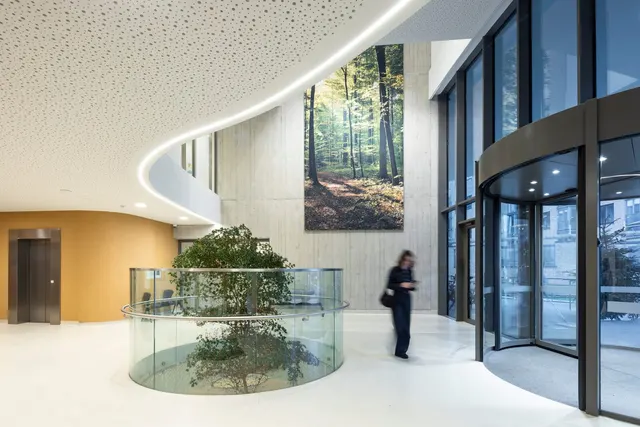
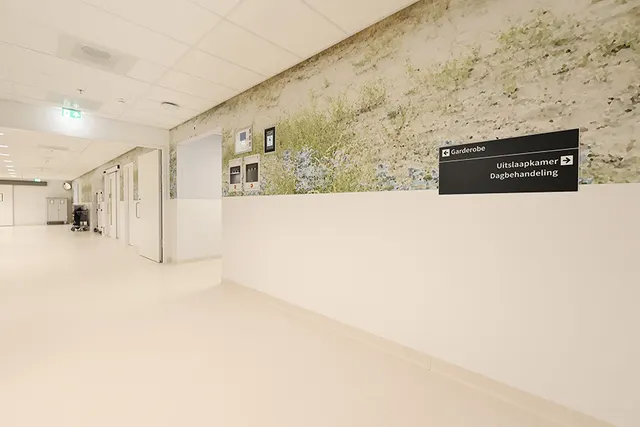
By 2021, Memo-live had become the largest supplier of experience and atmosphere solutions for psychogeriatric wards. Roel Vinke: “Over the past few years, we have developed into true specialists. We create all the images we use ourselves. We mainly use images of familiar natural features, such as flowers and plants, and sections of walls or fences, printed at full size. We always put residents with dementia first. If a client asks us to use images that we believe will not have a positive effect on residents, we refuse.”
What impact do these solutions have on residents of psychogeriatric wards?
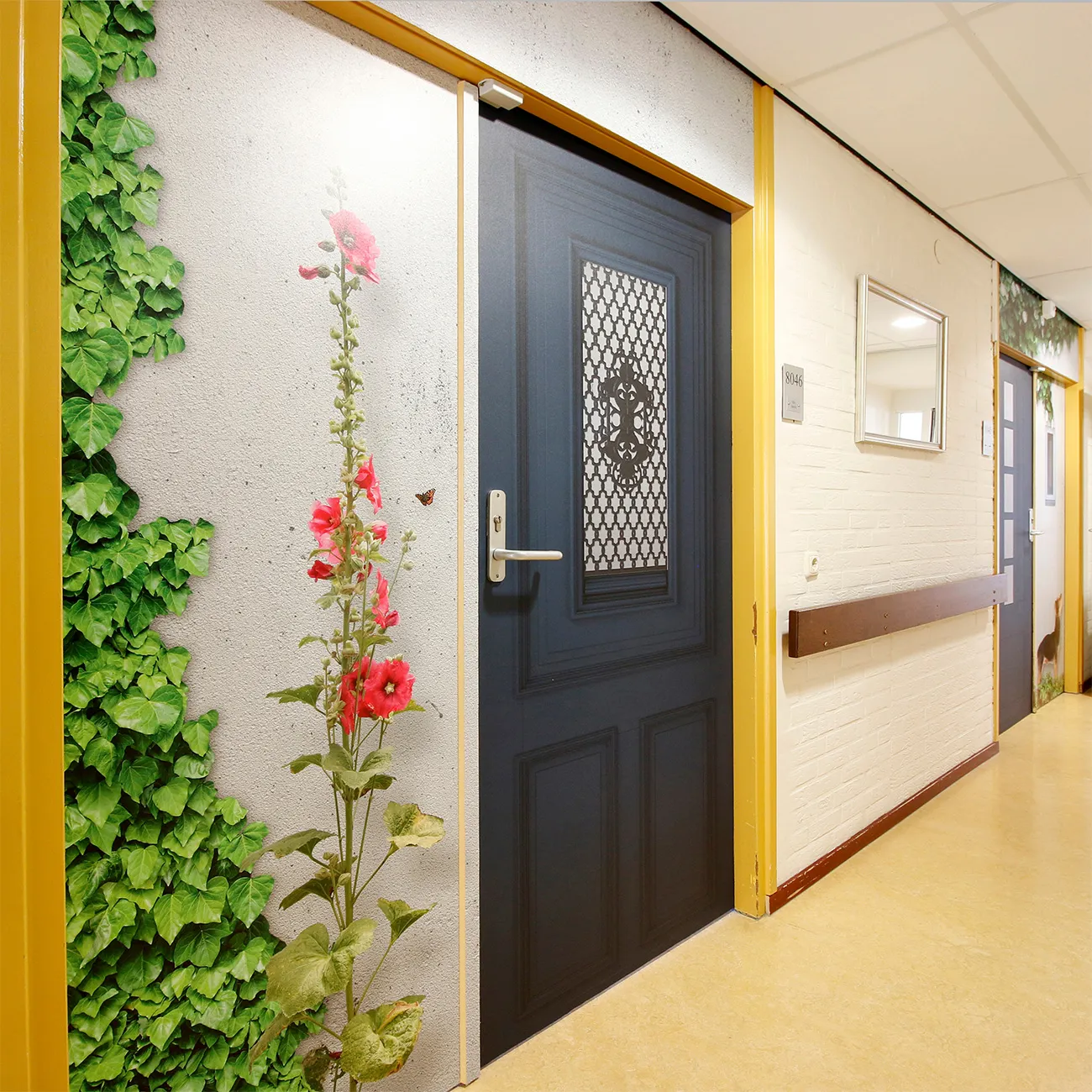
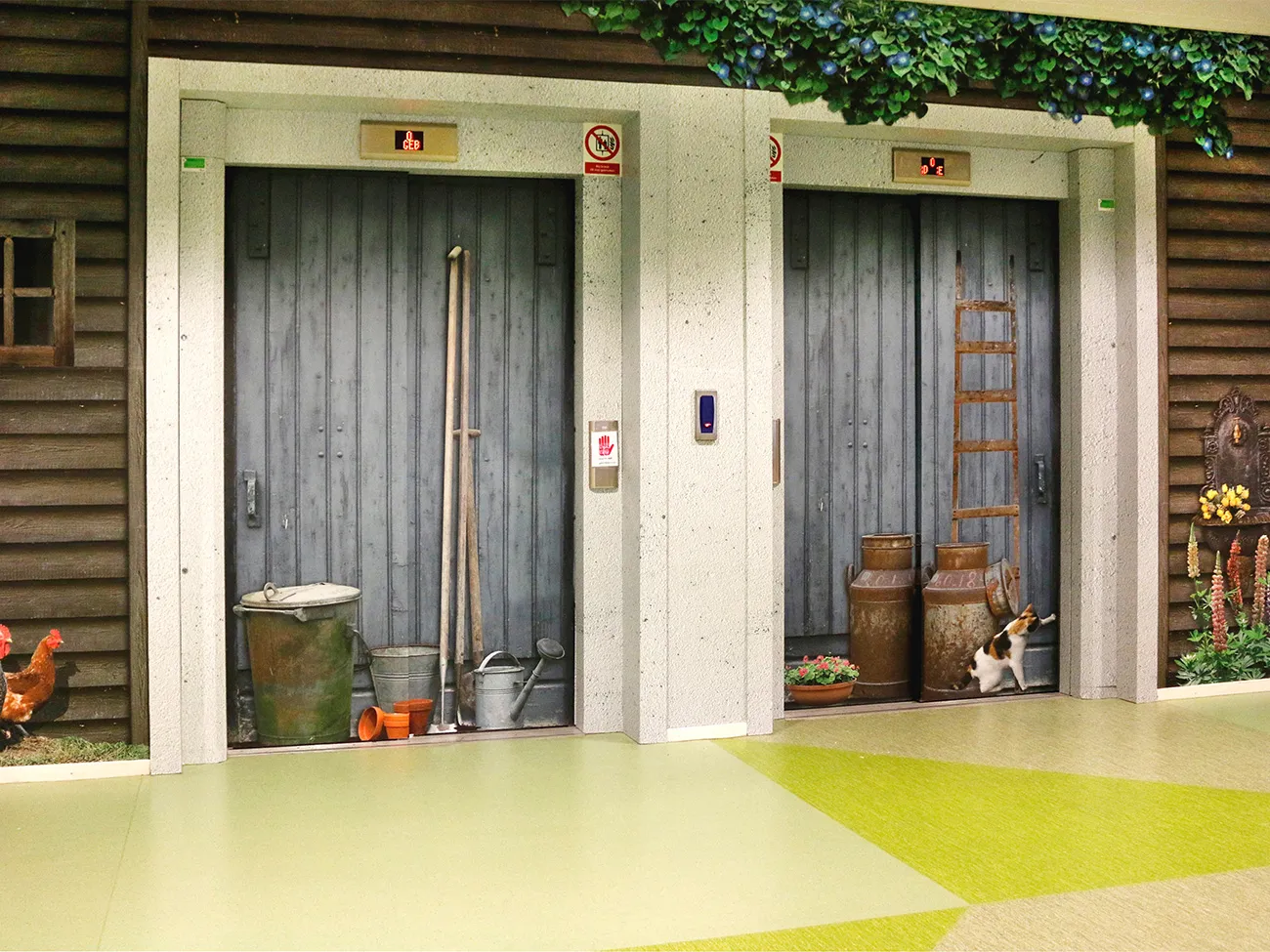
Roel Vinke: “First, we create a sense of familiarity. For example, applying stickers to residents’ front doors helps them recognise their door and feel less lost in the corridor. It also prevents people from entering the wrong room, which can cause distress. We camouflage doors that are not relevant to residents, so they no longer cause distress when residents rattle the handle or kick them. The same applies to lifts and exits. We also make sure there is plenty to see and do in the corridor. Residents can walk past shop windows or look into someone’s room. There are plants, flowers and animals, such as a little dog or a cat. This gives people plenty of positive stimuli and helps them feel better. We do this almost exclusively in rooms and corridors with a monotonous appearance, little to distract residents and few familiar features or orientation points. Our decorations greatly improve wayfinding for residents. When we have finished our work, the residents are happy, the staff are happy, and so are we! Ultimately, our solutions reduce distress and ease the workload for care staff.”
How exactly does the process work?
Arco Kistemaker, project manager at Memo-live, explains: “Clients often find us through social media or other clients. We also work with large care organisations that have multiple locations, moving from one ward to another. Clients call us or request a free inspiration booklet to discuss with a working group. If a client wants our advice, we arrange a Quick Scan with one of our advisers. They provide advice on site, point out areas of concern, take photographs of the entire ward and take all the measurements. We then put together an impression of the proposed atmosphere, a budget and detailed recommendations. This gives the client a clear picture of what we are proposing. Once the client approves, we develop the design in detail and schedule the work. What makes us unique is that we manage everything ourselves: advice, design, production and installation, all carried out by our own team, with a single point of contact. Our clients are already convinced of the positive effects of our services and products, so we are increasingly involved in new-build projects. People can see potential issues on the floor plan, or there may already be dedicated experience rooms where themes are used to engage residents positively. We have developed new products for these spaces, including a TV screen featuring rabbits, an apple tree with pickable apples and a birdhouse with sound. Used in the right setting, these create an environment that stimulates residents in a positive way.”
Question about this story? Ask your question
Keep following this
Get an email when a new story is published. No account needed.
- SubjectHealing environment