Operating theatres, intensive care and cleanrooms
Electrical engineering for seamless operating theatre procedures
Text Tjerk van DuinenImage CCG/RGB Producties
Complex work calls for close collaboration
As an experienced hospital installer, ULC understands the benefits of working as part of a construction team. “That is definitely my preference,” says Marten Mewe, Project Manager for electrical installations for the six new operating theatres at OLVG Oost. “During the detailed design phase, we were already sitting down with consultant RoyalHaskoningDHV. We then developed the design further, through the technical design and construction documentation stages. By working together, you arrive at the best solutions with the lowest risk of costly rework.”
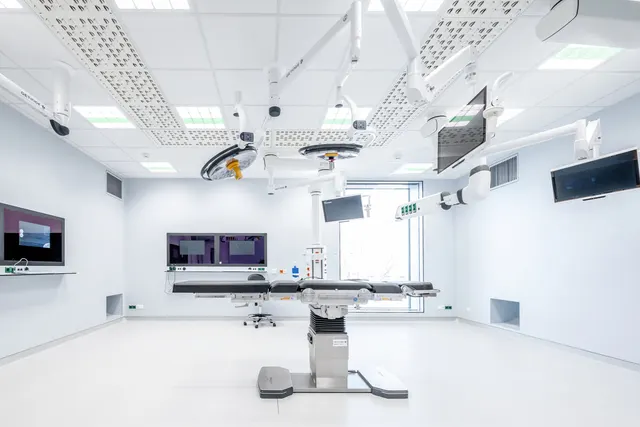
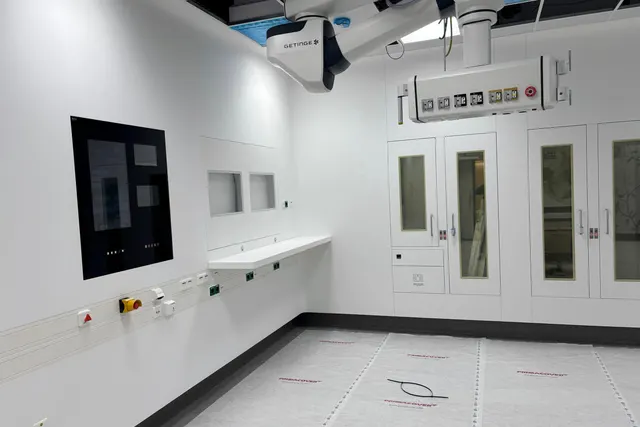
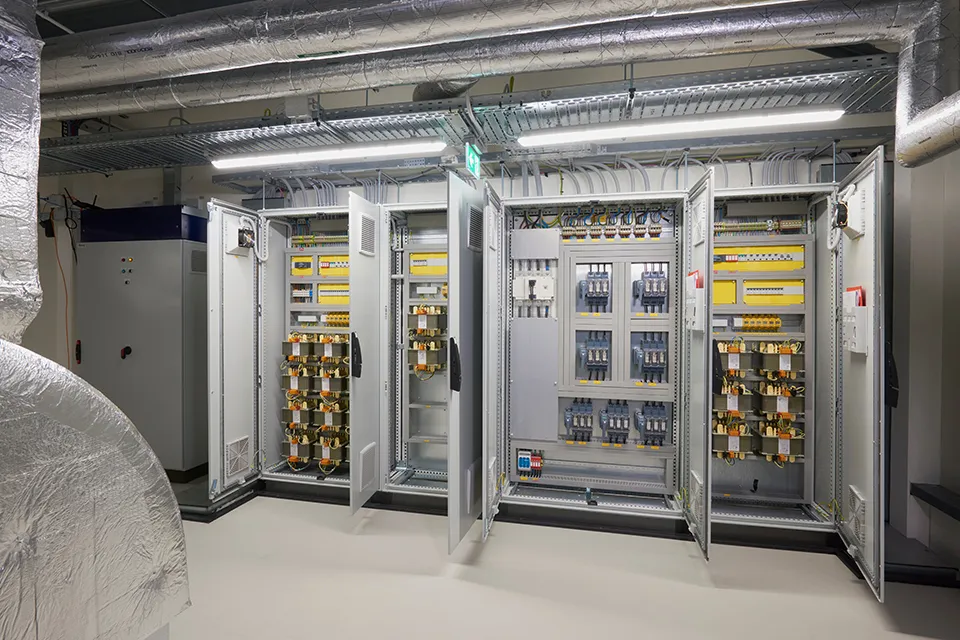
ULC was responsible for all electrical work, including all cabling to the medical equipment, the fibre-optic data infrastructure, fitting out a new SER (Satellite Equipment Room), the intercom system, state-of-the-art DALI lighting, control cabinets and transformer distribution cabinets, and all access control technology. A substantial UPS emergency power system was also installed on the plant floor (2nd floor).
Complex
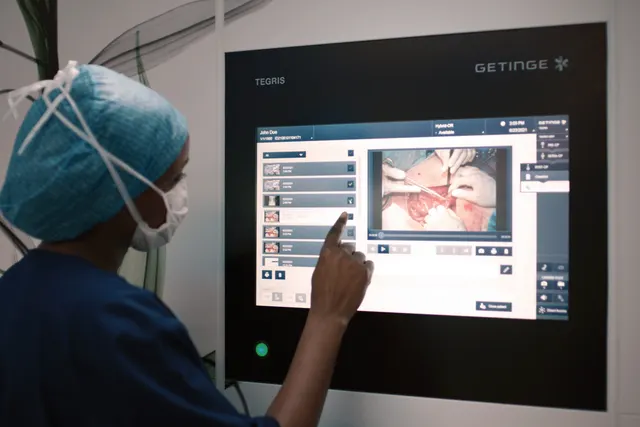
“For each operating theatre, all fibre-optic and other cabling for the Bender panels, computers and monitors is connected to its own patch cabinet, concealed in the wall of the theatre. Each cabinet is connected via fibre optics to a completely new SER room,” says Mewe. “It’s a complex job, but one we have plenty of experience with. The Bender operating theatre panels were supplied to ULC’s specifications and wired up by ULC. The Dräger pendants and all the screens from M-pluz* were supplied directly by the client, and we handled their installation and connection. We also work closely with Kropman to connect the climate control systems.”
UPS
A UPS was installed to provide emergency power. Mewe explains: “The hospital has several diesel emergency generators. There is a gap of around 10 to 20 seconds between the mains power failing and an emergency generator starting up. The UPS not only bridges that gap, it is also designed to provide emergency power for a further hour. That is enough time to bring an operation to a proper end if the emergency generator actually fails. The system uses sealed lead-acid batteries with a total electrical capacity of 200 kVA. Split across three cabinets, the batteries weigh 8,800 kg in total. This meant a separate steel structure had to be installed. If you get involved early enough, you can put in this kind of system without any problems.”
Een zakelijke vraag aan ULC Installatietechniek? Get in touch
Companies in this story


Keep following this
Get an email when a new story is published. No account needed.
- SubjectOperating theatres, intensive care and cleanrooms
- CompanyULC Installatietechniek
- CompanyDräger