











‘Aiming to reduce aggression rates in healthcare’
Text Koen Mortelmans Beeld Idewe
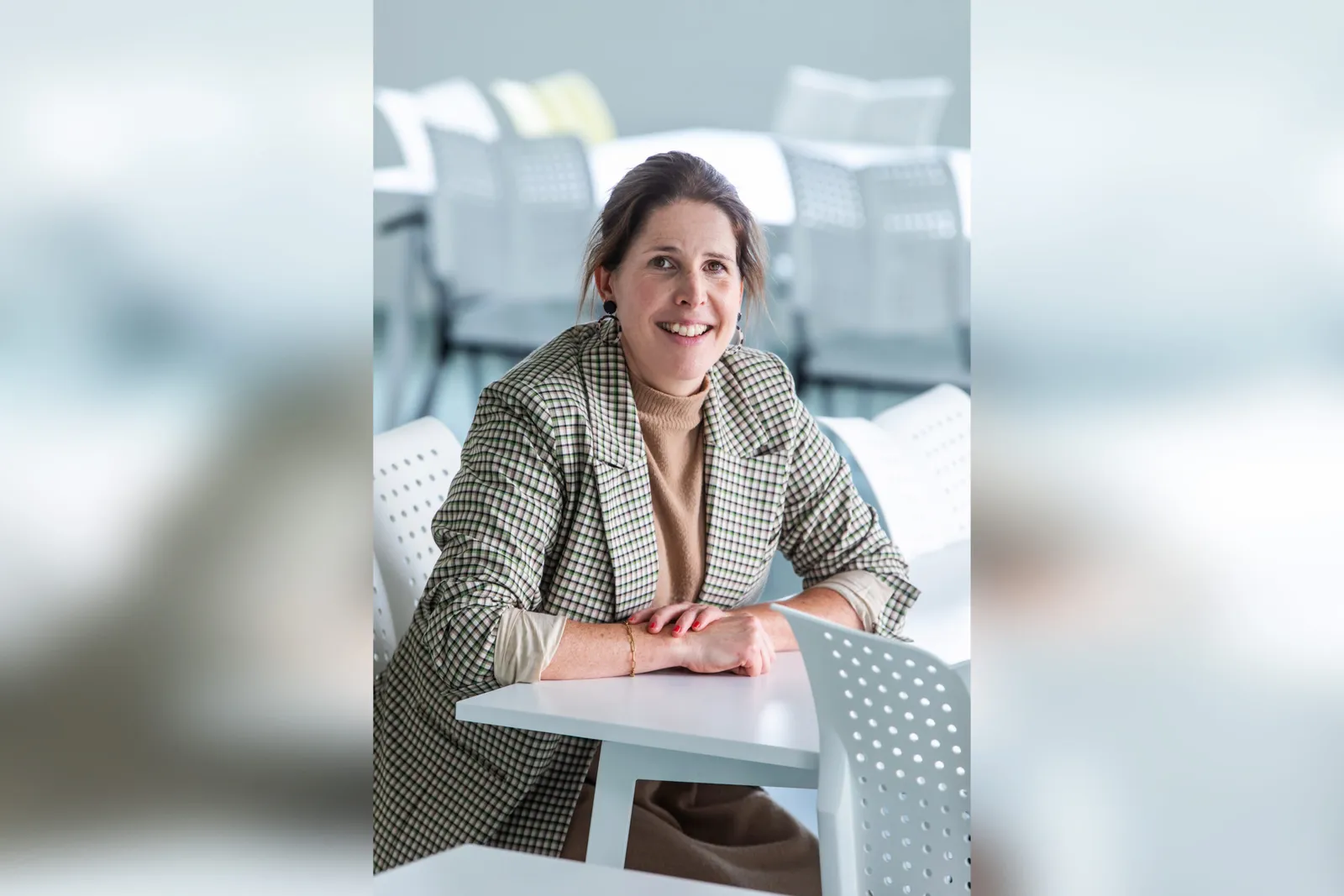
In 2025, almost four in ten Belgian healthcare workers (38%) experienced aggression from people outside their organisation, such as patients or visitors, at least occasionally. “It is important for healthcare workers to learn to regulate their own responses so they can continue to act professionally and prevent escalation,” says Sofie Vandenbroeck, head of knowledge, information and research at Idewe.
“7.5% even experienced aggressive behaviour from colleagues. This takes various forms, including verbal aggression, threats and physical incidents. As a result, healthcare workers feel less safe and less engaged, and are more likely to distance themselves from their work. In the longer term, this also increases the risk of staff absence, placing additional pressure on the colleagues who remain.”
A combination of factors
Research by Idewe found that aggression in the healthcare sector primarily comes from outside the organisation. “This is particularly true in general hospital wards, where you often deal with people in stressful and uncertain situations, sometimes with very bad news as the outcome. When patients or family members have to wait without knowing what is happening, or feel they have not been given enough information, frustration can quickly build. At the same time, healthcare professionals are often under intense work pressure, which is not always visible to patients and their families. This is an explosive combination of factors.”
“In other settings, such as residential care homes, psychiatric institutions or facilities for young people, aggression is linked to an underlying condition, with aggressive behaviour as a symptom. We see this, for example, on geriatric and psychiatric wards, or in emergency departments, where staff often encounter substance use. So it is not surprising that aggression rates are higher in healthcare than elsewhere,” says Vandenbroeck. “But 38% is still very high. We believe things can improve.”
Colleague support is essential
Tensions can also build between colleagues as a result of high workloads and emotionally demanding circumstances. “This may partly explain the higher rate of internal aggression, but we should be aiming to bring that 7.5% down significantly. This is particularly important because support from colleagues is a crucial buffer when dealing with external aggression.”
Different forms of aggression
Aggression takes various forms. “Among healthcare workers, 32% experience verbal aggression from people outside their organisation at least occasionally, followed by threats of physical violence (26%) and physical aggression, such as hitting or pushing (17%). For aggression between colleagues, the same pattern applies, with 5% experiencing verbal aggression, 3% threats and 2% physical incidents.” Physical aggression is often accompanied by verbal aggression. “Because these forms are less visible than physical incidents, they are sometimes underestimated, even though they have a major impact on how staff experience their work. Smaller incidents can also accumulate, making the burden increasingly difficult to bear until it becomes unsustainable, seemingly all of a sudden.”
What can be done?
“Aggression in healthcare often develops gradually, driven by uncertainty, frustration and time pressure, although in some situations, such as pathological aggression, it can also occur suddenly. De-escalation starts with staying calm, although that can be difficult because our instinct is to react. That is precisely why it is important for healthcare workers to learn to regulate their own responses so they can continue to act professionally and prevent escalation. Coordination within teams and clear communication are also crucial: what is self-evident internally often is not for patients and their families.” In emotionally charged situations, acknowledgement and empathy are often more effective than explanation alone. “De-escalation also takes practice: staff need to learn how to deal with emotional reactions from patients and family members, communicate under pressure and quickly assess when a situation is at risk of escalating.”
Sofie Vandenbroeck
Bachelor’s degree in social nursing, Katholieke Hogeschool Leuven
Master’s degree in medical and social sciences, KU Leuven
PhD in biomedical sciences, KU Leuven
Research associate, KU Leuven, 2006-2025
Research coordinator, Idewe, Leuven, 2011-
Head of knowledge, information and research, Idewe, Leuven, 2021-
Question about this story? Ask your question
Keep following this
Get an email when a new story is published. No account needed.
- SubjectGeneral







