











Assen municipality is building inclusive care that puts people’s lives at its centre.
Text José Mulder Beeld Gemeente Assen
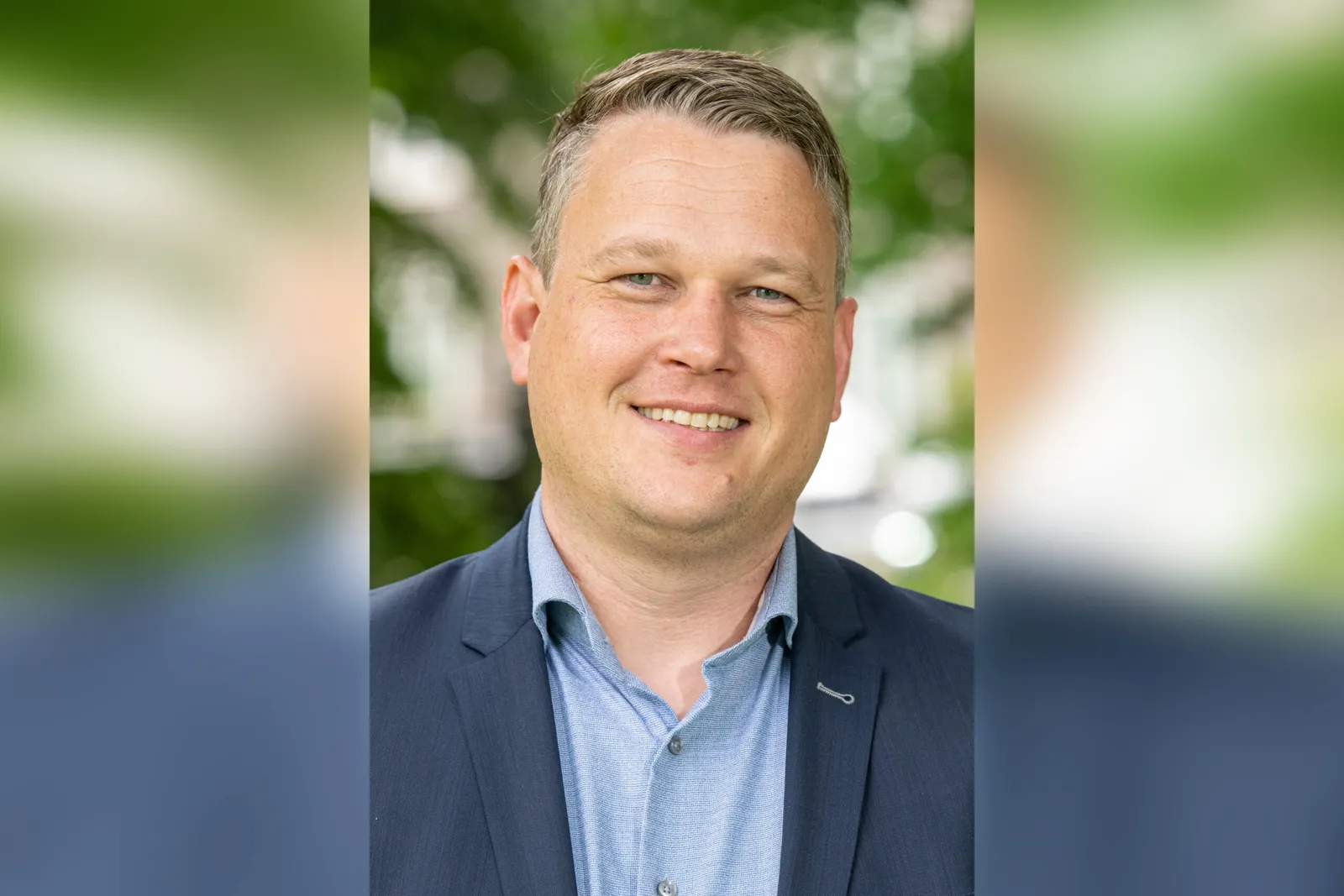
Assen municipality is working on a vision for the future in which care for older people is not treated as a standalone issue, but as part of a broader view of inclusion and diversity. Alderman Jan Broekema emphasises that the municipality has deliberately chosen an overarching approach. “We don’t have a specific policy for older people,” he says. “Our guiding principle is that everyone should feel at home and safe in Assen, and above all be able to be themselves. Young and old, with or without a disability.”
This vision is taking concrete shape in the new housing and care vision, which the municipal council will decide on shortly. Broekema prefers to call it a living and care vision, because he believes it should focus on residents’ lives. “It’s not about care or housing in isolation. The question is what our residents need to live well. That applies to residents who need care, but also to those with talents, ideas and time to contribute as volunteers or informal carers.” The province of Drenthe is experiencing double ageing, which the alderman says brings both opportunities and challenges. “Older people are often a strong part of the social network. At the same time, care costs are rising and demand for support is increasing. That calls for a different way of thinking.”
Investing in neighbourhoods and places to meet
The municipality sees it as its responsibility to help residents remain independent in their own homes for longer, but does not leave them to fend for themselves. Broekema: “As a local authority, we need to invest in social cohesion: community centres, accessible places and public spaces that encourage people to meet. That is the foundation of an inclusive city. Playgrounds, meeting places and outdoor fitness equipment for young and old alike, for example, help foster connections within a neighbourhood. The municipality also brings together care organisations, housing associations and local initiatives. Everyone works towards the same vision and understands one another.”
Working together to provide suitable housing
The housing market is under pressure in Assen too, but the municipality is making a strong commitment to suitable housing options to encourage people to move on to more appropriate homes. “We are building suitable housing options and doing all we can to remove barriers to moving. In this way, we are working together to ensure people can move on to more appropriate homes. We have also agreed to draw up a care property plan for each neighbourhood. This gives us a clear picture of what is there, what is changing and where we see opportunities to work together.” There are serious obstacles, however. “The biggest challenge is money,” Broekema admits. Staff shortages, complex legislation and the separate funding arrangements for the WLZ and WMO also make it difficult to take an integrated approach. “But there is energy and a sense of urgency. Everyone wants to move forward.”
Technology as an aid, not a replacement
According to Broekema, innovation also has a role to play in Assen’s vision for care for older people. Home automation, care robots and sensors can increase people’s independence. “Technology should be helpful, not dehumanising,” he says. “It must never lead to the exclusion of people who are less digitally skilled.”
Looking ahead to 2040
Looking ahead to 2040, the alderman envisages neighbourhoods where people live independently or in groups, with care nearby and a strong network to fall back on. “Mixed neighbourhoods where young and old live together and naturally come into contact with one another. That is where we need to be heading. And it starts now, with the way we design our neighbourhoods.”
Question about this story? Ask your question
Keep following this
Get an email when a new story is published. No account needed.
- SubjectGeneral







