











Backup power is becoming an increasingly vital necessity
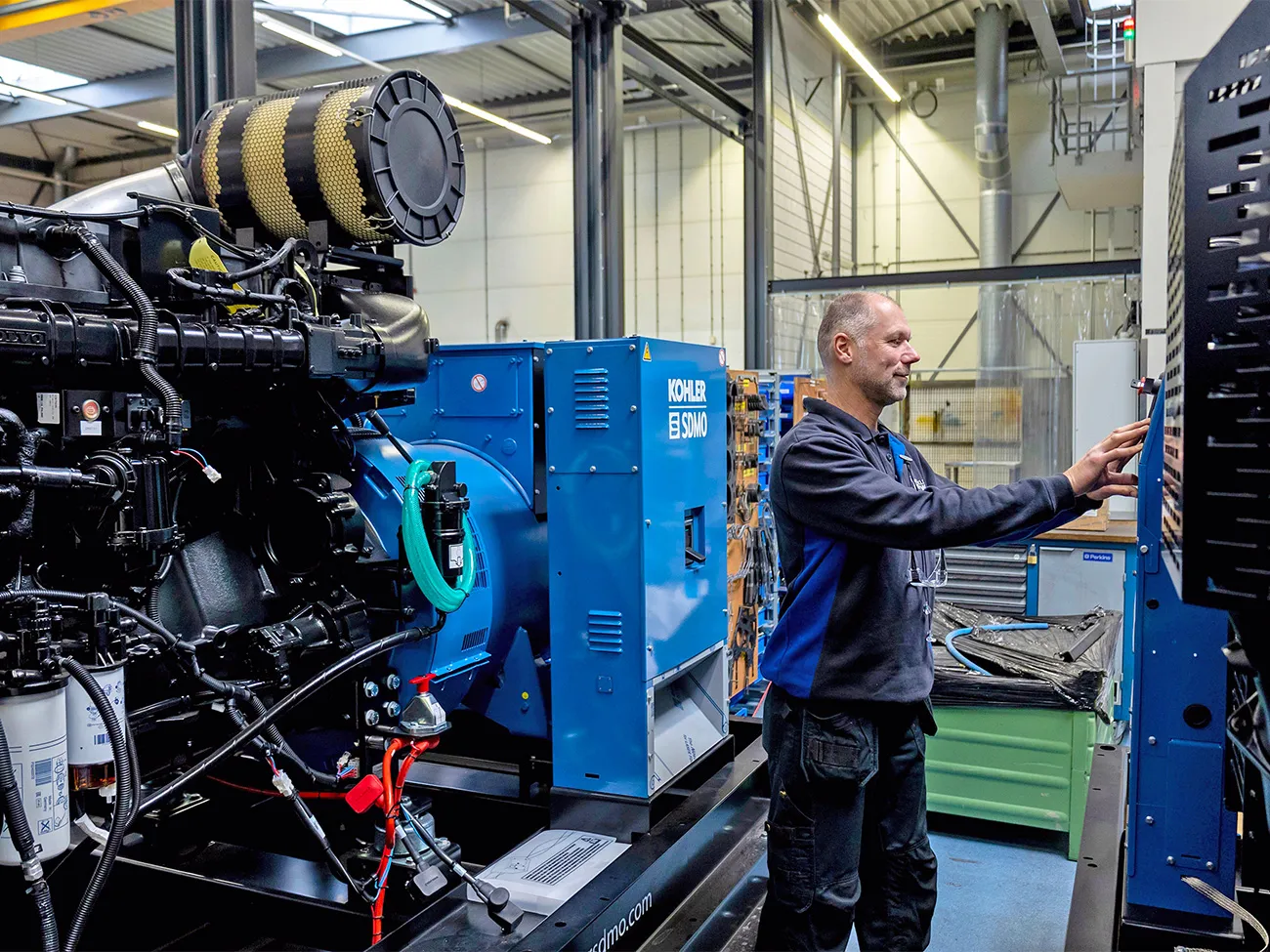
‘Grid outages are a problem that will not be resolved in the next ten years’
As the public electricity grid becomes increasingly unstable, ensuring continuity is a pressing issue. This is particularly true in healthcare, where lives depend on equipment functioning properly. A reliable backup power system is therefore more important than ever. Jeroen Eeuwijk, general manager of Koninklijke van Twist, outlines the latest developments and pitfalls in this area.
The grid is not yet equipped to handle the growing volume of electricity generation and consumption, resulting in increasingly frequent outages. Local faults, for example those caused by excavation work, are much more common still. “Cables are being upgraded everywhere. If they hit a cable, the grid goes down for a while. Voltage fluctuations are also a problem, known as grid pollution. This can cause installations to shut down automatically. We will continue to be affected by this over the next ten years,” says Eeuwijk.
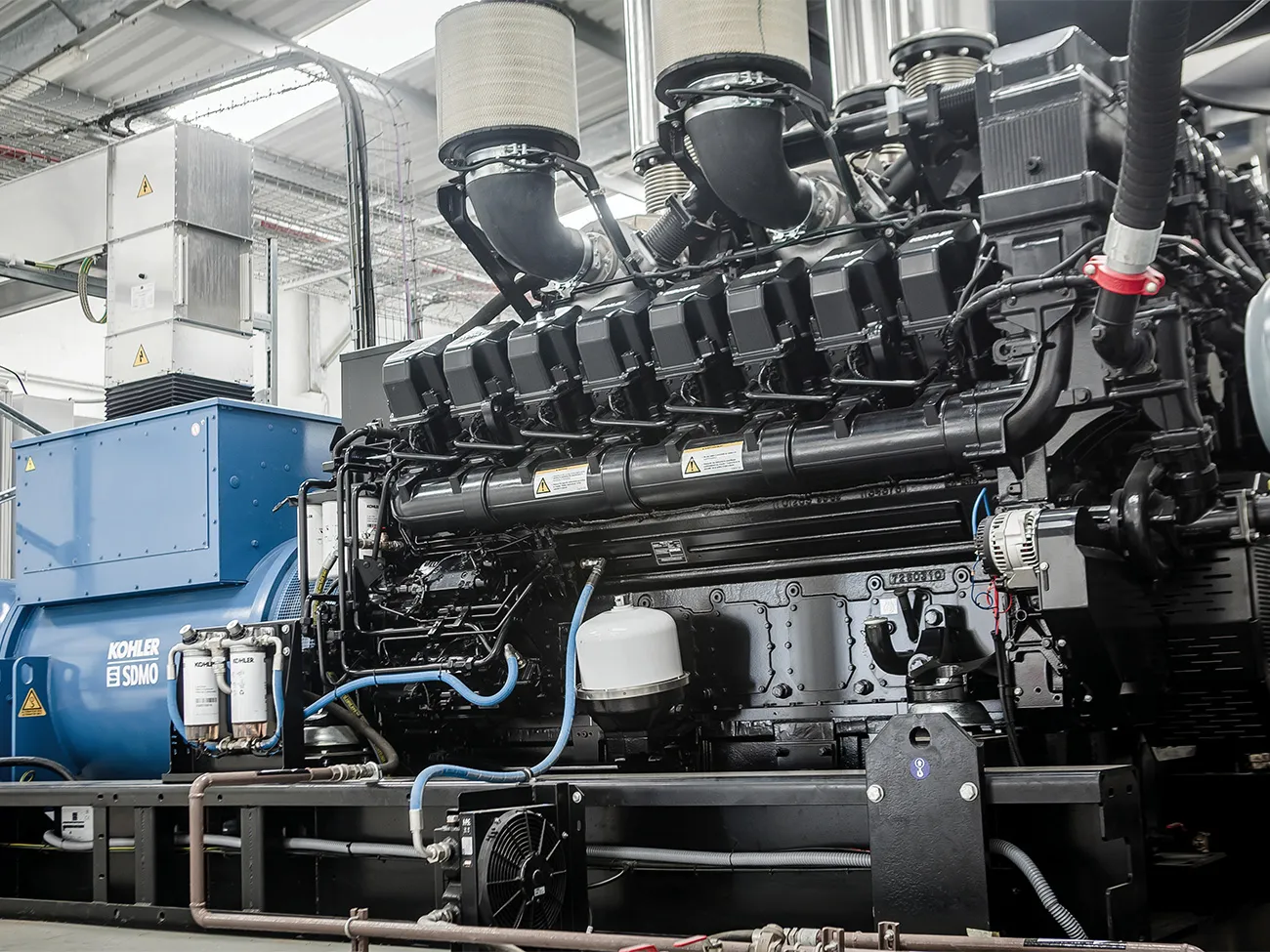
Rental generator
He sees more and more companies and organisations working to ensure continuity of their power supply. “Backup power is essential, particularly in healthcare. It does not necessarily have to be a permanently installed system. Many organisations opt for a shore connection, an outlet in the external wall to which a rental generator can be connected. This is a good solution in itself, but there is a risk that no generators will be available during a major power outage because everyone will need one.”
Monthly testing
A permanently installed backup power system offers the greatest certainty, provided it is properly maintained and tested at least once a month. Eeuwijk: “Large hospitals have their own teams working on this continuously, so it is not an issue for them. It can be more difficult in smaller institutions. In the past, they had an on-site manager who knew everything and included the periodic test in their rounds. Now they have a facilities manager responsible for purchasing services, with cost control as a priority. Maintenance is sometimes overlooked, which means the system may not work when you need it.”
A complete service
Periodic assessments and inspections also help ensure the system’s reliability. Koninklijke van Twist is certified to carry these out. “This sometimes raises questions. How can you, as a supplier, also perform the inspections and assessments? Isn’t that like a butcher inspecting his own meat? I tell them that you also take your car to the garage where it is serviced for its MOT test. We cannot cut corners. We do this because we want to provide our customers with a complete service for all their backup power needs. We also supply UPS systems. These provide a guaranteed period of battery backup, giving a diesel generator enough time to start up and take over,” Eeuwijk explains.

Biofuel
Finally, he wants to discuss the use of alternative systems and fuels. Surely there are cleaner options than diesel by now? “Hydrogen generators and batteries are being trialled, but their limited maximum operating time means they are not yet viable alternatives for backup power. Many users are therefore switching to some form of biodiesel. This makes little difference to exhaust CO2 emissions, because backup power systems hardly ever run. It does, however, make a difference in terms of emissions allowances. Backup power equipment is taxed in the same way as machinery that runs continuously. Replacing diesel with biofuel can therefore result in significant savings, particularly for large institutions. However, the effects on diesel engines need to be monitored. Not every diesel engine can simply run on a different fuel, and in the worst case it may fail.”
Question about this story? Ask your question
Keep following this
Get an email when a new story is published. No account needed.
- ThemeSafe and reliable healthcare buildings
- SubjectGeneral







