The Central Sterile Services Department (CSSD) of the future
Text Koen Mortelmans Beeld M-Wall BV
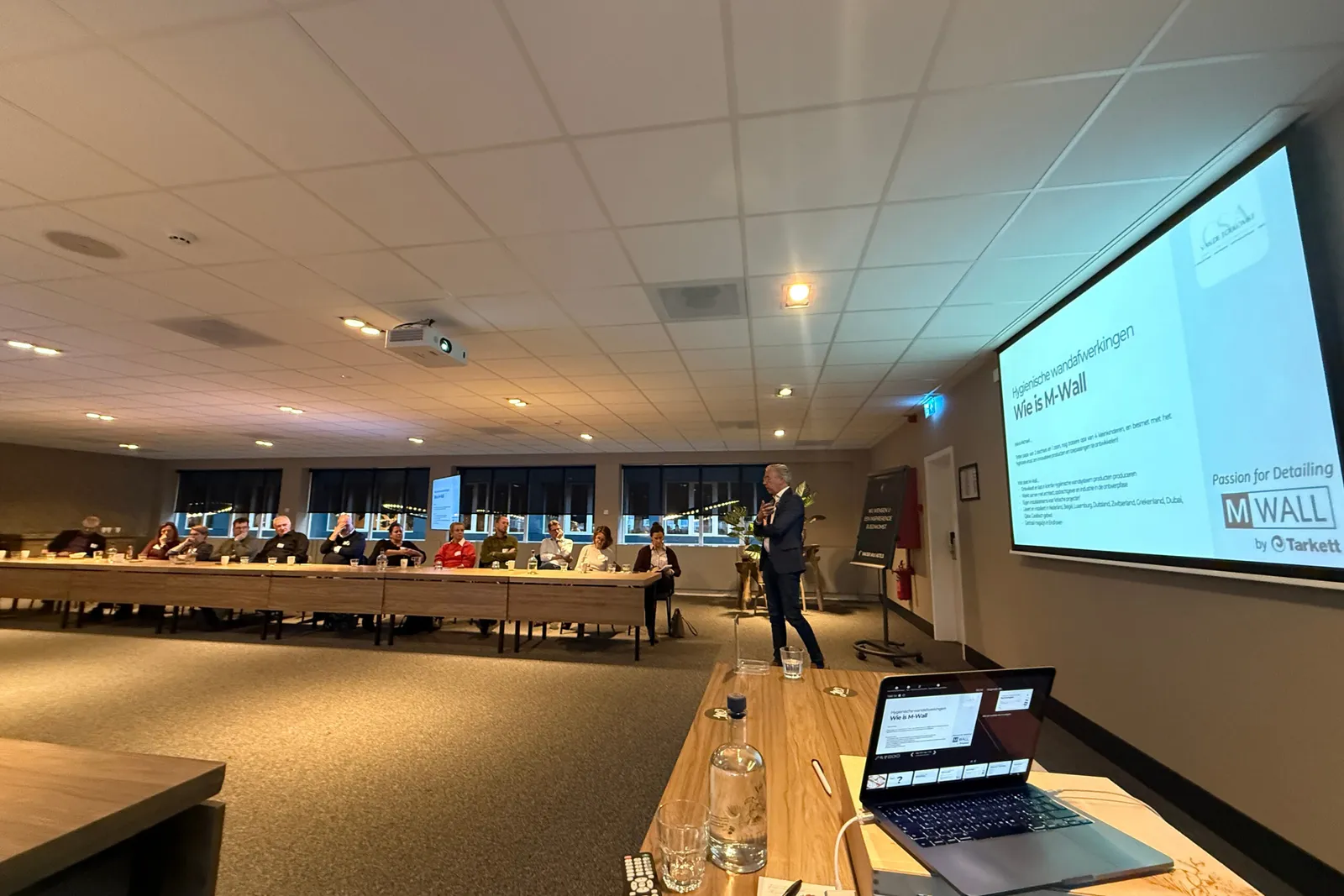
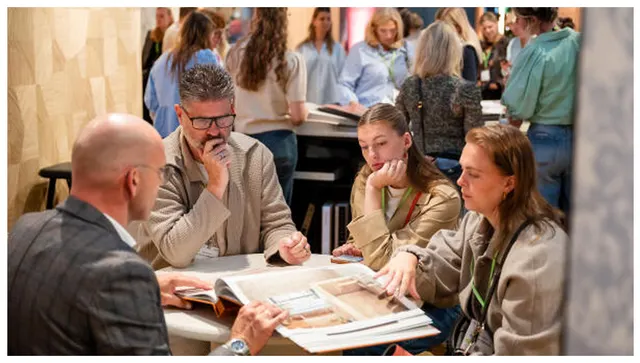
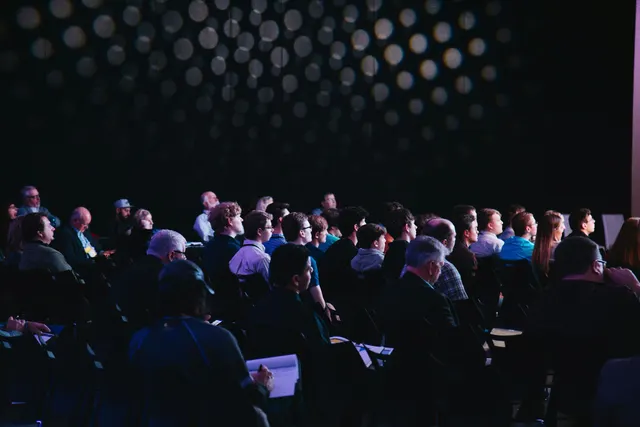
On 15 January, around 40 professionals from healthcare, architecture and industry gathered at a hotel on the Antwerp Ring Road. They were there to attend a mini-symposium organised by M-Wall, a specialist in high-performance wall coverings, on the Central Sterile Services Department (CSSD) of the future.
Participants looked not only at future developments in the CSSD, but also took the opportunity to share knowledge and experience. Encouraging this interaction was one of M-Wall’s secondary aims, alongside exploring the technical, organisational and construction possibilities for the CSSD.
From vision to practice
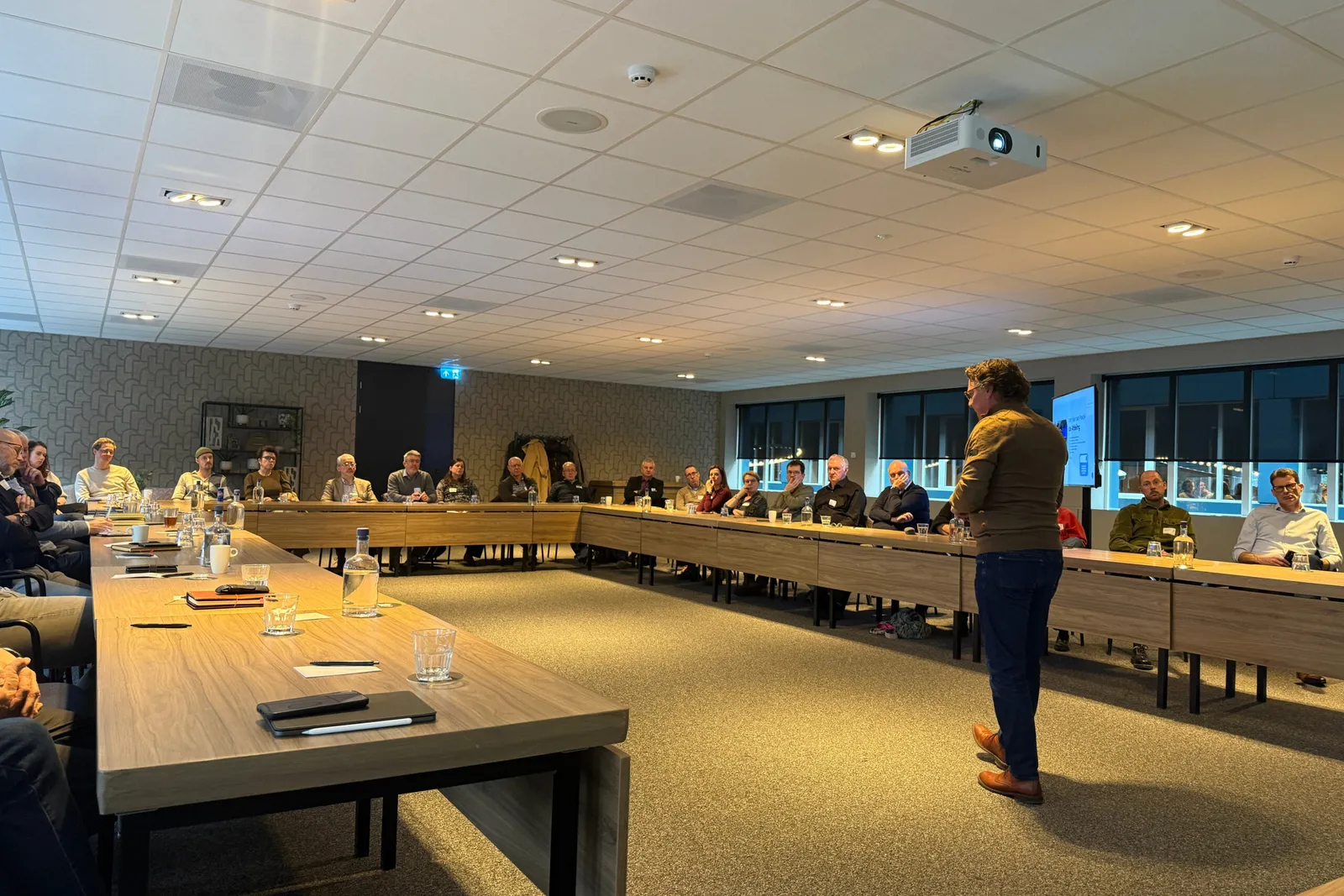
The first speaker at this inspiring afternoon event was Mark Meertens. A strategic specialist in sterile services departments, he took his audience through the development of the CSSD over the years and outlined a clear path from vision to practice. Meertens emphasised the importance of a clear vision as the starting point. This should be based not only on technology or regulations, but on the bigger picture: processes, people, logistics and future-proofing. By tracing historical developments, he showed how the CSSD has evolved from a support department into a complex, high-quality production environment.
Mertens also discussed current themes such as sustainability, automation, ergonomics and the changing role of staff. His message was clear: staff are the most important asset, while flexibility and collaboration are crucial to a future-proof CSSD.
Design and architecture
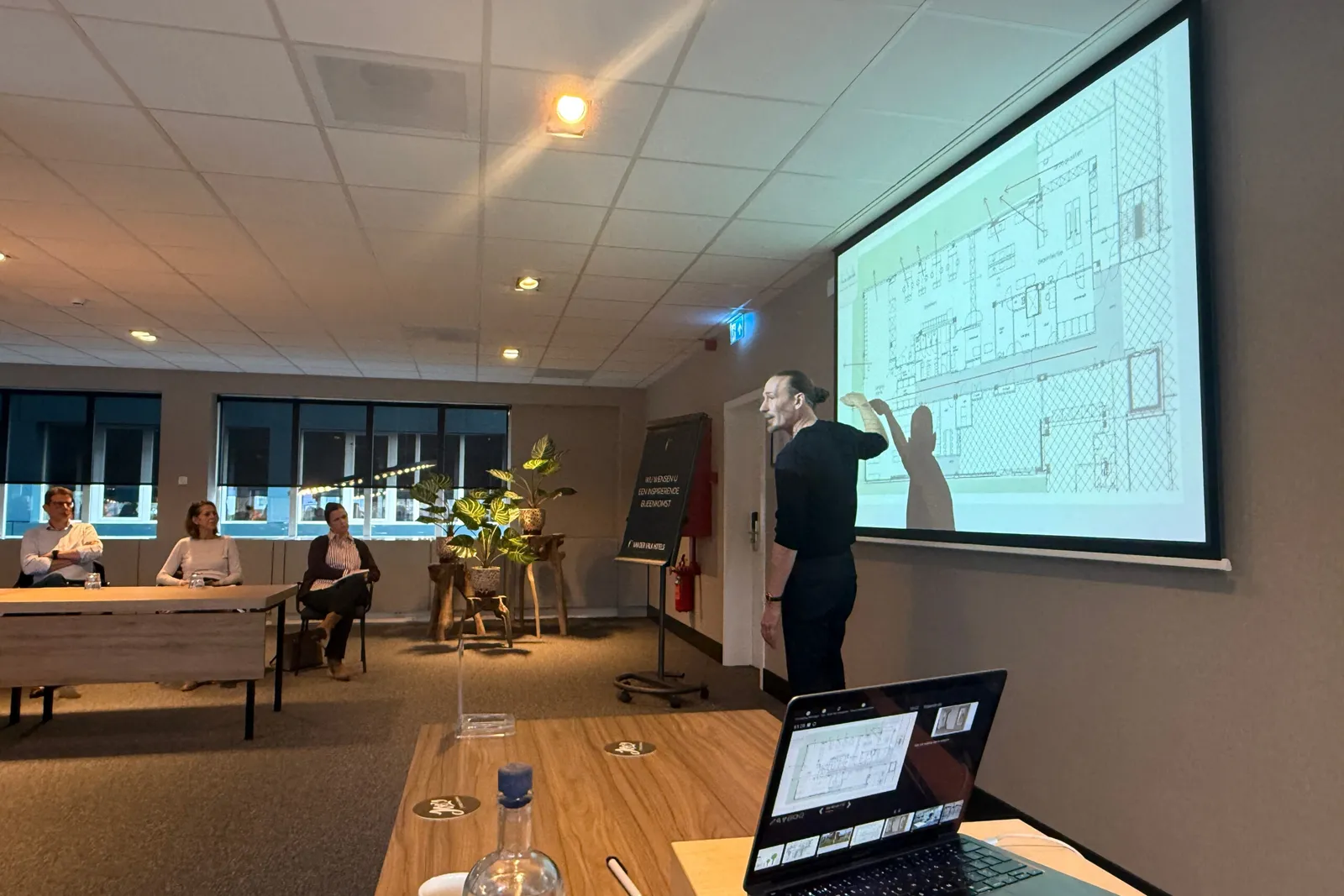
Take Vrijlandt, architect and director of Aan de Amstel architecten, offered an insight into the design process for modern sterile services departments, using the CSSD at VieCuri Medisch Centrum in Venlo as a practical example. Vrijlandt showed how logistics, visibility and sightlines play an important role in the design. Topics including design bugs out, BIM-led design and phased delivery were discussed in detail. He also stressed the importance of bringing users, policymakers and designers together from the outset. He then drew attention to the look and feel of the CSSD: a pleasant working environment contributes to job satisfaction and concentration, and helps attract new staff, an increasingly important consideration in healthcare.
Automation and Hospital 4.0
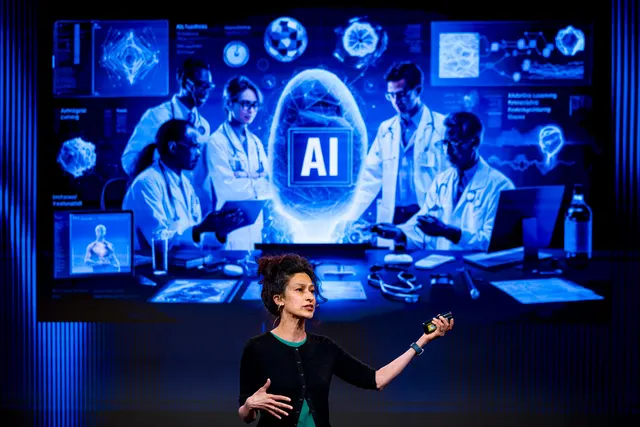
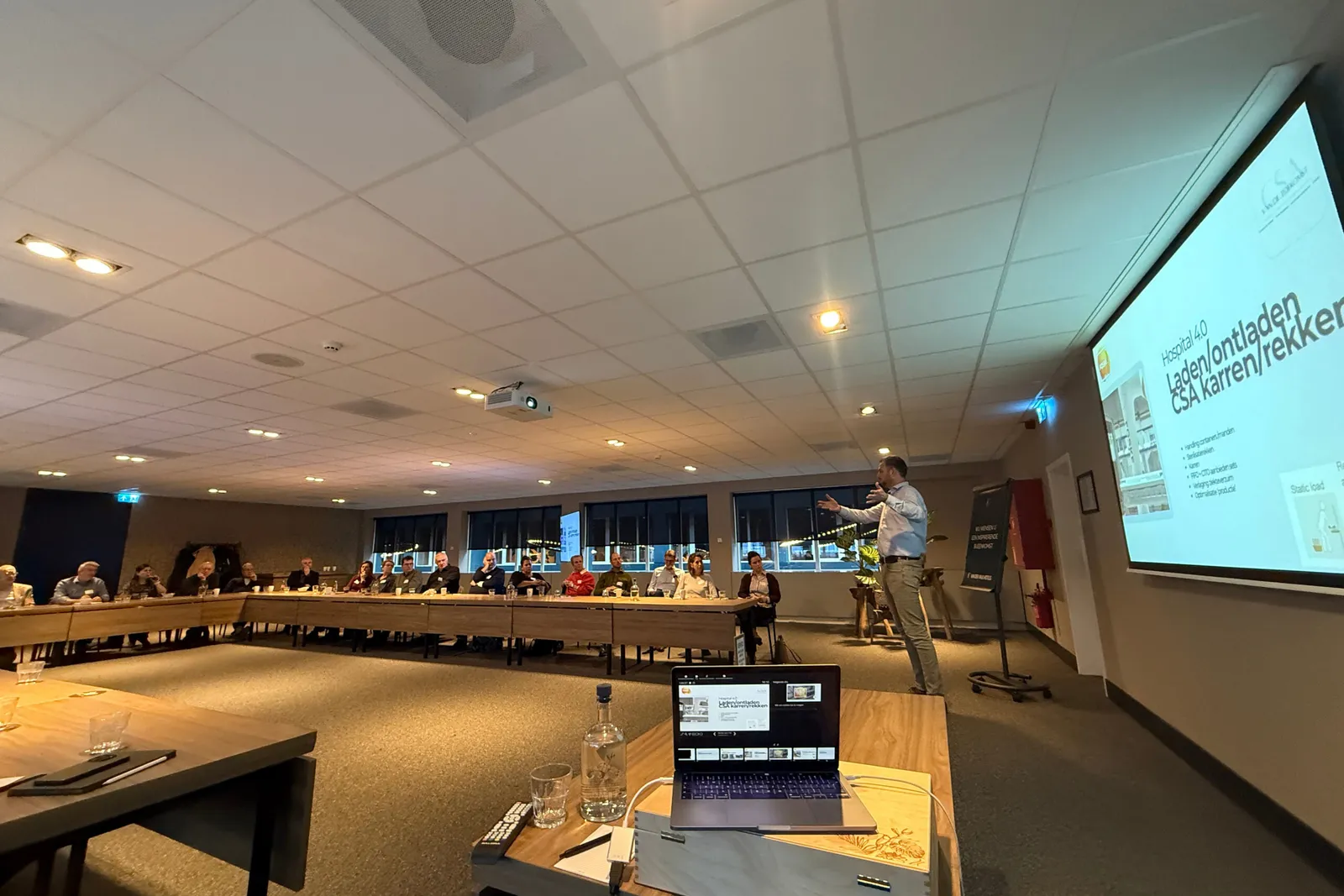
Jan Groothedde, programme manager at Foske Technologies, discussed the role of automation in the CSSD and operating theatre environment. Under the banner of Hospital 4.0, he explained how data, automation and smart logistics can contribute to efficiency, quality and ergonomics. He also explored workflow management, automated transport, the storage and distribution of instruments, and the use of robots for packaging and loading. According to Groothedde, automation is not an end in itself, but a means of supporting staff and keeping processes manageable in an increasingly complex healthcare environment.
Hygienic wall finishes and regulations
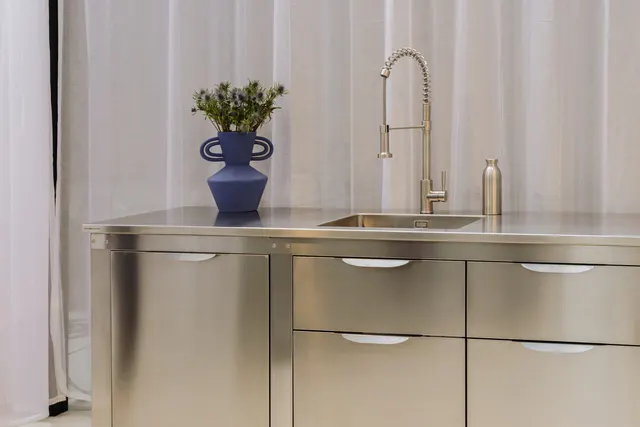
In the symposium’s closing session, Michael Simon, managing director of M-Wall, discussed the importance of hygienic wall finishes in CSSDs and other critical healthcare environments. His presentation covered relevant standards and guidelines at national and international level, including VCCN guidelines, ISO standards and MDR requirements. He also outlined the functional and technical requirements materials must meet, such as cleanability, chemical resistance, fire classification and durability. Simon emphasised that material choices cannot be considered separately from design and implementation. “Only an integrated approach, with early coordination between the architect, client, contractors and suppliers, can ensure quality, validation and sustainability.”
The mini-symposium ‘CSSD of the Future’ made clear that the CSSD plays a crucial role in the healthcare chain and that future-proofing calls for vision, collaboration and integrated decision-making. “Bringing together strategy, design, technology and materials gave participants a broad and inspiring perspective,” said Simon. “The positive feedback and lively discussions we had confirm that this is a topic people care about.”
A business enquiry for M-Wall? Get in touch
Companies in this story

Keep following this
Get an email when a new story is published. No account needed.
- ThemeSafe and reliable healthcare buildings
- SubjectEvents
- CompanyM-Wall